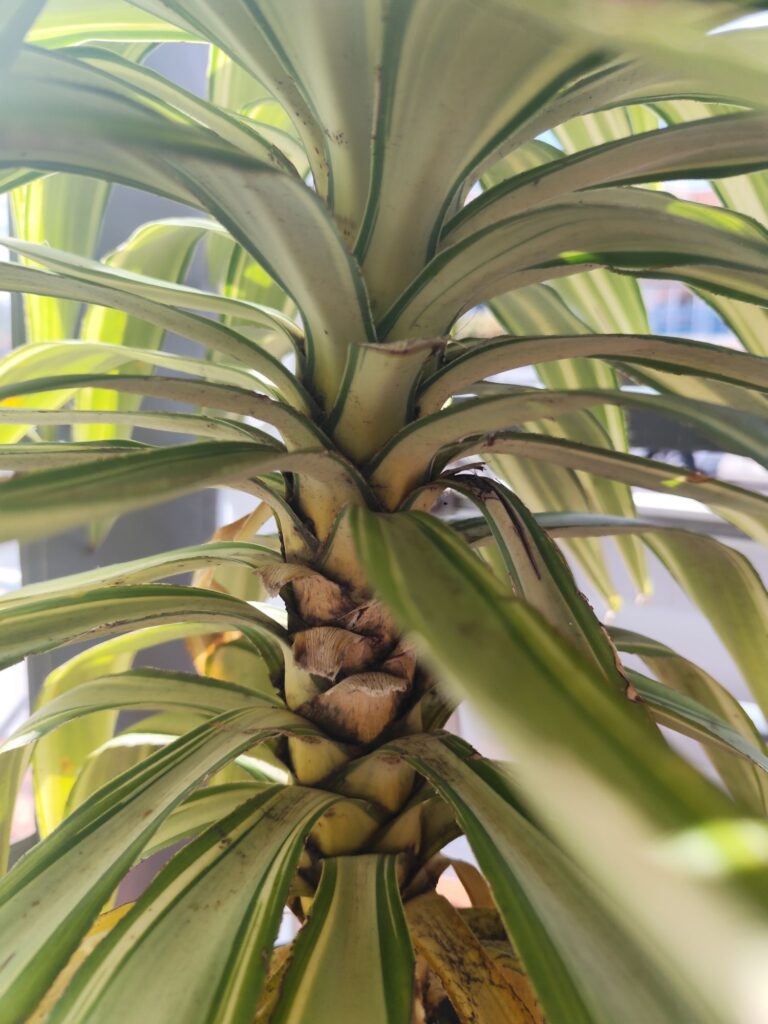
Overview of Yucca elephantipes
Yucca elephantipes, also known as spineless yucca or elephant foot yucca, is an evergreen plant admired for its upright growth, woody trunks, and tufts of sword-shaped leaves. Unlike many other yucca species, it lacks sharp spines, making it more suitable for gardens, public spaces, and residential landscapes.
This plant is widely used both outdoors and indoors due to its adaptability, drought tolerance, and clean architectural appearance.
Natural Origin and Distribution
Yucca elephantipes is native to Central America, particularly Mexico and surrounding regions. In its natural habitat, it grows in dry forests and open areas with well-drained soils.
Because of its resilience and ornamental value, it has been widely cultivated in subtropical, Mediterranean, and warm temperate regions worldwide.
Physical Characteristics
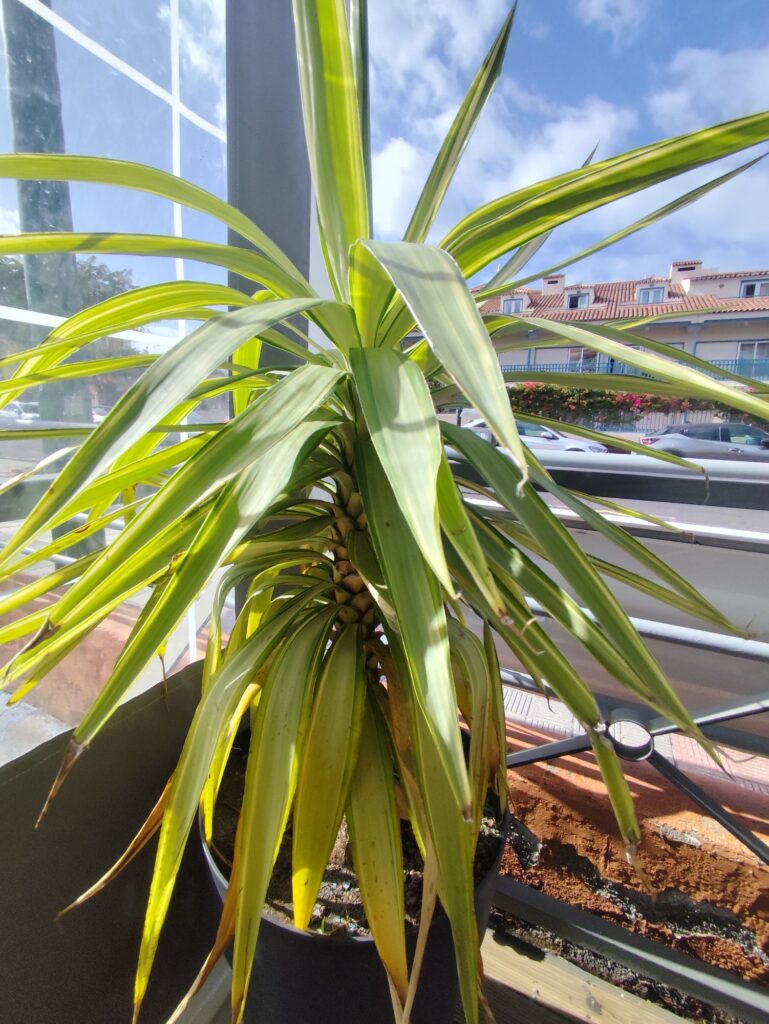
This species develops one or multiple thick, woody trunks that often widen at the base, giving rise to the name “elephant foot.” Over time, the plant can branch and form several heads of foliage.
The leaves are long, narrow, and flexible, typically green to dark green in color. They form dense rosettes at the ends of the stems, creating a palm-like silhouette.
Growth Habit and Development
Yucca elephantipes has a moderate growth rate and can reach heights of 6 to 10 meters in outdoor conditions over many years. In containers or indoor settings, growth is slower and more controlled.
The plant maintains a strong vertical form and can be shaped naturally or through selective pruning.
Climate and Light Requirements
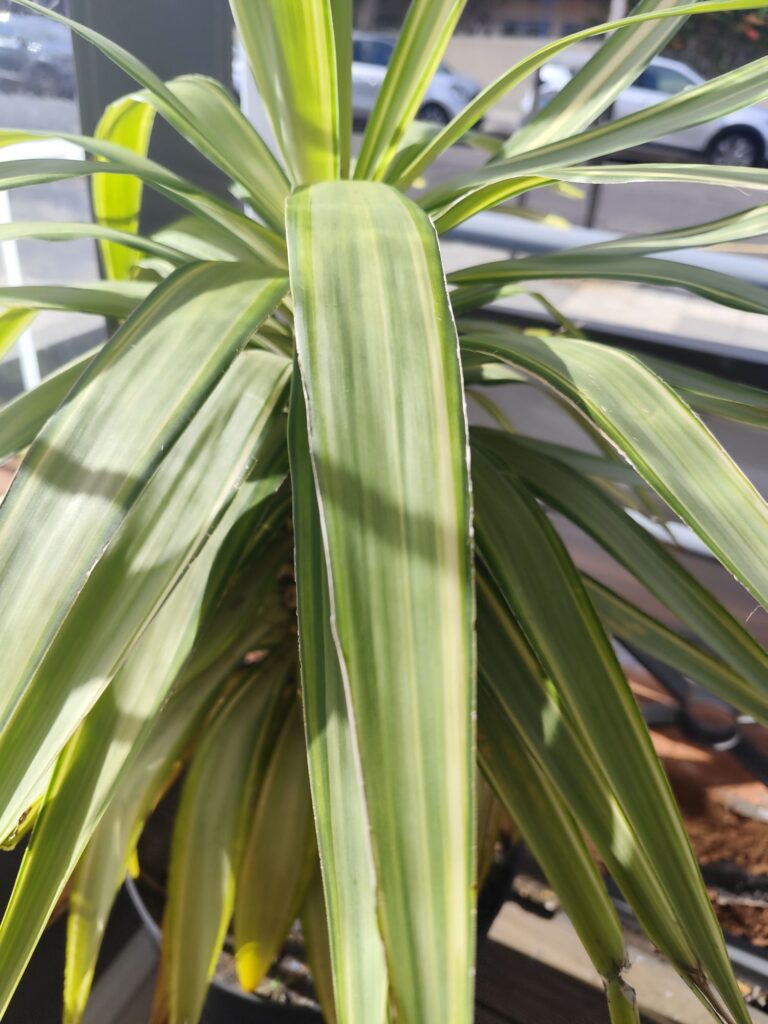
This yucca thrives in warm climates and prefers full sun to partial shade. Full sun encourages compact growth and strong trunks.
It tolerates brief periods of cooler temperatures but is best suited to frost-free or mild-winter regions. Indoors, it performs well in bright locations.
Soil Preferences
Well-drained soil is essential for healthy growth. Yucca elephantipes adapts well to sandy, rocky, or loamy soils.
It does not require rich soil and performs well in relatively poor substrates, provided drainage is adequate.
Water Requirements
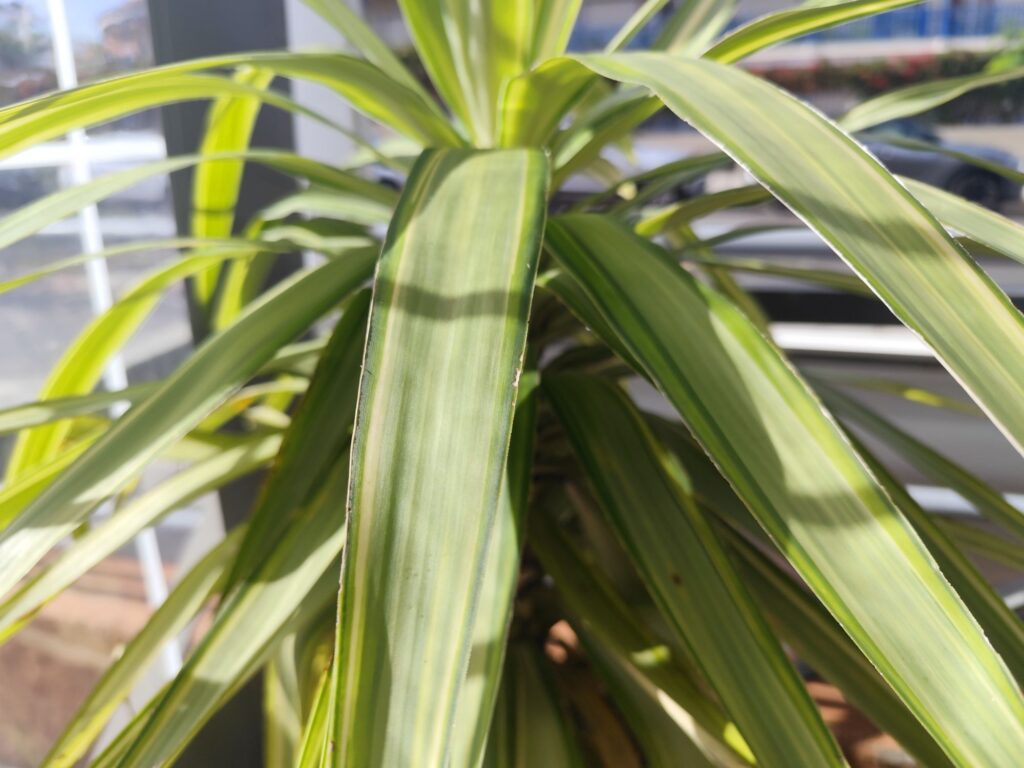
Once established, Yucca elephantipes is highly drought-tolerant. Watering should be moderate, allowing the soil to dry between watering cycles.
Overwatering should be avoided, especially in cooler seasons, as excess moisture can affect root health.
Maintenance and Care
This plant is very low-maintenance. Pruning may be done to remove lower leaves or to control height and branching.
It generally shows good resistance to pests and diseases when grown in appropriate conditions.
Uses in Landscaping
Yucca elephantipes is widely used in gardens, parks, and urban landscaping due to its clean lines and durability. It works well as a focal plant or in groups for structural impact.
It is also a popular choice for patios, terraces, and large containers, as well as for interior decoration in bright spaces.
Visual and Environmental Value
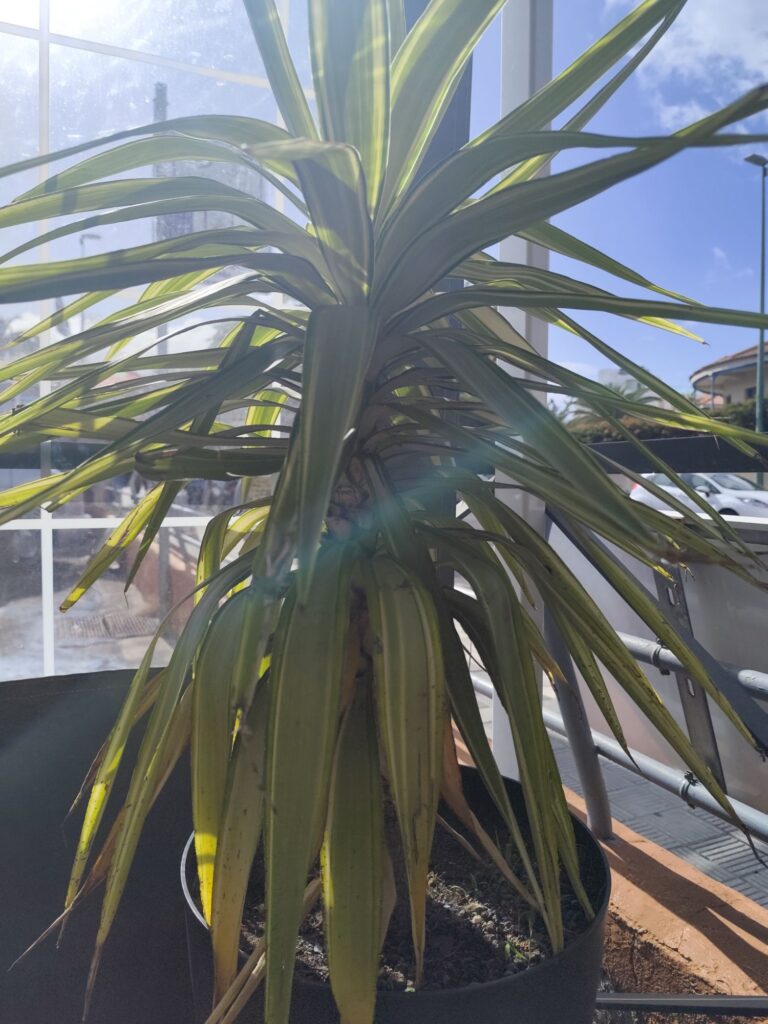
Visually, the plant adds strong vertical structure and a modern, minimalist aesthetic to landscapes. Its evergreen foliage provides year-round interest.
Environmentally, it supports water-efficient gardening and low-maintenance landscape designs.
Suitability for Gardens and Indoor Spaces
Yucca elephantipes is suitable for both outdoor gardens in warm climates and indoor environments with sufficient light.
With proper placement and minimal care, it can remain an attractive and long-lasting feature in residential and public spaces.