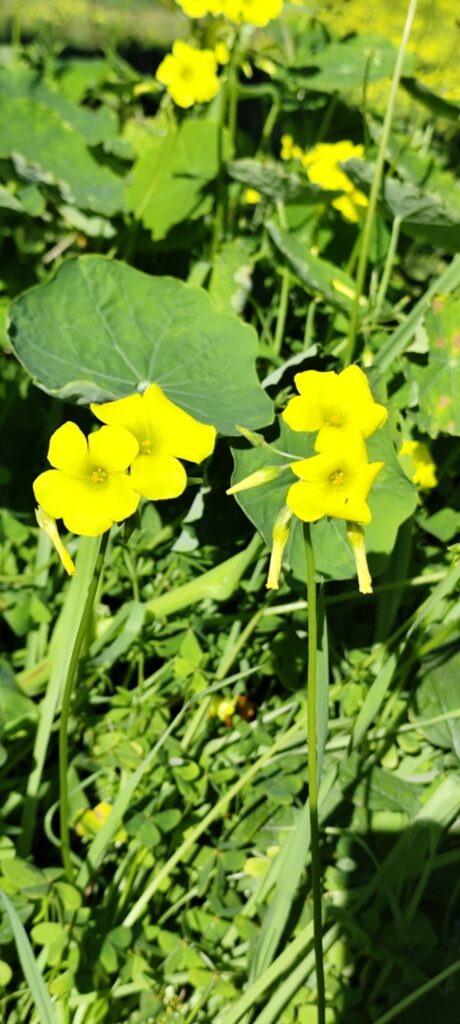
Overview of Thladiantha dubia
Thladiantha dubia, commonly known as tuberous gourd or calabaza de tubérculo, is a perennial climbing plant valued for its vigorous growth, heart-shaped leaves, and ornamental flowers and fruits. It belongs to the Cucurbitaceae family and develops underground tubers that allow it to regrow each year.
This species is primarily grown for ornamental purposes due to its attractive foliage, yellow flowers, and bright red fruits.
Natural Origin and Distribution
Thladiantha dubia is native to East Asia, including parts of China, Korea, and eastern Russia. In its natural habitat, it grows in forest edges, hedgerows, and open woodland areas.
It has been introduced to other temperate regions as an ornamental climber.
Physical Characteristics
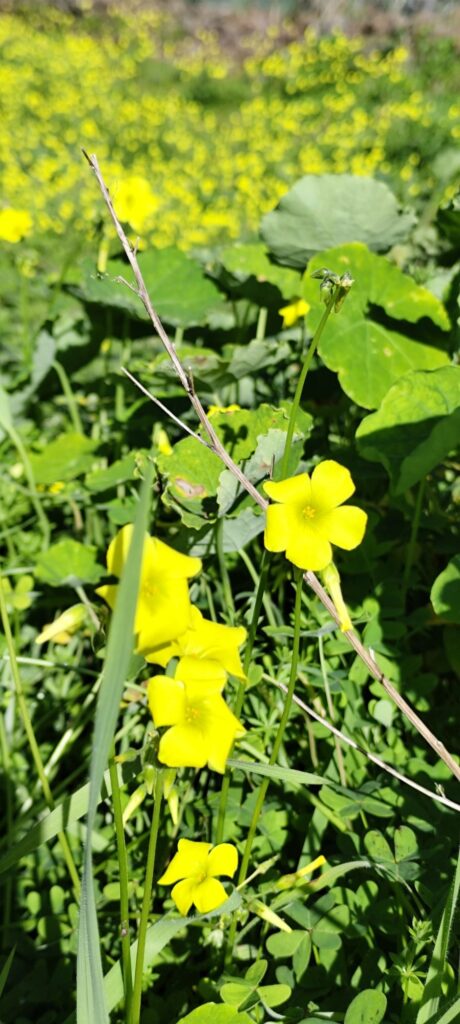
This plant produces long, twining vines that climb using tendrils. The leaves are heart-shaped, soft-textured, and medium green in color.
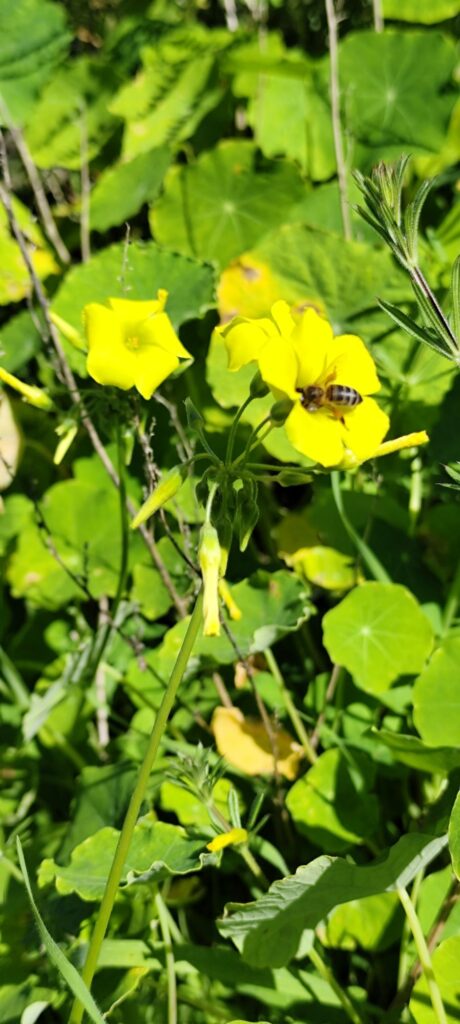
The flowers are small to medium-sized, yellow, and bell-shaped. After flowering, the plant may produce oval fruits that turn bright red when mature.
Flowering and Seasonal Interest
Thladiantha dubia flowers during late spring and summer. The flowers provide visual interest, followed by decorative fruits later in the season.
The bright red fruits add strong ornamental value in late summer and autumn.
Growth Habit and Development
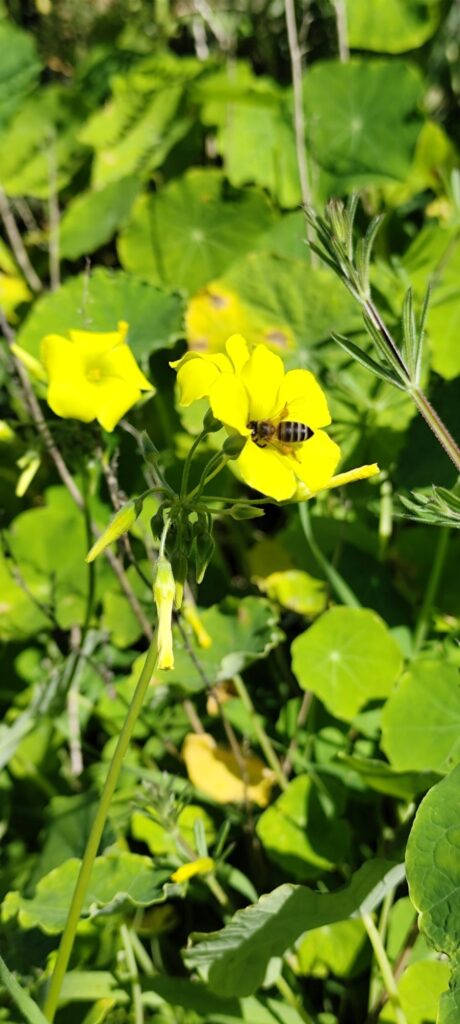
This species has a fast growth rate and spreads through both climbing stems and underground tubers.
Its tuberous root system allows it to reappear annually and spread over time if not controlled.
Climate and Light Requirements
Thladiantha dubia thrives in temperate climates and prefers full sun to partial shade. Adequate sunlight supports flowering and fruit development.
It is cold-hardy and survives winter dormancy through its underground tubers.
Soil Preferences
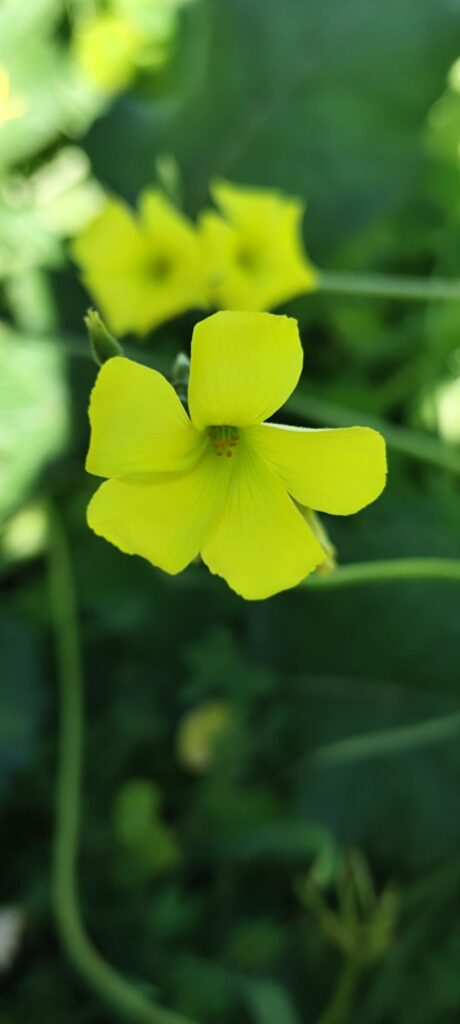
Well-drained soil is essential for healthy growth. This plant performs best in fertile, loamy soils with moderate moisture.
It adapts to a range of soil types but does not tolerate prolonged waterlogging.
Water Requirements
Regular watering is recommended during active growth. The soil should be kept moderately moist but not saturated.
Once established, the plant tolerates short dry periods.
Maintenance and Care
This is a moderate-maintenance plant. Pruning may be required to control growth and prevent excessive spreading.
Monitoring underground tuber spread is recommended in garden settings.
Safety Notice
Thladiantha dubia is grown strictly for ornamental purposes. It should not be consumed or used for medicinal applications.
Care should be taken to manage its spread in cultivated landscapes.
Uses in Landscaping
This plant is used as a climbing ornamental for fences, trellises, pergolas, and garden structures.
Its dense foliage provides seasonal screening and decorative interest.
Visual and Environmental Value
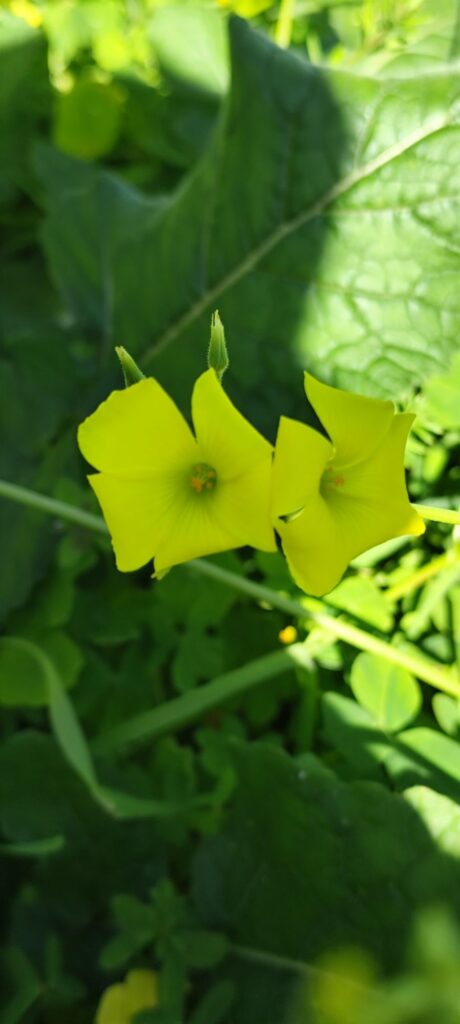
Visually, Thladiantha dubia adds lush greenery, cheerful yellow flowers, and striking red fruits to garden spaces.
Its vigorous growth makes it effective for covering vertical surfaces.
Suitability for Gardens
Thladiantha dubia is suitable for temperate gardens where a fast-growing ornamental climber is desired.
With proper support, regular monitoring, and adequate space, it can be an attractive and distinctive garden plant.