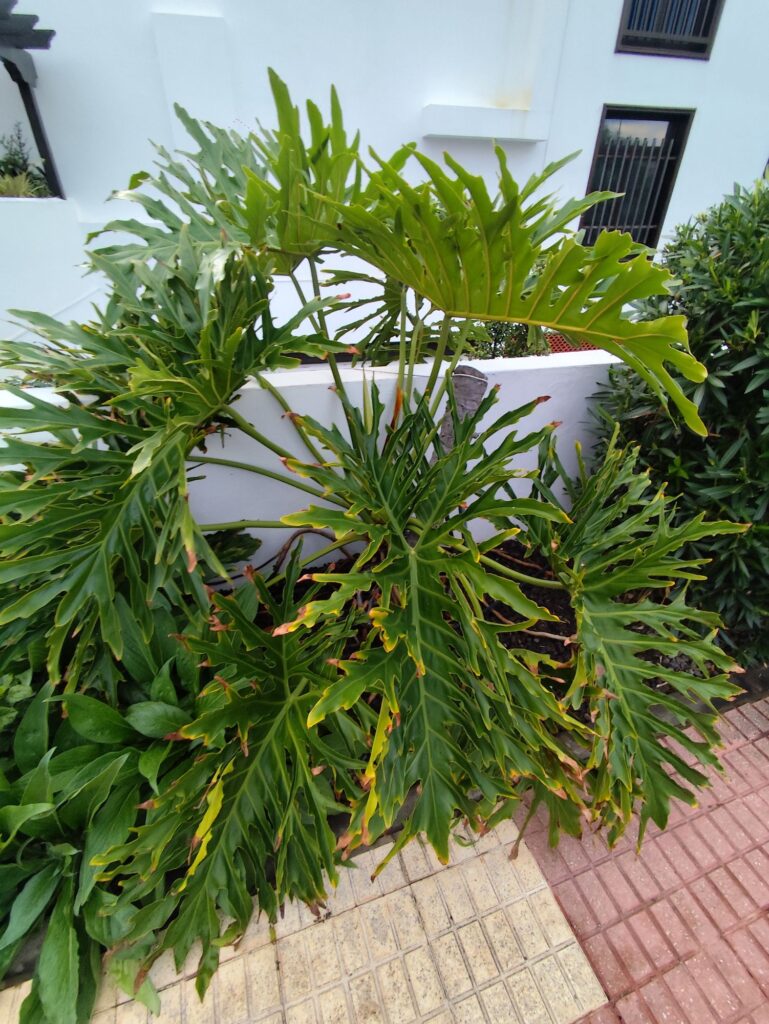
Overview of Thaumatophyllum bipinnatifidum
Thaumatophyllum bipinnatifidum is a large tropical plant known for its dramatic, deeply divided leaves and strong architectural presence. Formerly classified within the Philodendron genus, it is now recognized as part of the Thaumatophyllum group, which includes robust, self-supporting species.
This plant is widely appreciated in landscaping for its bold foliage and ability to create a lush, tropical atmosphere in warm climates.
Natural Origin and Distribution
Thaumatophyllum bipinnatifidum is native to South America, particularly Brazil, Paraguay, and northern Argentina. In its natural habitat, it grows in open forests and woodland margins, often in warm and humid conditions.
Due to its ornamental value and adaptability, it has been widely cultivated in tropical and subtropical regions around the world.
Physical Characteristics
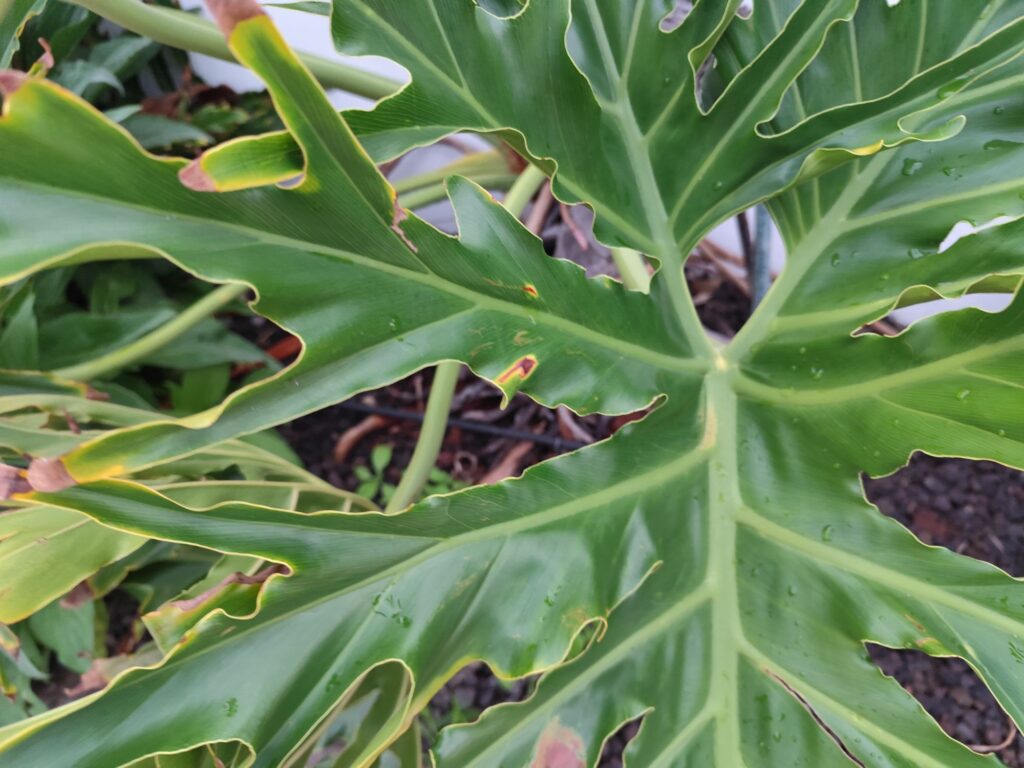
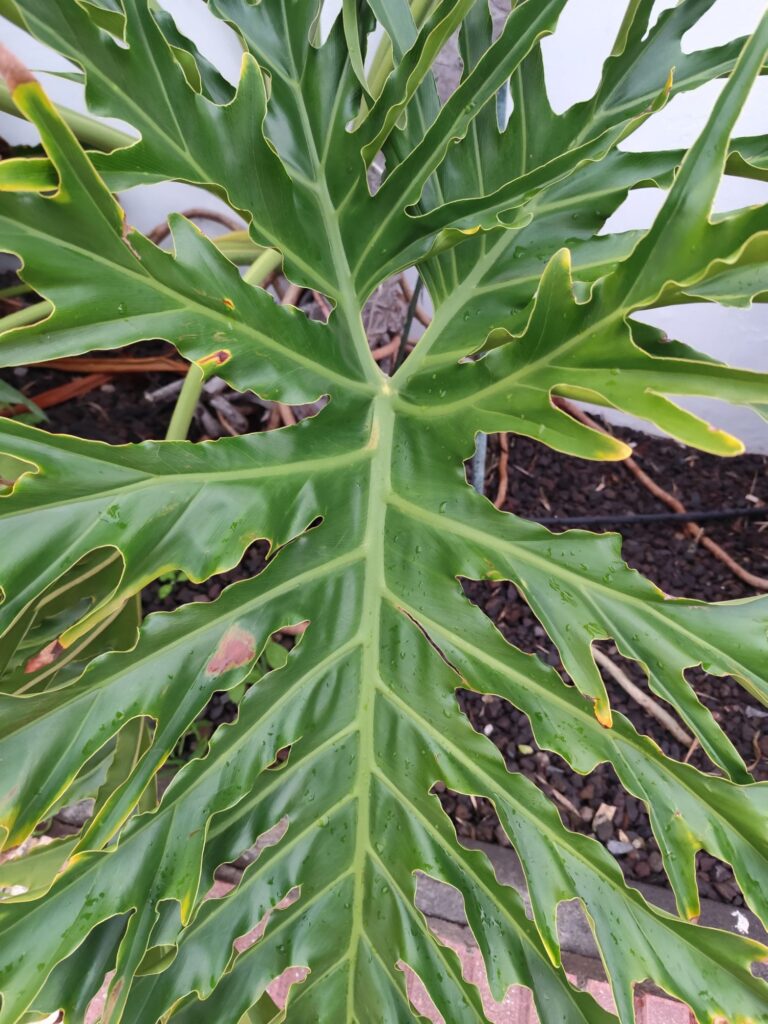
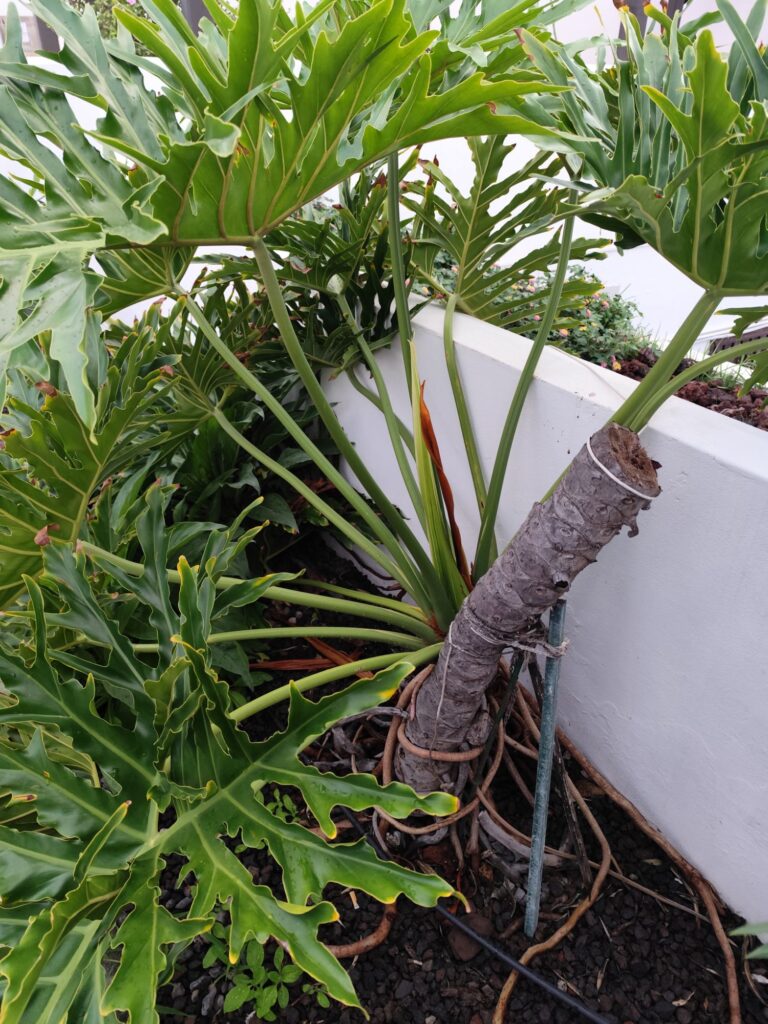
This species is characterized by very large, glossy green leaves that are deeply lobed and can reach over 1 meter in length. The leaves are borne on thick, sturdy petioles that emerge from a short, trunk-like stem.
As the plant matures, it develops a strong, self-supporting structure with aerial roots that help anchor it to the ground and provide additional stability.
Growth Habit and Development
Thaumatophyllum bipinnatifidum is a fast-growing plant under favorable conditions. It gradually forms a broad, spreading clump that can occupy significant space in the landscape.
Its growth habit is upright and expansive, making it more suitable for open areas rather than confined garden spaces.
Climate and Light Requirements
This plant thrives in warm climates with mild winters. It prefers bright, indirect light or partial shade but can tolerate full sun in humid environments.
Exposure to intense direct sunlight in very dry conditions may cause leaf stress, so some protection is beneficial in hotter regions.
Soil Preferences
Thaumatophyllum bipinnatifidum performs best in rich, well-drained soils with good organic content. It adapts well to a variety of soil types as long as drainage is adequate.
Consistent soil moisture supports healthy growth, but waterlogged conditions should be avoided.
Water Requirements
Regular watering is important, especially during warm periods and active growth. The soil should be kept evenly moist but not saturated.
Once established, the plant can tolerate short dry periods, though prolonged drought may affect leaf quality.
Maintenance and Care
This species is considered relatively low-maintenance when planted in suitable conditions. Old or damaged leaves can be removed to maintain a tidy appearance.
Because of its size, sufficient space should be allowed for natural growth, reducing the need for frequent pruning.
Uses in Landscaping
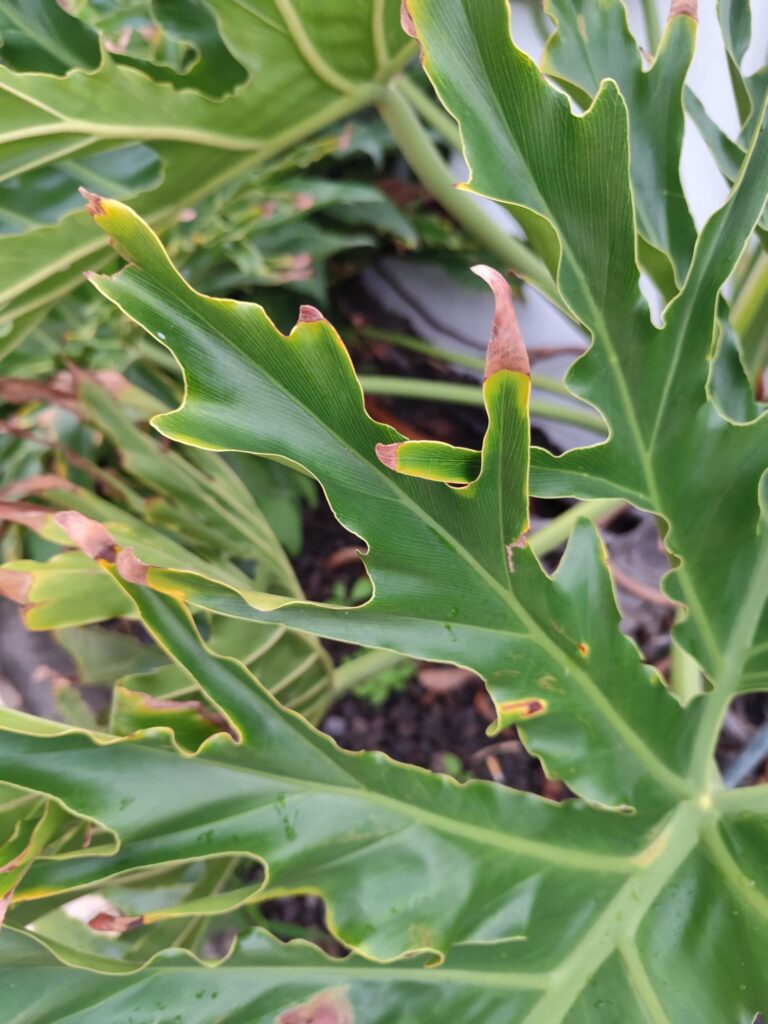
Thaumatophyllum bipinnatifidum is widely used as a focal plant in tropical and subtropical landscaping. Its bold foliage provides strong visual impact in gardens, parks, and large residential spaces.
It is often planted as a standalone specimen or combined with other large-leaved plants to create layered, jungle-style designs.
Visual and Environmental Value
The large leaves create deep shade beneath the plant and contribute to a cooler microclimate in garden environments. Its dense structure can also provide shelter for small wildlife.
Visually, the plant adds texture, scale, and a strong tropical character to outdoor spaces.
Suitability for Gardens and Open Spaces
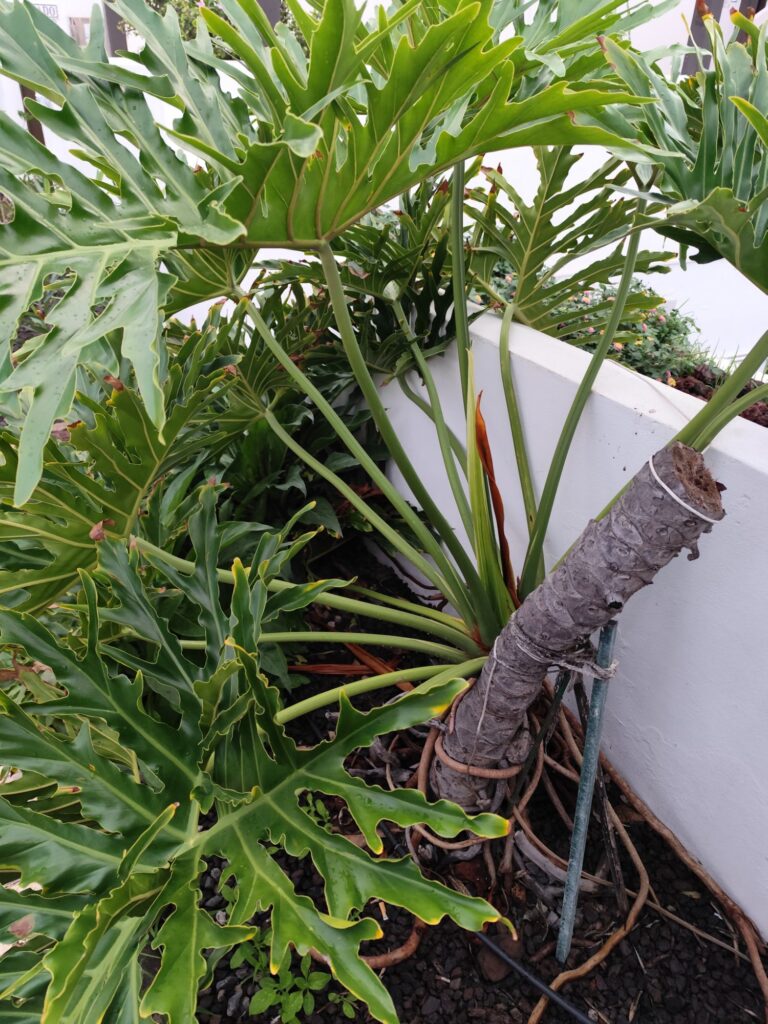
Thaumatophyllum bipinnatifidum is best suited to spacious gardens and public landscapes where its full size can be appreciated.
With proper placement and basic care, it can become a long-lasting and impressive element in warm-climate garden designs.