Overview of Tecoma capensis
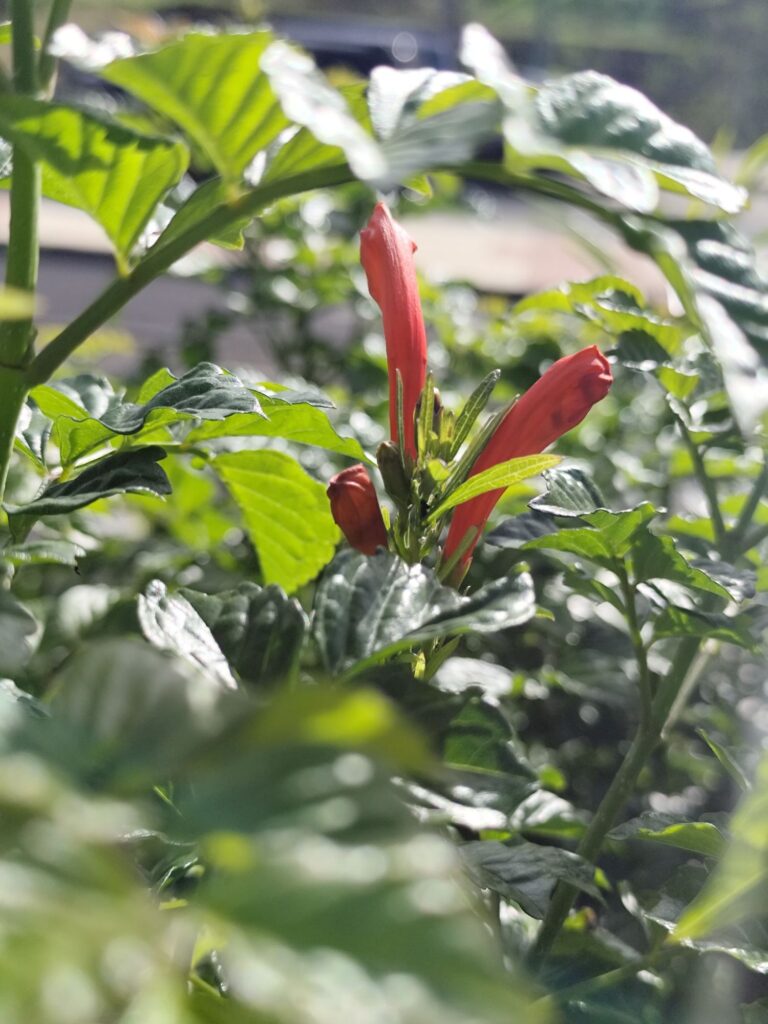
Tecoma capensis, commonly known as Cape honeysuckle or Bignonia del Cabo, is a vigorous evergreen shrub or climber valued for its bright orange tubular flowers and long flowering season. It belongs to the Bignoniaceae family and is widely cultivated in warm climates as an ornamental plant.
This species is appreciated for its adaptability, rapid growth, and ability to provide strong color in gardens and landscapes.
Natural Origin and Distribution
Tecoma capensis is native to southern Africa, where it grows in coastal scrub, woodland edges, and open landscapes.
Due to its ornamental value and resilience, it has been widely introduced to Mediterranean, subtropical, and tropical regions around the world.
Physical Characteristics
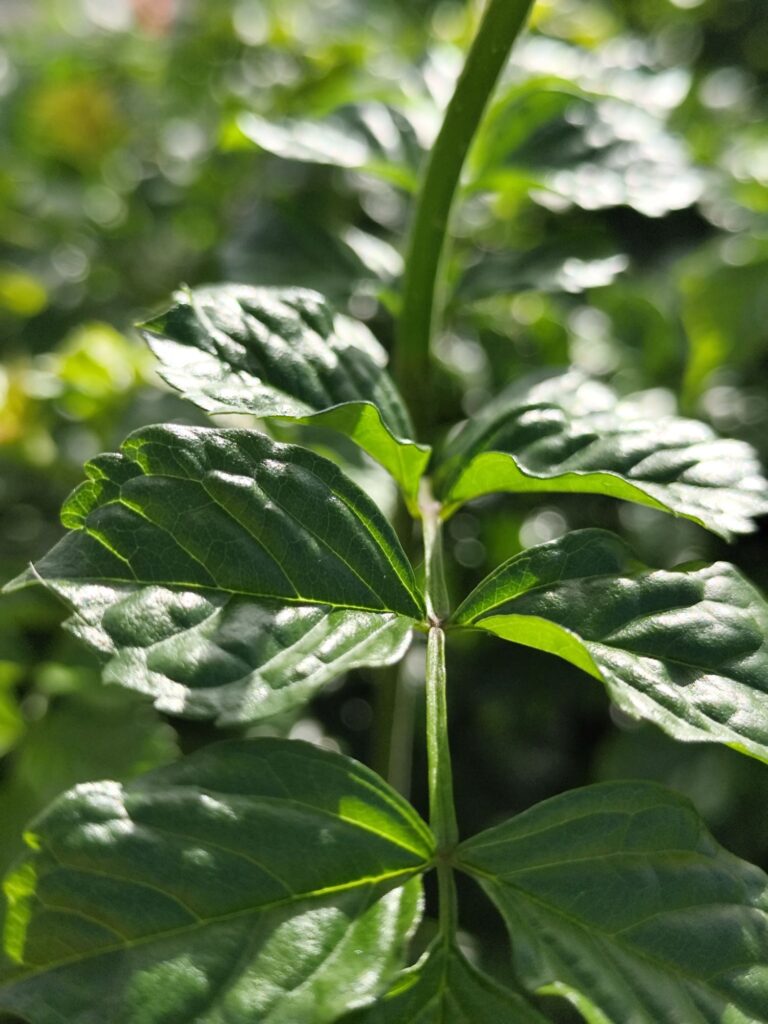
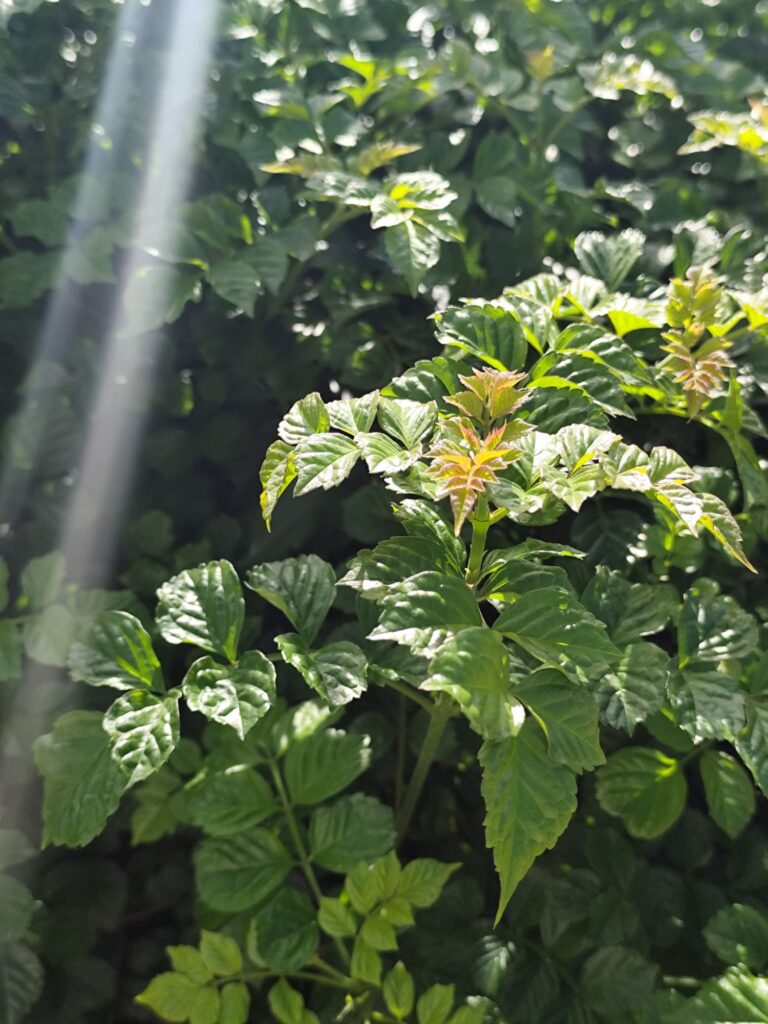
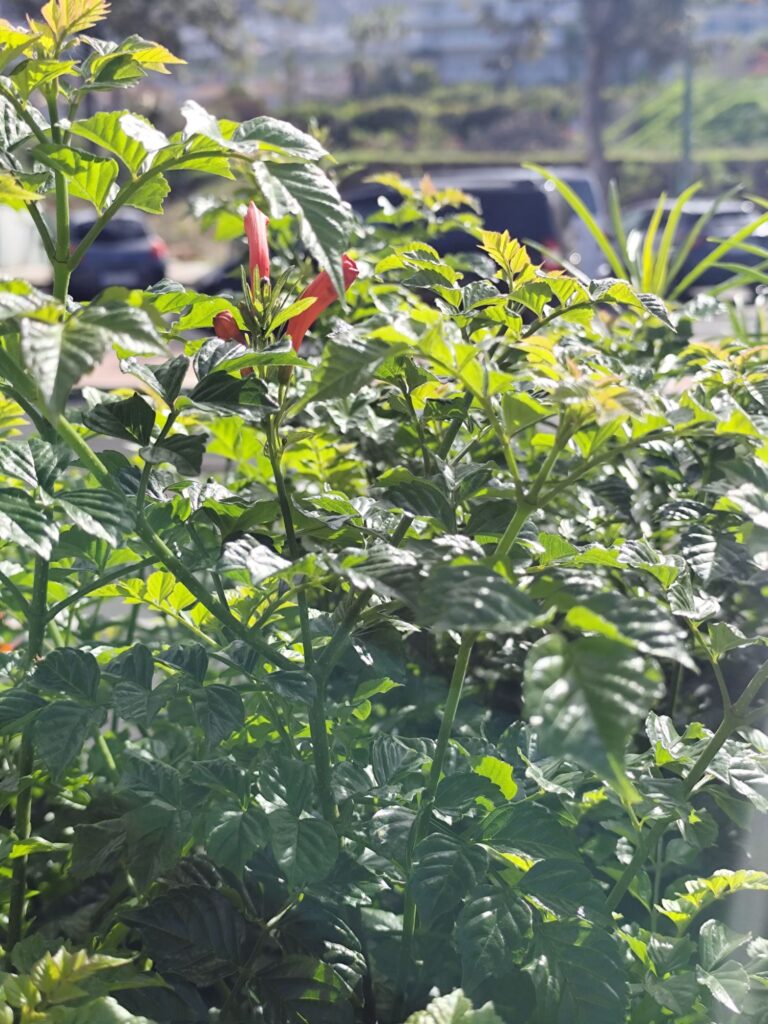
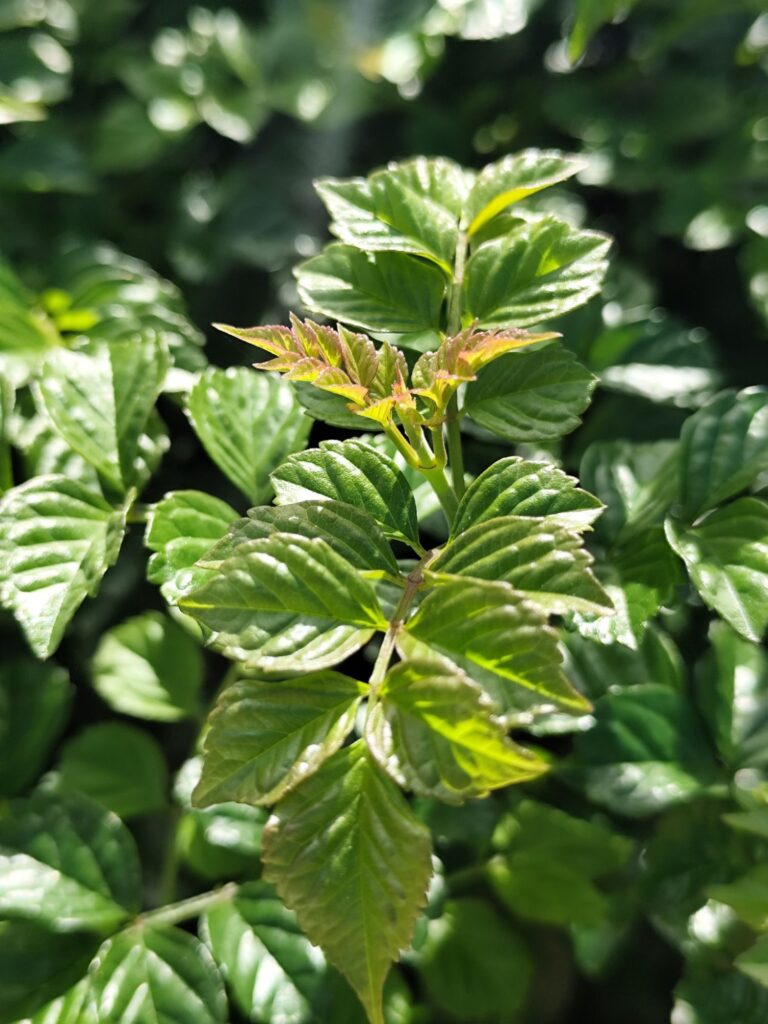
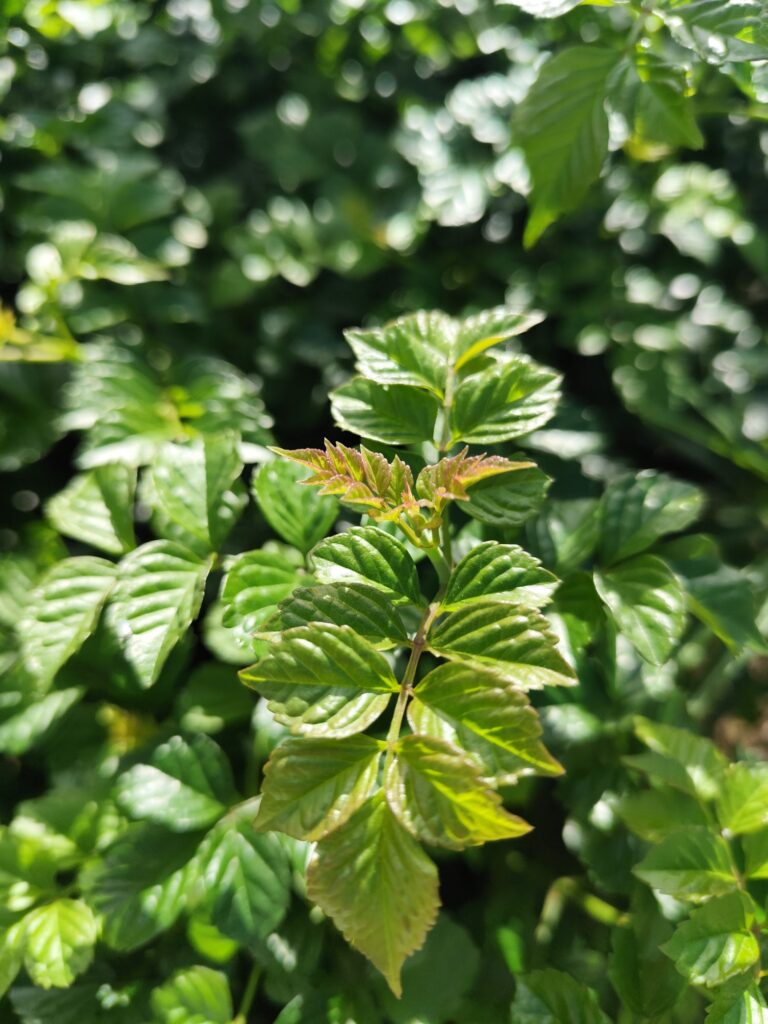
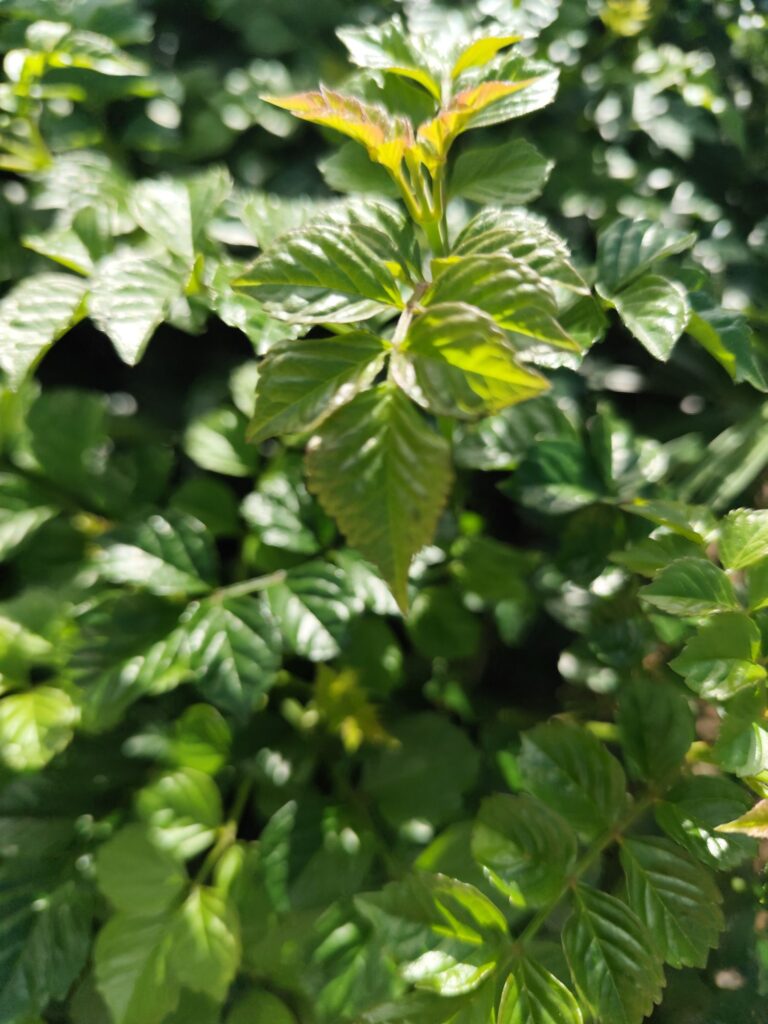
This plant develops as a sprawling shrub or climbing vine with long, arching branches. The leaves are pinnate, composed of several oval leaflets, and are medium to dark green in color.
The flowers are tubular and bright orange to orange-red, produced in dense clusters at the ends of branches.
Flowering and Seasonal Interest
Tecoma capensis is known for its extended flowering period. In mild climates, it may bloom from autumn through spring, with peak flowering during cooler months.
The vivid flowers provide strong seasonal color and attract pollinating birds and insects.
Growth Habit and Development
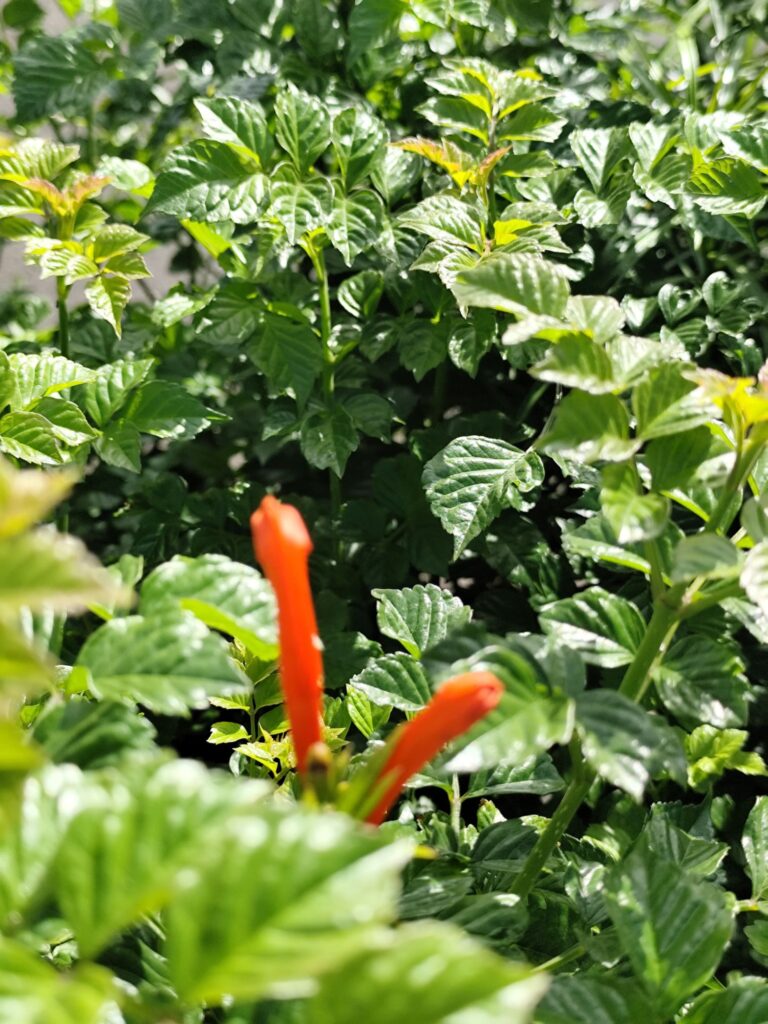
This species has a fast growth rate and can reach heights of 3 to 6 meters when trained as a climber or left as a large shrub.
It responds very well to pruning and can be shaped as a hedge, free-form shrub, or wall-climbing plant.
Climate and Light Requirements
Tecoma capensis thrives in warm, mild climates and prefers full sun to light partial shade.
Full sun promotes more abundant flowering, while partial shade is tolerated in hotter regions.
Soil Preferences
This plant adapts to a wide range of soils, provided they are well-drained.
It performs best in moderately fertile soils but tolerates poor and sandy substrates.
Water Requirements
Regular watering is recommended during establishment. Once established, Tecoma capensis is moderately drought-tolerant.
Allowing the soil to dry slightly between watering cycles supports healthy growth.
Maintenance and Care
This is a low-maintenance plant. Regular pruning helps control size, encourages dense growth, and stimulates flowering.
Pruning is best done after major flowering periods.
Safety Notice
Tecoma capensis is grown strictly for ornamental purposes. It should not be consumed or used for medicinal applications.
Standard gardening care is sufficient when handling the plant.
Uses in Landscaping
This species is widely used as a climbing plant on fences, walls, pergolas, and trellises.
It is also planted as a hedge, screen, or feature shrub in warm-climate gardens.
Visual and Environmental Value
Visually, Cape honeysuckle adds bold color and a soft, flowing structure to landscapes.
Its flowers support pollinators and add movement and life to garden spaces.
Suitability for Gardens and Containers
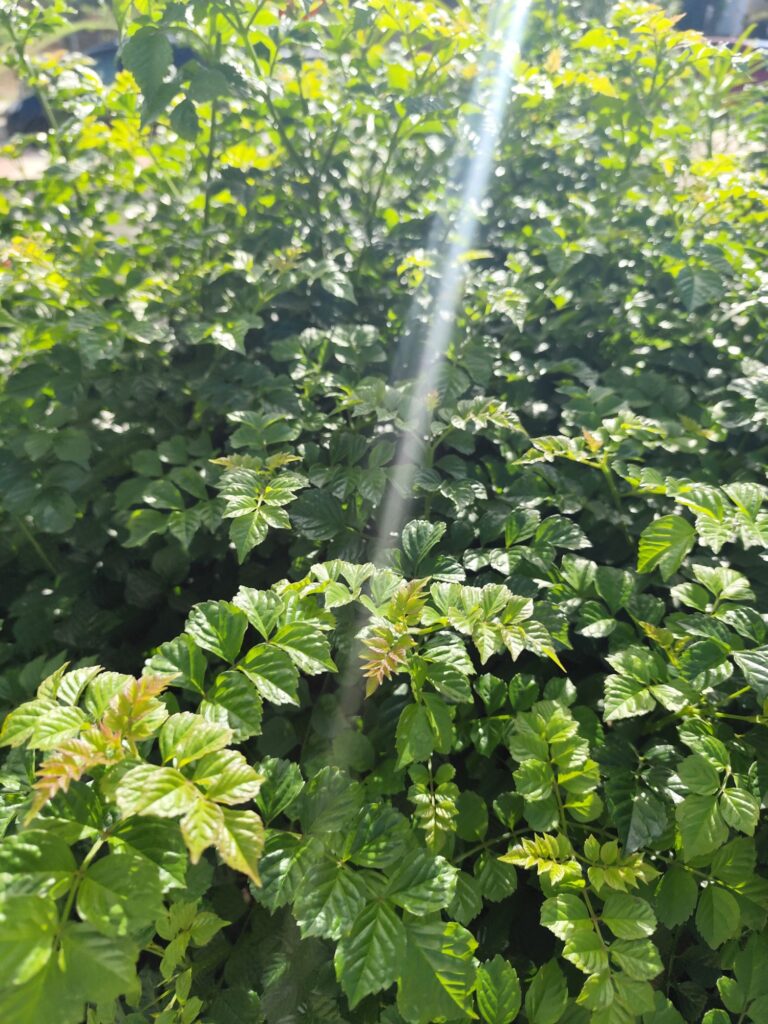
Tecoma capensis is ideal for gardens in warm, frost-free climates where fast growth and long flowering are desired.
With full sun, good drainage, and regular pruning, it can become a long-lived and highly decorative landscape plant.