Introduction to Tamaray or Tamarisk
Tamaray, also known as tamarisk, is the common name for several species within the genus Tamarix, a group of shrubs and small trees characteristic of coastal areas, riverbanks, and arid or semi-arid regions. These plants belong to the Tamaricaceae family and are distinguished by their high resistance to harsh environmental conditions such as salinity, wind, and drought.
Tamarisk has traditionally been used in gardening, landscape restoration, and erosion control, especially in coastal areas or poor soils. This article provides an educational and botanical description of the plant, without promoting its consumption or medicinal use.
Botanical Classification
- Family: Tamaricaceae
- Genus: Tamarix
- Common species: Tamarix gallica, Tamarix africana, Tamarix ramosissima, etc.
- Common names: Tamaray, tamarisk, taray, taraje, etc.
General Characteristics
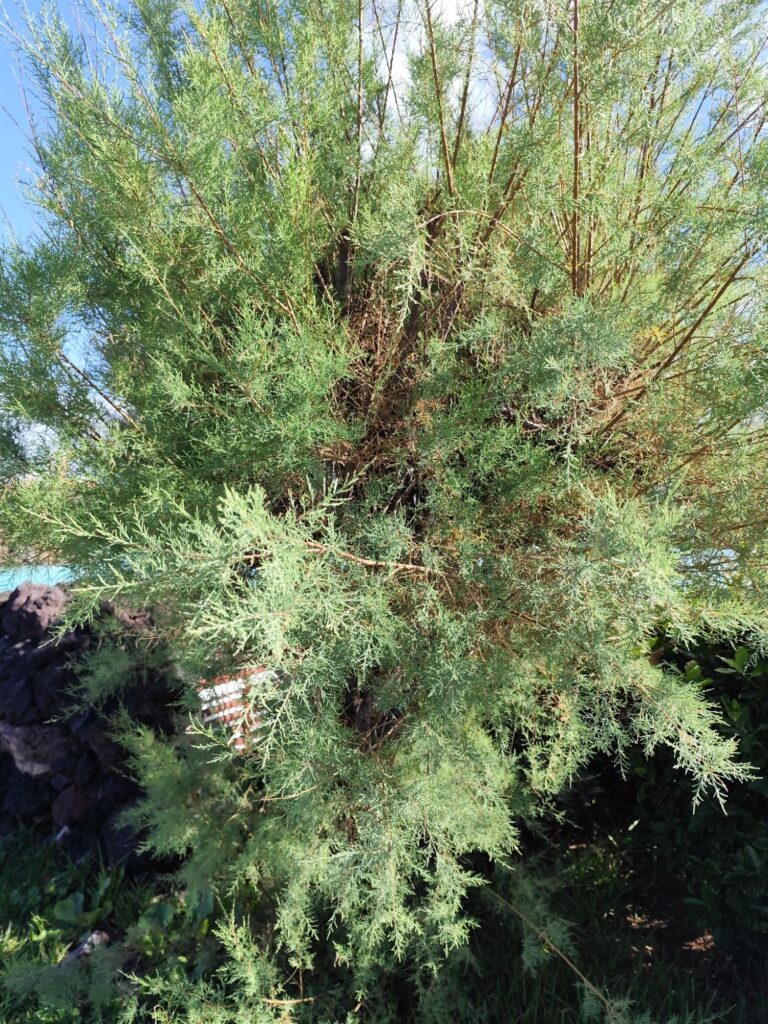
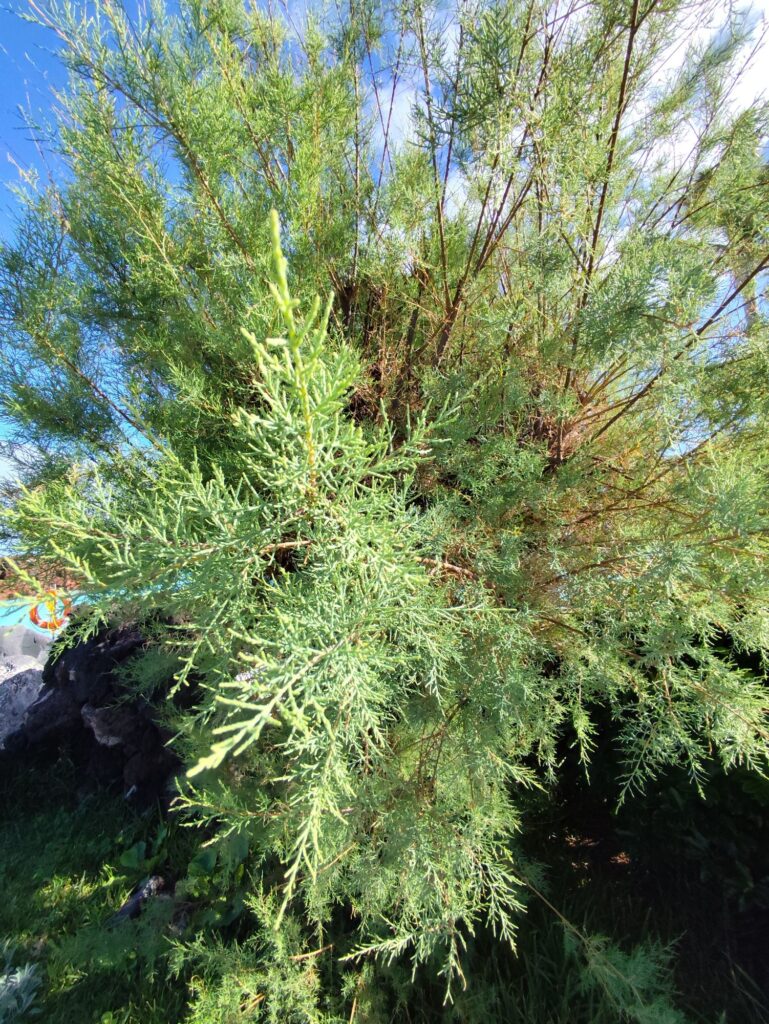
Tamarisk is a shrub or medium-sized tree that can reach several meters in height depending on the species and environmental conditions. It has a woody trunk with abundant, flexible branching, allowing it to adapt well to constant wind in open and coastal areas.
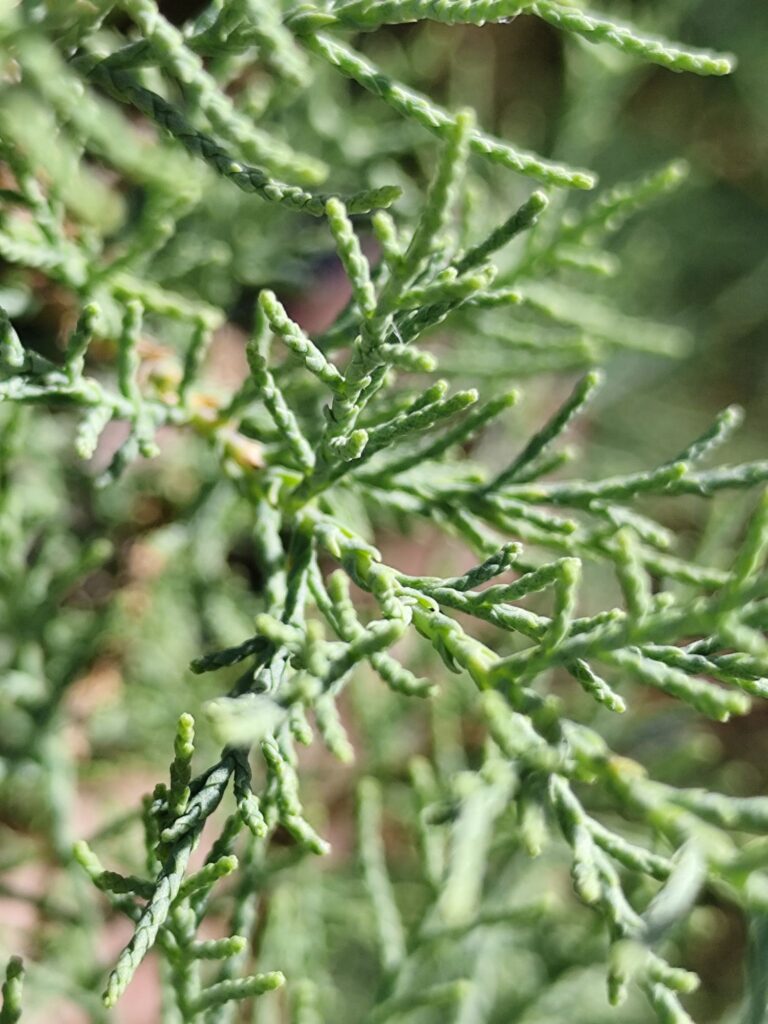
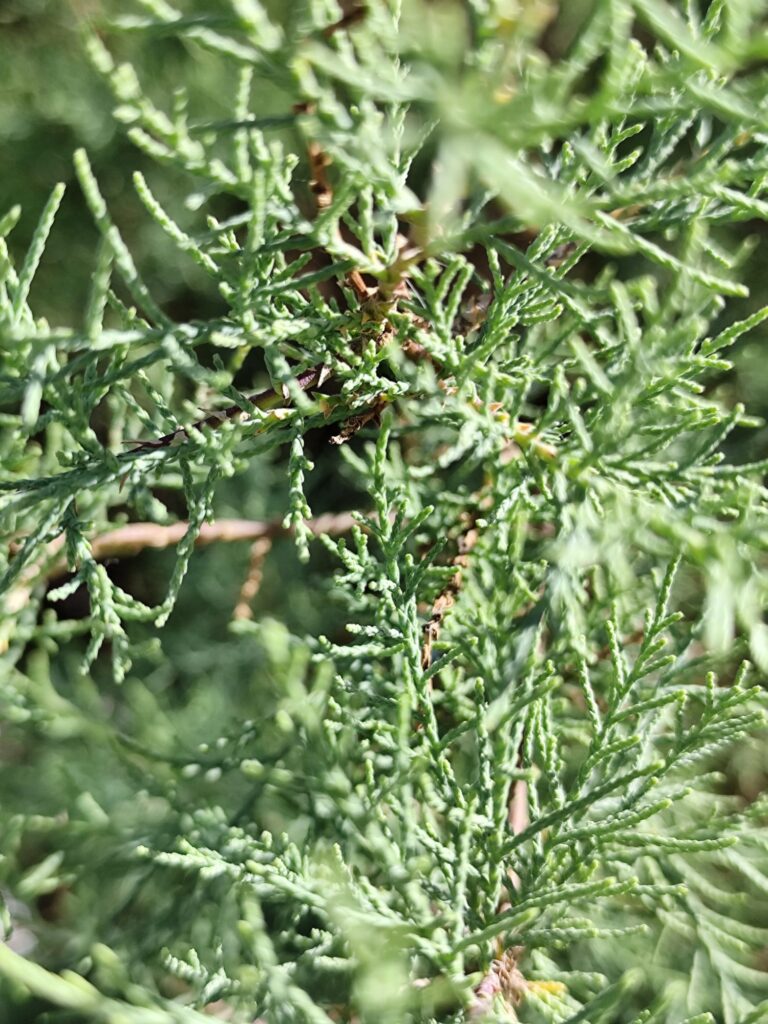
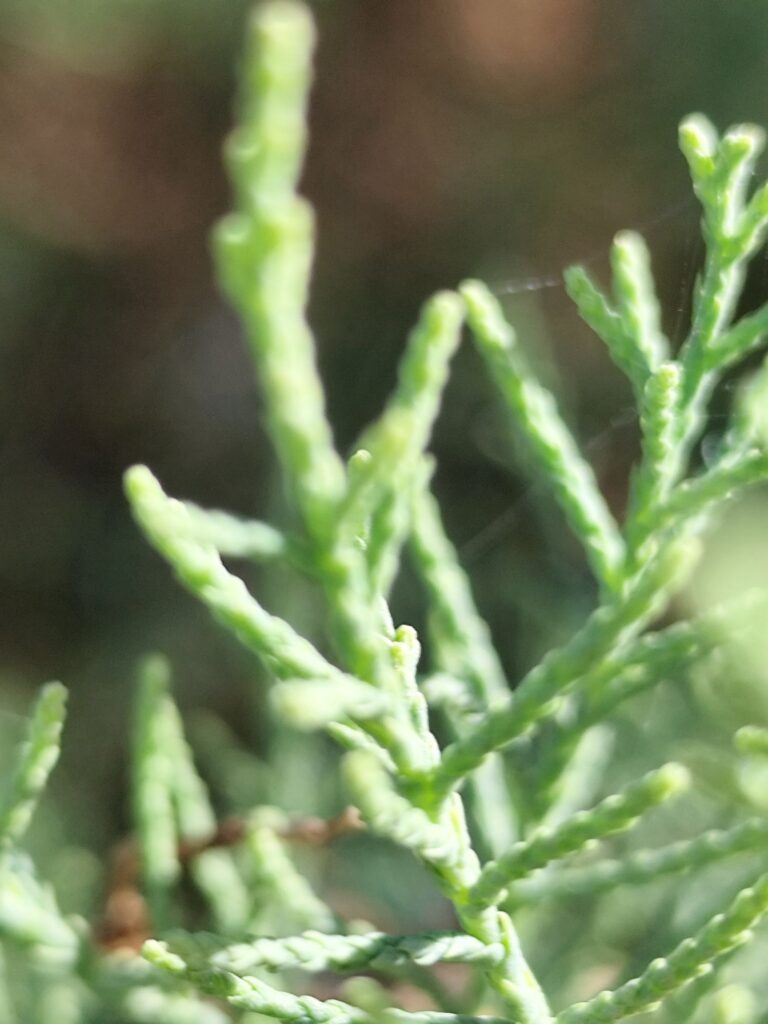
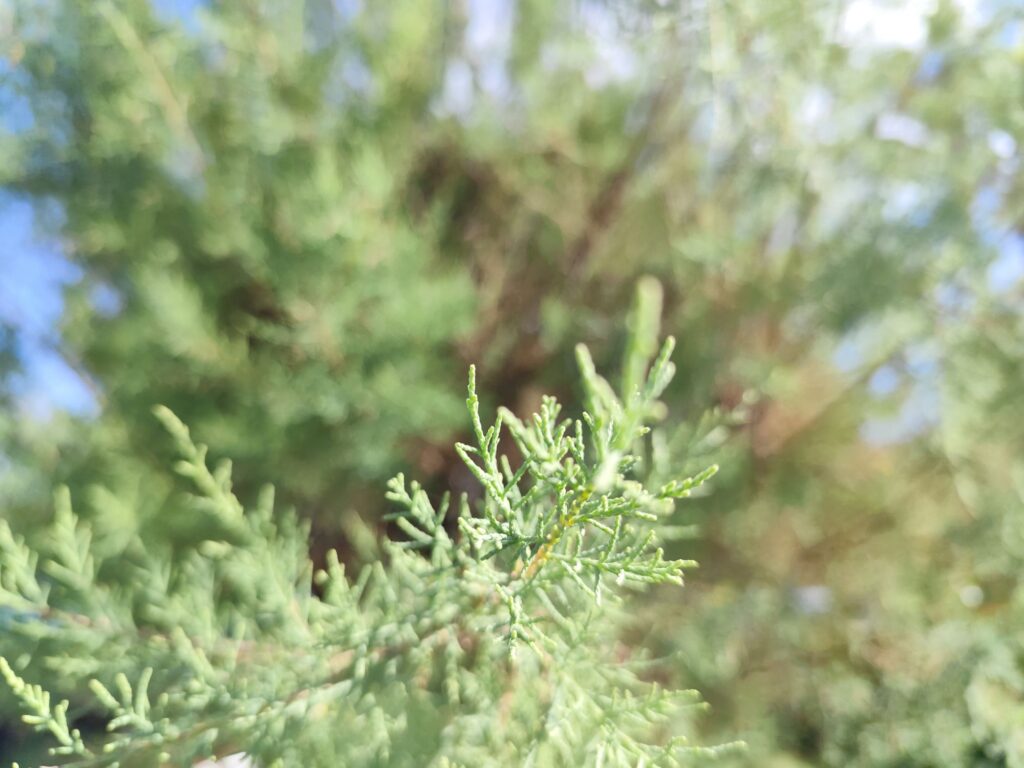
One of its most distinctive features is its fine, scale-like foliage, made up of very small, elongated leaves that resemble those of some conifers. This structure reduces water loss and contributes to its high drought tolerance.
Growth Habit and Size
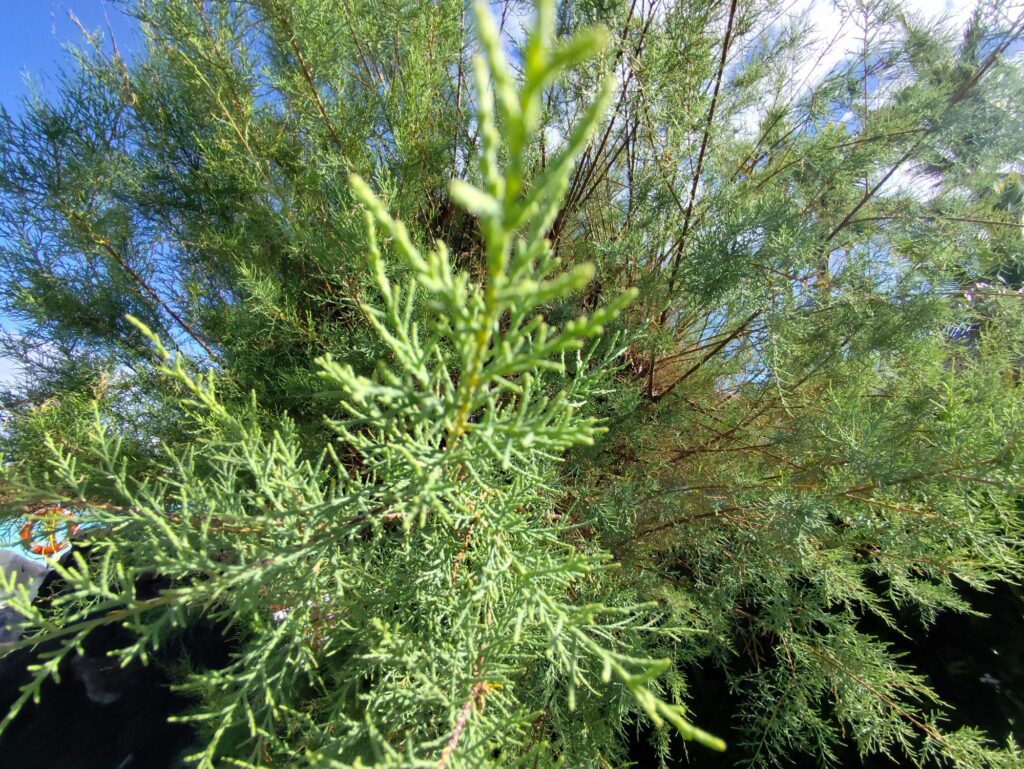
Once established, tamarisk can grow relatively quickly. Depending on the species, it may develop as a dense shrub or as a small tree with an open, light canopy.
Under favorable conditions, some species reach between 5 and 10 meters in height. Its root system is deep and extensive, allowing access to underground moisture layers.
Leaves and Foliage
The leaves of tamarisk are tiny, scale-like or needle-shaped, and arranged alternately along the branches. Their color ranges from light green to bluish-green or slightly grayish.
These leaves are adapted to minimize transpiration, making tamarisk particularly suitable for dry climates and saline soils.
Flowering
Flowering is one of the main ornamental attractions of tamarisk. It produces numerous small flowers, usually pale pink, white, or slightly purplish, grouped in elongated racemes or spikes.
The flowering period varies depending on the species and may occur in spring, summer, or even late winter. During this time, the plant takes on a light, feathery appearance.
Light Requirements
Tamarisk is a sun-loving plant. It grows best in locations with full sun exposure, where growth is more vigorous and flowering more abundant.
Although it can tolerate light shade, insufficient light usually results in less dense growth and reduced flowering.
Watering Needs
Once established, tamarisk shows high drought tolerance. It can survive with very limited water input, making it a common choice for low-water landscaping projects.
During the early stages of growth, more regular watering is required until the root system is fully developed.
Soil and Substrate
Tamarisk is highly adaptable in terms of soil type. It tolerates sandy, rocky, nutrient-poor soils and even those with high salinity.
Good drainage favors its development, although the plant can grow in compacted or low-quality soils where other species fail.
Resistance to Salinity and Wind
One of the most notable qualities of tamarisk is its resistance to both soil and airborne salinity. This adaptation makes it especially suitable for coastal zones and areas exposed to marine aerosols.
Its flexible, branched structure also allows it to withstand strong winds without significant damage.
Pruning and Maintenance
Tamarisk tolerates pruning well, which is mainly used to control size, improve shape, or remove dry branches. Regular pruning can encourage more compact growth.
In natural environments, it generally requires little maintenance once established.
Propagation
Tamarisk can be propagated by seeds or woody cuttings. Both techniques are commonly used in nurseries and environmental restoration projects.
The ease of propagation contributes to its wide distribution across different regions.
Pests and Common Problems
Tamarisk is generally resistant to pests and diseases. However, under certain conditions, some issues may arise.
- Water stress in poorly drained soils
- Occasional insect attacks on young shoots, etc.
- Excessive growth in uncontrolled areas
Ornamental and Landscape Value
In gardening and landscaping, tamarisk is used as an ornamental plant for its delicate flowering and light appearance. It is common in parks, seaside promenades, coastal gardens, and dune restoration projects.
In addition, it serves an important ecological function by stabilizing soils and protecting against erosion.
Toxicity and Safety Notice
Disclaimer: Tamarisk is not an edible plant and is not recommended for medicinal use. The information presented is strictly educational and botanical. Any other use should be evaluated in accordance with local regulations and with appropriate professional advice.