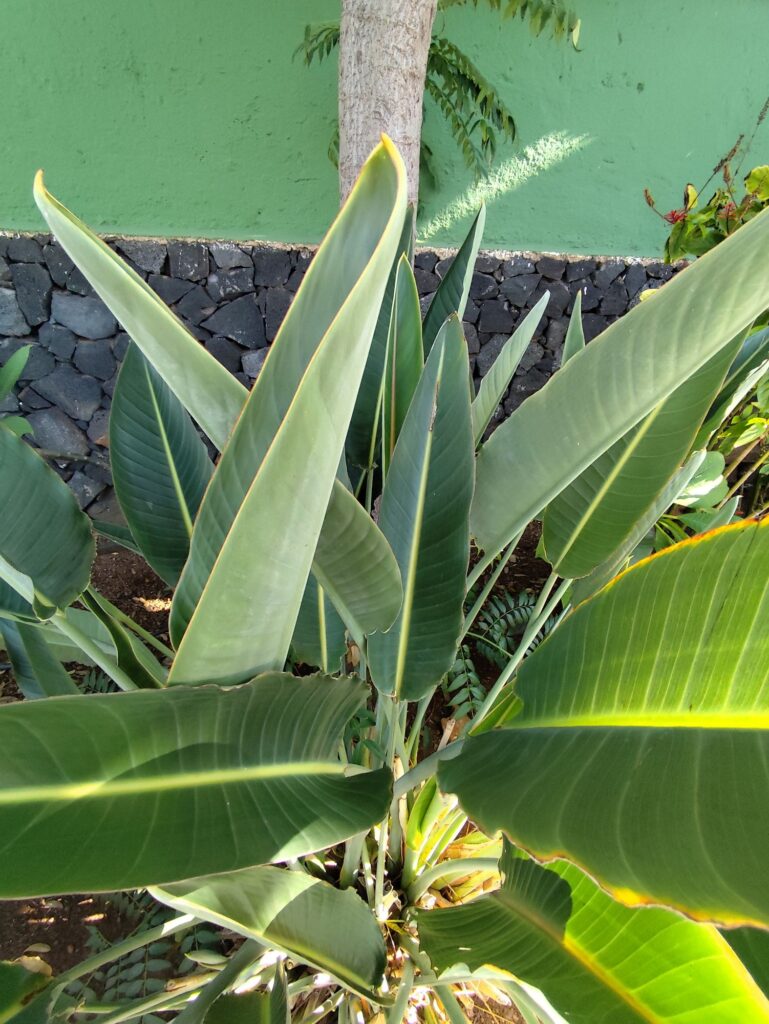
Introduction to Strelitzia
Strelitzia, commonly known as the bird of paradise plant, is a highly appreciated ornamental species due to its lush foliage and exotic, tropical-looking flowers. It belongs to the Strelitziaceae family and is native to southern Africa. Its common name comes from the shape and coloration of its flowers, which resemble a bird in flight.
Today, Strelitzia is cultivated in many regions around the world as an ornamental plant, both in gardens and in bright indoor spaces. This article provides an educational and botanical description of the plant, focusing on its characteristics, growth, and general requirements, without promoting consumption or medicinal use.
Botanical Classification
- Family: Strelitziaceae
- Genus: Strelitzia
- Best-known species: Strelitzia reginae, Strelitzia nicolai, etc.
- Common names: Bird of paradise, ornamental banana plant, etc.
Physical Characteristics
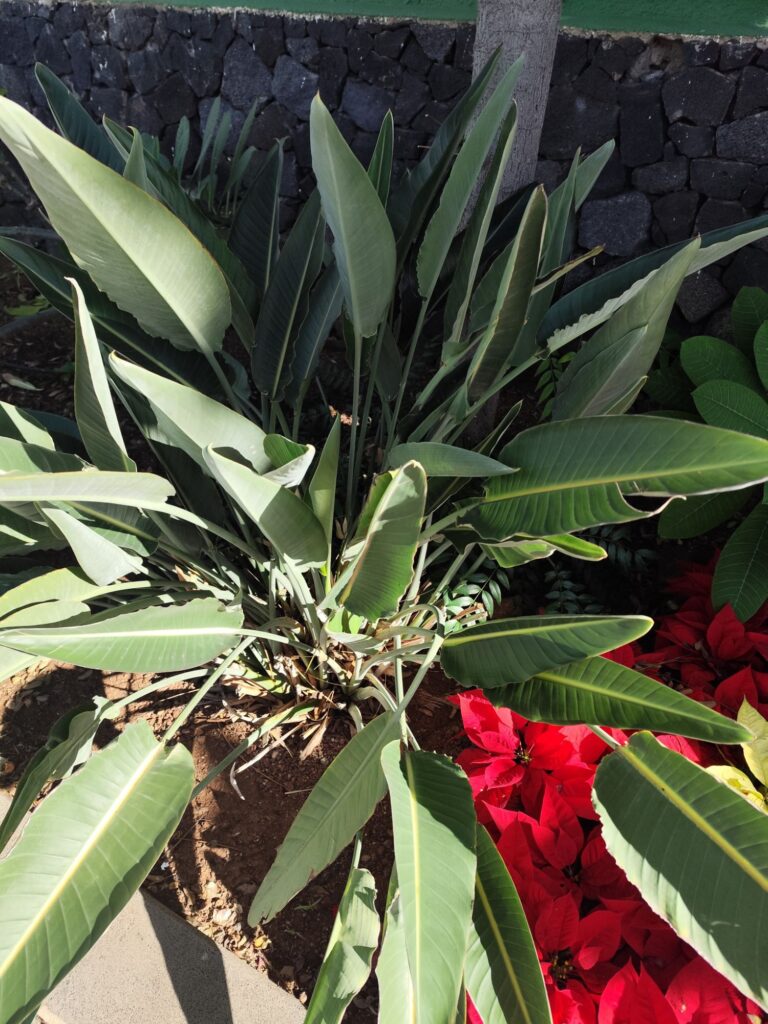
Strelitzia has large, elongated, deep green leaves with a leathery texture. These leaves grow from long petioles and may resemble those of plants in the genus Musa. Over time, it is common for the leaves to develop small natural splits along the edges, a normal trait that does not indicate health issues.
The flowers, which appear on mature and well-established plants, are notable for their vivid colors, typically combining shades of orange, blue, and violet. The floral structure is complex and adapted to bird pollination in its natural habitat.
Growth Habit and Size
The size of Strelitzia varies depending on the species. Some reach moderate dimensions, while others can grow into large plants, especially when cultivated outdoors in suitable climates.
Its growth is gradual and forms dense clumps with multiple stems emerging from the base. Under optimal conditions, the plant can continue developing for many years.
Light Requirements
Strelitzia requires very bright environments to develop properly. Abundant light promotes vigorous foliage and is a key factor for flowering in mature plants.
Horticultural studies show that insufficient light can lead to slow growth and a lack of flowering, especially in indoor-grown specimens.
Watering Needs
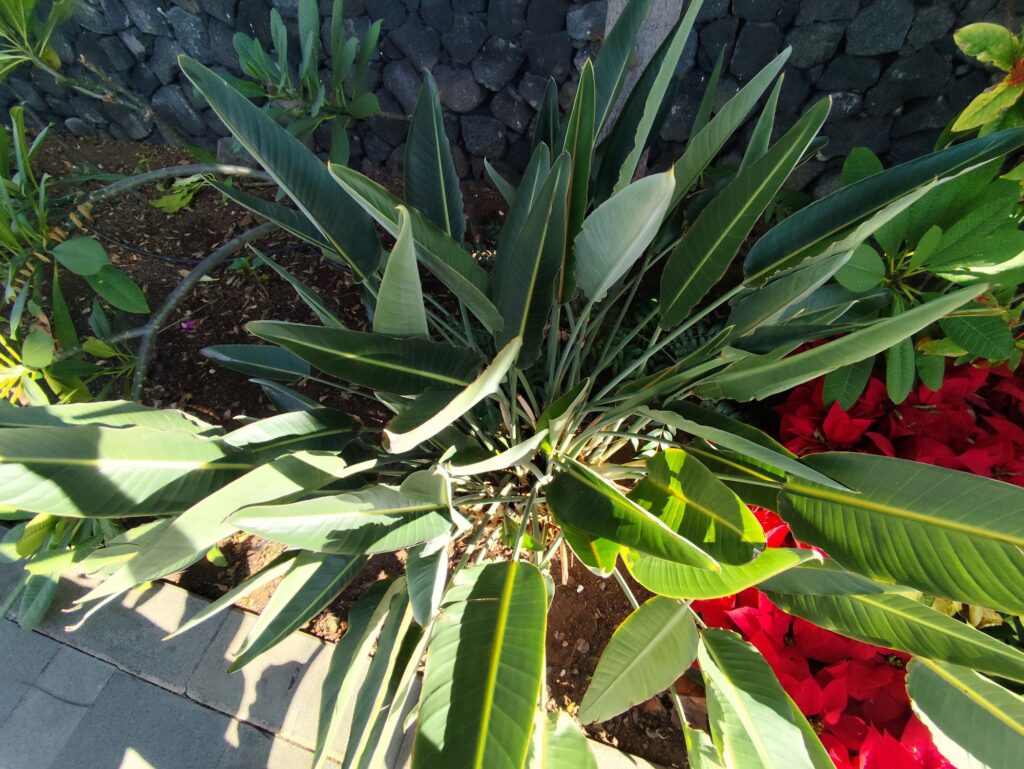
Watering should be regular but controlled. Strelitzia does not tolerate prolonged excess moisture, as it can negatively affect the root system. The substrate should partially dry out between watering sessions.
During periods of reduced vegetative activity, water requirements decrease, making it important to adjust watering frequency according to the season and environmental conditions.
Substrate and Growing Medium
A well-drained substrate rich in organic matter is suitable for Strelitzia growth. Proper soil aeration allows healthy root development and reduces the risk of moisture-related issues.
In ornamental horticulture, soil mixes are used that balance moisture retention and drainage, adapted for container or in-ground cultivation.
Temperature and Climate
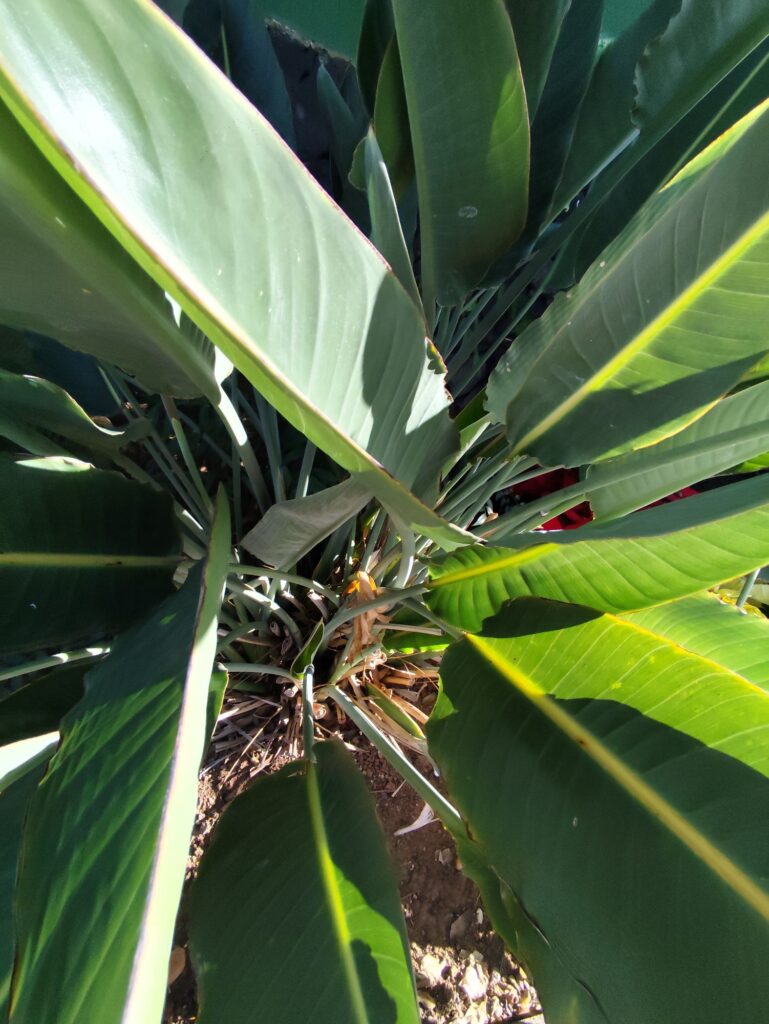
Strelitzia prefers mild to warm temperatures and does not tolerate frost well. In gentle climates, it can be grown outdoors year-round, while in colder regions it is usually kept indoors or in protected spaces.
Thermal stability contributes to steady growth and helps preserve the plant’s ornamental appearance.
Pruning and Maintenance
Maintenance of Strelitzia is relatively simple. Pruning mainly involves removing dry or damaged leaves to improve appearance and encourage airflow.
From a botanical perspective, pruning also allows observation of growth structure and natural foliage renewal.
Propagation
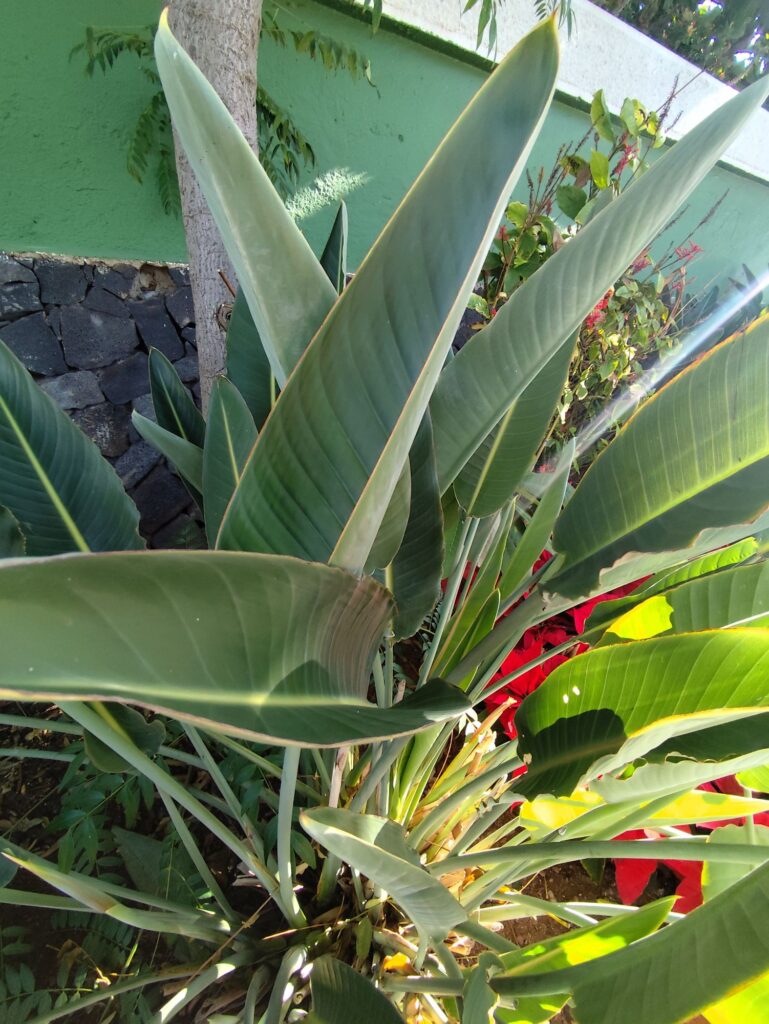
Propagation is mainly carried out by dividing mature clumps. This method allows new plants to be obtained with characteristics similar to the original specimen.
Seed propagation is possible, although it is a slower process and is generally used for botanical or experimental purposes.
Pests and Common Problems
Strelitzia is a resilient plant, but it may be affected by certain factors when growing conditions are not ideal.
- Pests such as scale insects, mites, thrips, etc.
- Yellowing leaves caused by overwatering
- Leaf damage due to drafts or low humidity
Ornamental Value and Use in Gardening
Strelitzia is highly valued in gardening and landscaping for its tropical appearance and its ability to create striking focal points. It is used in gardens, terraces, patios, and public spaces.
In interior plant design, it adds volume and an exotic aesthetic when placed in spacious, well-lit environments.
Toxicity and Safety Notice
Disclaimer: Strelitzia is not an edible plant and is not recommended for medicinal use. Some parts may be toxic if ingested. The information presented is strictly educational and botanical. Keep out of reach of children and pets, and consult specialized sources if any safety concerns arise.