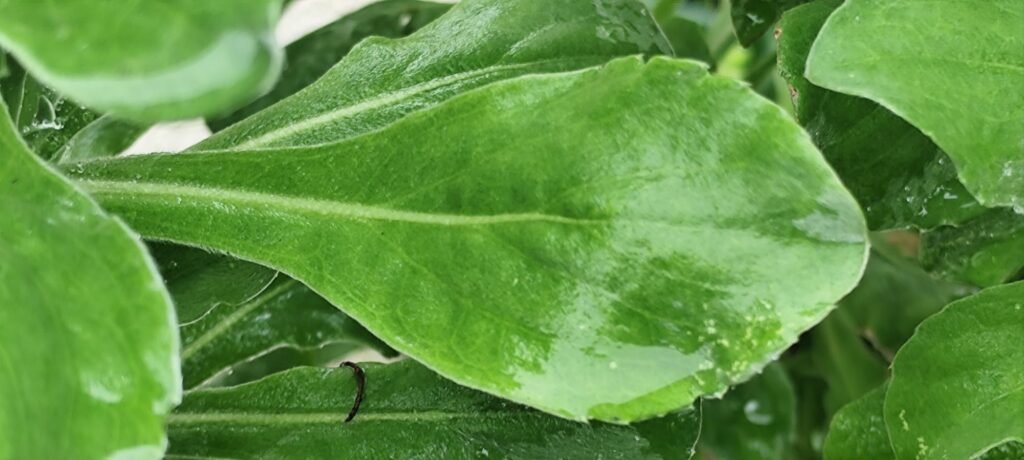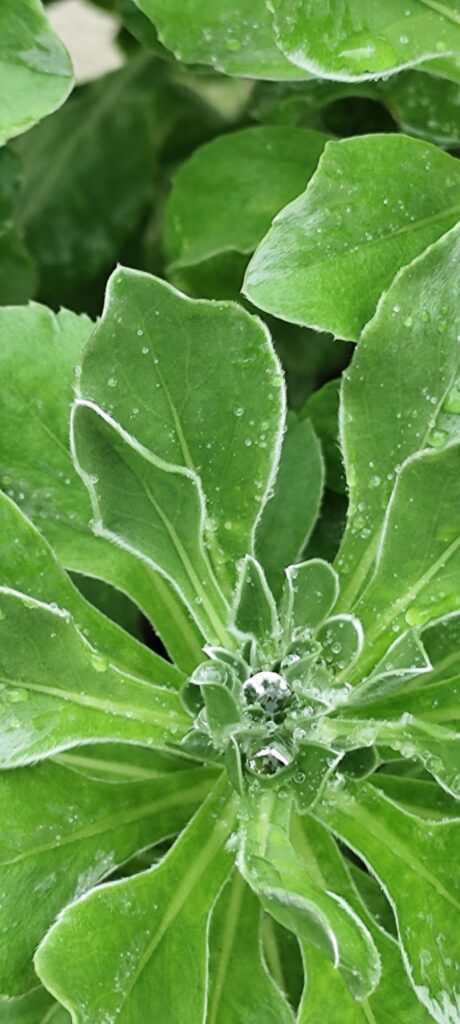
Overview of Sedum telephium
Sedum telephium, commonly known as greater stonecrop and also referred to as Hierba de la Madonna or siempreviva mayor, is a perennial succulent valued for its fleshy leaves, upright growth habit, and late-season flowering. It is widely cultivated in ornamental gardens for its resilience and strong seasonal interest.
This species is especially appreciated in temperate climates where it provides structure and color when many other plants begin to decline.
Natural Origin and Distribution
Sedum telephium is native to Europe and parts of western Asia. It naturally grows in meadows, rocky slopes, forest edges, and open grasslands with well-drained soils.
Due to its adaptability, it has been widely cultivated and naturalized in many temperate regions around the world.
Physical Characteristics
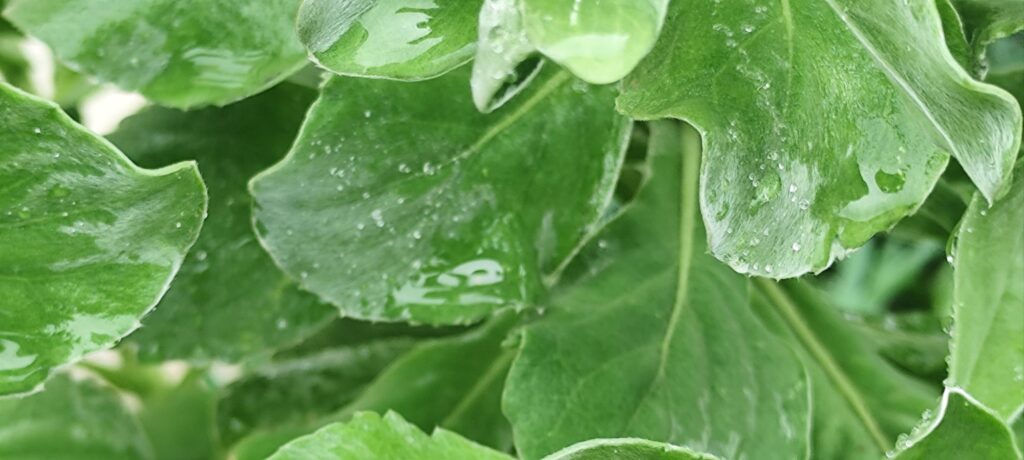
This plant forms upright clumps with thick, fleshy stems and broad, oval to lance-shaped leaves. The leaves are typically green but may show bluish, purplish, or reddish tones depending on variety and sun exposure.
Plants usually reach heights of 40 to 70 centimeters, creating a strong vertical presence in borders and mixed plantings.
Flowers and Seasonal Interest
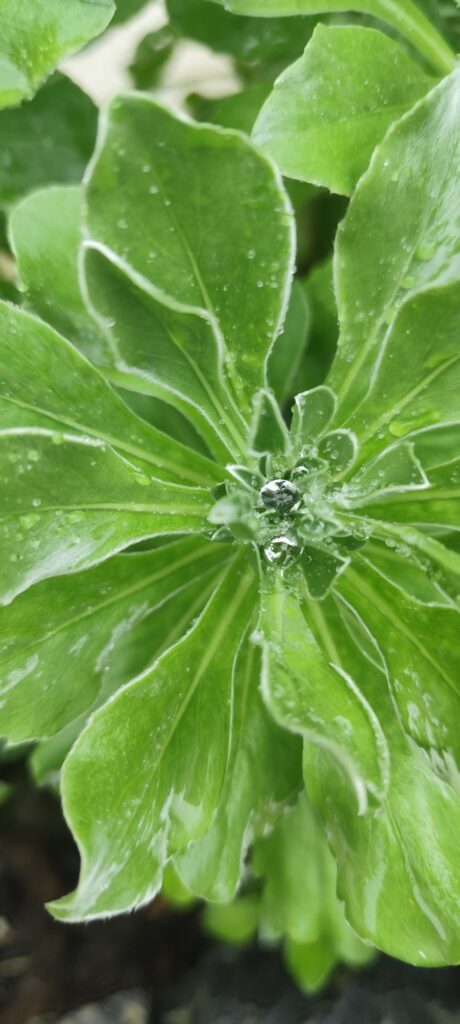
Sedum telephium is known for its late-summer to autumn flowering. The flowers are small and star-shaped, forming large, flat-topped clusters above the foliage.
Flower colors range from pale pink to deep rose and reddish tones. As the flowers age, they often darken, extending ornamental interest into autumn.
Growth Habit and Development
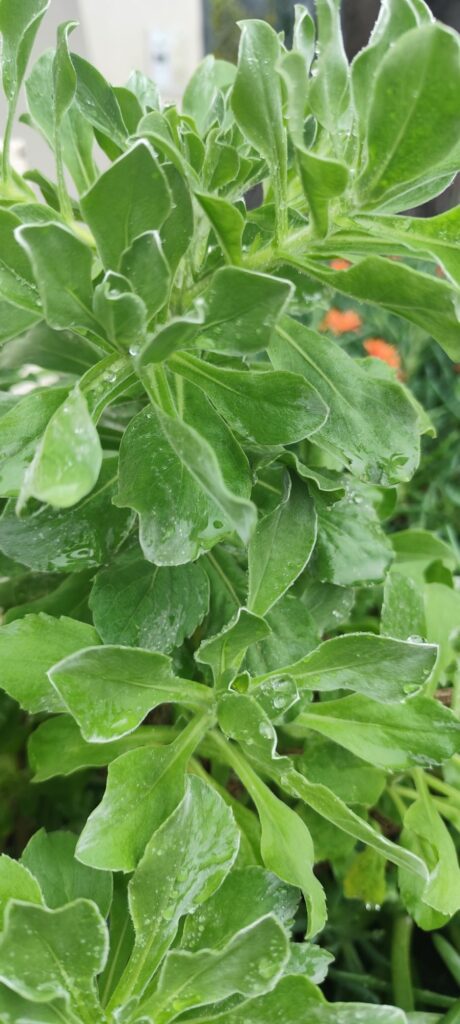
This species has a moderate growth rate and forms dense, long-lived clumps. It dies back in winter and re-emerges in spring from its root system.
Its sturdy stems generally remain upright without support.
Climate and Light Requirements

Sedum telephium thrives in temperate climates and prefers full sun to light partial shade. Full sun promotes compact growth and stronger flowering.
The plant is cold-hardy and tolerates frost well, making it suitable for regions with cold winters.
Soil Preferences
Well-drained soil is essential for healthy growth. Sedum telephium performs best in sandy, rocky, or loamy soils.
It tolerates poor soils and does not require high fertility.
Water Requirements
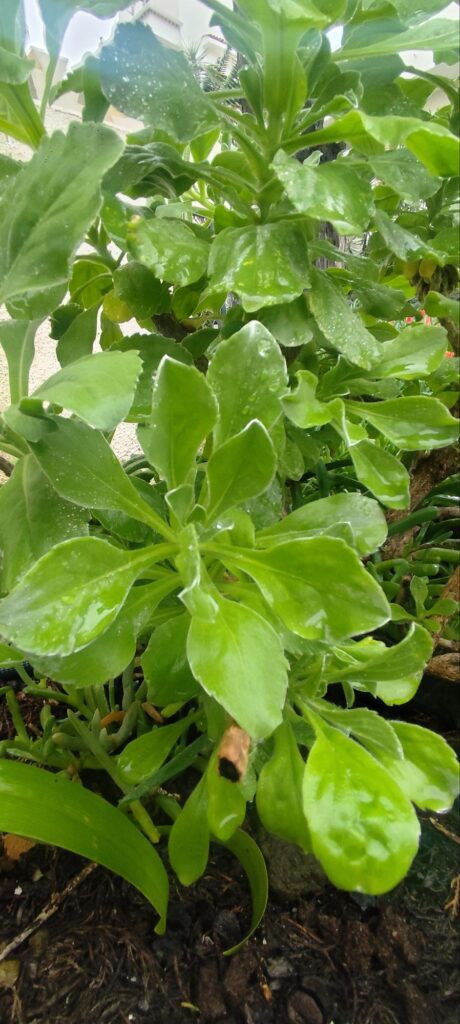
Once established, this plant is drought-tolerant. Watering should be moderate, allowing the soil to dry between watering cycles.
Excessive moisture can lead to weak growth and should be avoided.
Maintenance and Care
This is a low-maintenance perennial. Old flower heads can be left in place for winter interest or removed in late winter or early spring.
Division of clumps every few years helps maintain vigor.
Safety Notice
Sedum telephium is grown strictly for ornamental purposes. It should not be consumed or used for medicinal applications.
Standard gardening care is sufficient when handling the plant.
Uses in Landscaping
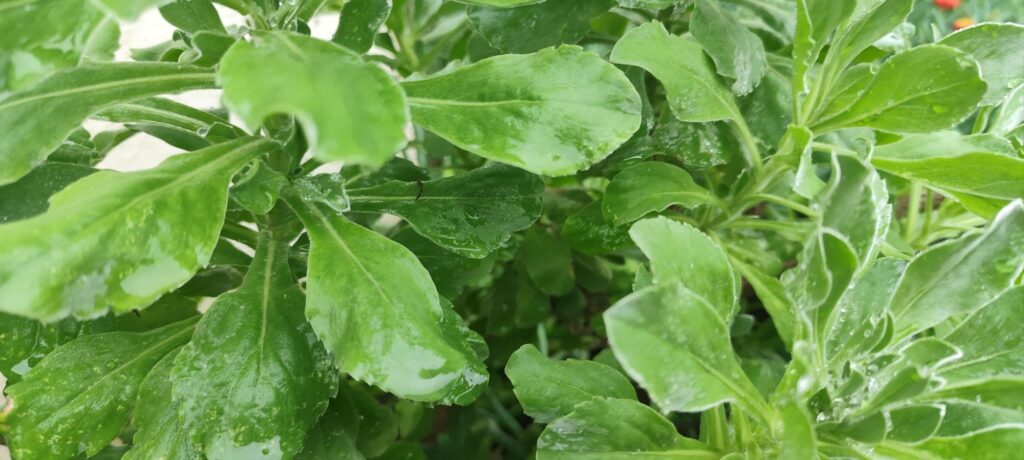
Sedum telephium is widely used in perennial borders, rock gardens, cottage gardens, and pollinator-friendly plantings.
It pairs well with ornamental grasses and other late-season flowering perennials.
Visual and Ecological Value
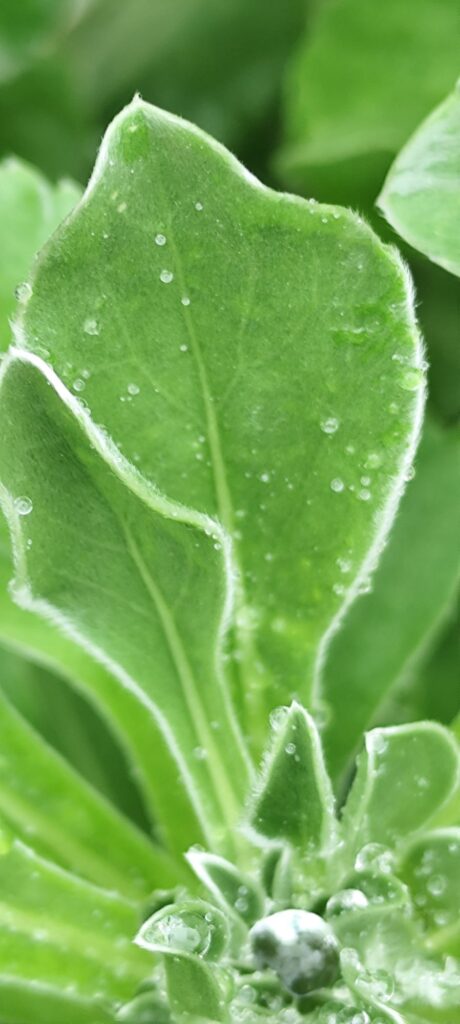
Visually, the plant adds strong structure and late-season color to gardens. Its flower heads remain attractive even after blooming.
The flowers attract pollinating insects, contributing to garden biodiversity.
Suitability for Gardens and Containers
Sedum telephium is ideal for temperate gardens where drought tolerance and seasonal interest are desired.
With full sun, good drainage, and minimal care, it can remain a reliable and long-lived ornamental perennial.