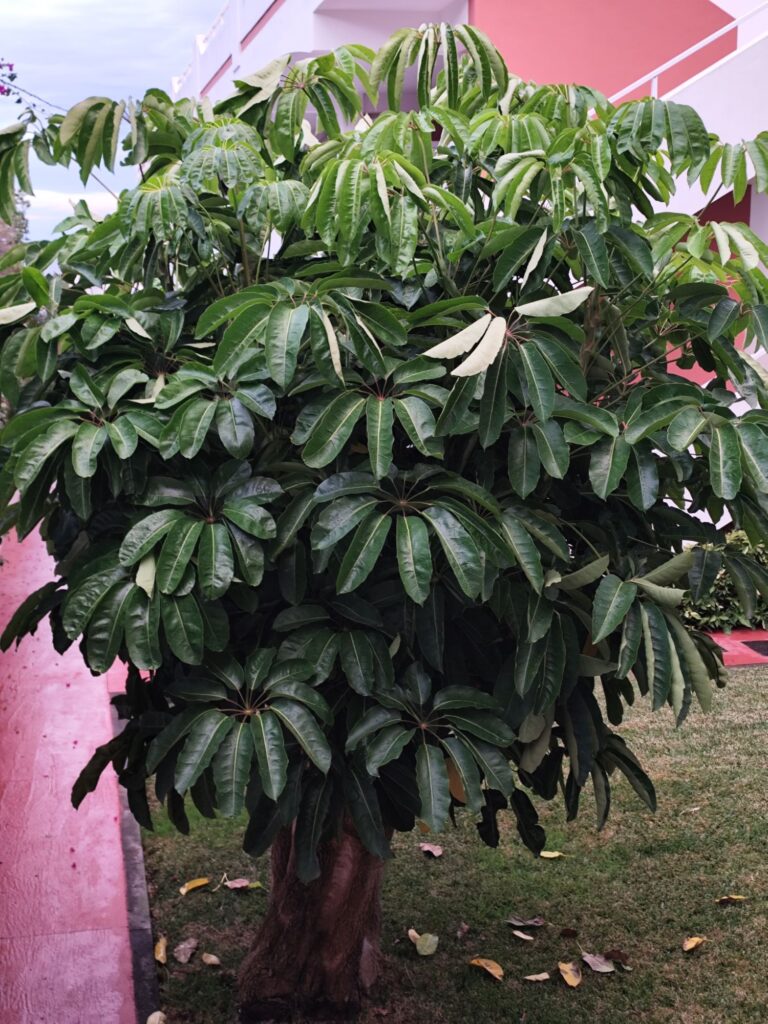
Overview of Schefflera actinophylla
Schefflera actinophylla, commonly known as the umbrella tree, is a large evergreen plant valued for its lush foliage and tropical appearance. It can grow as a shrub or develop into a small to medium-sized tree, depending on climate and space. Its bold, glossy leaves arranged in a radial pattern give the plant a distinctive and decorative look.
This species is widely used in landscaping and as an ornamental plant in warm climates, as well as indoors in suitable conditions. Its adaptability and fast growth have made it popular worldwide.
Natural Habitat and Origin
Schefflera actinophylla is native to northern Australia, New Guinea, and nearby tropical regions. In its natural environment, it grows in rainforests and open woodland edges, often benefiting from warm temperatures and high humidity.
Outside its native range, it has been introduced to many subtropical and tropical regions where it adapts well to gardens, urban landscapes, and coastal areas.
Physical Characteristics
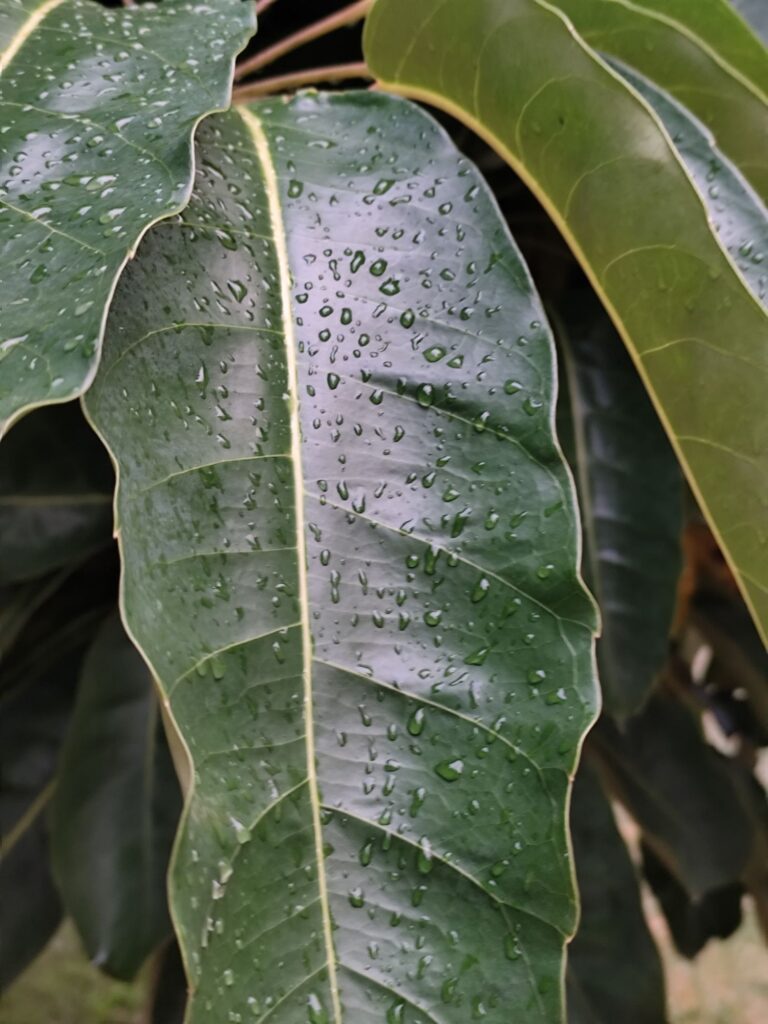
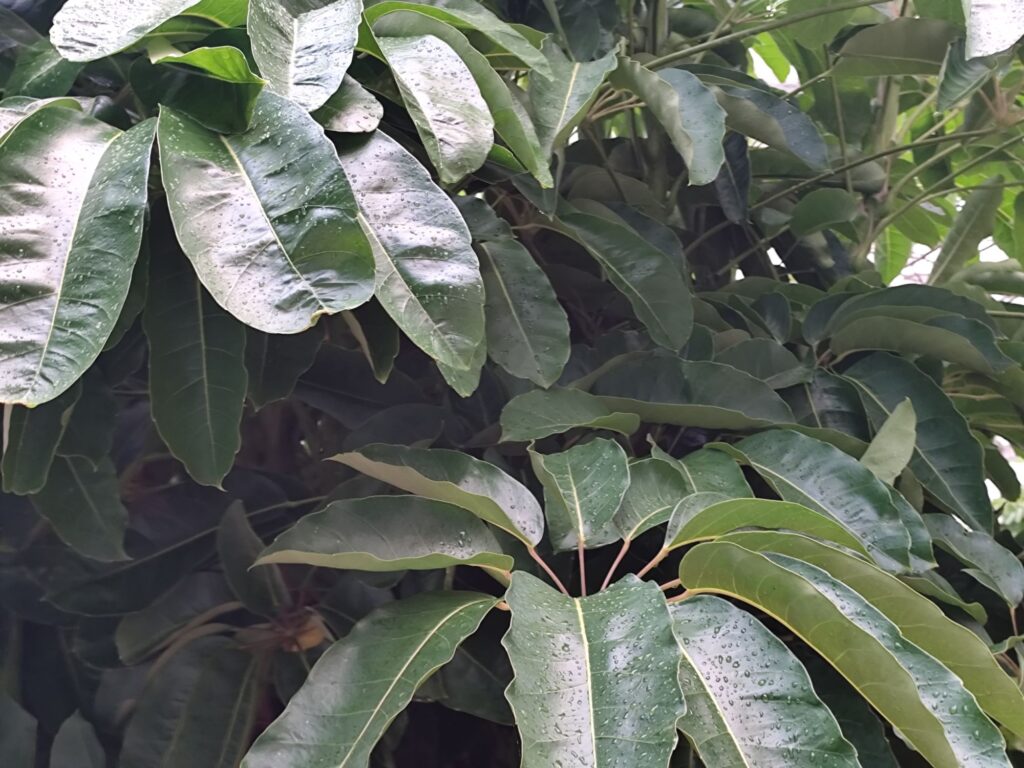
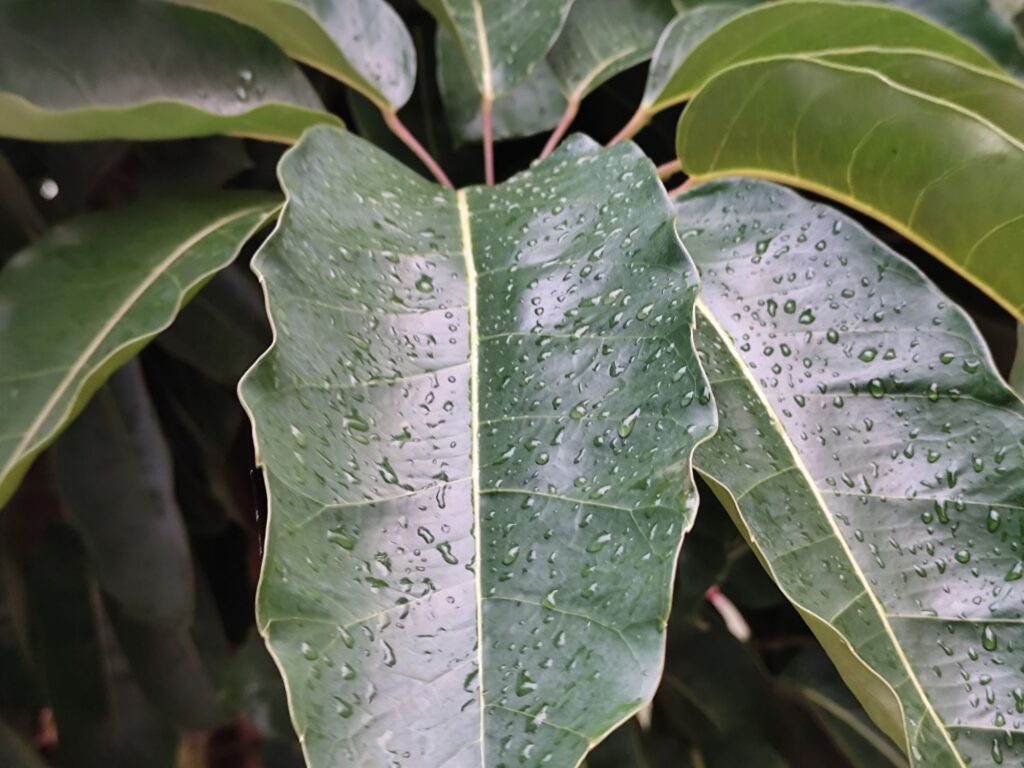
The plant is characterized by large, palmately compound leaves composed of multiple oval leaflets radiating from a central point. The leaves are dark green, glossy, and can reach impressive sizes, contributing to a dense and tropical appearance.
When grown outdoors in suitable climates, Schefflera actinophylla can reach heights of 6 to 12 meters. In containers or indoor environments, its size is usually more controlled.
Flowers and Seasonal Features
Mature plants may produce striking flower structures, especially when grown outdoors. The flowers appear in tall, branched clusters with numerous small red to pinkish blooms, creating a dramatic visual display.
Flowering typically occurs in warm seasons and adds ornamental interest beyond the plant’s foliage, although not all cultivated plants flower regularly.
Growth Habit and Development
Schefflera actinophylla is a fast-growing plant under favorable conditions. It develops a strong central stem and multiple branches, forming a broad canopy over time.
Its vigorous growth makes it suitable for filling large spaces, but it may require pruning to manage size and shape, particularly in gardens or near buildings.
Climate and Light Requirements
This species thrives in warm climates and prefers bright, indirect light or partial sun. In outdoor settings, it performs well in full sun to light shade, depending on temperature and humidity.
It is sensitive to cold and does not tolerate frost well. In cooler regions, it is best grown in containers that can be protected during colder months.
Soil and Water Needs
Schefflera actinophylla prefers well-drained, fertile soil. It adapts to various soil types, provided excess water can drain away from the roots.
Regular watering supports healthy growth, especially during warm periods. The soil should be kept moderately moist but not waterlogged, as prolonged excess moisture can affect root health.
Maintenance and Care
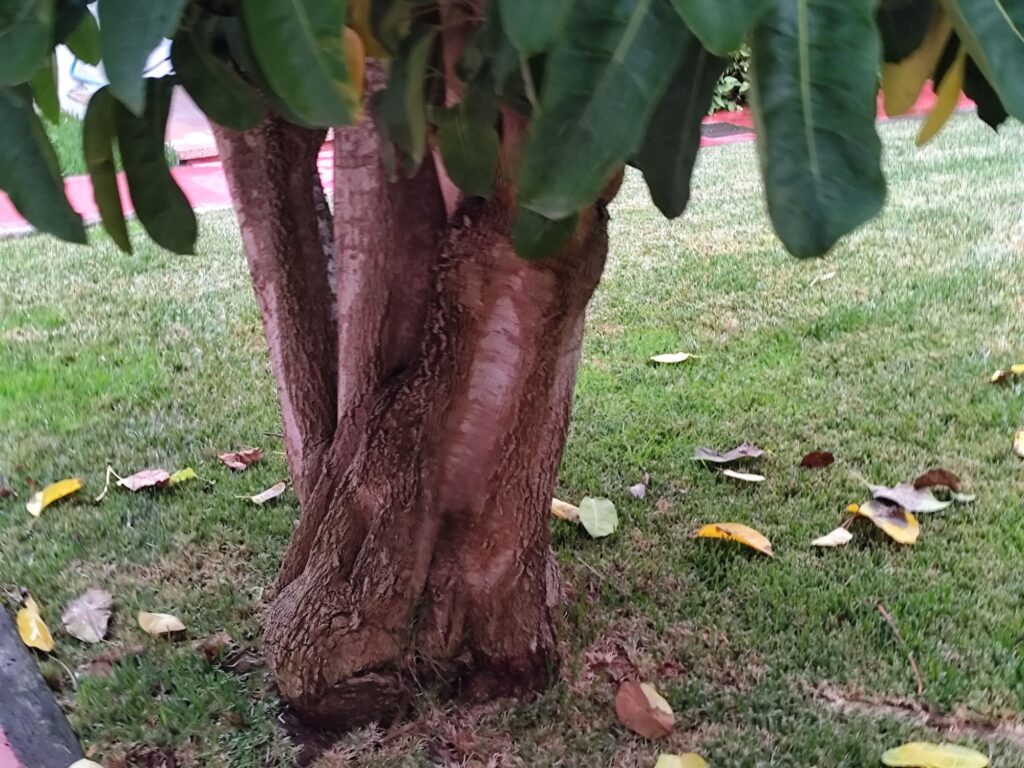
This plant is relatively easy to maintain. Pruning can be done to control size, encourage branching, and maintain a balanced shape. Pruning is best performed during the growing season.
Occasional feeding during active growth may support vigorous foliage, though the plant generally performs well without frequent fertilization.
Uses in Landscaping
Schefflera actinophylla is widely used in landscaping for its tropical appearance and fast growth. It works well as a feature plant, background tree, or shade provider in large gardens and parks.
It is also commonly used in urban landscaping and spacious interiors, where it adds greenery and visual impact.
Visual and Environmental Value
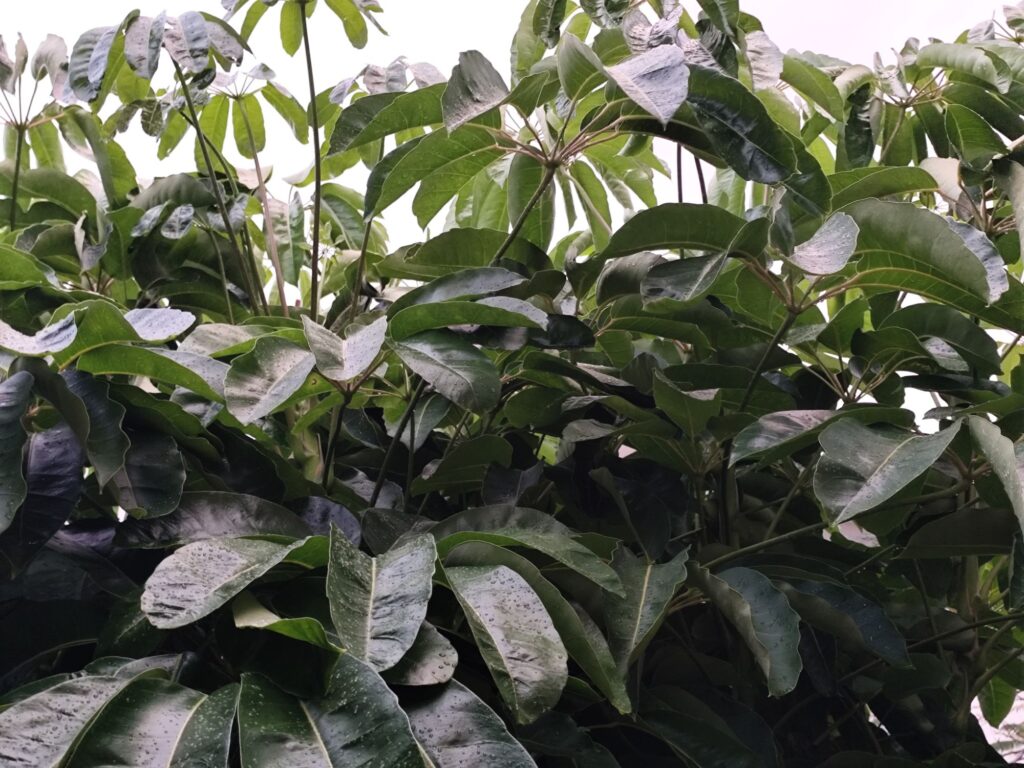
The dense foliage of Schefflera actinophylla contributes to shade and creates a lush atmosphere in outdoor spaces. Its flowers can attract pollinators in suitable environments.
Visually, the plant brings a strong tropical character to landscapes, making it a popular choice for designs that aim to create a green and vibrant setting.
Suitability for Home Gardens
For home gardens in warm climates, Schefflera actinophylla can be an excellent choice if sufficient space is available. It is best planted where its size can be accommodated without frequent heavy pruning.
With proper placement and basic care, this plant can become a long-lasting and impressive element in both private and public gardens.