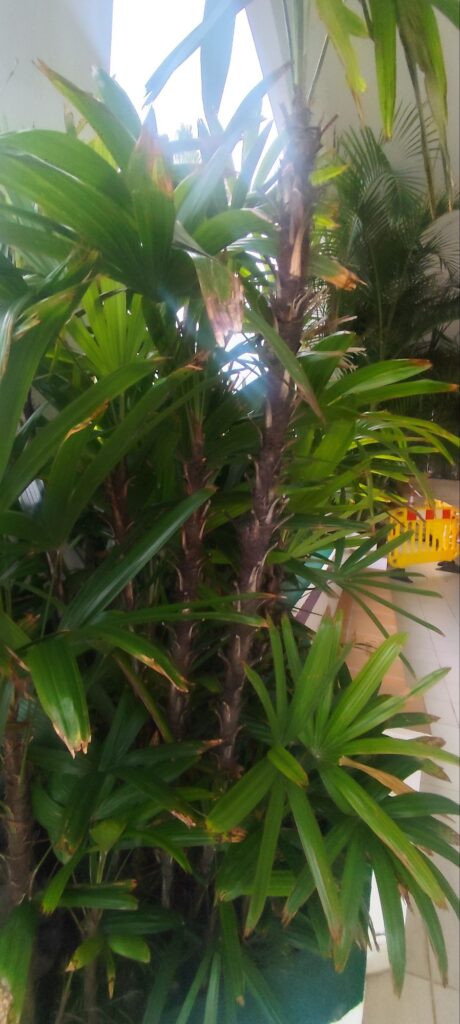
Overview of Rhapis excelsa
Rhapis excelsa, commonly known as the Chinese palm or lady palm, is a clumping, evergreen palm admired for its elegant fan-shaped leaves and excellent tolerance of shade. It is widely grown as an indoor plant and as a landscape palm in warm, sheltered outdoor settings.
This species is valued for its refined appearance, slow growth, and suitability for low-light environments.
Natural Origin and Distribution
Rhapis excelsa is believed to originate from southern China and parts of Southeast Asia. In nature, it grows as an understory palm in forests where light is filtered and humidity is relatively high.
Its adaptability has made it a popular ornamental palm worldwide.
Physical Characteristics
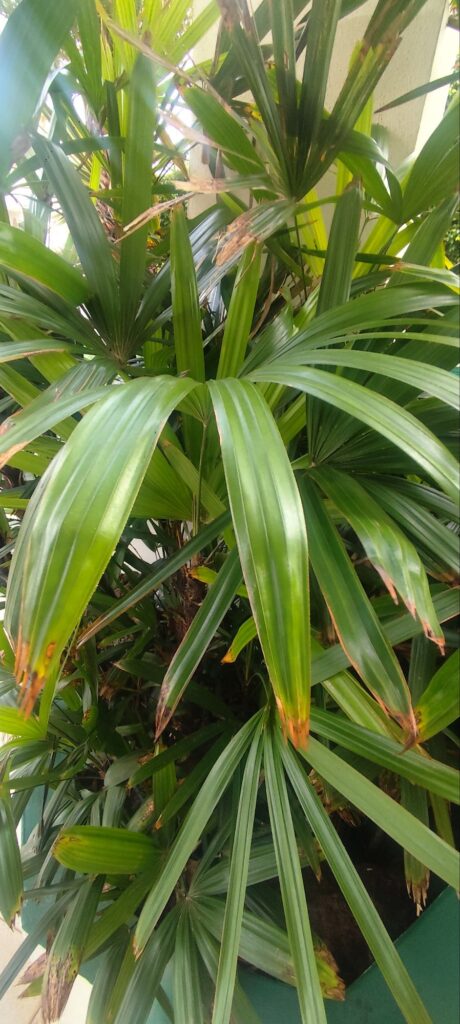
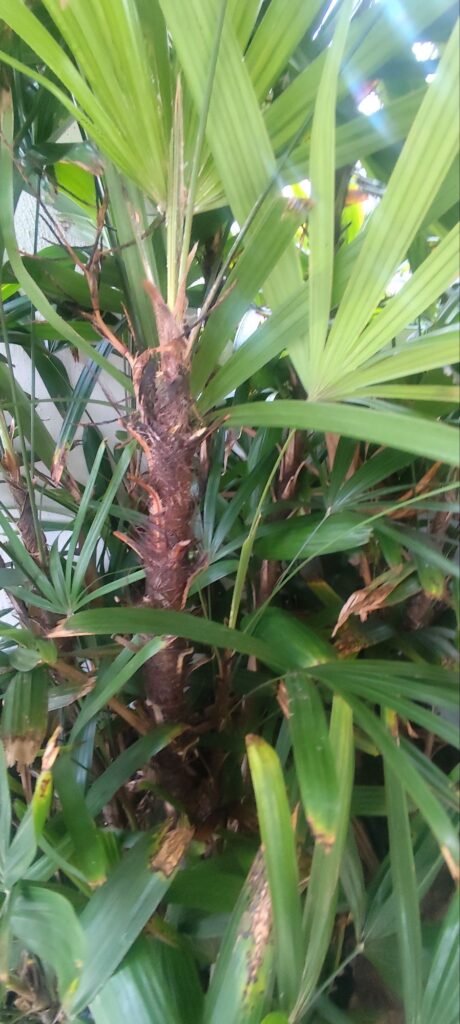
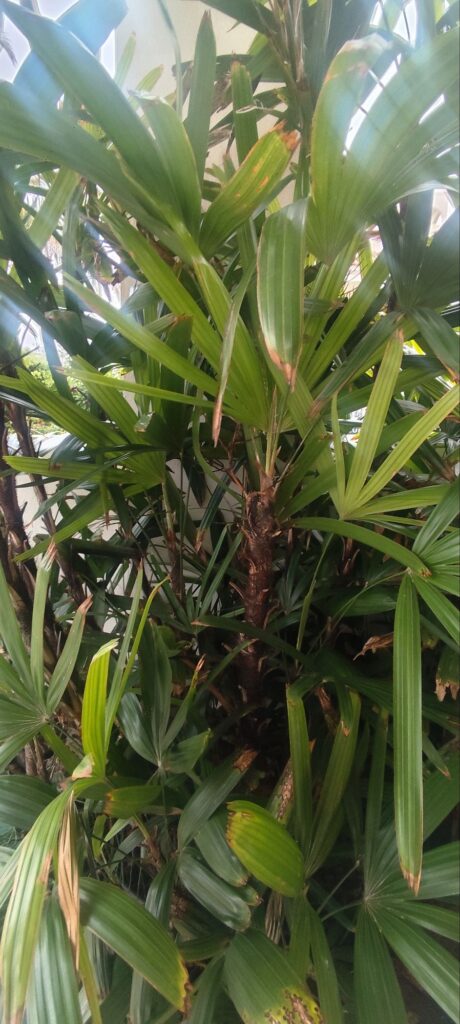
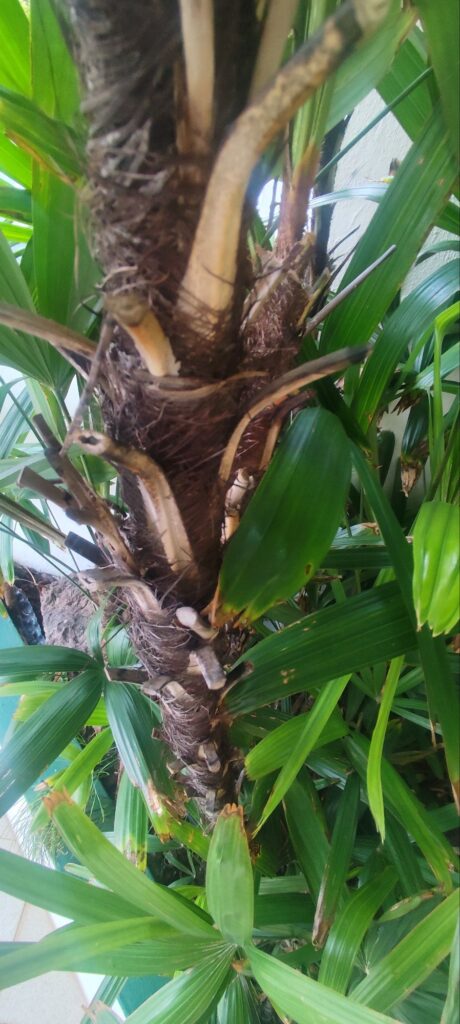
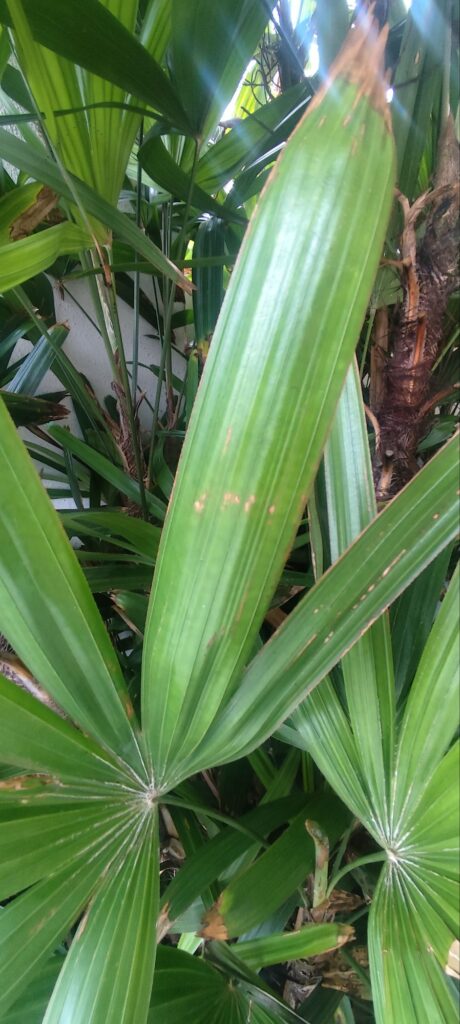
This palm forms dense clumps of slender, cane-like stems covered with fibrous leaf bases. The leaves are palmate (fan-shaped), divided into narrow segments, and deep green in color.
When grown outdoors, it typically reaches heights of 2 to 4 meters. In containers or indoor conditions, it remains more compact.
Growth Habit and Development
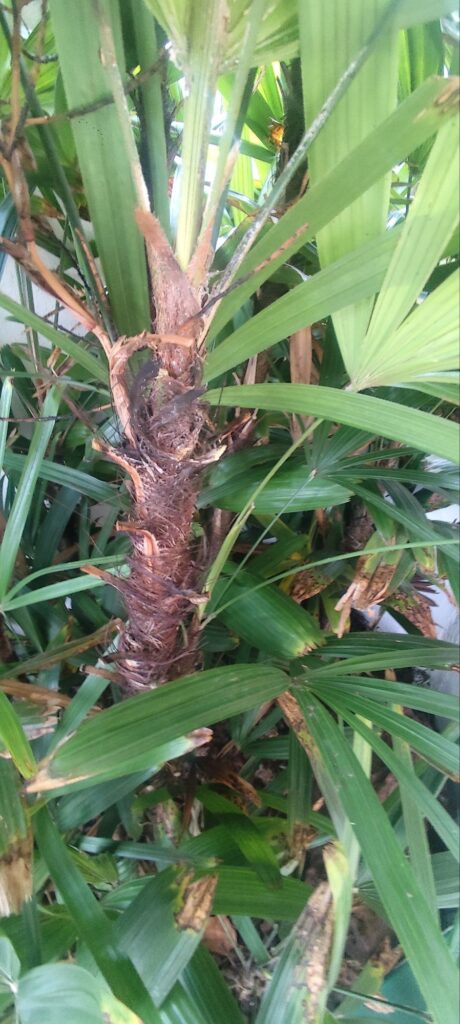
Rhapis excelsa has a slow growth rate and gradually produces new shoots from the base, forming a dense, multi-stemmed clump.
Its non-invasive growth habit makes it easy to manage in both gardens and containers.
Climate and Light Requirements
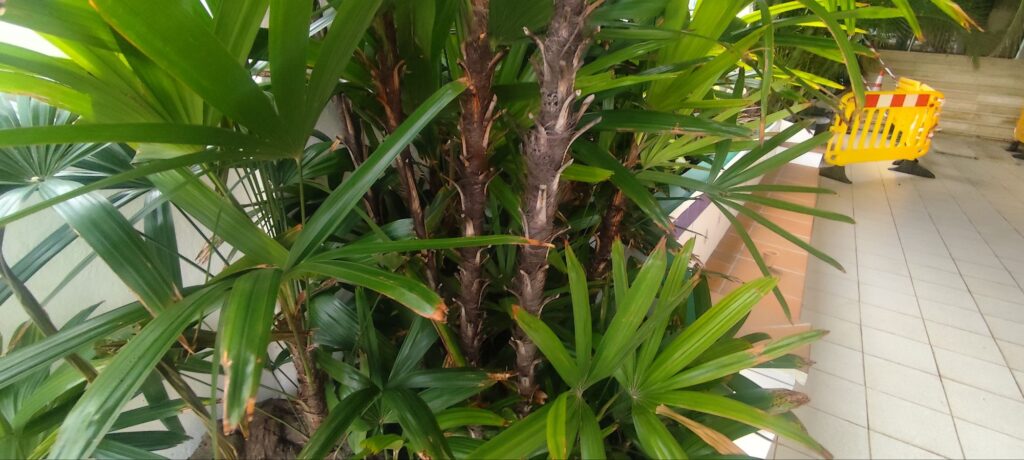
This palm thrives in warm climates and prefers partial shade to bright, indirect light. It tolerates low-light conditions better than most palms.
It is sensitive to strong direct sun, which may scorch the leaves, and to frost, which can damage foliage.
Soil Preferences
Well-drained soil is essential. Rhapis excelsa performs best in loose, organic-rich substrates that retain some moisture without becoming waterlogged.
Good aeration around the roots supports healthy growth.
Water Requirements
Regular watering is recommended, keeping the soil evenly moist but not saturated.
Allowing the top layer of soil to dry slightly between waterings helps prevent root issues.
Maintenance and Care
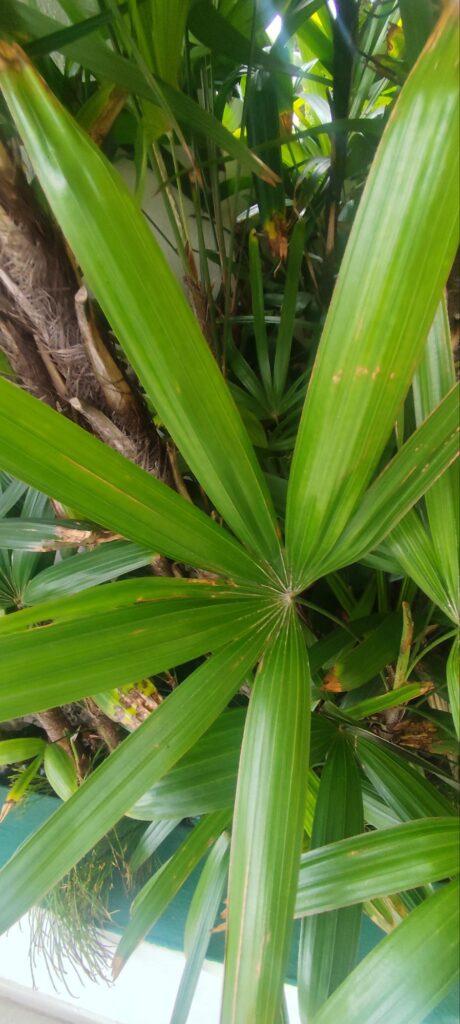
This is a low-maintenance palm. Old or damaged leaves can be removed to maintain a neat appearance.
It benefits from stable temperatures and protection from cold drafts, especially indoors.
Safety Notice
Rhapis excelsa is grown strictly for ornamental purposes. It should not be consumed or used for medicinal applications.
Standard gardening care is sufficient when handling the plant.
Uses in Landscaping and Interior Design
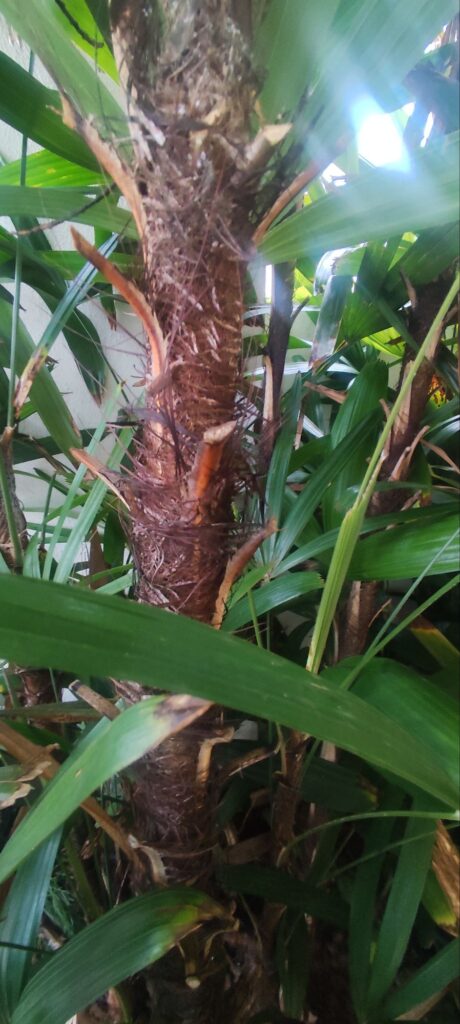
This palm is widely used in interior decoration, offices, hotels, and shaded patios. Outdoors, it is suitable for courtyards and sheltered gardens in warm climates.
Its elegant form makes it effective as a standalone specimen or in grouped plantings.
Visual and Environmental Value
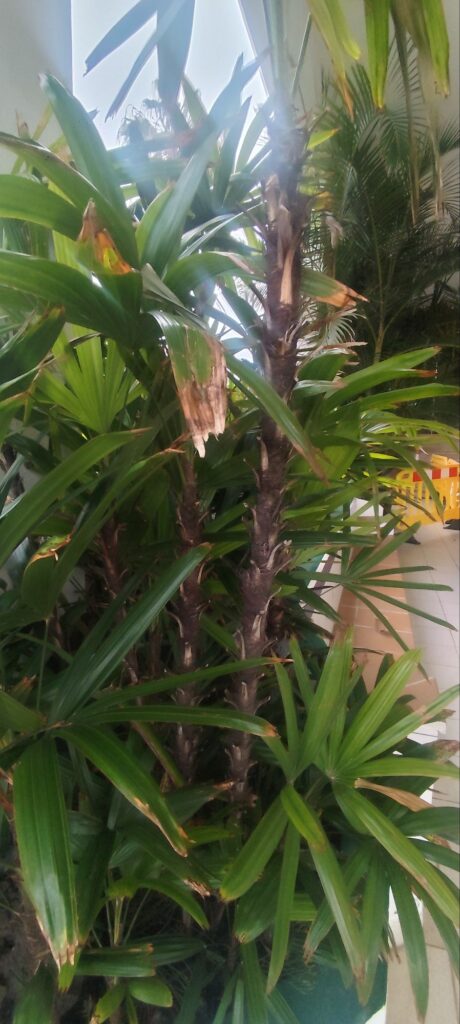
Visually, the Chinese palm adds a calm, refined tropical feel with clean lines and soft texture.
Its shade tolerance supports planting in areas where other palms struggle.
Suitability for Indoor and Outdoor Spaces
Rhapis excelsa is ideal for indoor cultivation and for shaded outdoor areas in frost-free regions.
With indirect light, consistent moisture, and good drainage, it can remain a long-lived and highly decorative palm.