Overview of Polaskia chichipe
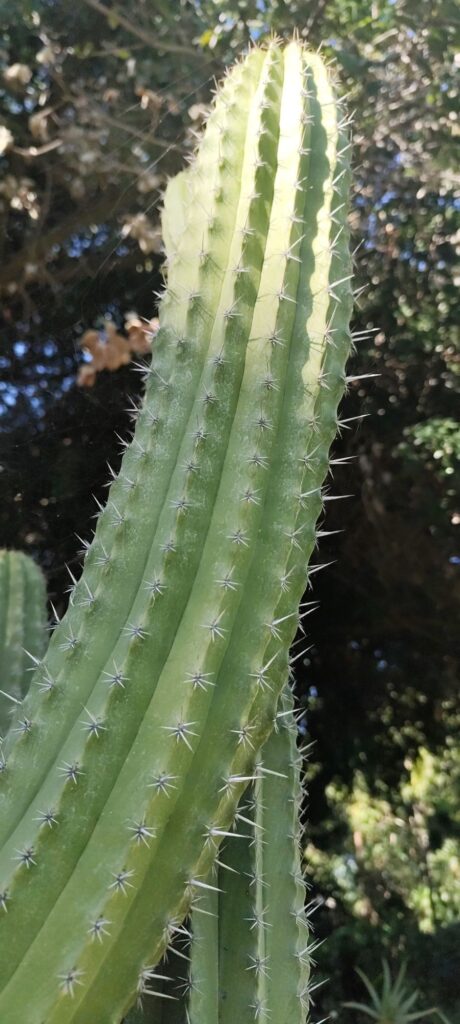
Polaskia chichipe is a highly branched cactus species belonging to the family Cactaceae. It is known for its upright, tree-like growth habit, clearly defined ribs, and distinctive gray spines with dark tips. This cactus develops a strong architectural presence and is well adapted to arid and semi-arid environments.
The species is appreciated both in natural landscapes and in cultivation for its sculptural form and resilience.
Natural Origin and Distribution
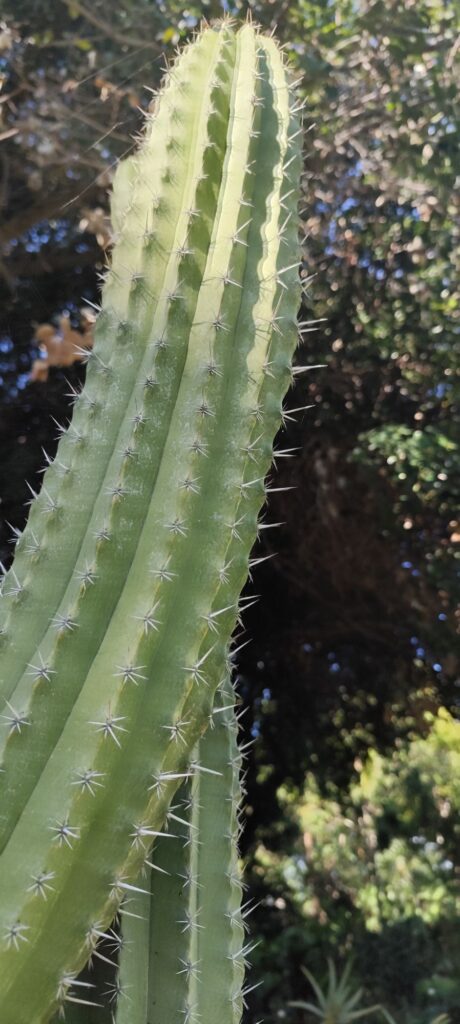
Polaskia chichipe is native to Mexico, where it grows in dry regions characterized by rocky terrain, strong sunlight, and limited rainfall. It is commonly found in arid valleys and slopes where drainage is excellent.
Its natural adaptation to harsh conditions makes it well suited to warm, dry climates outside its native range.
Physical Characteristics
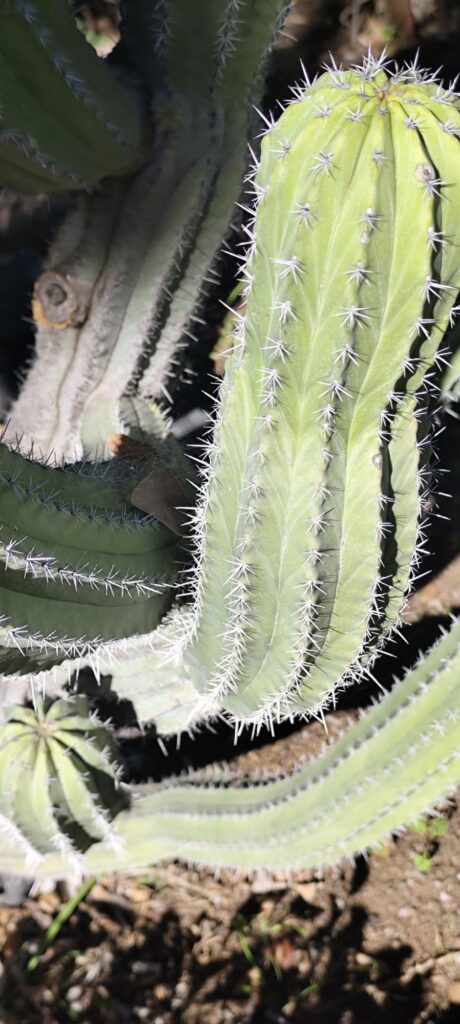
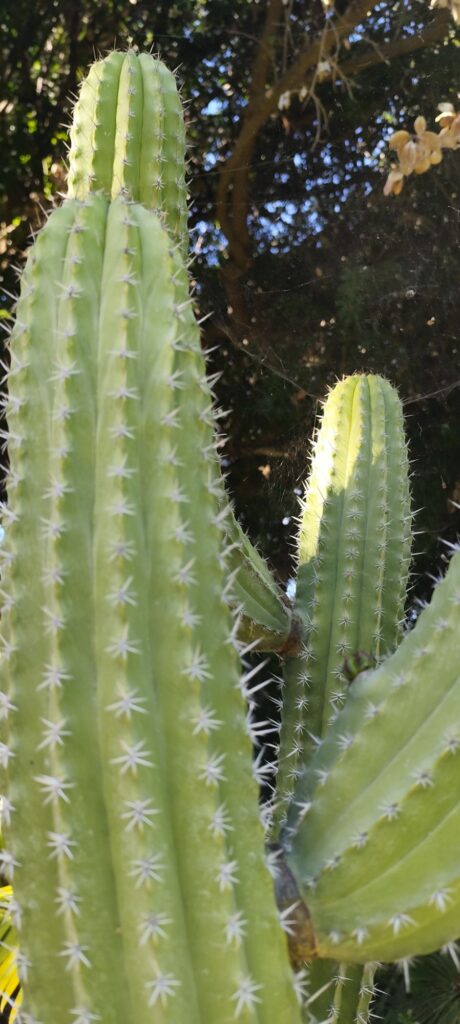
This cactus grows as a columnar, tree-like plant that branches extensively from the base or upper stems. Over time, it can form a dense, candelabra-shaped structure.
The stems have well-defined vertical ribs, typically bearing clusters of gray spines with black or dark-colored tips. These spines provide both protection and visual contrast against the green stem surface.
Growth Habit and Development
Polaskia chichipe has a moderate growth rate compared to many columnar cacti. As it matures, branching increases, giving the plant its characteristic multi-stemmed appearance.
In favorable outdoor conditions, it can reach several meters in height over many years.
Climate and Light Requirements
This species thrives in warm, sunny climates and requires full sun for healthy growth and strong spine development.
It is sensitive to prolonged frost and is best suited to frost-free regions or locations with only occasional, light cold exposure.
Soil Preferences
Excellent drainage is essential. Polaskia chichipe performs best in sandy, rocky, or mineral-based soils that allow water to drain quickly.
Heavy or water-retentive soils should be avoided, as excess moisture can damage the root system.
Water Requirements
Watering should be infrequent and controlled. During the growing season, occasional deep watering is sufficient, allowing the soil to dry completely between waterings.
In cooler periods, watering should be reduced significantly to prevent moisture-related problems.
Maintenance and Care

This cactus is very low-maintenance when grown in suitable conditions. It does not require pruning, although damaged or diseased stems can be removed if necessary.
Handling should be done carefully due to the presence of sharp spines.
Safety Notice
Polaskia chichipe is grown strictly for ornamental and botanical purposes. It should not be consumed or used for medicinal applications.
Its spines can cause injury, so placement away from walkways and high-traffic areas is recommended.
Uses in Landscaping
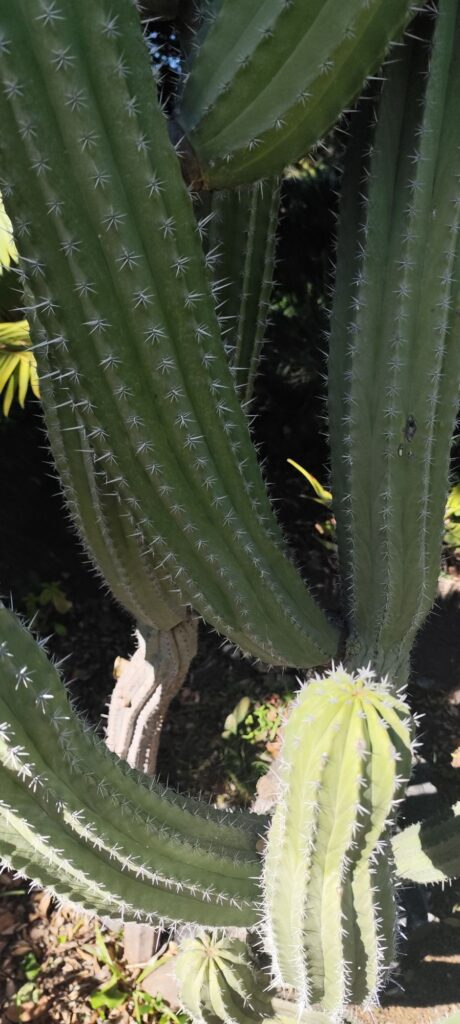
This species is used as a focal plant in dry gardens, desert landscapes, and cactus collections. Its branching form makes it especially striking as a standalone specimen.
It is also suitable for large containers in warm climates, provided drainage is excellent.
Visual and Environmental Value
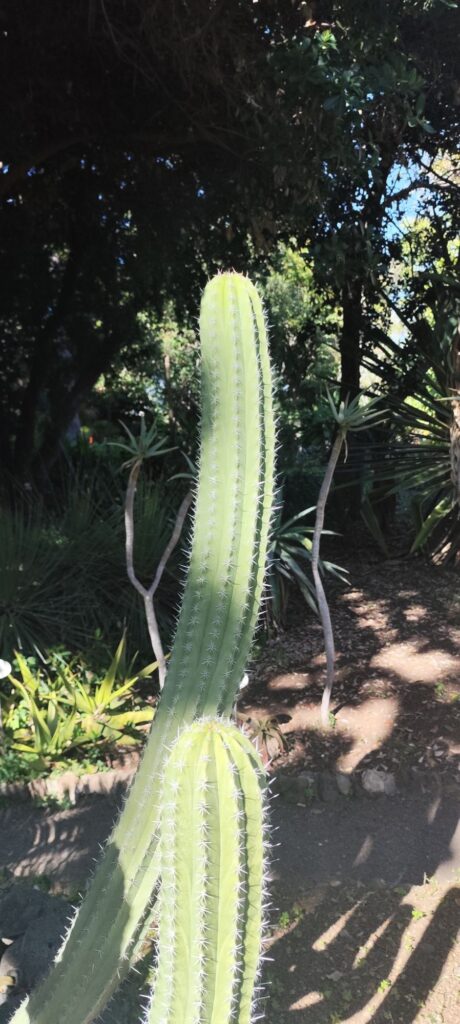
Visually, Polaskia chichipe adds height, structure, and a strong sculptural element to landscapes. Its ribbed stems and contrasting spines enhance its ornamental appeal.
Environmentally, it supports low-water landscaping and sustainable garden design in arid regions.
Suitability for Gardens and Collections
Polaskia chichipe is ideal for gardens in warm, dry climates and for collectors seeking large, architectural cacti.
With full sun, minimal watering, and excellent drainage, it can become a long-lived and impressive feature in outdoor landscapes.