Overview of Plectranthus scutellarioides
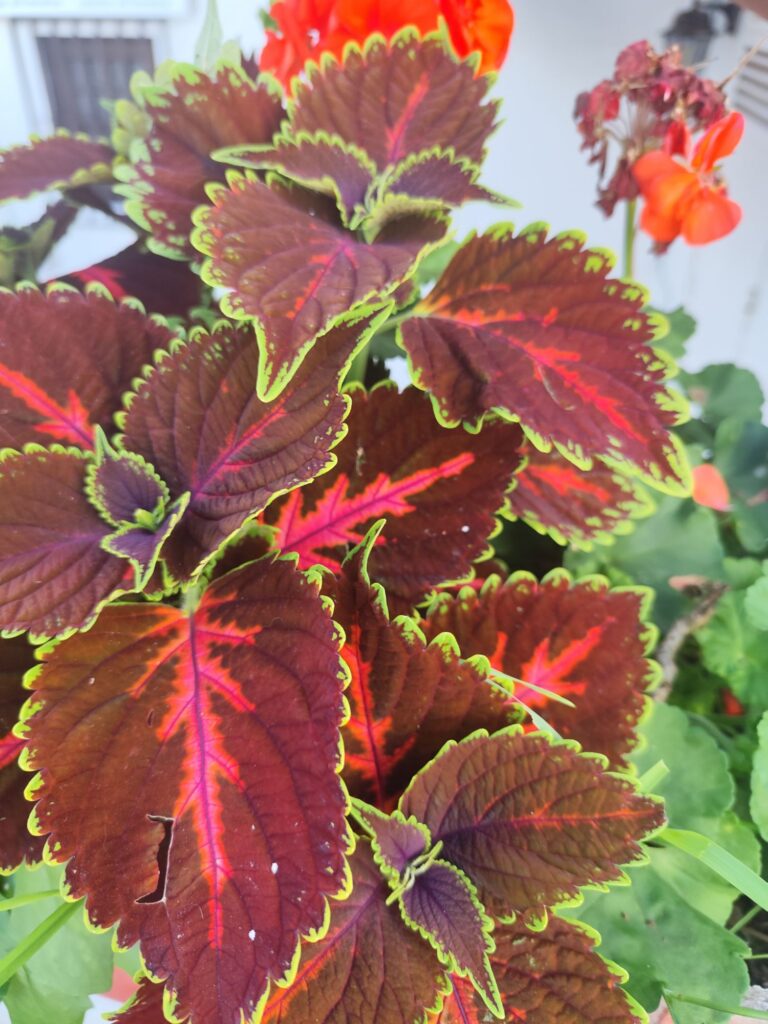
Plectranthus scutellarioides, widely known as coleus, is a highly decorative foliage plant famous for its intense leaf colors and striking patterns. It has also been classified under the botanical names Coleus blumei and Solenostemon scutellarioides, which are still commonly used in horticulture.
This plant is grown primarily for its ornamental leaves rather than its flowers and is popular in gardens, containers, and landscape designs where color contrast is desired.
Natural Origin and Distribution
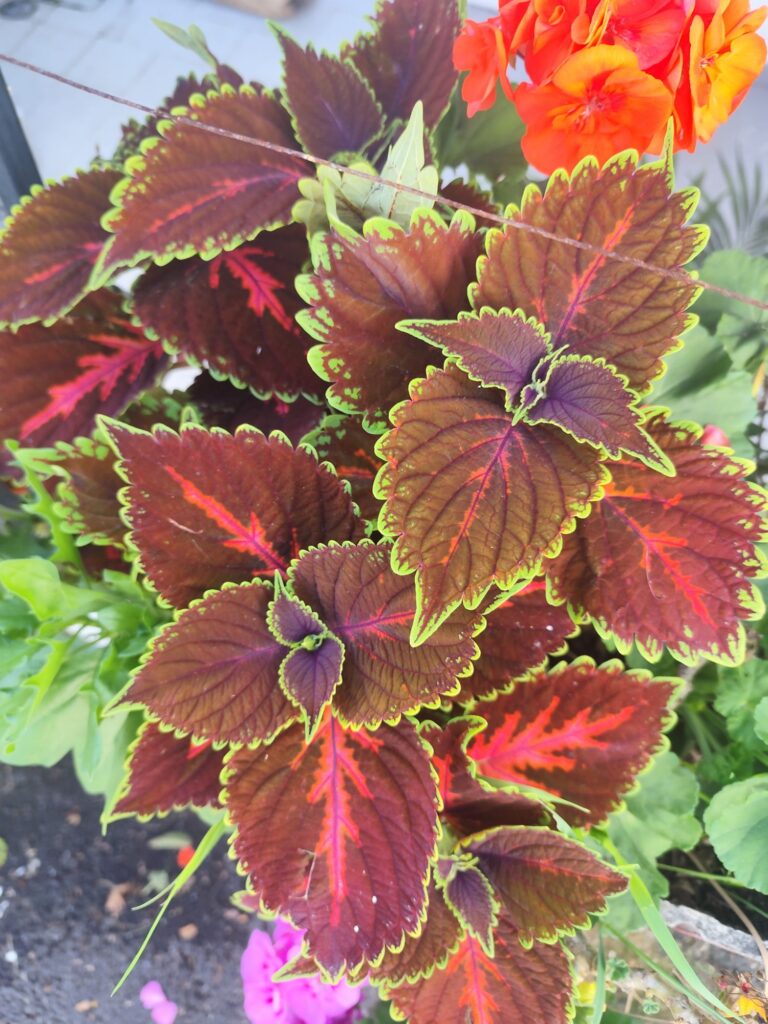
Plectranthus scutellarioides is native to Southeast Asia and parts of the Malay Archipelago. In its natural habitat, it grows in warm, humid environments with filtered sunlight.
Through cultivation, it has become widely distributed across tropical and subtropical regions and is commonly used as a seasonal or perennial ornamental plant depending on climate.
Physical Characteristics
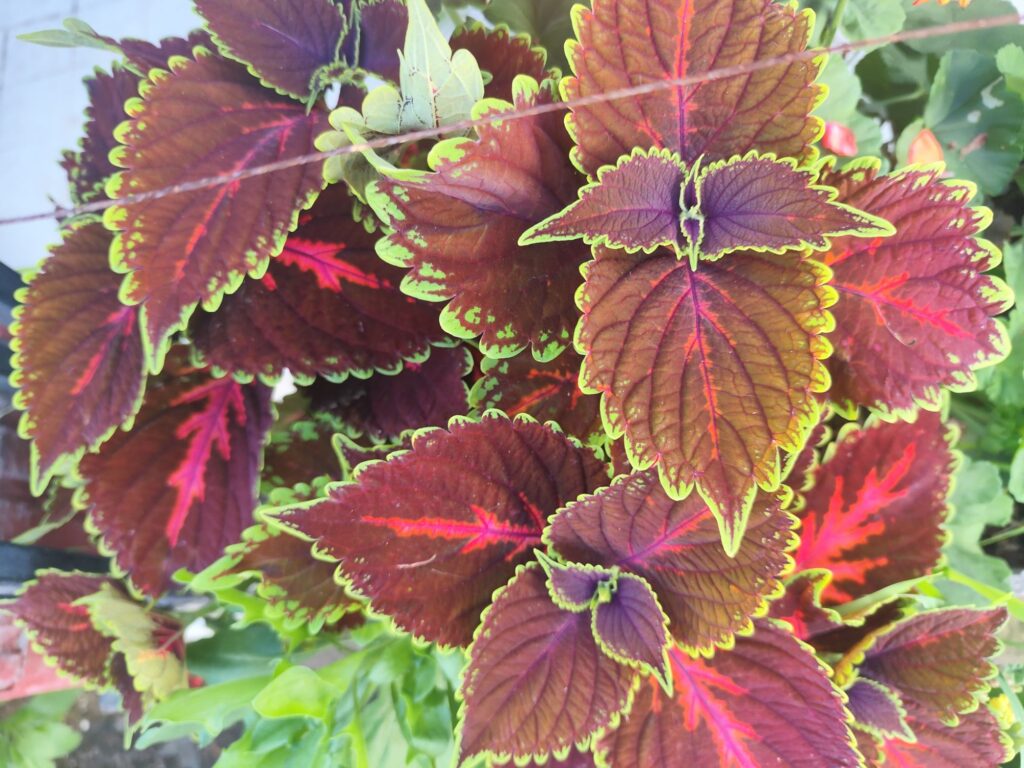
This species is characterized by soft, broad leaves with serrated edges. Leaf colors vary widely and may include shades of green, red, purple, pink, yellow, and combinations with bold patterns or contrasting veins.
The plant typically grows between 30 and 80 centimeters tall, forming a compact and bushy shape when properly maintained.
Flowers and Seasonal Features
Plectranthus scutellarioides produces small tubular flowers, usually in shades of blue, lavender, or white, arranged on upright flower spikes.
While the flowers add some seasonal interest, they are generally considered secondary to the foliage and are often removed to encourage leaf growth.
Growth Habit and Development
This plant has a fast growth rate under favorable conditions. It responds well to pinching and pruning, which promotes branching and a fuller appearance.
Its flexible growth habit makes it suitable for both formal arrangements and more relaxed, natural plantings.
Climate and Light Requirements
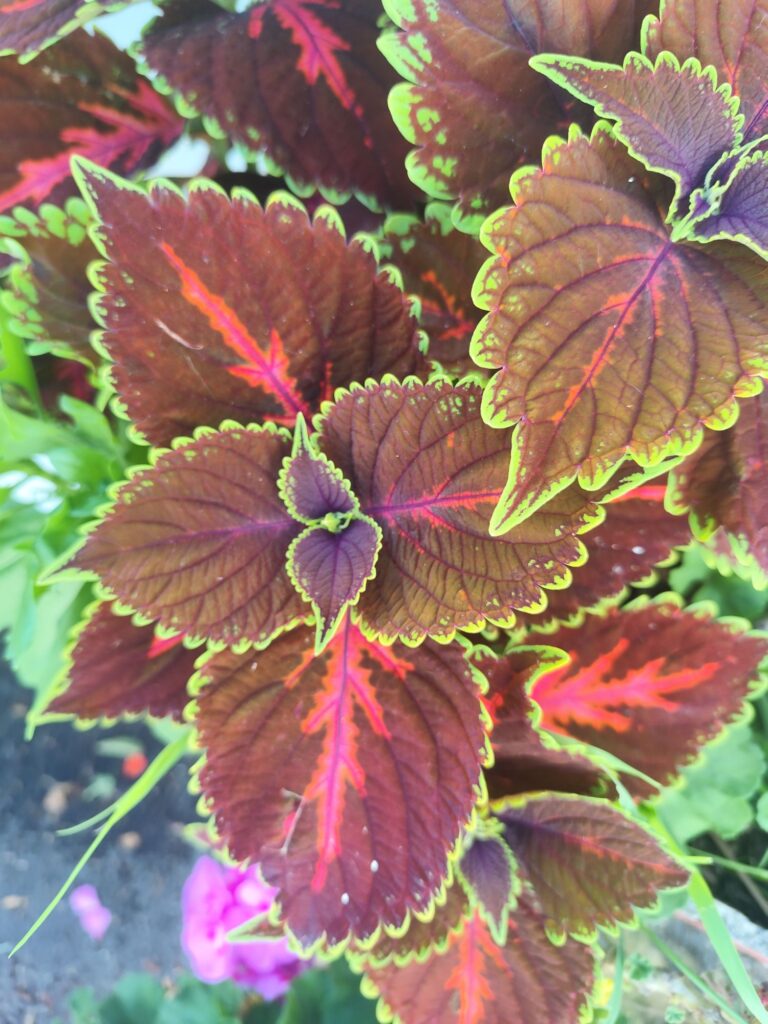
Plectranthus scutellarioides thrives in warm climates and prefers bright, indirect light or partial shade. Excessive direct sun may cause leaf color fading or stress, especially in lighter-colored varieties.
In cooler regions, it is often grown as an annual or kept in containers that can be protected from cold temperatures.
Soil Preferences
This plant performs best in well-drained, fertile soil with good organic content. Consistent soil quality supports vibrant foliage and steady growth.
Waterlogged soils should be avoided, as poor drainage can affect root health.
Water Requirements
Regular watering is important, especially during warm periods. The soil should be kept evenly moist but not saturated.
Allowing the soil to dry out completely may lead to leaf drop or reduced visual quality.
Maintenance and Care
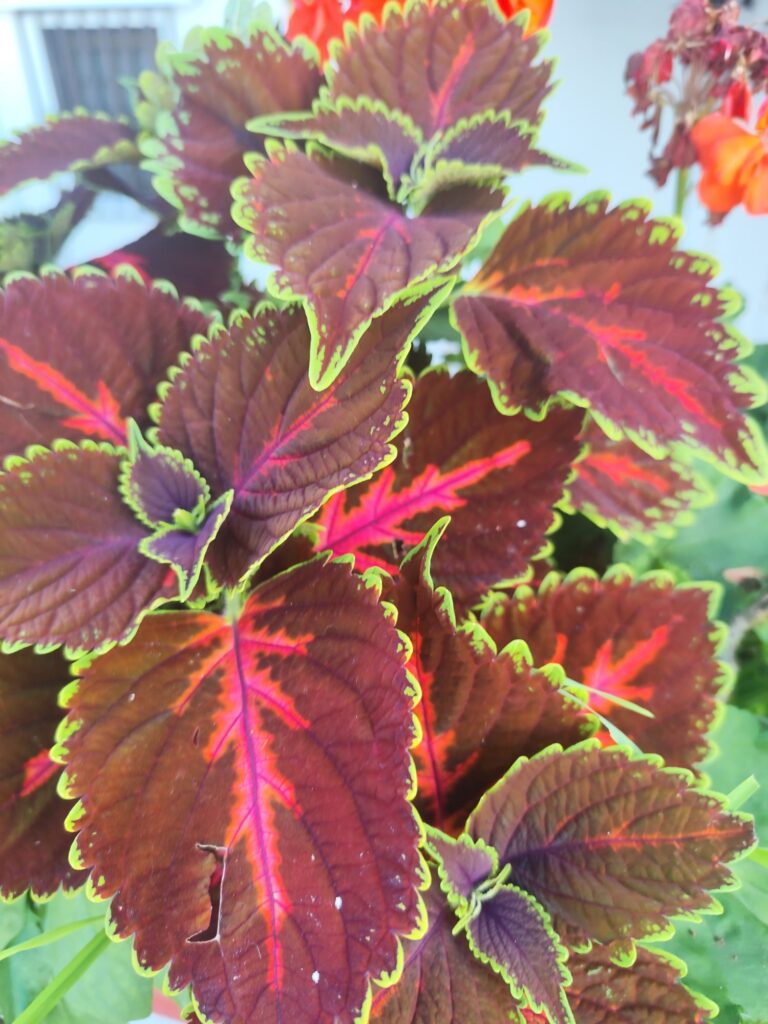
Plectranthus scutellarioides is relatively easy to maintain. Regular pinching of growing tips helps maintain a compact and bushy shape.
Light feeding during the growing season can support strong foliage color, though excessive fertilization is unnecessary.
Safety Notice
This plant is grown strictly for ornamental purposes. It should not be consumed or used for medicinal applications.
It should be handled responsibly and placed appropriately in gardens or homes.
Uses in Landscaping
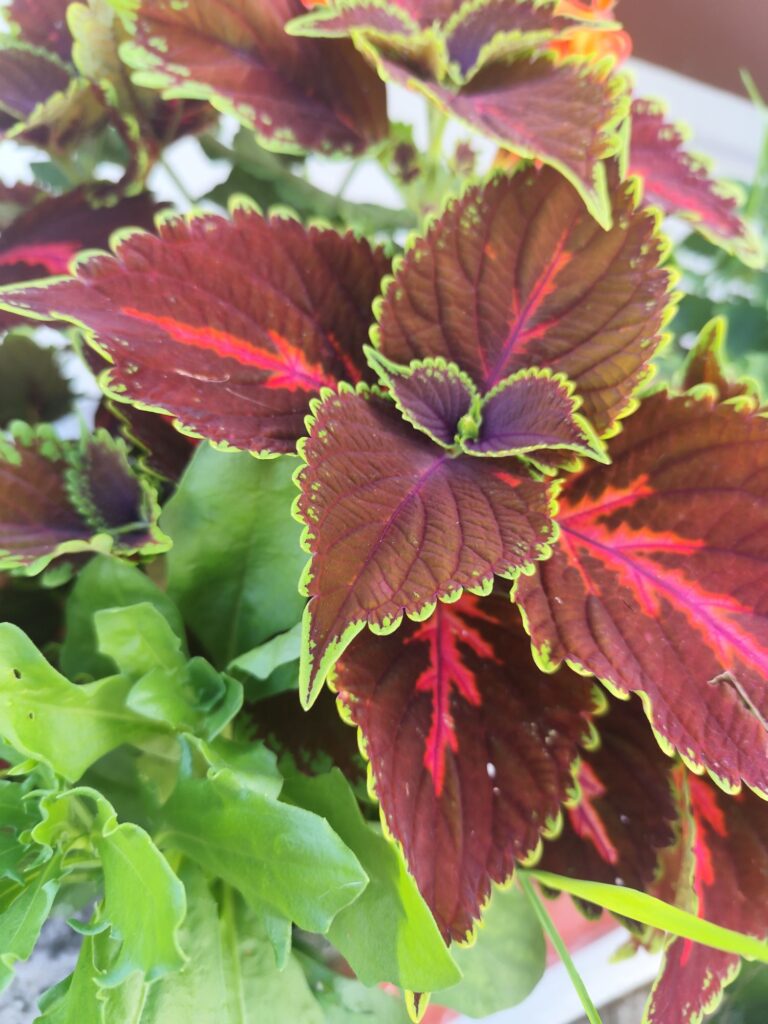
Plectranthus scutellarioides is widely used in borders, flower beds, containers, and mixed plantings. Its colorful foliage provides contrast against green-leaved plants.
It is also popular in shaded gardens, patios, and decorative pots where flowering plants may struggle.
Visual and Decorative Value
The main appeal of this plant lies in its foliage, which can dramatically change the appearance of a garden or container display.
Its wide range of colors allows for creative combinations and bold design statements.
Suitability for Gardens and Containers
Plectranthus scutellarioides is well suited to home gardens, balconies, and terraces in warm climates or as a seasonal plant in cooler regions.
With appropriate light, watering, and occasional pruning, it remains vibrant and decorative throughout the growing season.