Overview of Pelargonium zonale
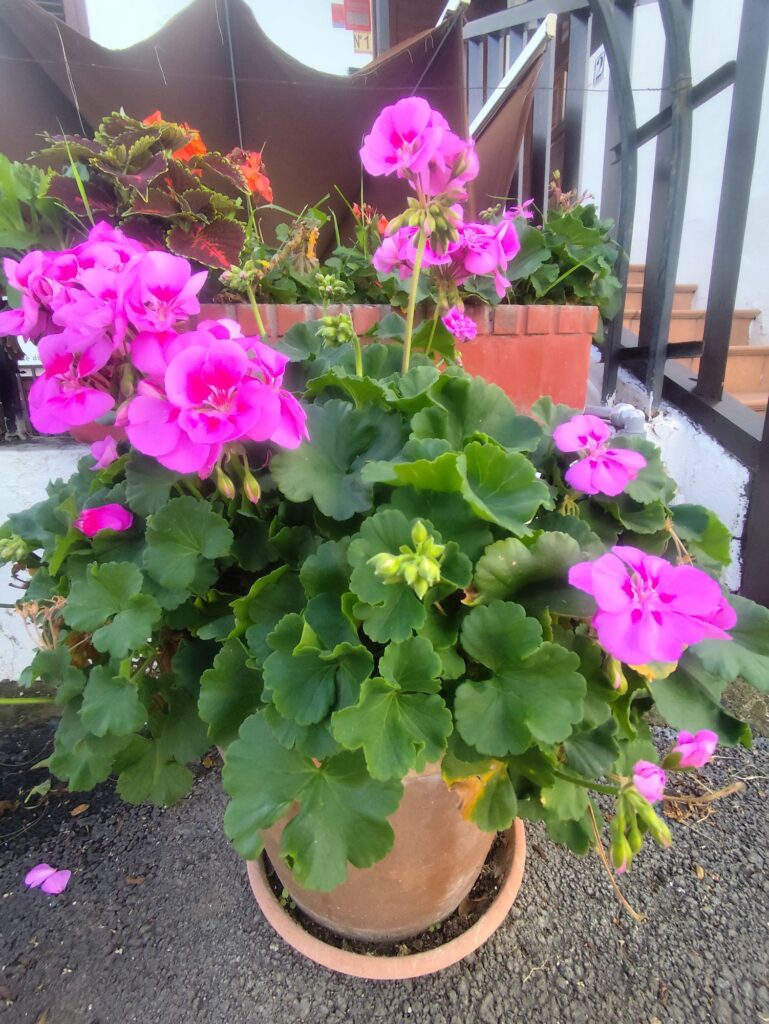
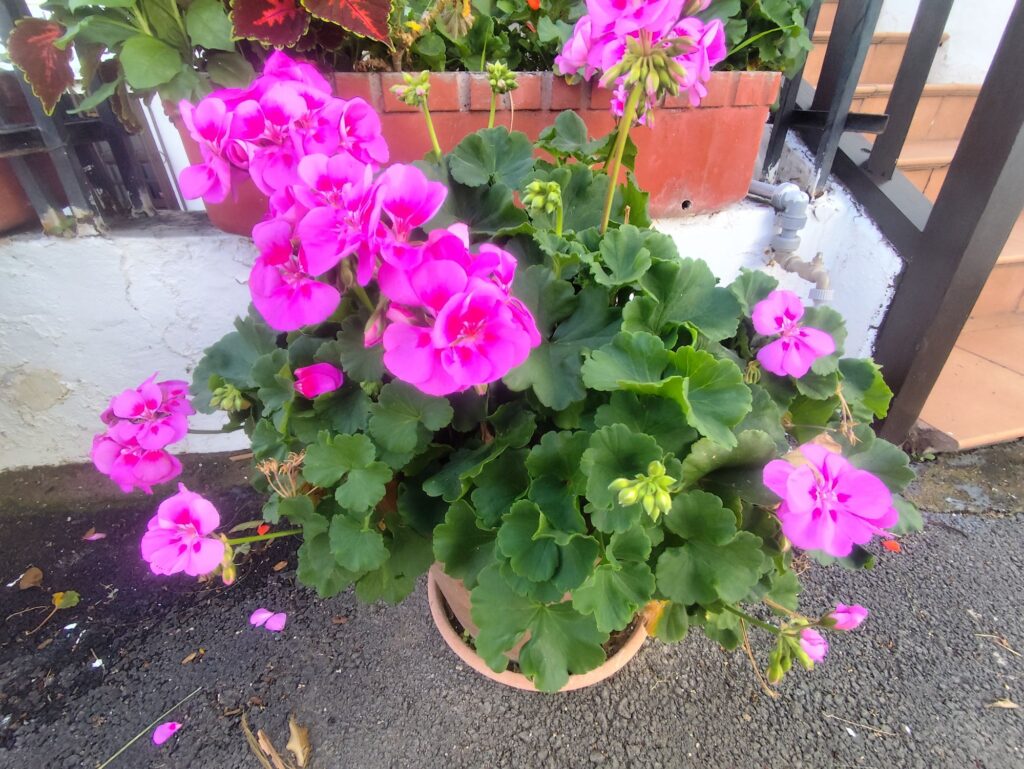
Pelargonium zonale, commonly known as the zonal geranium, is a perennial flowering plant widely cultivated for its colorful blooms and attractive foliage. It is one of the most popular ornamental plants in gardens, balconies, and urban landscapes due to its long flowering period and adaptability.
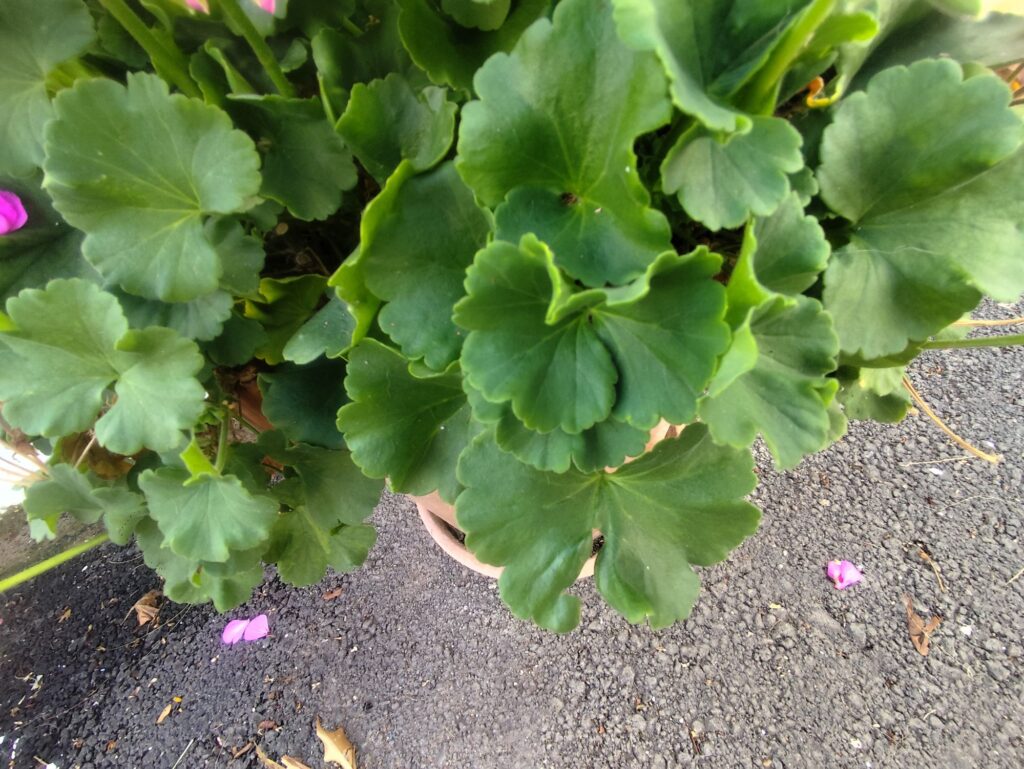
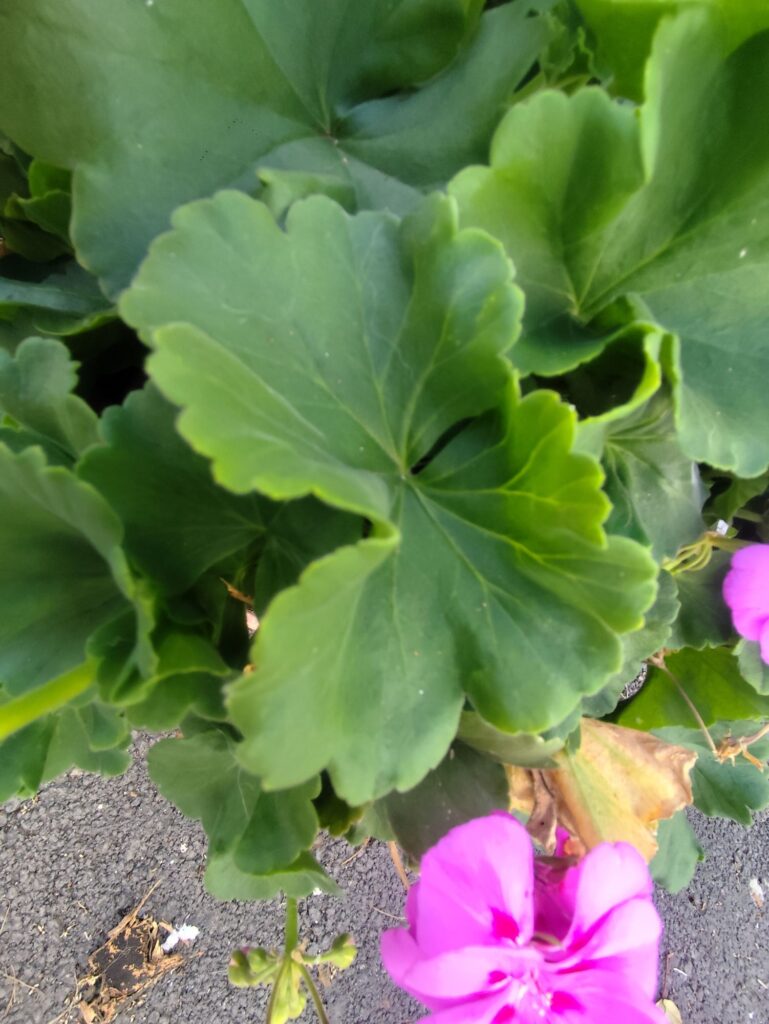
The name “zonal” refers to the characteristic dark band or zone often visible on the rounded leaves, which adds decorative value even when the plant is not in bloom.
Natural Origin and Distribution
Pelargonium zonale originates from southern Africa, where it grows in open, sunny environments with well-drained soils. Its native habitat includes regions with warm temperatures and seasonal rainfall.
Through cultivation, it has become one of the most widely grown ornamental plants worldwide, particularly in Mediterranean and temperate climates.
Physical Characteristics
This plant forms a compact, bushy shrub with soft, slightly woody stems. It typically reaches heights of 30 to 80 centimeters, depending on variety and growing conditions.
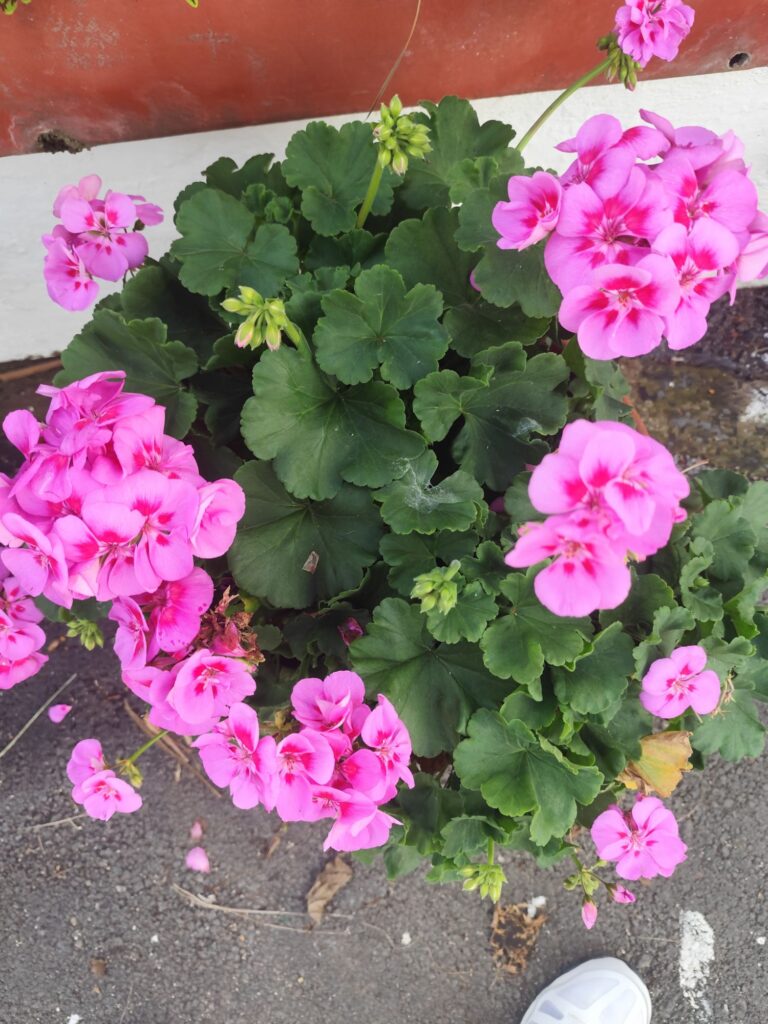
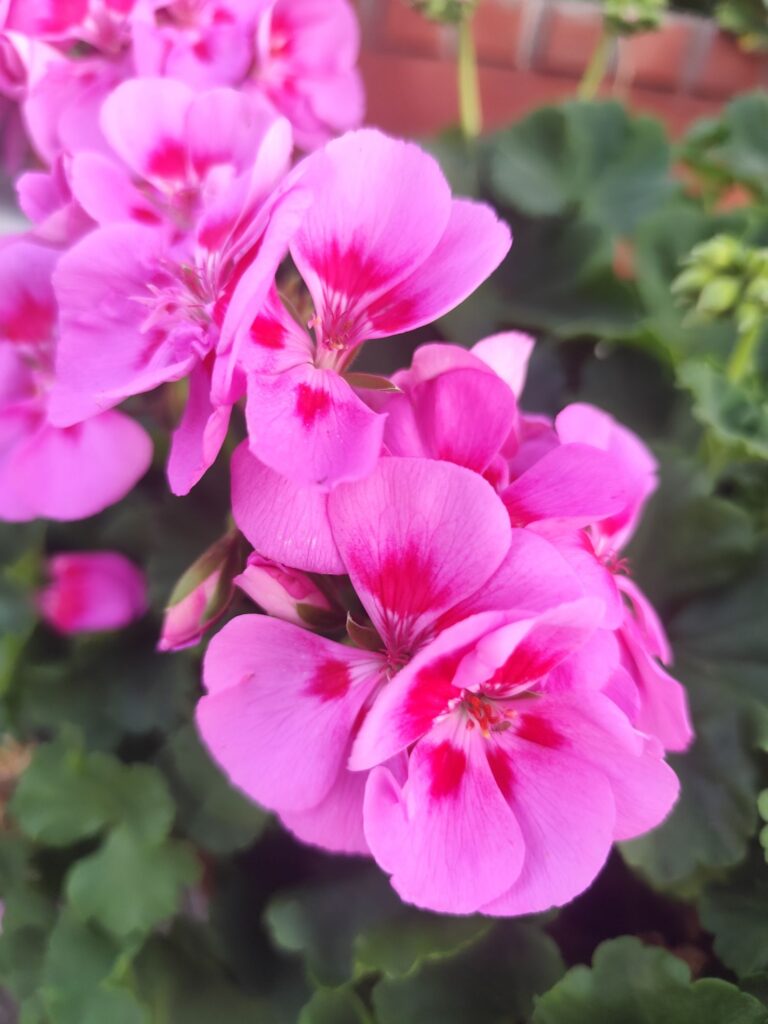
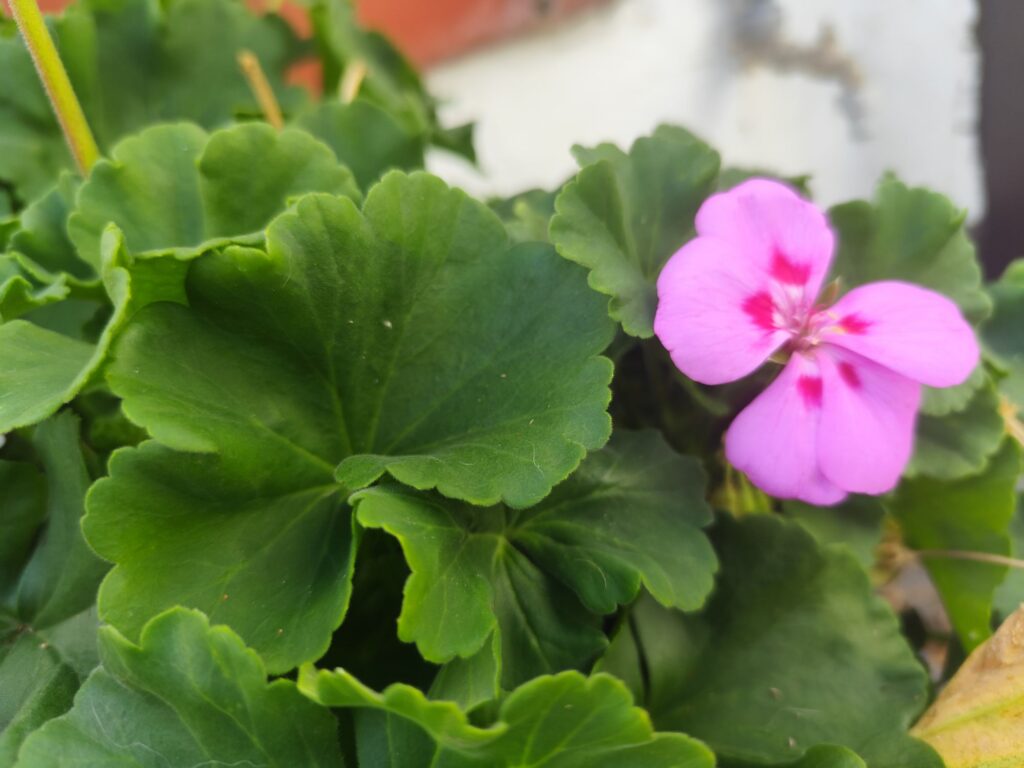
The leaves are rounded to slightly lobed, medium green, and often display a darker circular marking. The flowers are produced in dense, rounded clusters and come in a wide range of colors, including red, pink, white, salmon, and bi-colored forms.
Flowering and Seasonal Interest
Pelargonium zonale is known for its long and abundant flowering season. In mild climates, it can flower from spring through autumn, and even year-round in frost-free regions.
Regular removal of spent flower heads helps maintain continuous blooming and keeps the plant looking tidy.
Growth Habit and Development
This species has a moderate growth rate and responds well to pruning and pinching. These practices encourage branching and result in a fuller, more compact plant.
As a perennial, Pelargonium zonale can live for several years when protected from frost and grown in suitable conditions.
Climate and Light Requirements
Pelargonium zonale thrives in warm climates and prefers full sun to light partial shade. Full sun promotes compact growth and abundant flowering.
While it tolerates mild cold, it does not withstand heavy frost and should be protected or grown in containers in colder regions.
Soil Preferences
Well-drained soil is essential for healthy growth. Pelargonium zonale performs best in light, fertile soils with good drainage.
Waterlogged or heavy soils should be avoided, as excess moisture can lead to root problems.
Water Requirements
Regular watering is important during active growth and flowering periods. The soil should be allowed to dry slightly between watering cycles.
Once established, the plant tolerates short dry periods better than excessive moisture.
Maintenance and Care
This plant is relatively easy to maintain. Deadheading spent flowers and occasional pruning help maintain shape and encourage new blooms.
Light feeding during the growing season can support vigorous flowering, though excessive fertilization is unnecessary.
Safety Notice
Pelargonium zonale is grown strictly for ornamental purposes. It should not be consumed or used for medicinal applications.
Standard gardening care is sufficient when handling the plant.
Uses in Landscaping
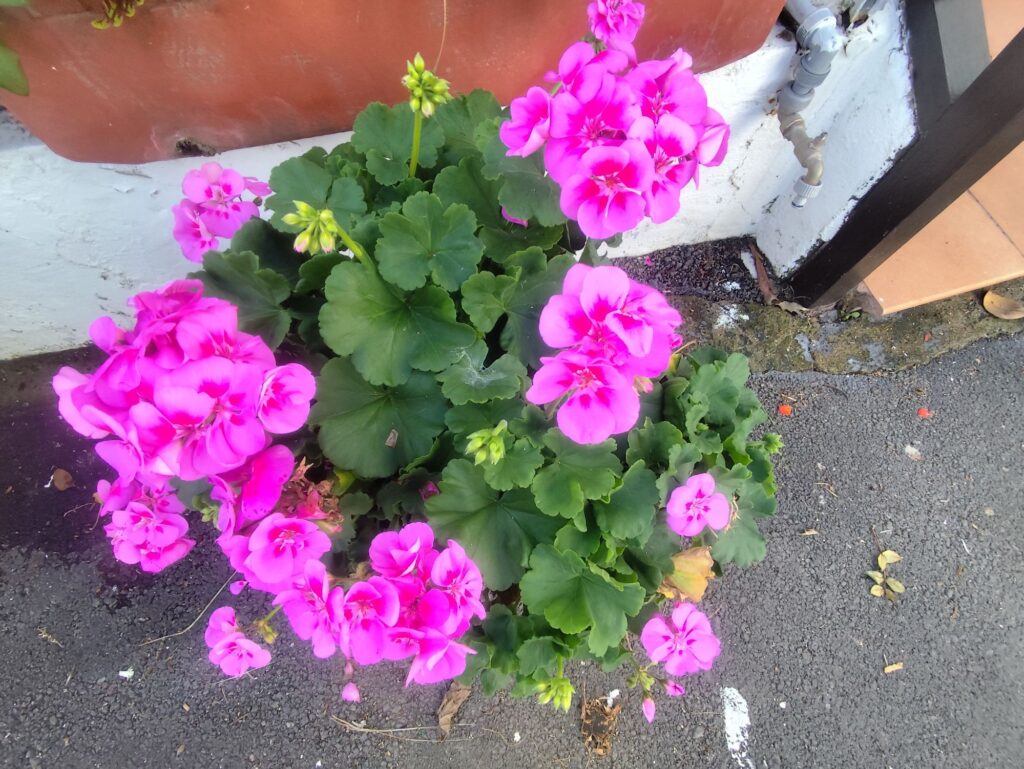
Pelargonium zonale is widely used in garden beds, borders, containers, window boxes, and balconies. Its bright flowers add color and life to both private and public spaces.
It is particularly popular in urban landscaping and traditional Mediterranean garden designs.
Visual and Environmental Value
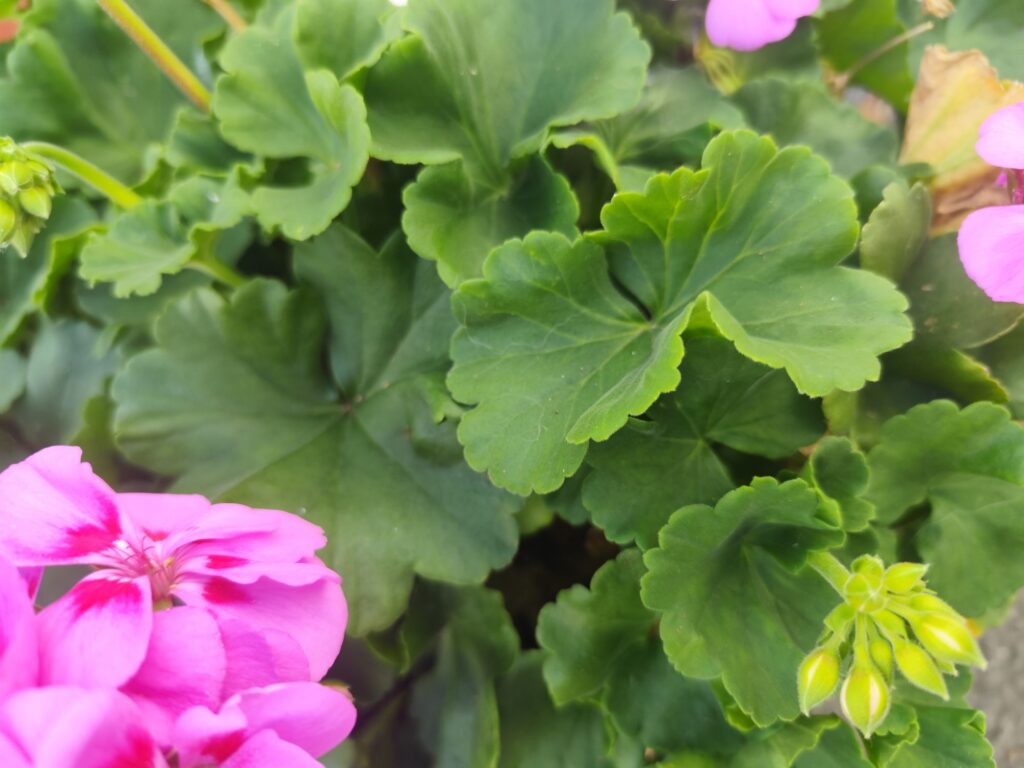
Visually, zonal geraniums provide strong, consistent color throughout the growing season. Their foliage adds texture and interest even between flowering cycles.
The flowers attract pollinating insects, contributing to garden biodiversity.
Suitability for Gardens and Containers
Pelargonium zonale is well suited to home gardens, terraces, and balconies in mild climates. It performs exceptionally well in containers with good drainage.
With proper sun exposure, moderate watering, and regular maintenance, it can remain a long-lasting and highly decorative perennial plant.