Dimorphotheca ecklonis (Cape Daisy)
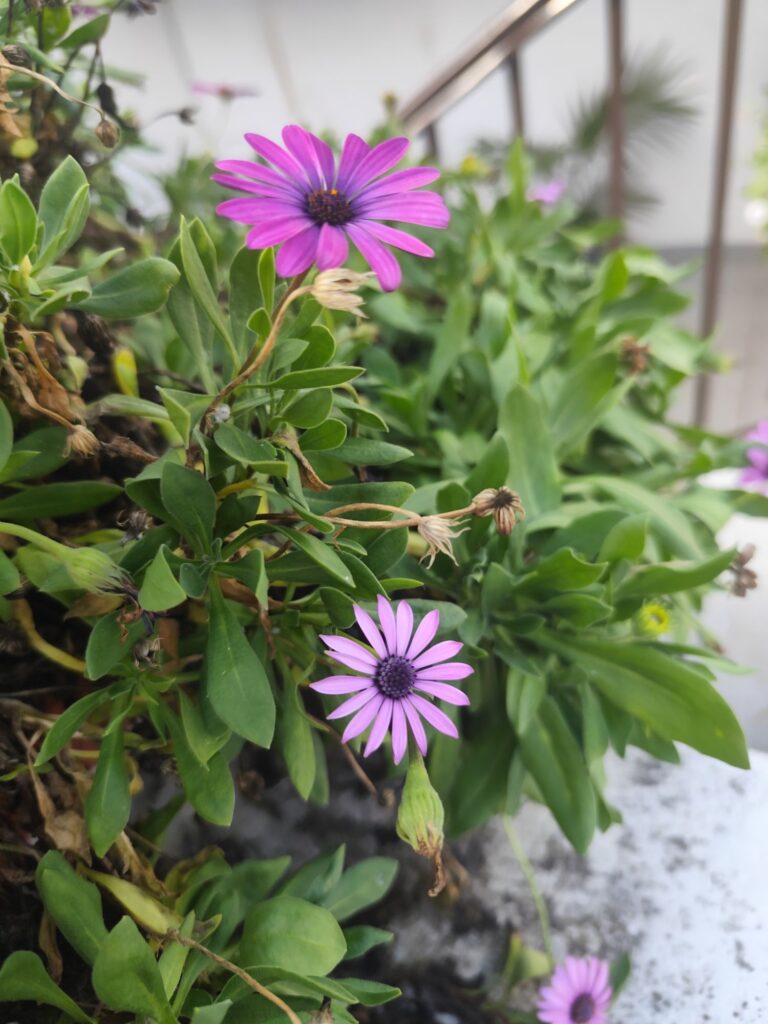
Overview of Dimorphotheca ecklonis Dimorphotheca ecklonis, commonly known as the Cape daisy or African daisy, is a sun-loving flowering plant admired for its vivid daisy-like blooms and excellent performance in dry, warm climates. It is widely used in ornamental gardening for its long flowering period and bright, cheerful colors. This species is especially popular in […]
Dimorphotheca (African Daisy)
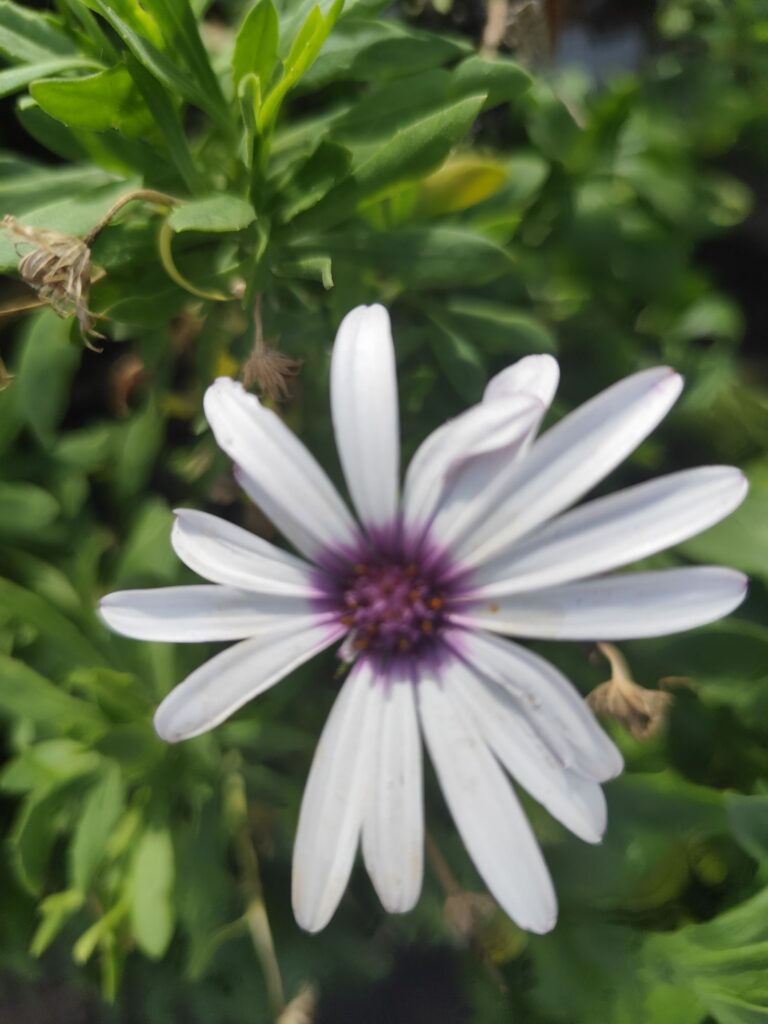
Overview of Dimorphotheca Dimorphotheca, commonly referred to as the African daisy, is a flowering plant genus admired for its bright, daisy-like blooms and its excellent performance in sunny, dry conditions. These plants are widely used in ornamental gardening due to their vibrant colors, fast growth, and long flowering period. Dimorphotheca species are especially valued in […]
Farfugium japonicum (Leopard Plant)
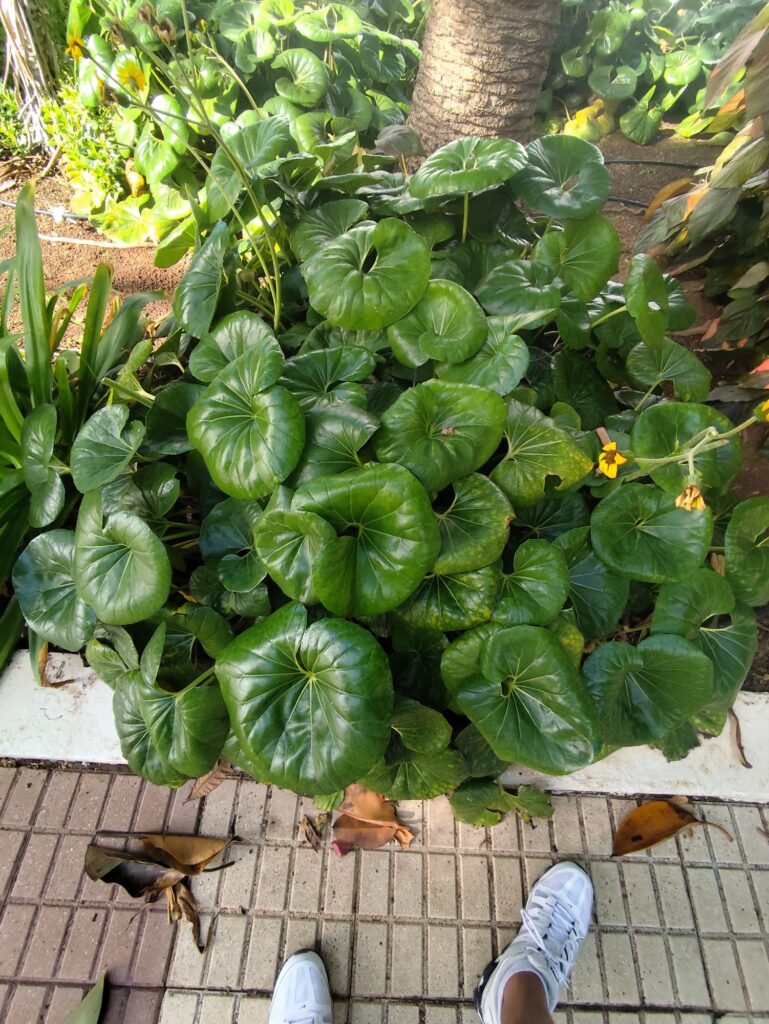
Overview of Farfugium japonicum Farfugium japonicum, commonly known as the leopard plant, is an evergreen perennial valued for its large, glossy leaves and its ability to thrive in shaded and humid environments. It is especially appreciated in ornamental gardening for bringing bold foliage and texture to areas where many flowering plants struggle. This plant is […]
Argyranthemum frutescens (Canary Daisy)
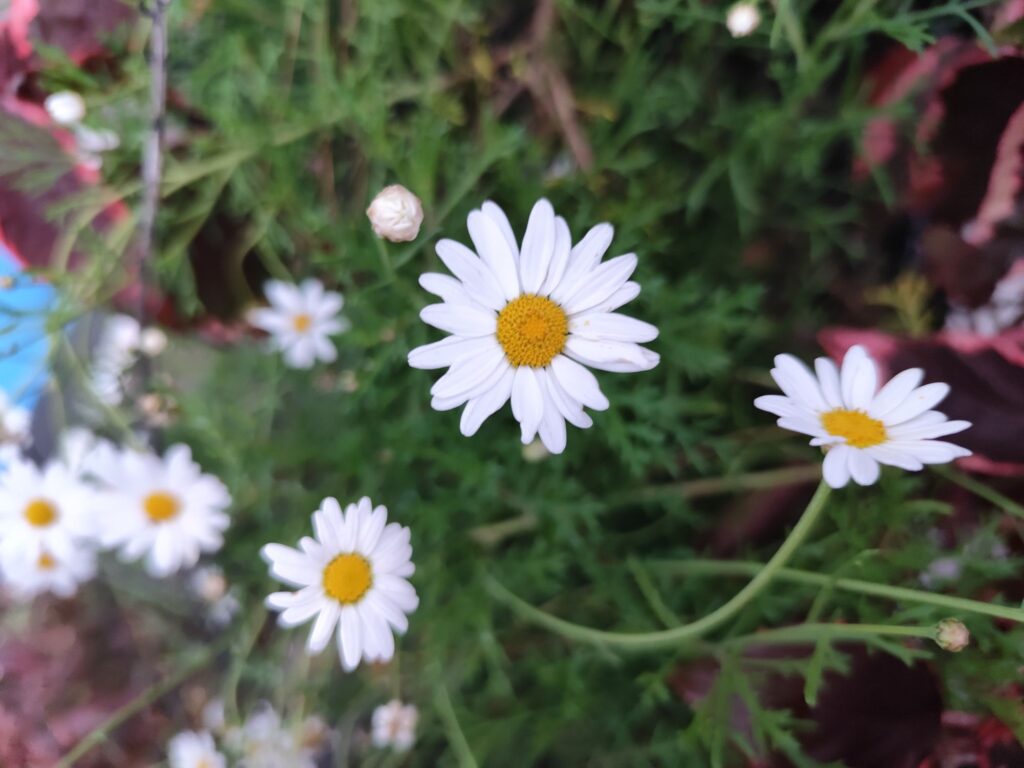
Overview of Argyranthemum frutescens Argyranthemum frutescens, commonly known as the Canary daisy or woody marguerite, is a flowering shrub admired for its abundant daisy-like blooms and long flowering season. Native to the Canary Islands, it is closely associated with coastal and mild-climate landscapes. This plant is widely used in ornamental gardening thanks to its cheerful […]
Plectranthus scutellarioides (Coleus)
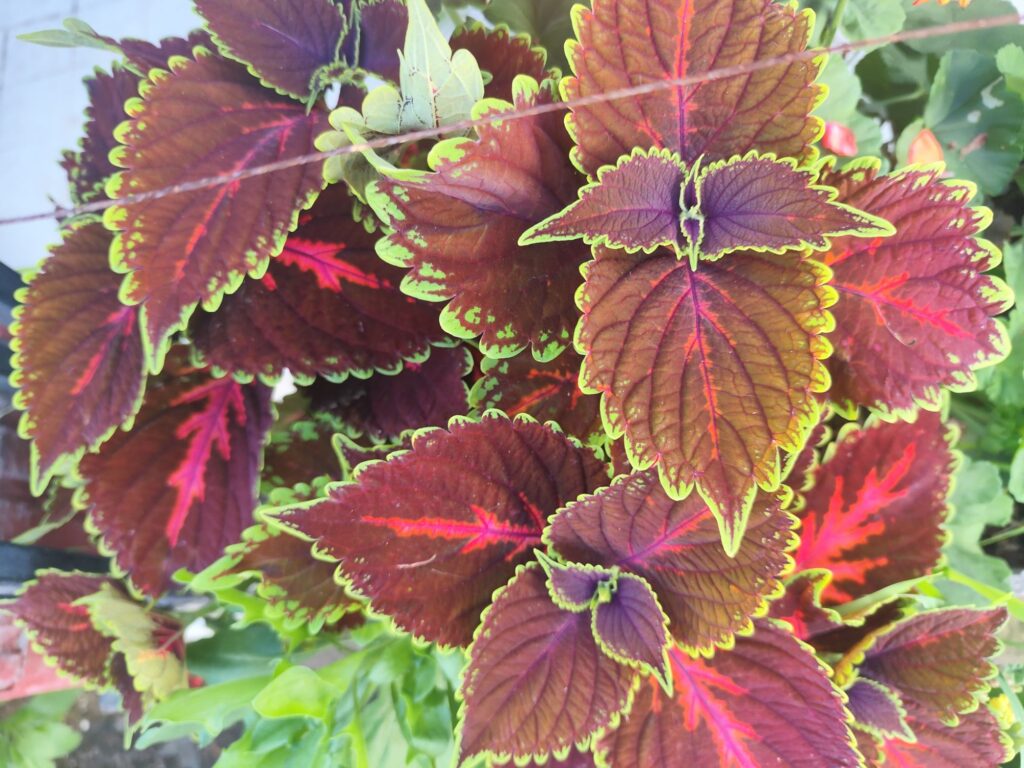
Overview of Plectranthus scutellarioides Plectranthus scutellarioides, widely known as coleus, is a highly decorative foliage plant famous for its intense leaf colors and striking patterns. It has also been classified under the botanical names Coleus blumei and Solenostemon scutellarioides, which are still commonly used in horticulture. This plant is grown primarily for its ornamental leaves […]
Dypsis decaryi (Triangular Palm)
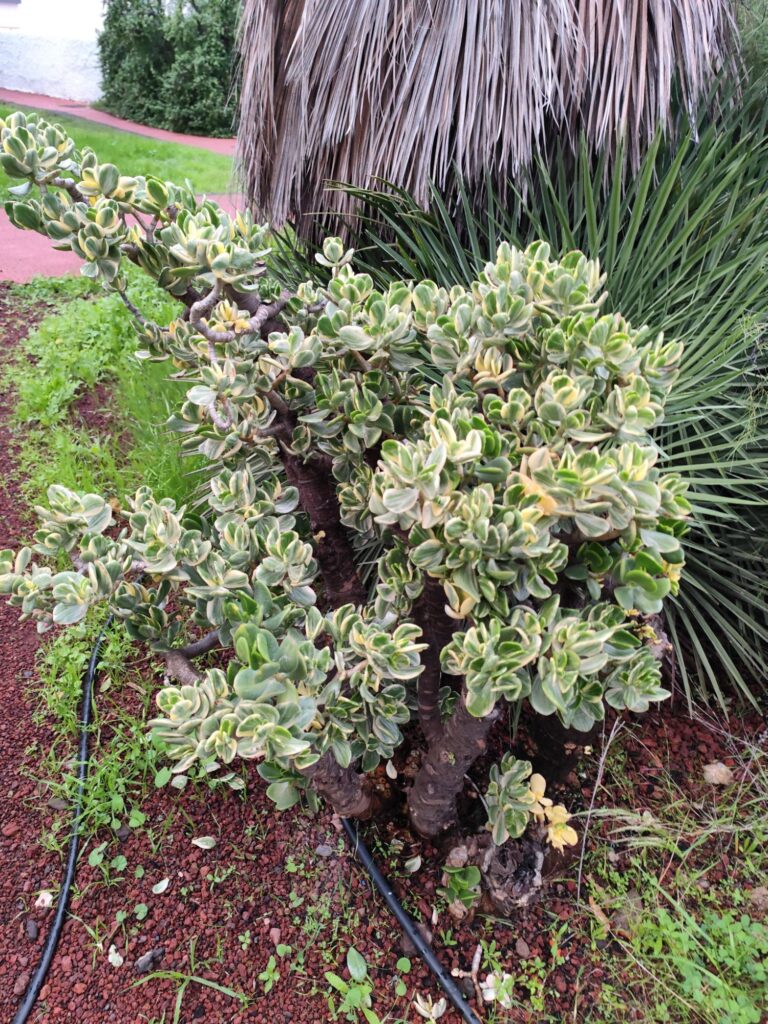
Overview of Dypsis decaryi Dypsis decaryi, commonly known as the triangular palm, is a distinctive ornamental palm recognized for its unusual triangular trunk formed by three vertical rows of leaves. This unique structure makes it one of the most visually striking palms used in landscaping. The palm is highly valued in warm climates for its […]
Yucca elephantipes (Spineless Yucca)
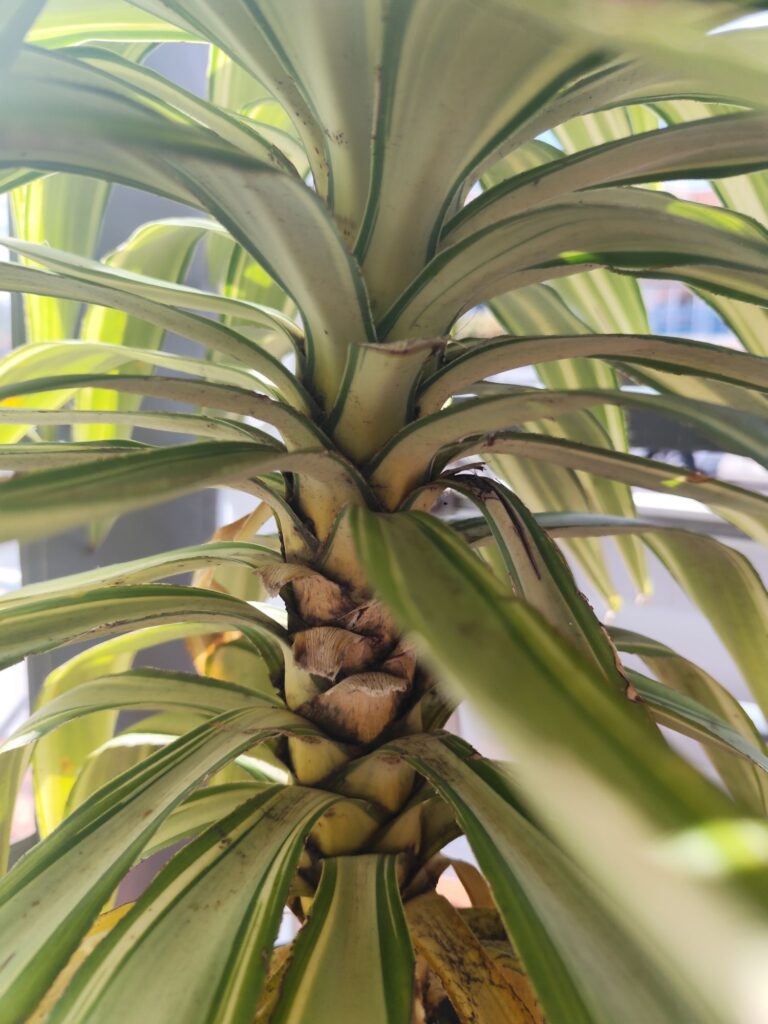
Overview of Yucca elephantipes Yucca elephantipes, also known as spineless yucca or elephant foot yucca, is an evergreen plant admired for its upright growth, woody trunks, and tufts of sword-shaped leaves. Unlike many other yucca species, it lacks sharp spines, making it more suitable for gardens, public spaces, and residential landscapes. This plant is widely […]
Senecio vitalis (Blue Chalk Sticks)
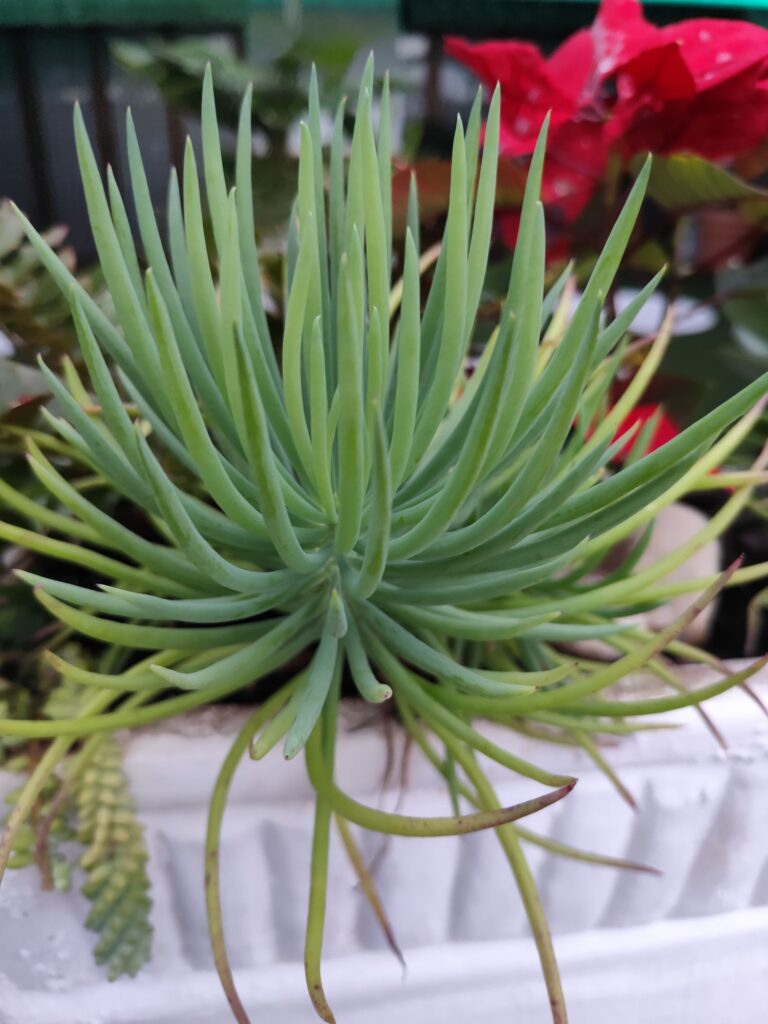
Overview of Senecio vitalis Senecio vitalis, commonly known as blue chalk sticks, is a drought-tolerant succulent valued for its upright, finger-like leaves and striking blue-green coloration. It is widely used in warm-climate landscaping for its modern appearance, low water needs, and strong visual contrast. This plant is especially popular in Mediterranean, coastal, and xeriscape gardens, […]
Kroenleinia grusonii (Golden Barrel Cactus)
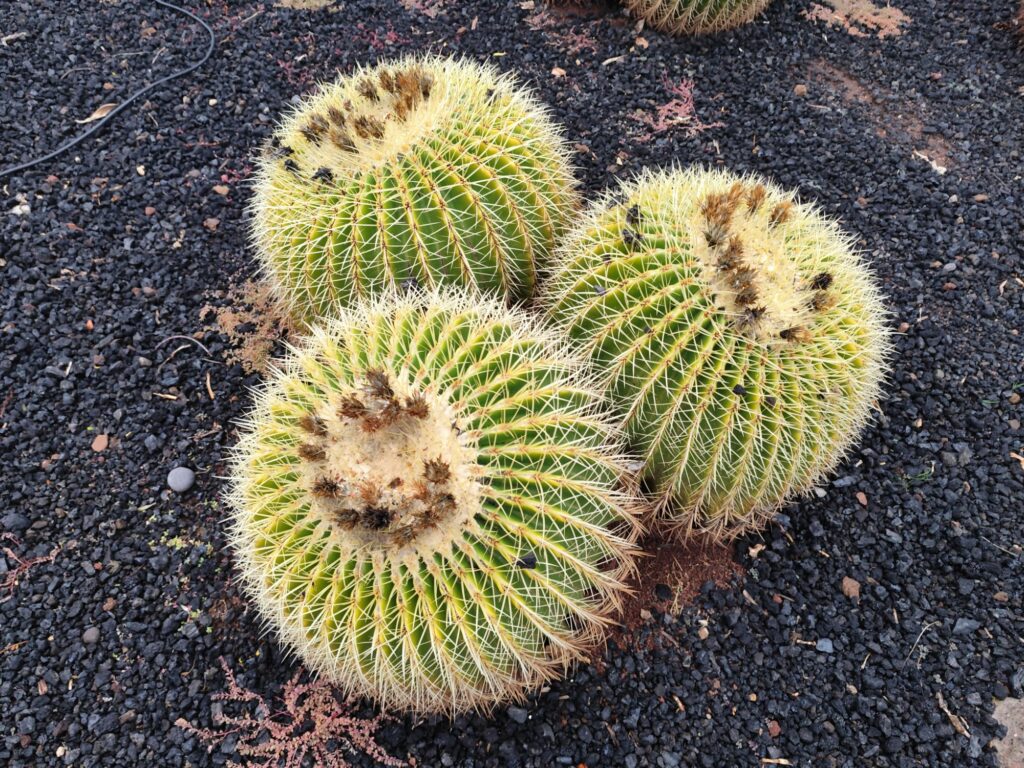
Overview of Kroenleinia grusonii Kroenleinia grusonii, widely known as the golden barrel cactus, is a globular cactus admired for its perfectly rounded shape and dense golden spines. It is one of the most iconic ornamental cacti used in dry and Mediterranean-style landscaping. The plant is also commonly referred to by traditional names such as “mother-in-law’s […]
Pachypodium lamerei (Madagascar Palm)
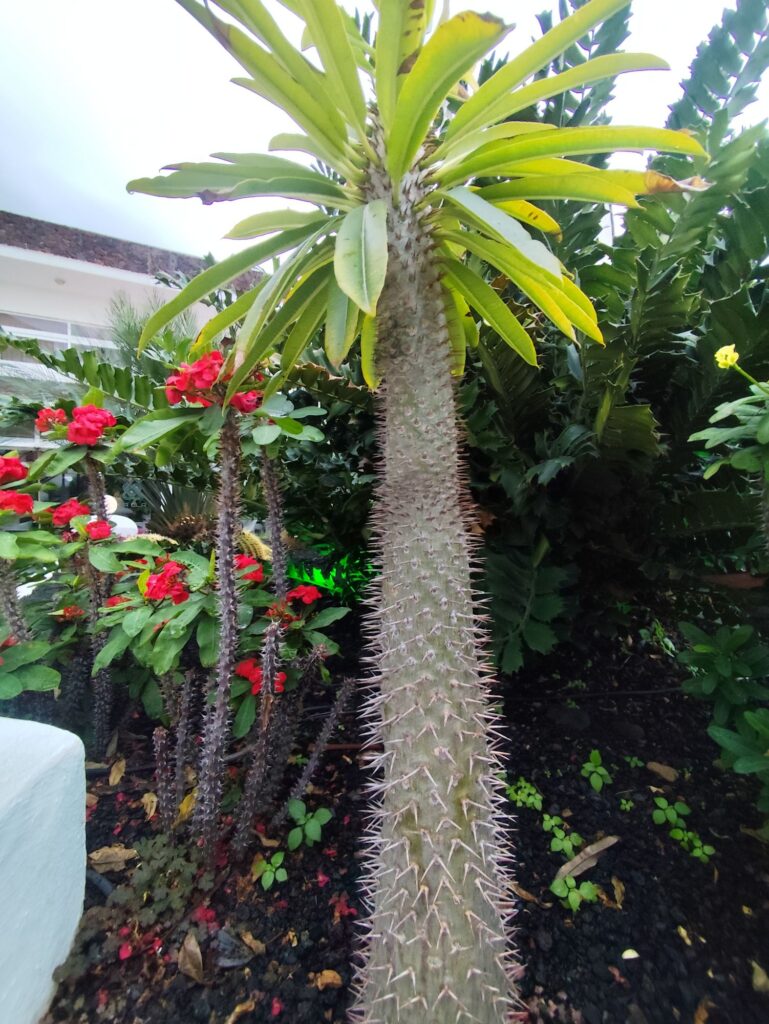
Overview of Pachypodium lamerei Pachypodium lamerei, commonly known as the Madagascar palm, is a distinctive succulent plant recognized for its thick, spiny trunk and crown of narrow green leaves. Despite its common name, it is not a true palm but a succulent species adapted to dry environments. This plant is valued for its sculptural appearance […]