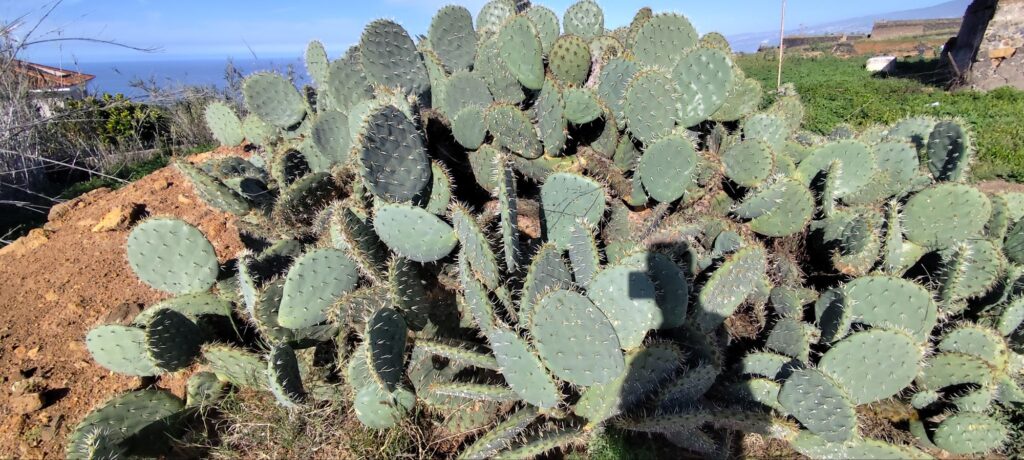
Overview of the Genus Opuntia
Opuntia is a large genus of cacti commonly known as prickly pear, nopal, or chumbera. These plants are characterized by their flat, pad-like stems and their exceptional adaptation to dry and arid environments.
Species of Opuntia are widely cultivated for ornamental purposes and are also prominent elements of traditional landscapes in many warm regions.
Natural Origin and Distribution
The genus Opuntia is native to the Americas, where it naturally occurs from Canada to South America, with greatest diversity in Mexico.
Due to human cultivation, Opuntia species are now found throughout the Mediterranean region, Africa, Australia, and other arid and semi-arid parts of the world.
Physical Characteristics
Opuntia plants are easily recognized by their flattened stem segments, known as pads or cladodes. These pads perform photosynthesis and store water.
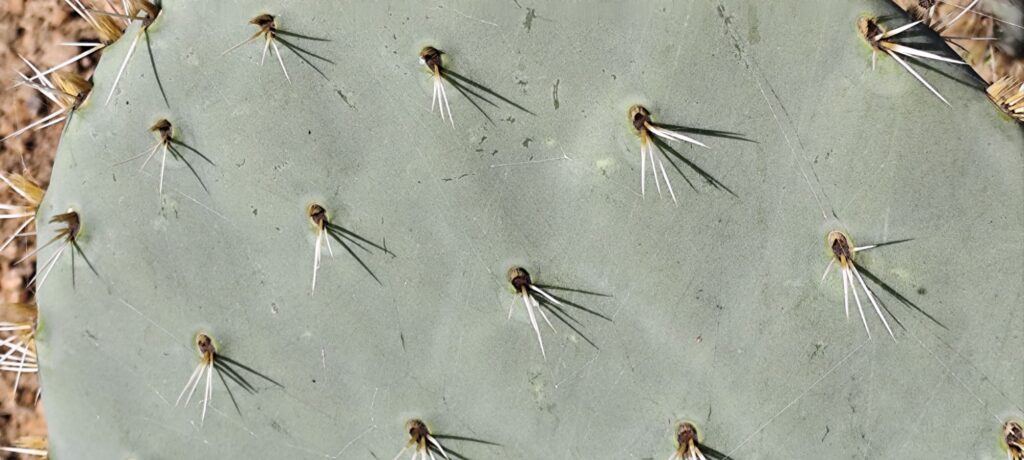
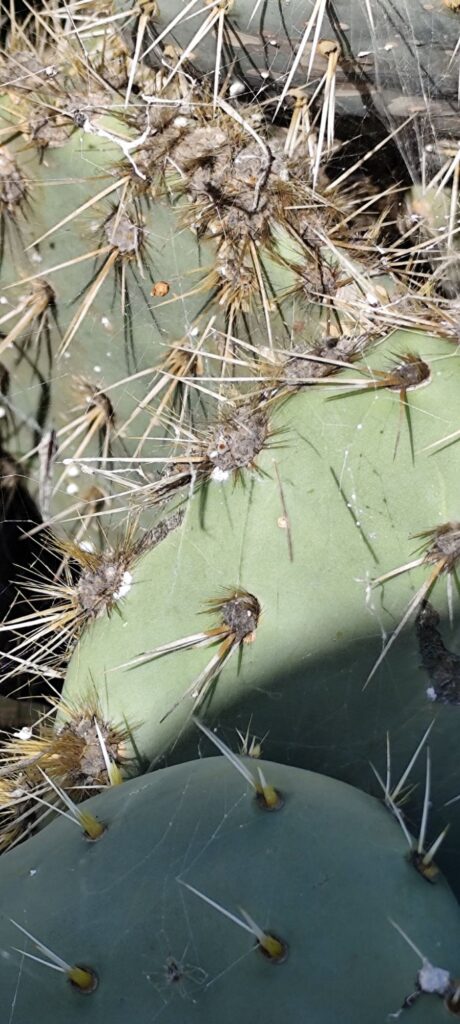
Most species bear spines and tiny hair-like glochids, which can detach easily and cause irritation if touched.
Flowering and Seasonal Interest
Opuntia species produce large, showy flowers that are typically yellow, orange, red, or pink, depending on the species.
Flowering usually occurs in spring or early summer and is followed by the development of fleshy fruits.
Growth Habit and Development
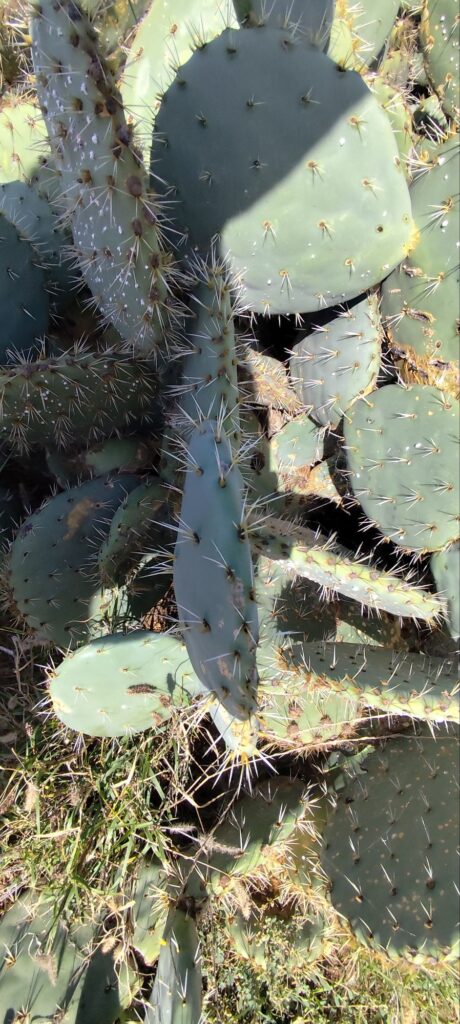
Growth rates vary by species, but many Opuntia grow moderately fast under favorable conditions.
Plants may form low, spreading clumps or large shrub-like structures several meters tall.
Climate and Light Requirements
Opuntia thrives in warm, dry climates and requires full sun exposure for optimal growth.
Many species tolerate high temperatures and drought, while some can withstand light frost.
Soil Preferences
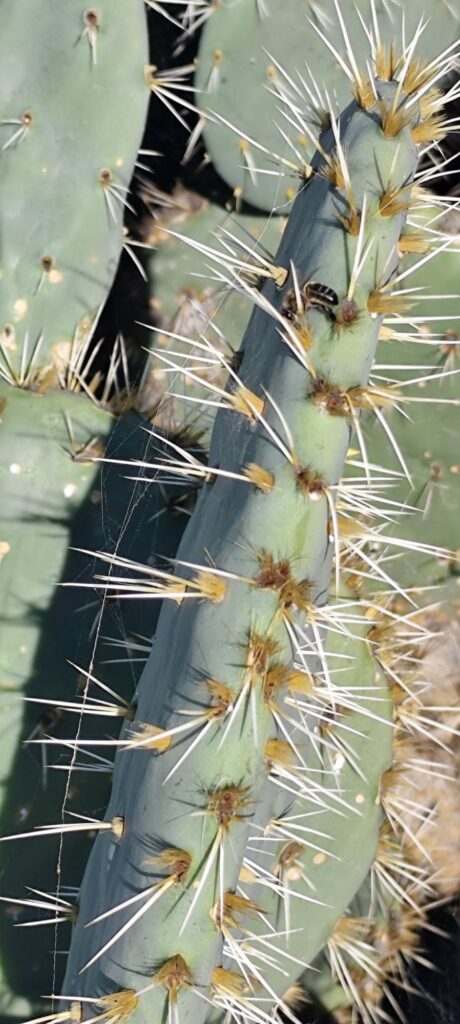
Excellent drainage is essential. Opuntia performs best in sandy, rocky, or gravelly soils.
Heavy or water-retentive soils should be avoided to prevent root rot.
Water Requirements
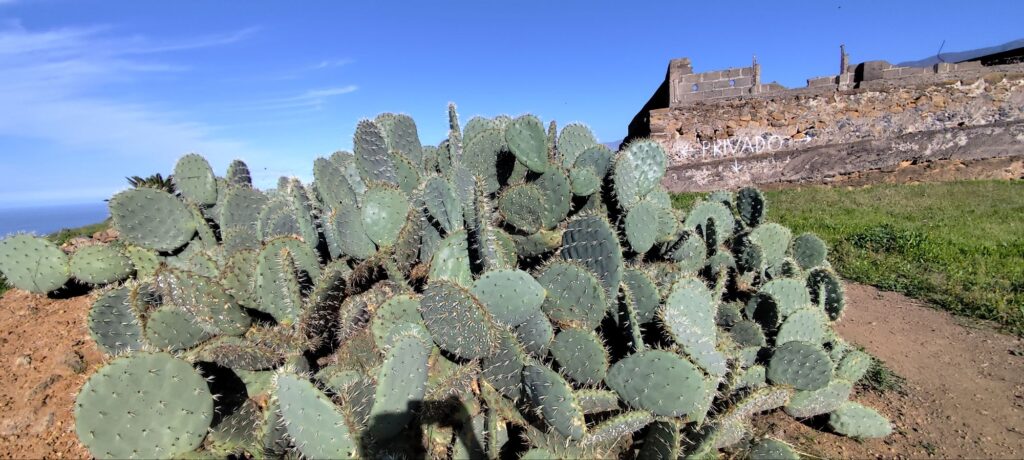
Water needs are very low. Once established, Opuntia survives long dry periods with minimal watering.
Excess moisture is more harmful than drought.
Maintenance and Care
These cacti are very low-maintenance. Occasional removal of damaged pads may be required.
Protective gloves are recommended when handling due to spines and glochids.
Safety Notice
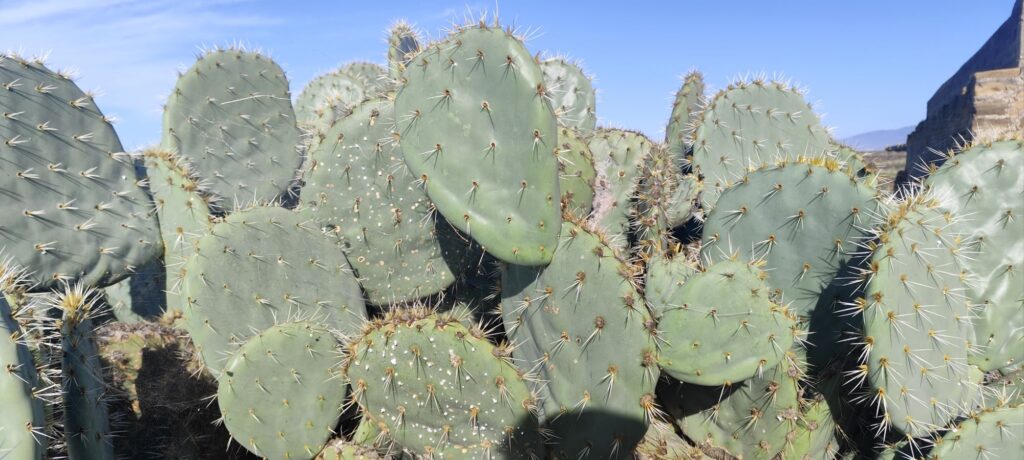
Opuntia species possess spines and glochids that can cause skin irritation.
This article does not recommend culinary or medicinal use.
Uses in Landscaping
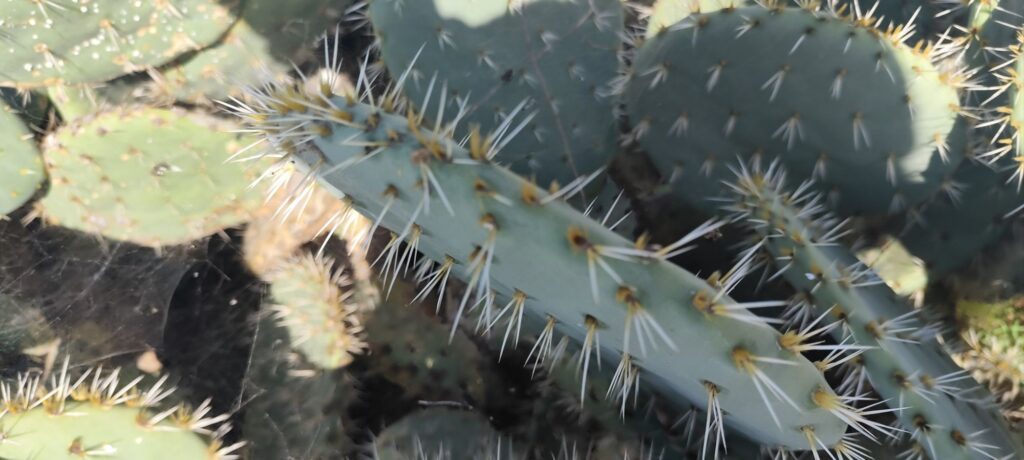
Opuntia is widely used in xeriscaping, rock gardens, coastal landscapes, and erosion control.
Its sculptural form makes it effective as a focal plant or natural barrier.
Visual and Environmental Value
Visually, Opuntia adds strong architectural form and texture to landscapes.
Ecologically, it provides shelter and food for wildlife in arid environments.
Suitability for Gardens
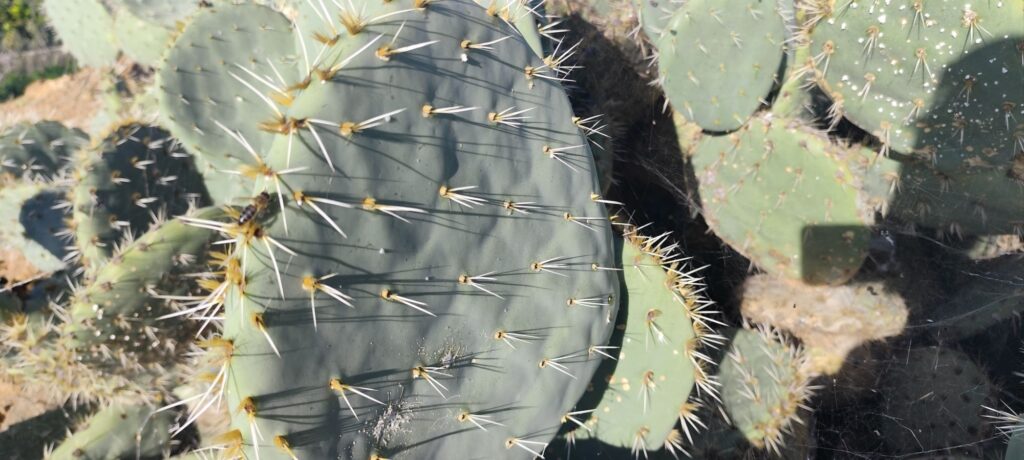
Opuntia is ideal for dry, sunny gardens with minimal irrigation.
With full sun, excellent drainage, and little maintenance, it can become a long-lived and iconic landscape plant.