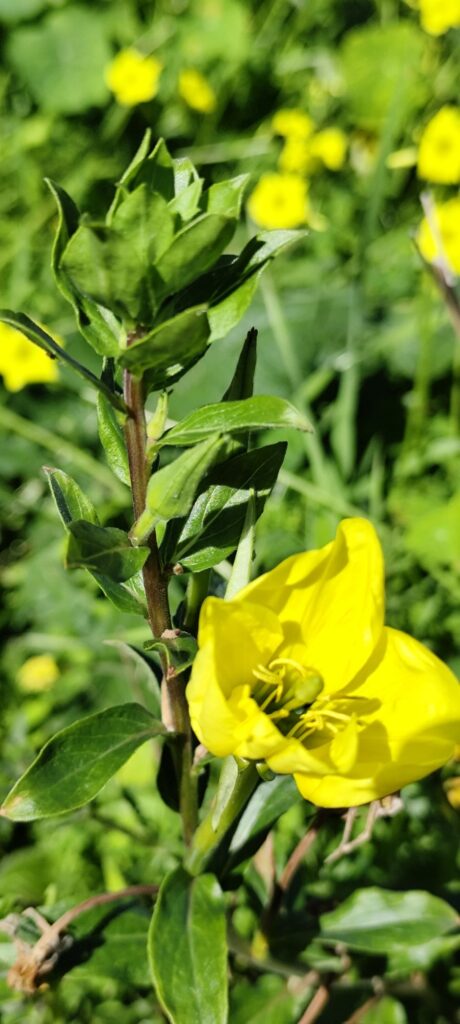
Overview of Oenothera biennis
Oenothera biennis, commonly known as evening primrose, onagra, or hierba de burro, is a biennial flowering plant valued for its bright yellow flowers that open in the evening. It is widely grown in ornamental gardens and naturalistic plantings for its resilience and distinctive blooming habit.
The plant is well known for its ability to thrive in poor soils and its strong adaptation to temperate climates.
Natural Origin and Distribution
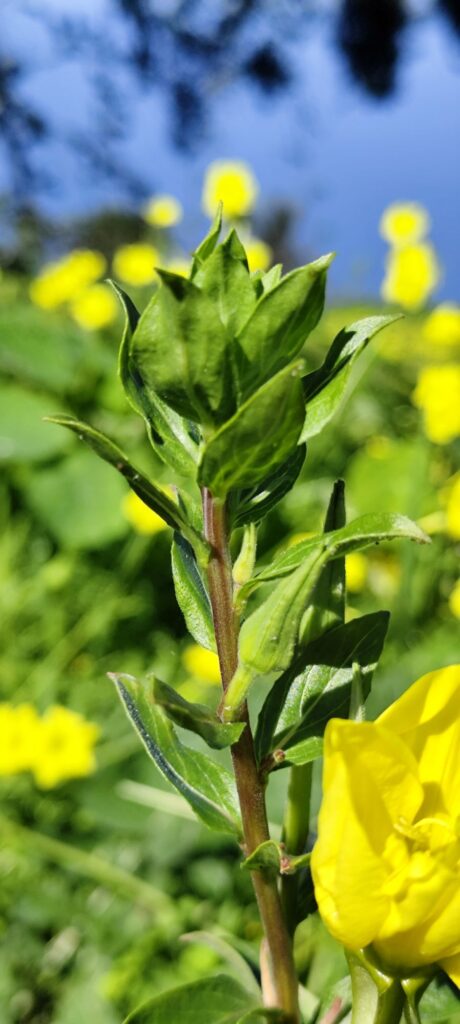
Oenothera biennis is native to North America, where it naturally grows in open fields, roadsides, meadows, and disturbed soils.
It has spread widely and is now naturalized in many regions of Europe, Asia, and other temperate areas around the world.
Physical Characteristics
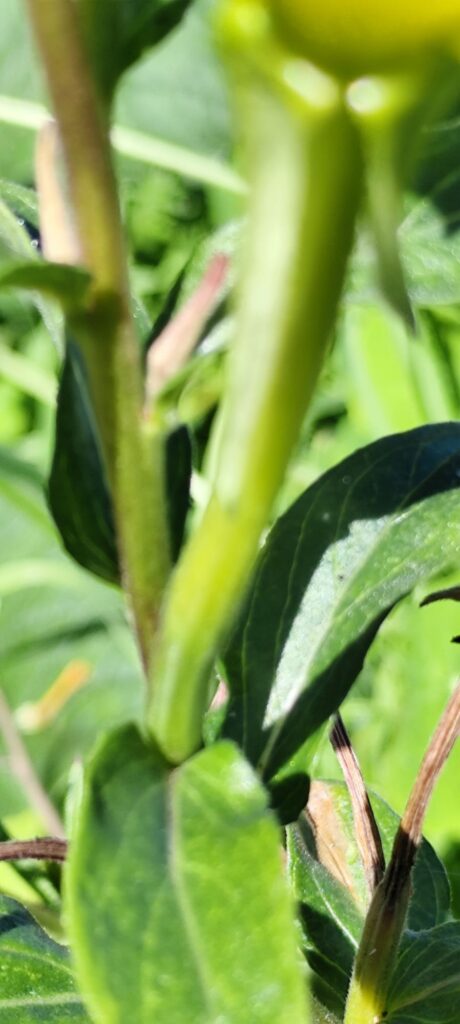
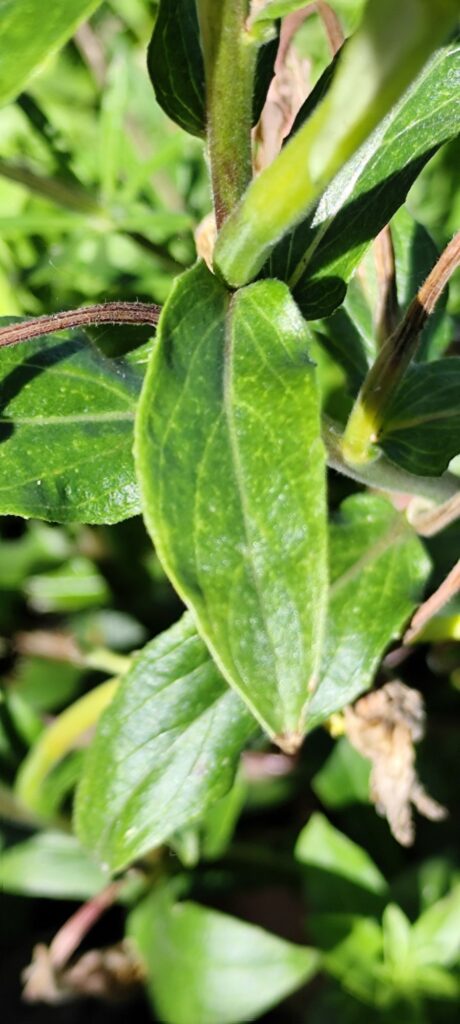
This plant forms a basal rosette of elongated, slightly toothed leaves during its first year of growth. In its second year, it produces an upright flowering stem.
The stems can reach heights of 1 to 1.5 meters and carry numerous yellow, four-petaled flowers that are lightly fragrant.
Flowering and Seasonal Interest
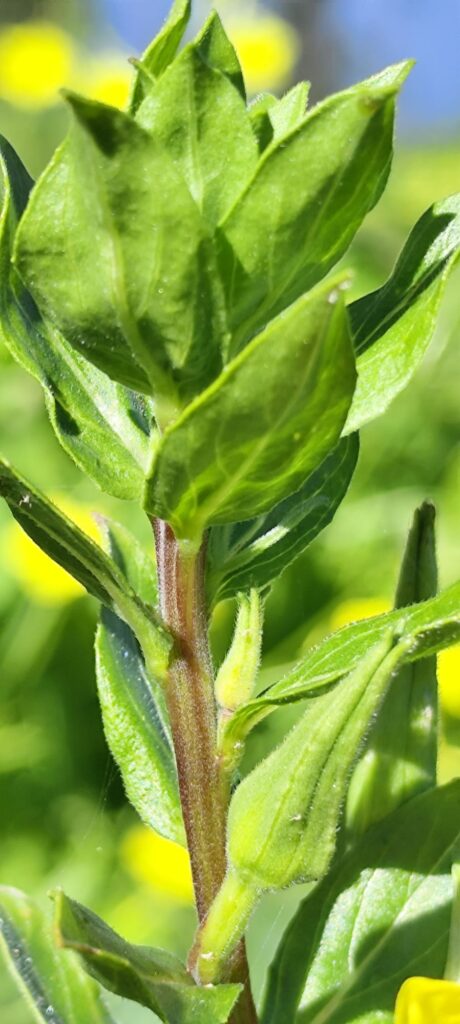
Oenothera biennis is notable for its evening-blooming behavior. The flowers typically open at dusk and may remain open through the night and into the morning.
Flowering occurs mainly from late spring through summer, providing interest during hours when many other plants are closed.
Growth Habit and Development

This species has a moderate to fast growth rate. As a biennial, it completes its life cycle over two years, often self-seeding to maintain populations.
Its natural tendency to reseed allows it to persist easily in suitable environments.
Climate and Light Requirements
Oenothera biennis thrives in temperate climates and prefers full sun exposure, though it tolerates light partial shade.
It is cold-hardy and tolerates frost during its dormant stages.
Soil Preferences
This plant adapts well to a wide range of soils, including sandy, rocky, and nutrient-poor soils.
Well-drained soil is preferred, though it tolerates less-than-ideal conditions better than many ornamental plants.
Water Requirements

Watering should be moderate. Once established, Oenothera biennis is drought-tolerant and requires minimal supplemental watering.
Excessive moisture should be avoided.
Maintenance and Care
This is a very low-maintenance plant. Little care is required beyond occasional thinning if self-seeding becomes excessive.
Deadheading is optional and may reduce uncontrolled reseeding.
Safety Notice
Oenothera biennis is grown for ornamental and traditional uses. This article does not recommend medicinal or dietary use.
Standard gardening care is sufficient when handling the plant.
Uses in Landscaping
This species is widely used in wildflower gardens, naturalized areas, cottage gardens, and meadow-style plantings.
Its evening flowers make it especially suitable for gardens designed for nighttime interest.
Visual and Environmental Value

Visually, evening primrose adds bright yellow color and tall vertical form to garden spaces.
The flowers attract nocturnal pollinators, contributing to ecological diversity.
Suitability for Gardens
Oenothera biennis is ideal for gardeners seeking a hardy, low-maintenance plant with unique flowering behavior.
With full sun, well-drained soil, and minimal care, it can become a reliable and self-sustaining garden species.