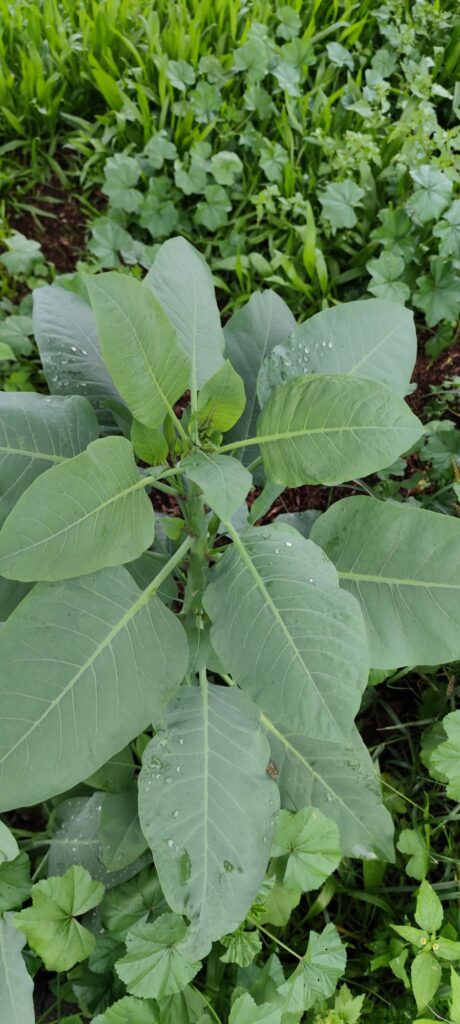
Overview of Nicotiana glauca
Nicotiana glauca, commonly known as tree tobacco, palán-palán, or tabaquillo, is a fast-growing woody shrub or small tree belonging to the Solanaceae family. It is recognized for its bluish-green foliage, upright form, and tubular yellow flowers.
This species is mainly of botanical and ecological interest and is often found in disturbed or open landscapes.
Natural Origin and Distribution
Nicotiana glauca is native to South America, particularly regions of Argentina and Bolivia.
It has been widely introduced and naturalized in many warm regions worldwide, including Mediterranean climates, where it grows along roadsides, ravines, and degraded land.
Physical Characteristics
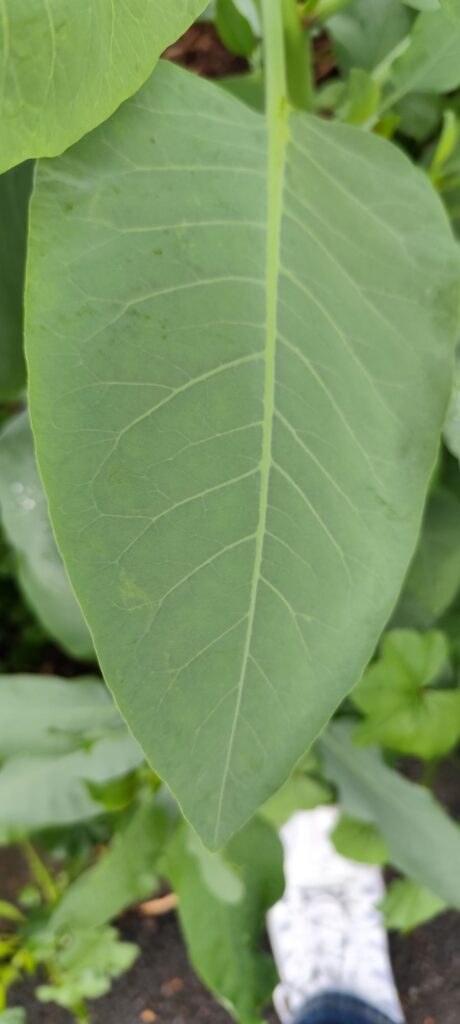
This plant develops as a large shrub or small tree with smooth, greyish bark and branching stems. It can reach heights of 3 to 7 meters under favorable conditions.
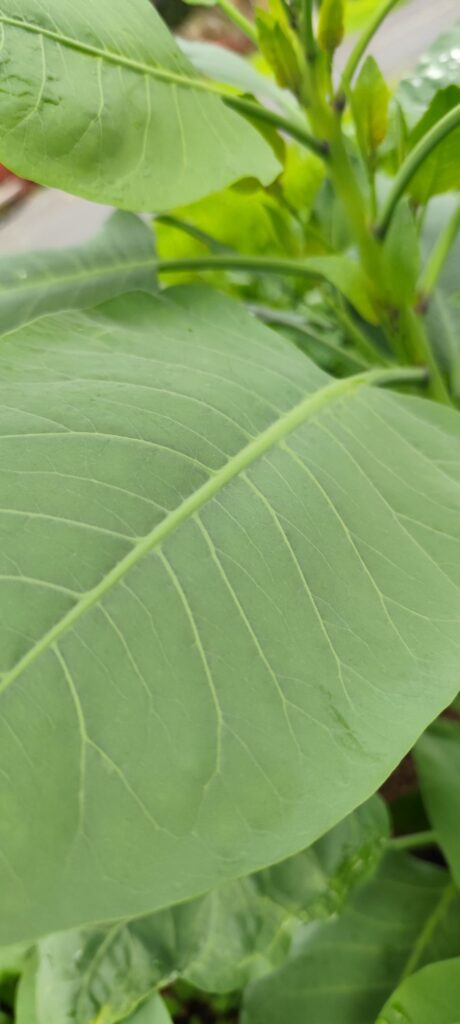
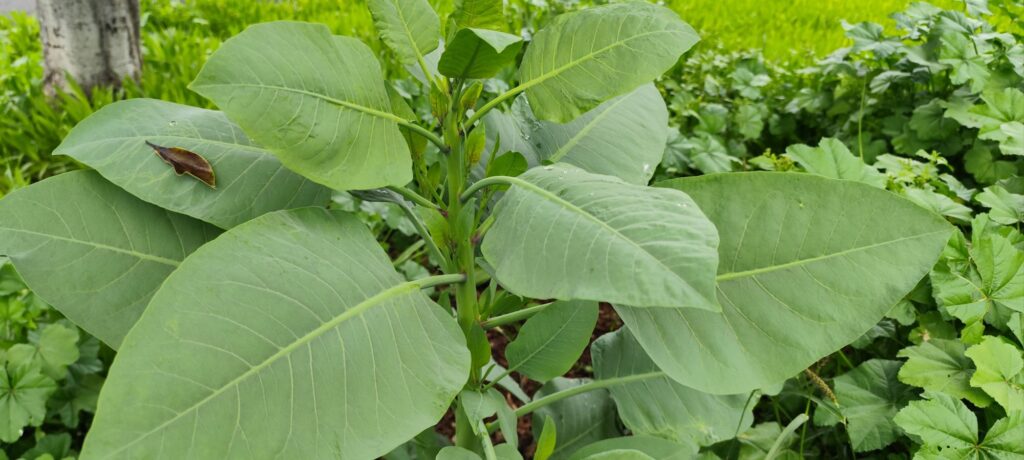
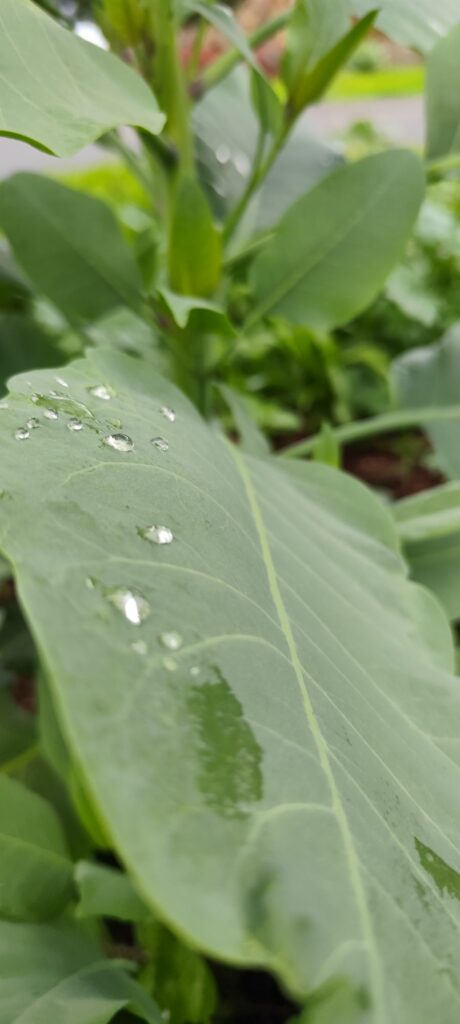
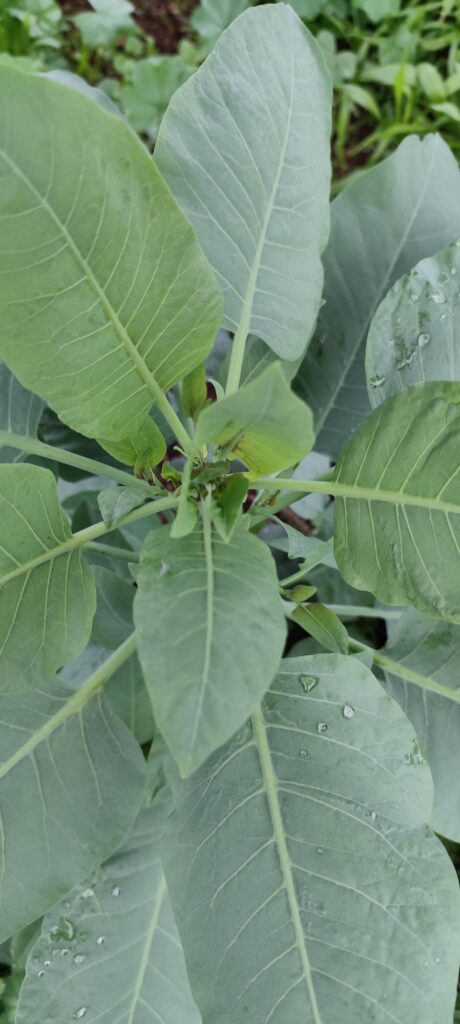
The leaves are large, oval to lance-shaped, and bluish-green with a soft, waxy surface.
Flowering and Seasonal Interest
Nicotiana glauca produces clusters of tubular, bright yellow flowers at the ends of branches.
Flowering may occur for extended periods, especially in warm climates, providing seasonal visual interest.
Growth Habit and Development
This species has a very fast growth rate and establishes quickly in open ground.
It readily regenerates from seed and can spread efficiently in suitable environments.
Climate and Light Requirements
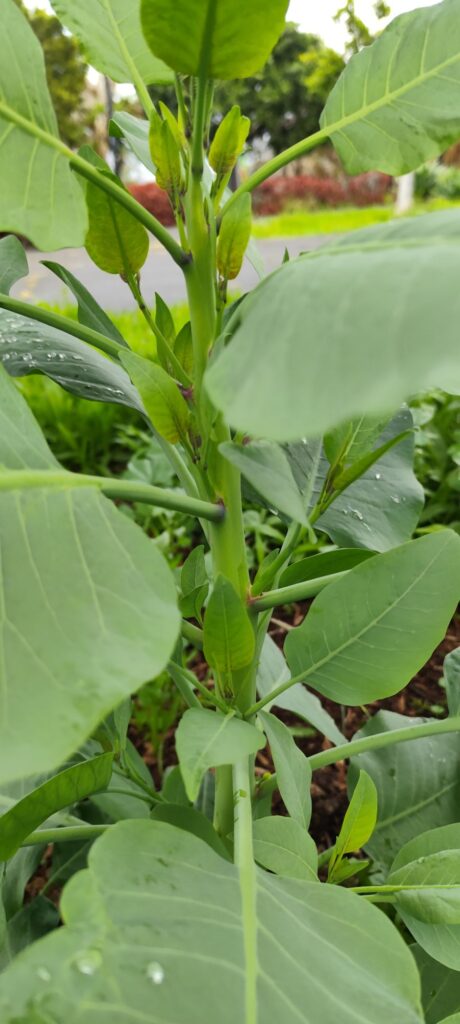
Nicotiana glauca thrives in warm to temperate climates and prefers full sun exposure.
It tolerates heat, drought, and poor soils but is sensitive to heavy frost.
Soil Preferences
This plant adapts to a wide range of soils, including rocky, sandy, and nutrient-poor substrates.
Well-drained soil is preferred, although it tolerates challenging conditions.
Water Requirements
Water needs are low once the plant is established. It tolerates prolonged dry periods.
Excessive watering is unnecessary and may reduce plant vigor.
Maintenance and Care
This is a very low-maintenance plant. In managed areas, pruning may be required to control size.
Monitoring is recommended due to its ability to spread rapidly.
Safety and Toxicity Notice
Nicotiana glauca contains toxic compounds and should not be consumed.
Handling should be done with care, and the plant should be kept away from children and animals.
Uses in Landscaping
This species is not commonly used in ornamental landscaping.
It may be present in naturalized areas, restoration projects, or as spontaneous vegetation.
Visual and Environmental Value

Visually, tree tobacco provides a tall, open structure with contrasting bluish foliage and yellow flowers.
Ecologically, it contributes to vegetation cover in disturbed environments.
Suitability for Gardens
Nicotiana glauca is suitable for naturalistic or unmanaged landscapes in warm climates.
In formal gardens, regular control is advised due to its vigorous growth and spreading behavior.