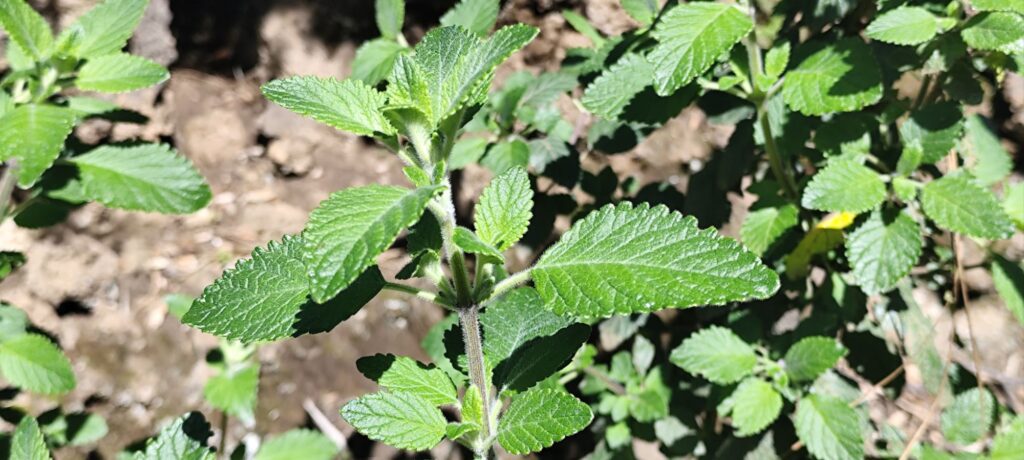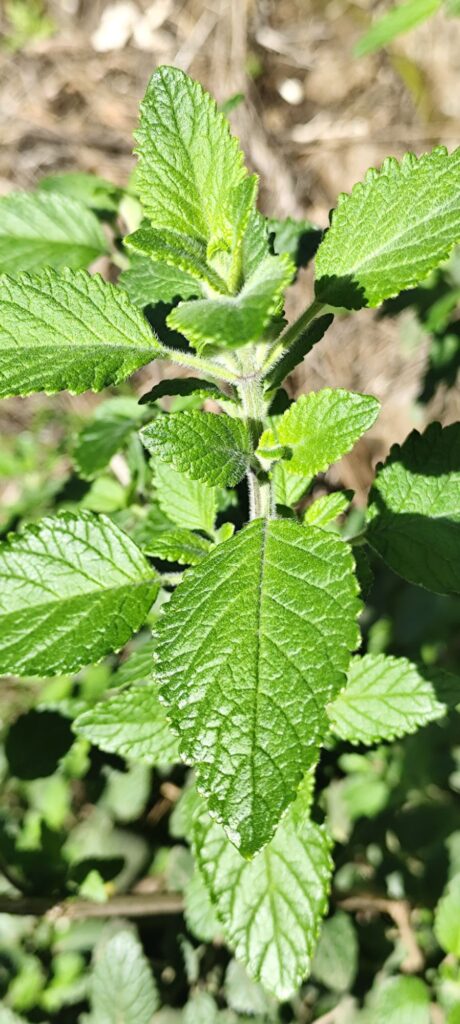
Overview of Melissa officinalis
Melissa officinalis, commonly known as lemon balm, melisa, toronjil, or hoja de limón, is a perennial aromatic herb appreciated for its fresh lemon-scented foliage and vigorous growth. It belongs to the Lamiaceae family and is widely cultivated in gardens for ornamental, educational, and traditional purposes.
The plant is especially valued for its fragrance and soft, lush appearance.
Natural Origin and Distribution
Melissa officinalis is native to southern Europe, the Mediterranean region, and western Asia. It naturally grows in open woodland edges, meadows, and well-lit valleys.
Due to its adaptability, it is now widely cultivated and naturalized in temperate regions around the world.
Physical Characteristics

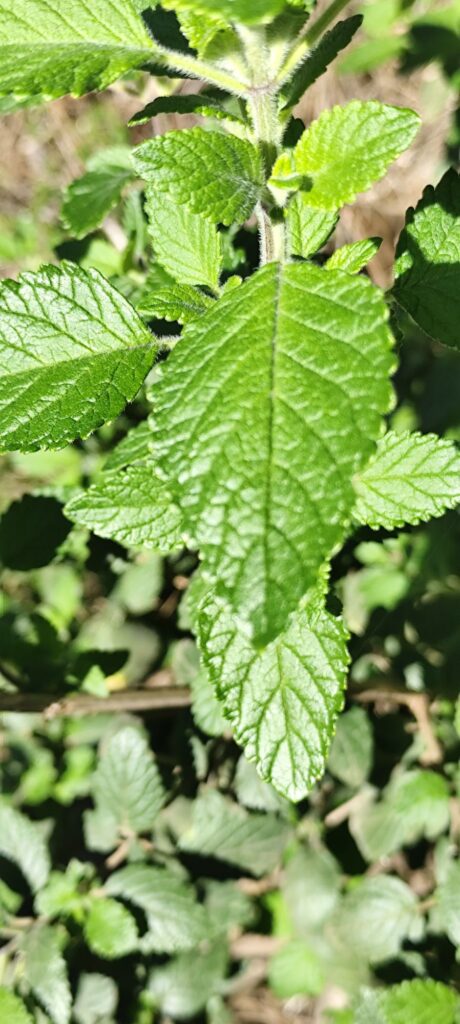
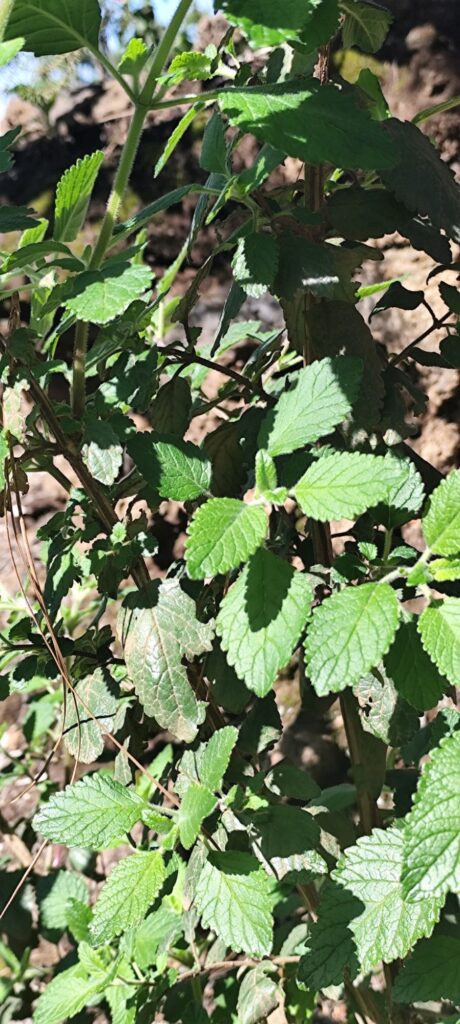
This species forms a bushy, herbaceous plant with square stems and opposite, ovate leaves. The leaves are medium green, softly textured, and strongly aromatic when touched.
Small white to pale yellow flowers appear in clusters along the upper stems during the flowering period.
Flowering and Seasonal Interest
Melissa officinalis typically flowers from late spring through summer. The flowers are modest but add subtle interest and attract pollinating insects.
The foliage remains attractive throughout the growing season, especially when regularly refreshed by light pruning.
Growth Habit and Development

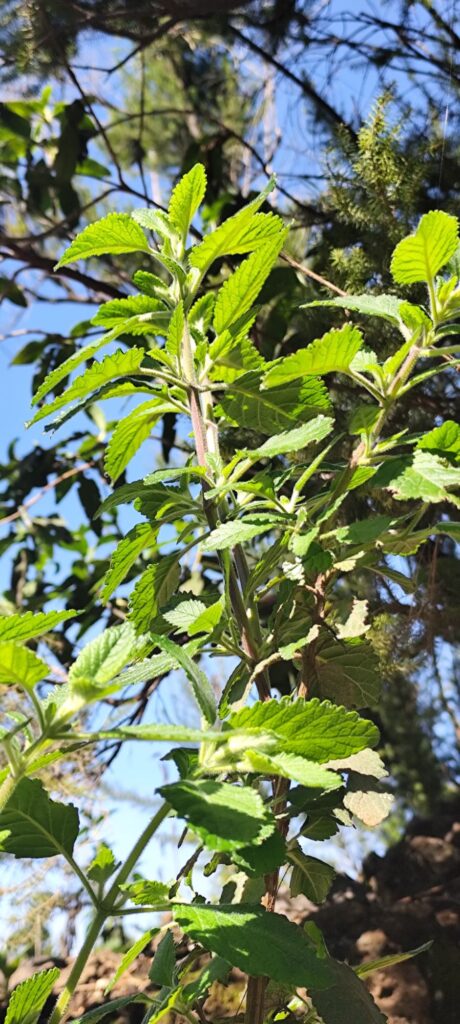
This plant has a fast growth rate and can reach heights of 60 to 100 centimeters under favorable conditions.
It spreads easily by underground stems and self-seeding, forming dense clumps if not managed.
Climate and Light Requirements

Melissa officinalis thrives in temperate climates and prefers full sun to partial shade. Light shade is beneficial in hotter regions.
It is cold-hardy and regrows readily after winter dormancy.
Soil Preferences

This plant performs best in fertile, well-drained soils with moderate moisture.
It tolerates a wide range of soil types but does not perform well in waterlogged conditions.
Water Requirements

Regular watering is recommended, especially during active growth. The soil should remain lightly moist but not saturated.
Once established, the plant tolerates short dry periods.
Maintenance and Care

This is a low-maintenance plant. Regular trimming helps maintain shape and prevents excessive spreading.
Cutting back after flowering encourages fresh leaf growth.

Safety and Usage Notice

Melissa officinalis is traditionally known for culinary and cultural uses. This article does not recommend medicinal or dietary use.
Standard gardening care is sufficient when handling the plant.
Uses in Landscaping
This species is commonly used in herb gardens, cottage gardens, and mixed borders. Its soft foliage blends well with flowering perennials.
It is also suitable for container cultivation.
Visual and Environmental Value
Visually, lemon balm adds a fresh, soft green texture to garden spaces.
Its flowers attract bees and other pollinators, supporting garden biodiversity.
Suitability for Gardens and Containers
Melissa officinalis is ideal for temperate gardens where aromatic foliage and easy growth are desired.
With moderate watering, occasional pruning, and suitable light, it can remain a productive and decorative perennial plant.