Overview of Lavandula lanata
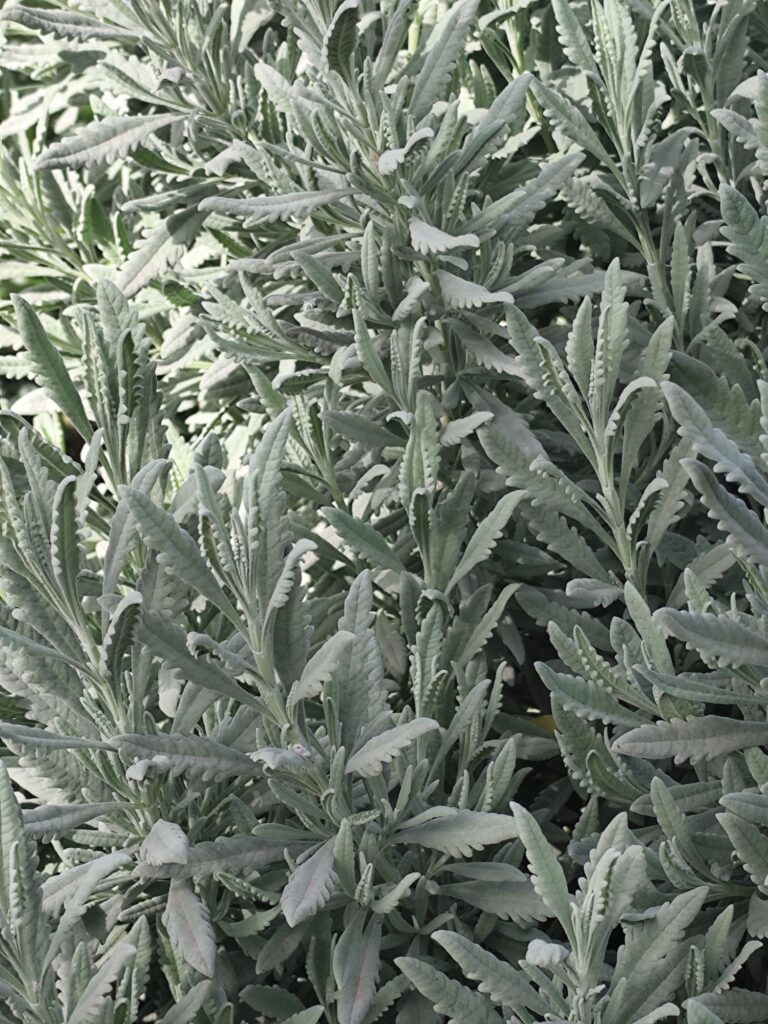
Lavandula lanata, commonly known as woolly lavender and locally referred to as alhucema or huagazo, is a perennial aromatic shrub admired for its silvery foliage and soft, woolly texture. It is often described as a hybrid lavender type and is valued for both its ornamental appearance and drought tolerance.
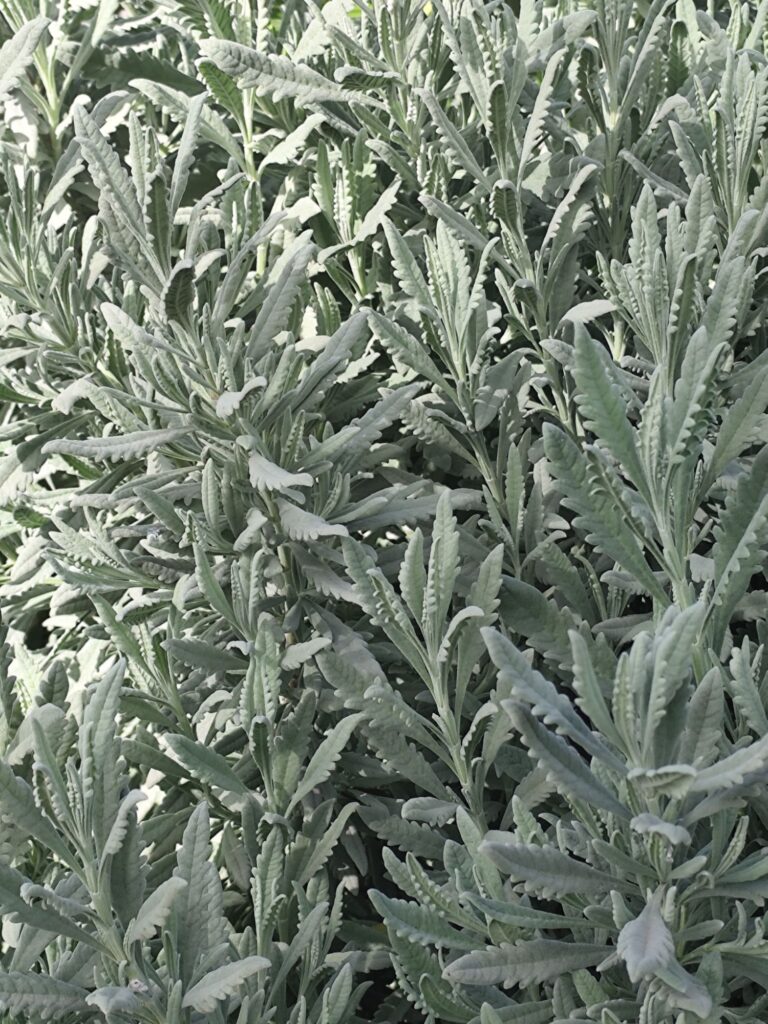
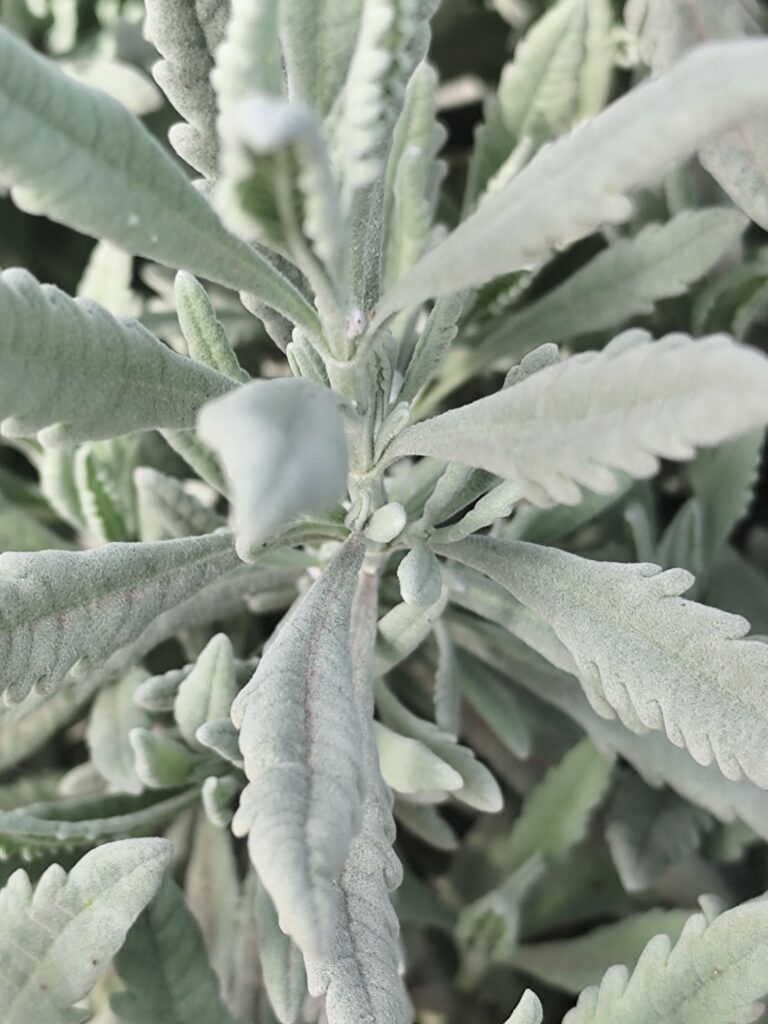
This species stands out among lavenders due to its thickly felted leaves and refined, compact form.
Natural Origin and Background
Lavandula lanata originates from the western Mediterranean region, particularly southern Spain, where it grows in dry, rocky landscapes and limestone soils.
Its natural adaptation to harsh, sun-exposed environments has made it well suited to Mediterranean and semi-arid garden conditions.
Physical Characteristics
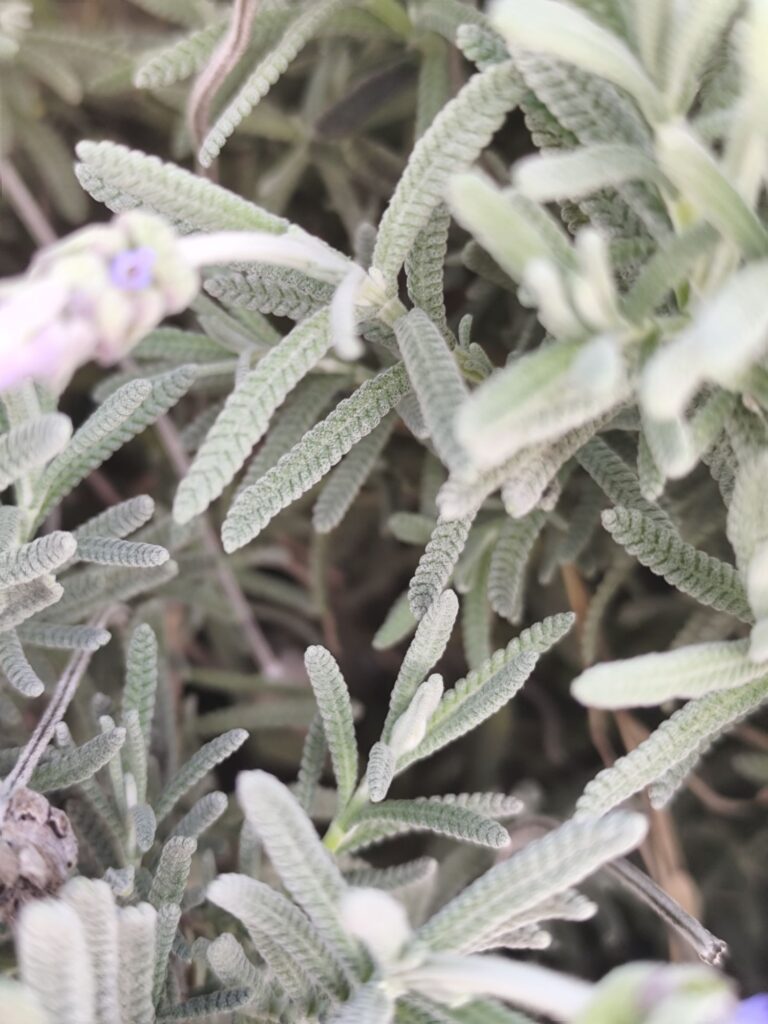
This plant forms a compact, rounded shrub typically reaching heights of 40 to 60 centimeters. The leaves are narrow, elongated, and densely covered with silvery-white hairs, giving the plant a soft, woolly appearance.
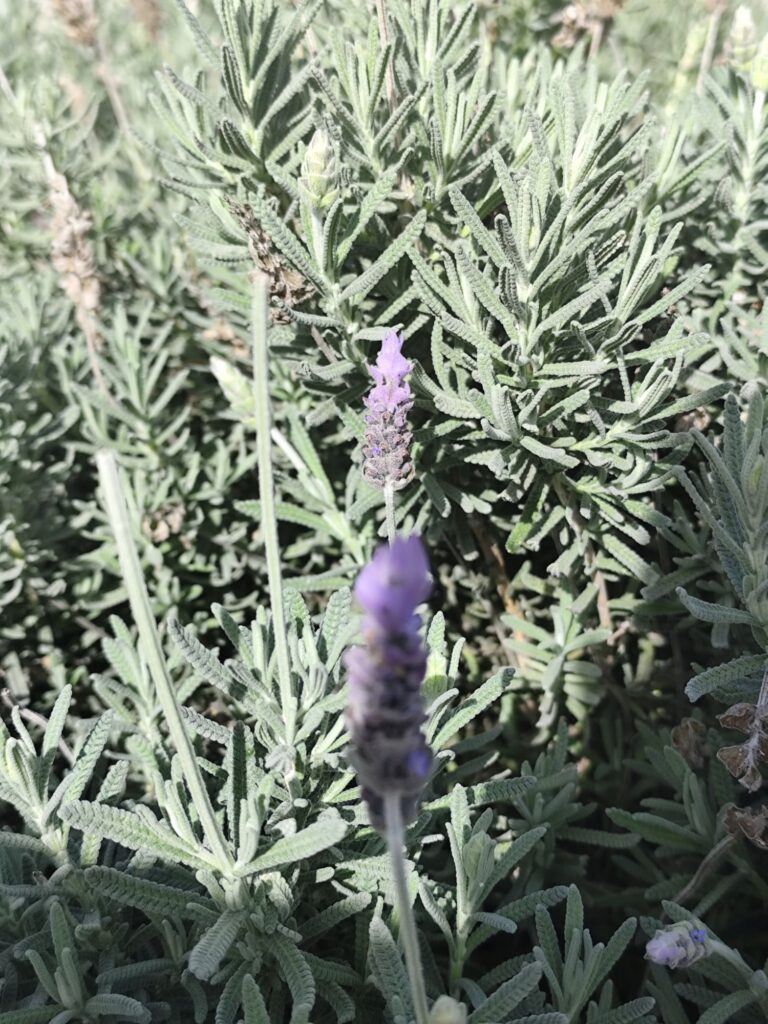
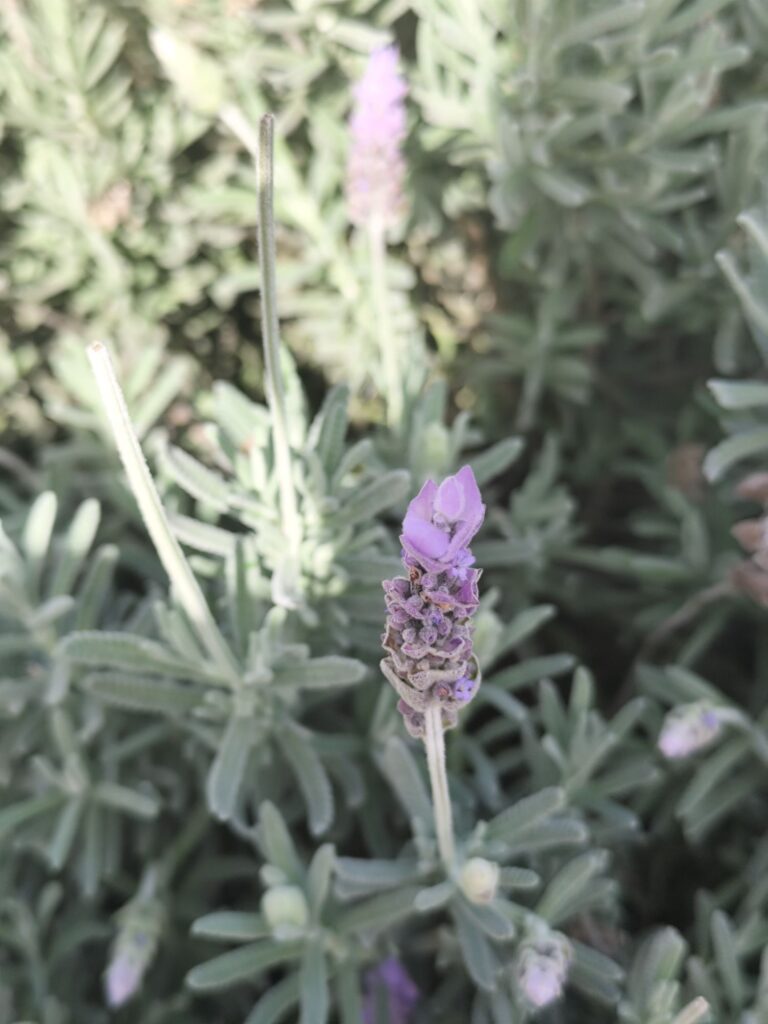
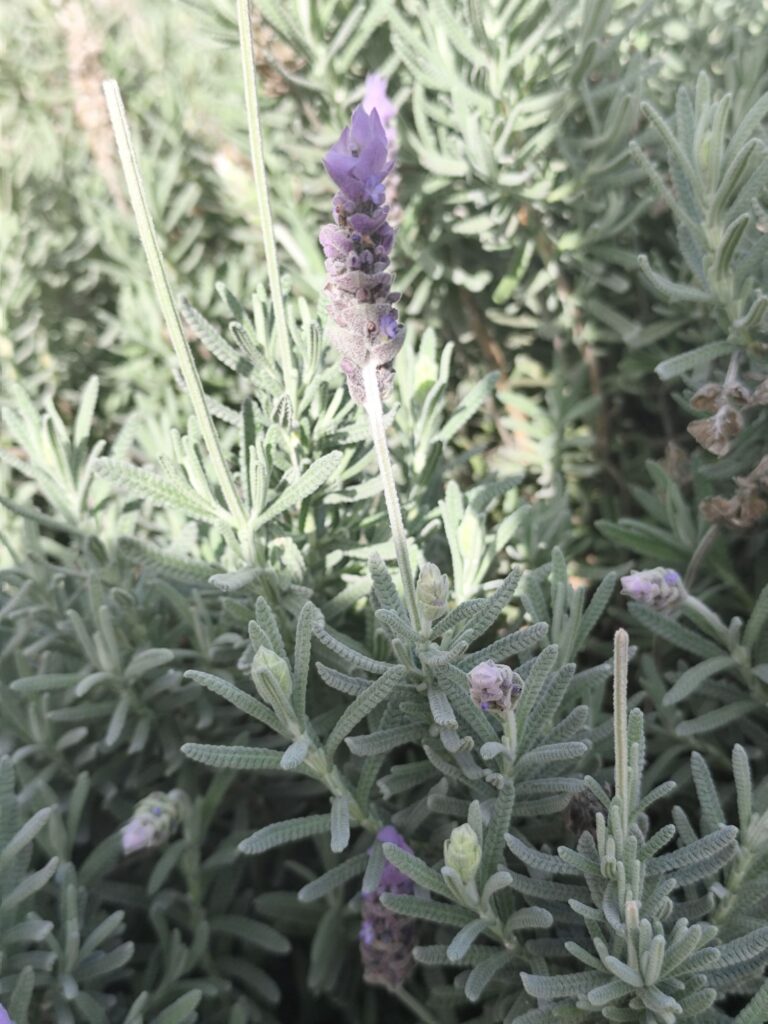
The flowers are borne on upright stems above the foliage and are usually deep purple to violet in color.
Flowering and Seasonal Interest
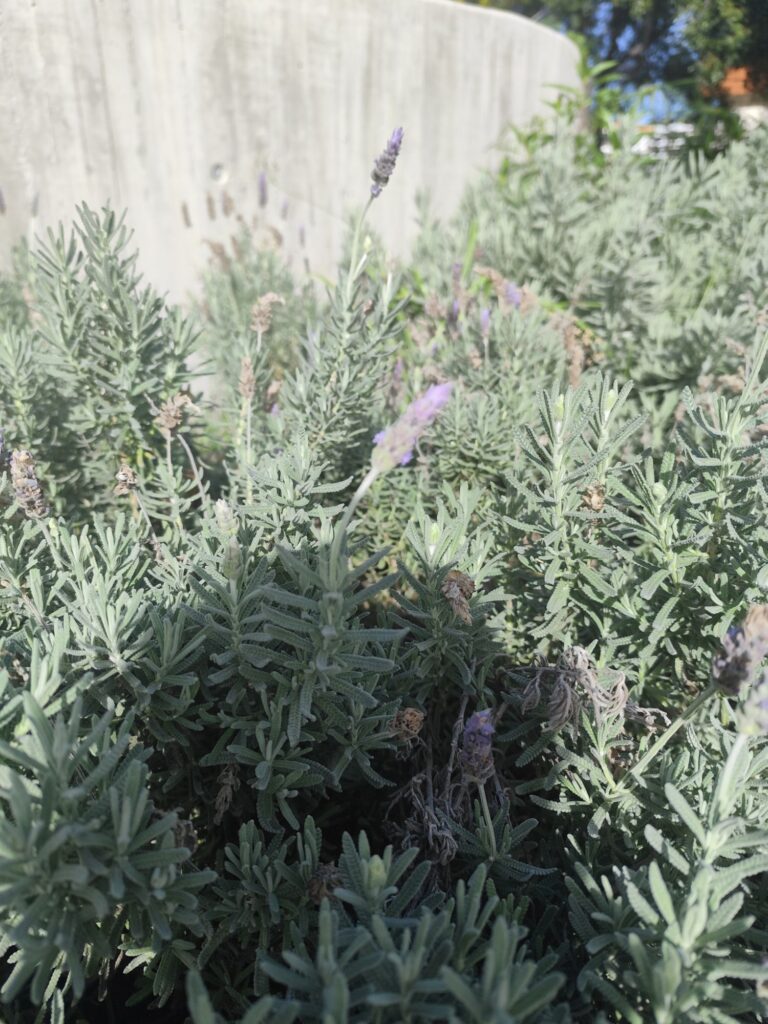
Lavandula lanata flowers mainly in late spring to early summer. The flowering display is neat and elegant, providing strong contrast against the silver foliage.
Even when not in bloom, the foliage remains highly decorative throughout the year.
Growth Habit and Development
This species has a slow to moderate growth rate and maintains a naturally compact shape.
Its dense foliage helps protect the plant from heat and water loss, contributing to its longevity in dry climates.
Climate and Light Requirements
Lavandula lanata thrives in warm, dry climates and requires full sun exposure for optimal growth and flowering.
It tolerates heat very well but does not perform well in humid or poorly ventilated environments.
Soil Preferences
Excellent drainage is essential. This lavender performs best in sandy, rocky, or calcareous soils with low fertility.
Heavy, clay, or water-retentive soils should be avoided.
Water Requirements
Once established, Lavandula lanata is highly drought-tolerant. Watering should be infrequent, allowing the soil to dry completely between watering cycles.
Excessive watering can lead to root problems and reduced plant health.
Maintenance and Care
This is a low-maintenance plant. Light pruning after flowering helps maintain shape and encourages fresh growth.
Hard pruning into old woody growth should be avoided.
Safety Notice
Lavandula lanata is grown strictly for ornamental purposes. It should not be consumed or used for medicinal applications.
Standard gardening care is sufficient when handling the plant.
Uses in Landscaping
This species is widely used in Mediterranean gardens, rock gardens, dry borders, and low-water landscapes.
Its silver foliage makes it an excellent contrast plant alongside green or dark-leaved species.
Visual and Environmental Value
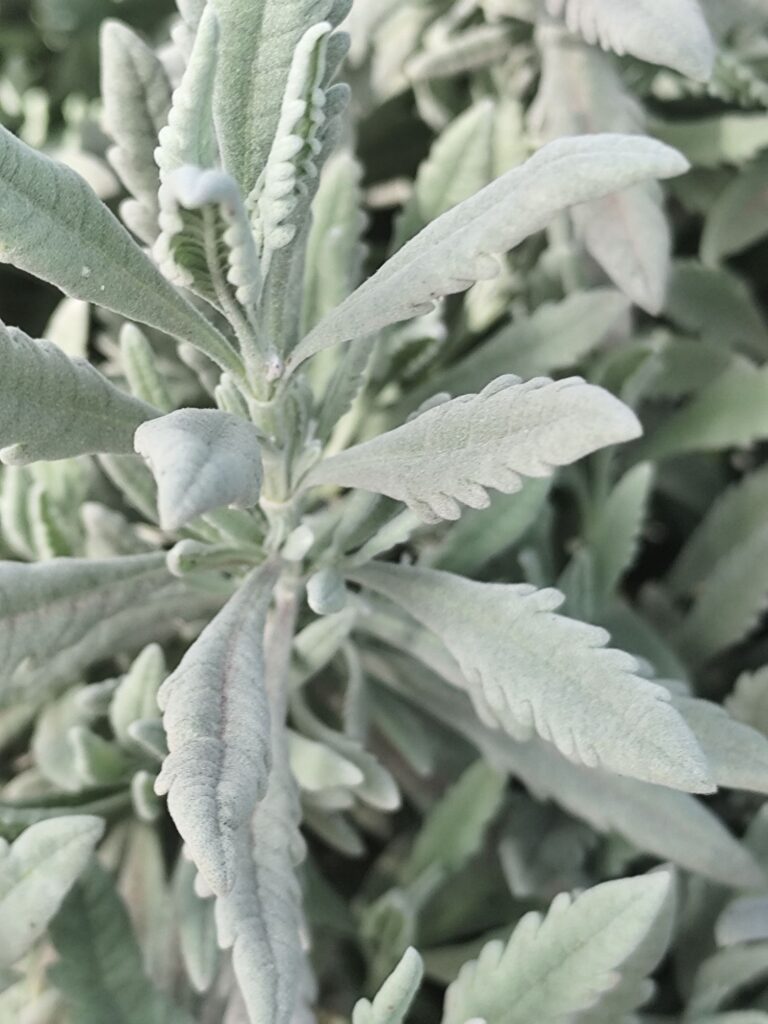
Visually, woolly lavender adds texture, softness, and brightness through its silvery foliage.
Environmentally, it supports drought-tolerant and water-efficient garden design.
Suitability for Gardens and Containers
Lavandula lanata is ideal for sunny gardens in dry climates and for container growing with excellent drainage.
With full sun, minimal watering, and proper soil conditions, it can remain a long-lived and elegant ornamental shrub.