Overview of Lavandula canariensis
Lavandula canariensis, commonly known as Canary Island lavender or “matorrisco común,” is a perennial aromatic shrub endemic to the Canary Islands. It is appreciated for its finely divided foliage, soft texture, and subtle lavender-colored flowers.
This species differs from common European lavenders by having a more open, shrubby growth habit and a less compact floral display.
Natural Origin and Distribution
Lavandula canariensis is native exclusively to the Canary Islands. It grows naturally on rocky slopes, dry hillsides, and open scrubland, often in areas with volcanic soils.
Its adaptation to island conditions makes it particularly resilient to drought, wind, and strong sunlight.
Physical Characteristics
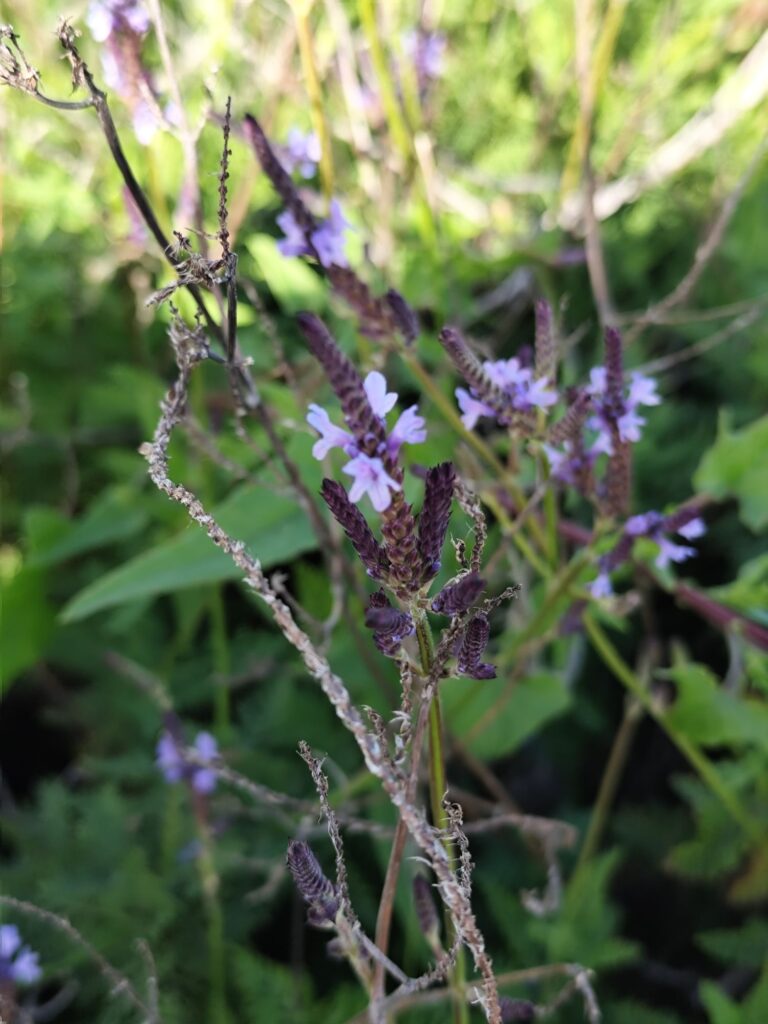
This plant forms a rounded to irregular shrub, usually reaching heights of 60 to 120 centimeters. The stems become woody at the base, while the upper growth remains soft and flexible.
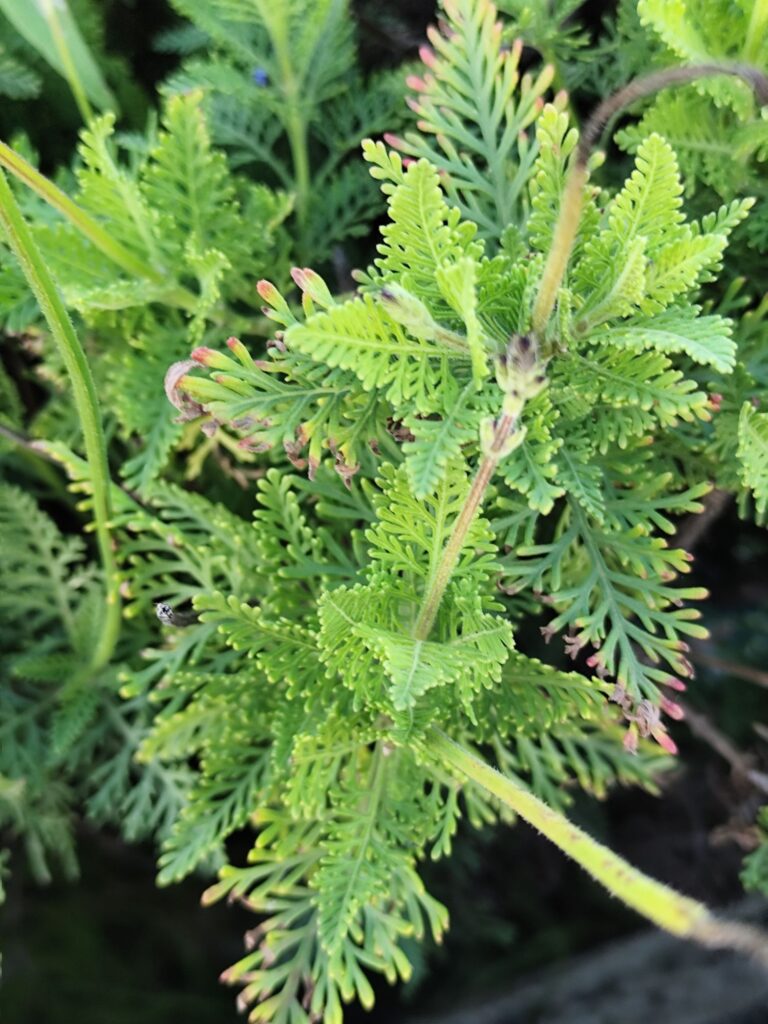
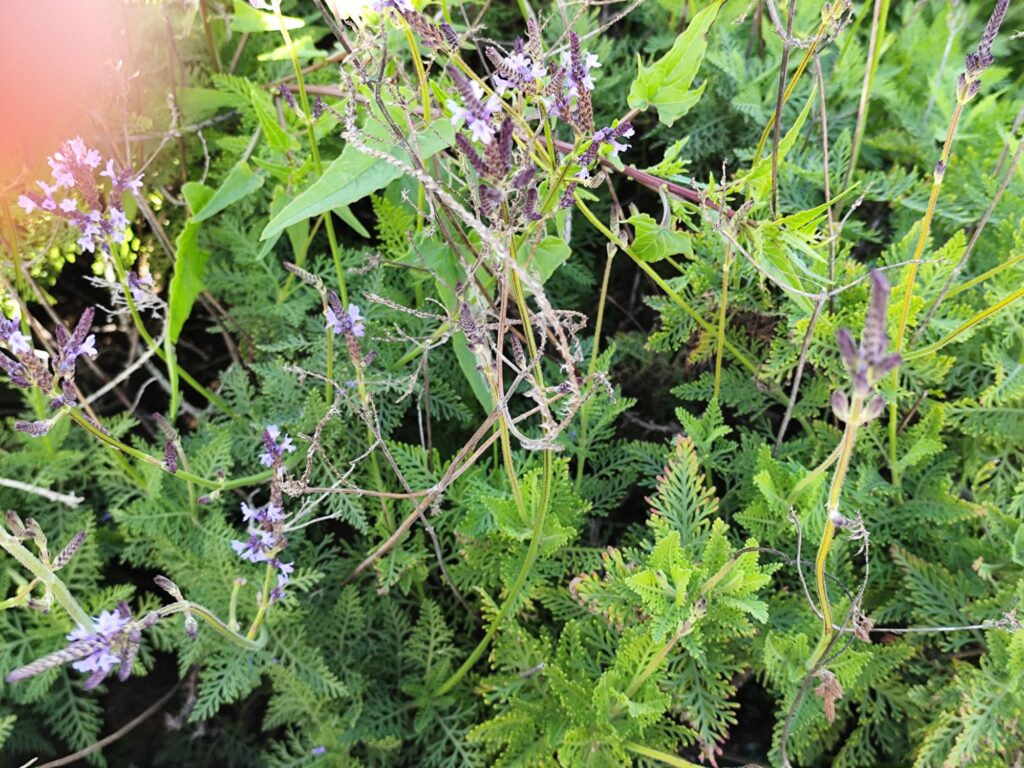
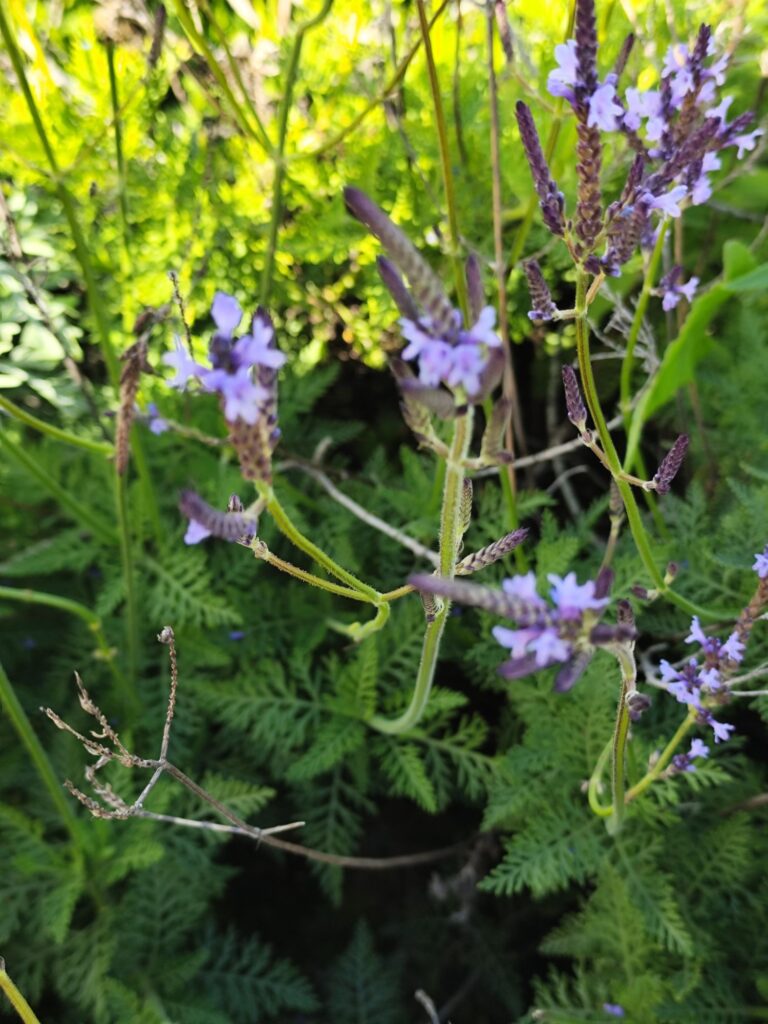
The leaves are finely divided, gray-green in color, and lightly aromatic. The flowers are small and pale violet to lavender, borne on slender stems above the foliage.
Flowering and Seasonal Interest
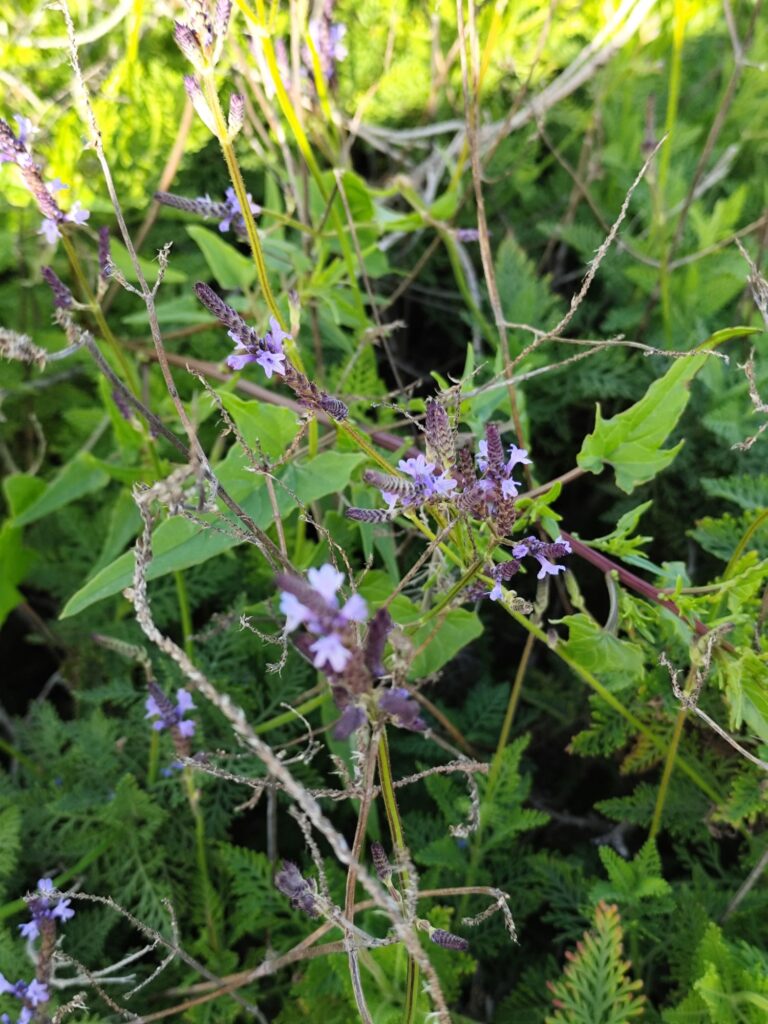
Flowering typically occurs from late winter through spring, depending on rainfall and local climate conditions. The flowering is delicate but can last for several weeks.
Even when not in bloom, the foliage provides year-round structure and texture.
Growth Habit and Development
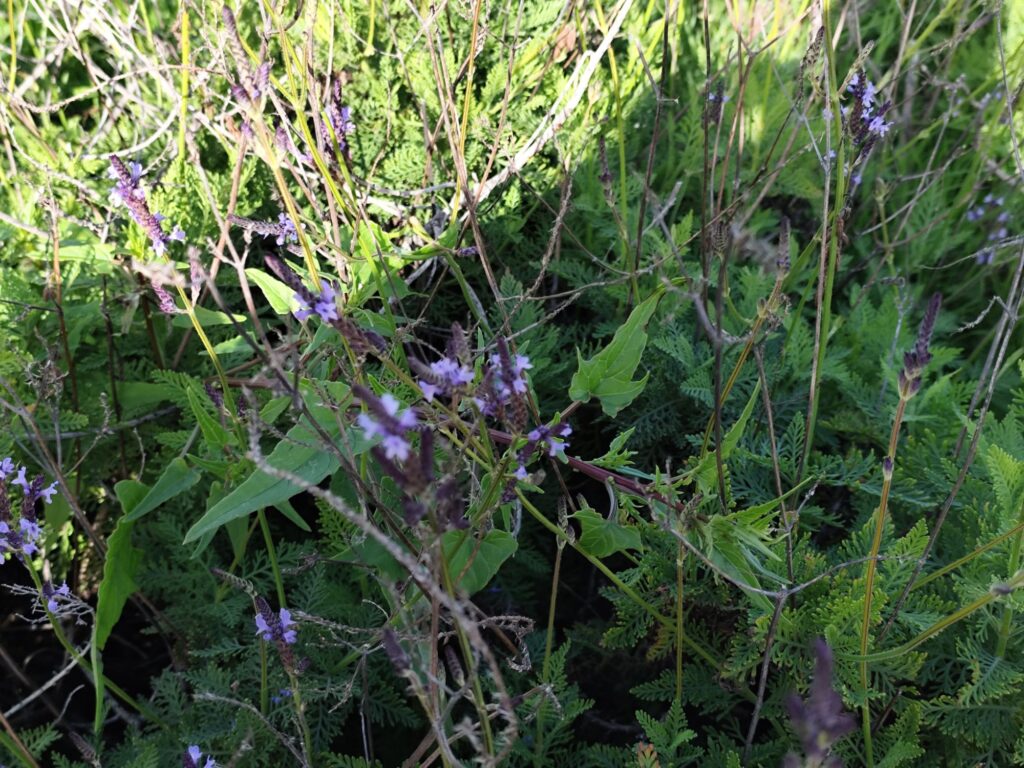
Lavandula canariensis has a moderate growth rate and develops a naturally loose, airy form. Over time, the base becomes woody while new growth appears at the tips.
Light pruning after flowering helps maintain shape and encourages fresh growth.
Climate and Light Requirements
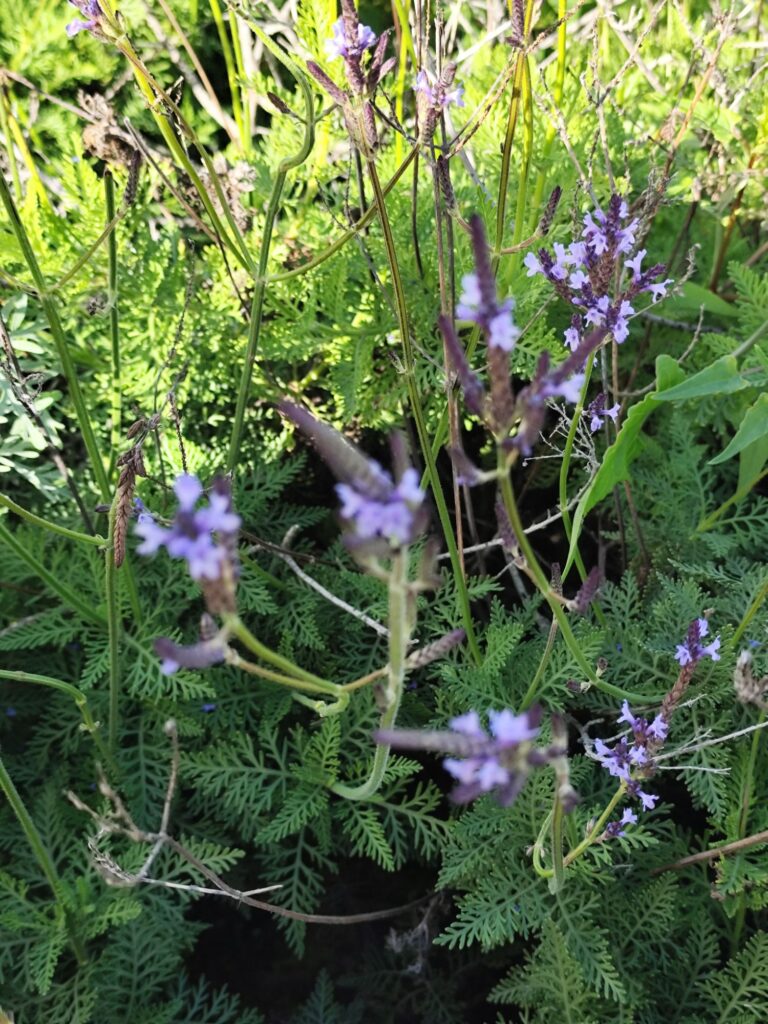
This species thrives in warm climates and prefers full sun exposure. Strong sunlight supports healthy growth and flowering.
It does not tolerate heavy frost and is best suited to frost-free or mild-winter regions.
Soil Preferences
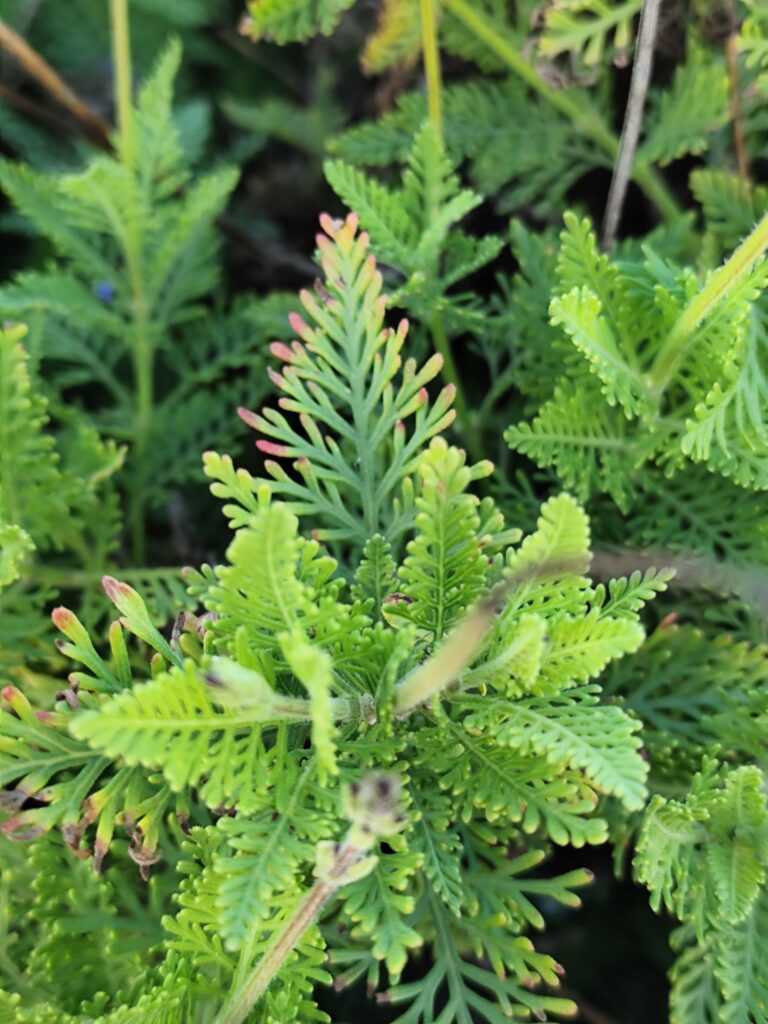
Well-drained soil is essential. Lavandula canariensis performs best in sandy, rocky, or volcanic soils with low to moderate fertility.
Heavy or water-retentive soils should be avoided.
Water Requirements
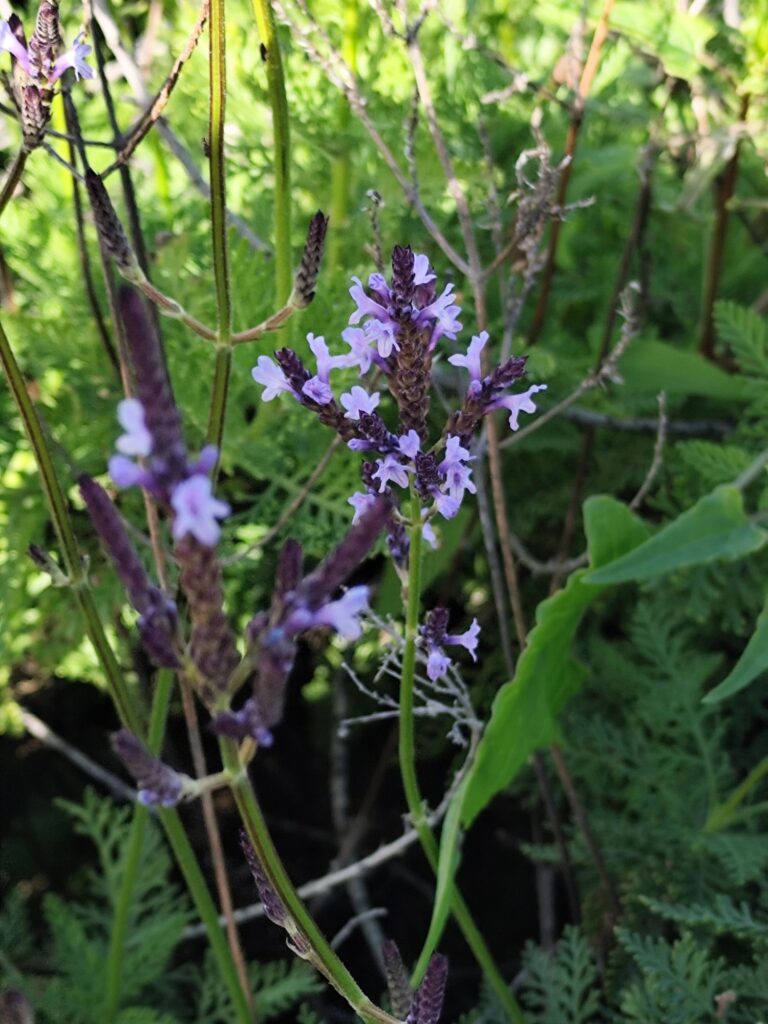
Once established, this plant is highly drought-tolerant. Watering should be occasional, allowing the soil to dry between watering cycles.
Overwatering can reduce plant vigor and should be avoided.
Maintenance and Care
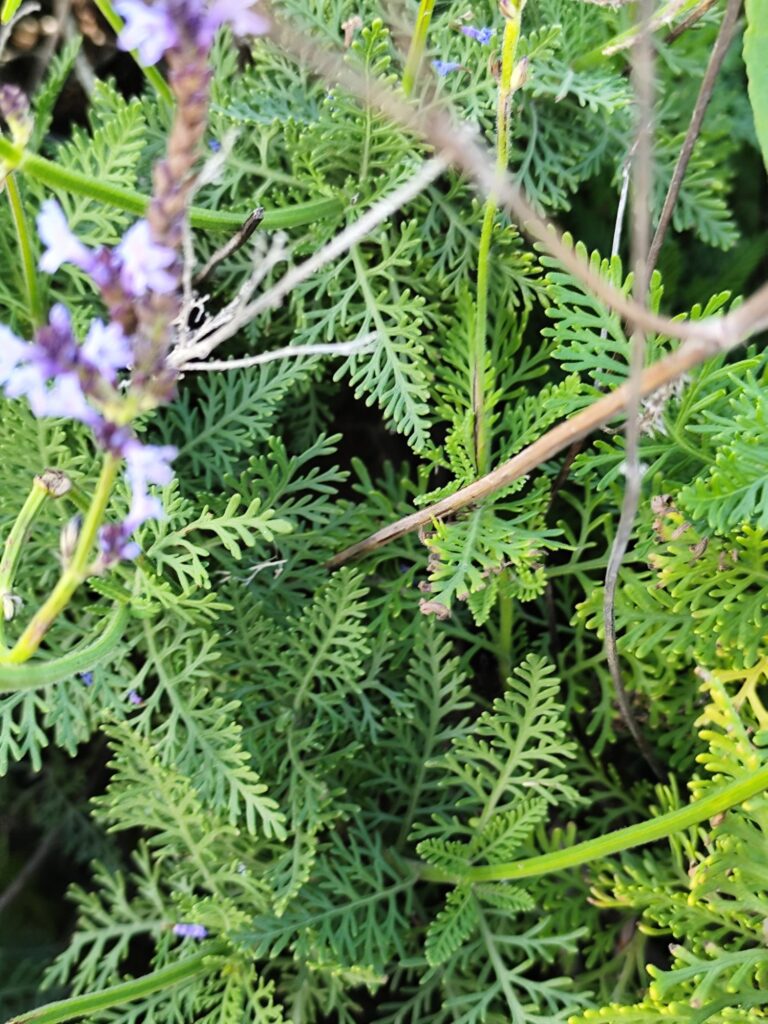
This is a low-maintenance shrub. Occasional pruning helps prevent excessive woodiness and maintains a balanced shape.
Fertilization is rarely necessary, as the plant thrives in nutrient-poor soils.
Safety Notice
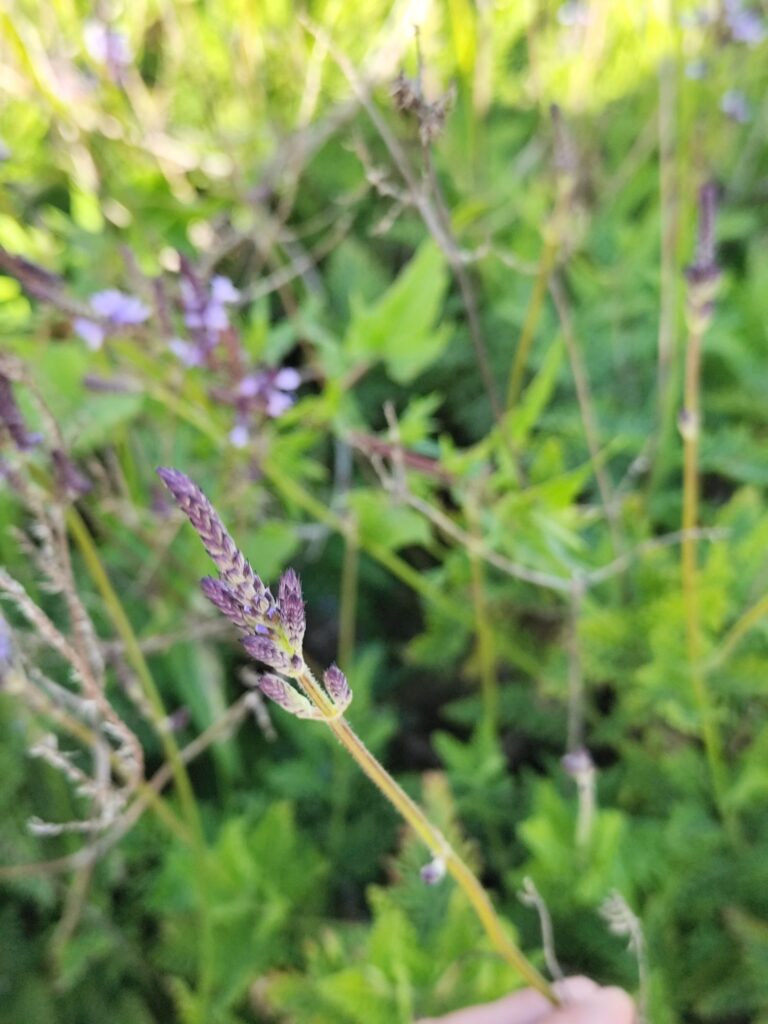
Lavandula canariensis is grown strictly for ornamental and ecological purposes. It should not be consumed or used for medicinal applications.
Standard gardening precautions are sufficient when handling the plant.
Uses in Landscaping
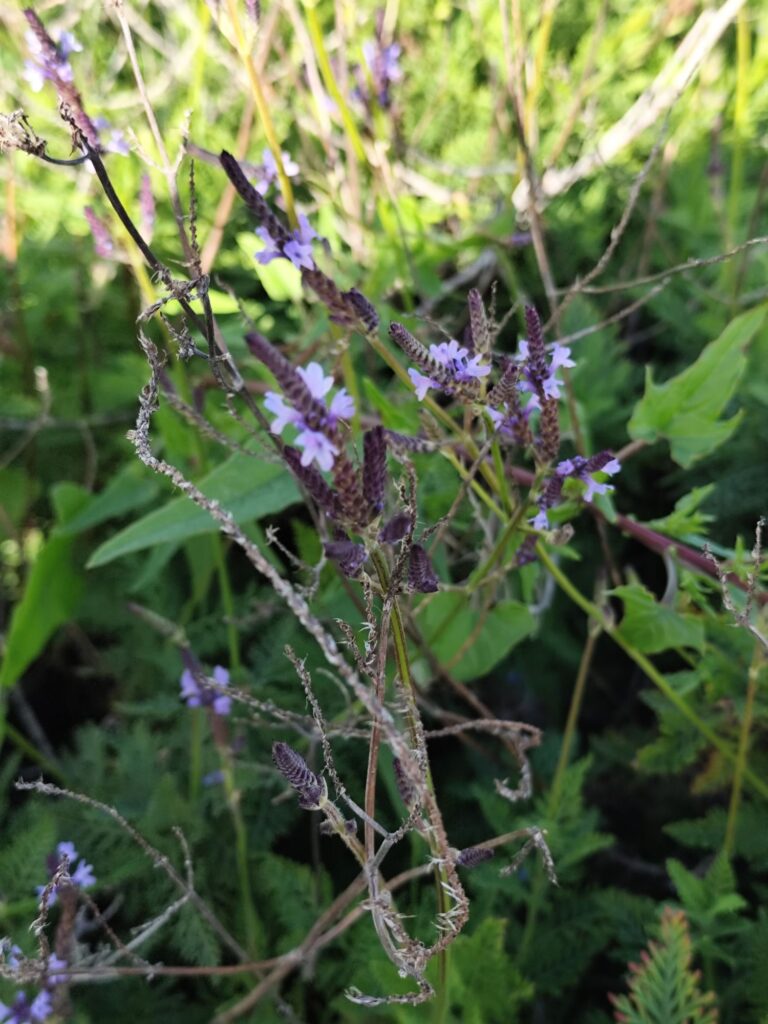
Lavandula canariensis is widely used in naturalistic gardens, Mediterranean landscapes, and native plant designs. It works well on slopes and in mixed shrub plantings.
Its low water requirements make it suitable for sustainable and low-maintenance gardens.
Visual and Ecological Value
Visually, the plant adds softness, texture, and a natural appearance to landscapes. Its muted colors blend well with other drought-tolerant species.
Ecologically, it supports local biodiversity and reflects the native flora of the Canary Islands.
Suitability for Gardens and Natural Areas
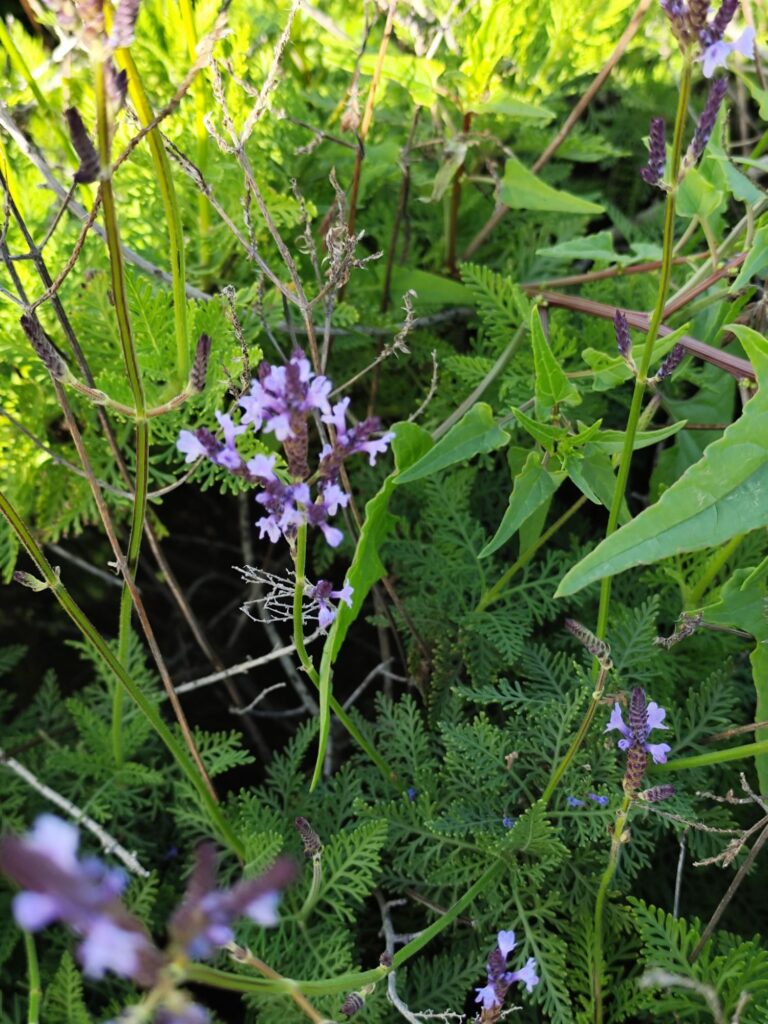
Lavandula canariensis is ideal for gardens in warm, dry climates where native or drought-adapted plants are desired.
With full sun, excellent drainage, and minimal care, it can remain a long-lived and authentic feature in Canary Island-style landscapes.