Overview of Lantana montevidensis
Lantana montevidensis, commonly known as trailing lantana, is a perennial flowering plant valued for its spreading growth habit, long blooming season, and high tolerance to heat and drought. It is widely used as a ground cover or cascading plant in warm climates.
This species is especially appreciated for its ability to cover large areas quickly while providing continuous color.
Natural Origin and Distribution
Lantana montevidensis is native to South America, particularly regions of Brazil, Uruguay, and neighboring areas. In its natural habitat, it grows in open, sunny environments with well-drained soils.
Due to its adaptability, it has been introduced and cultivated in many subtropical and Mediterranean regions worldwide.
Physical Characteristics
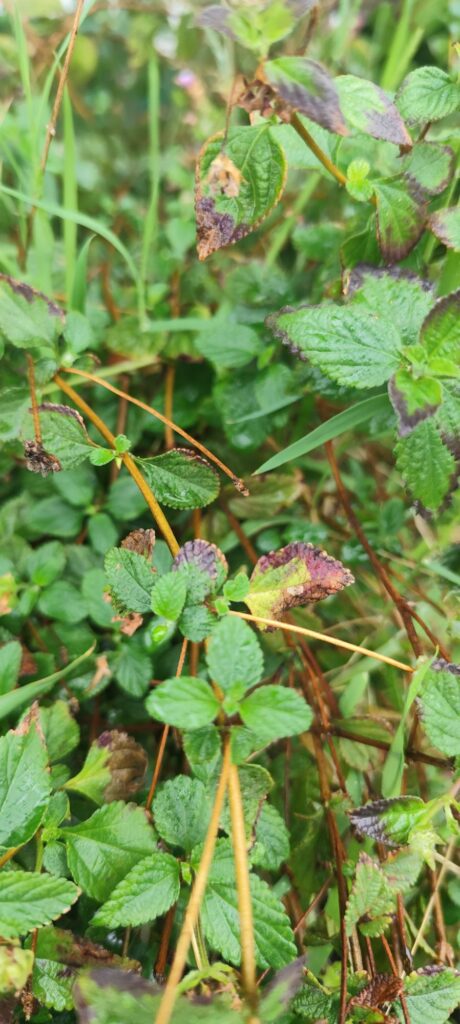
This plant forms long, trailing stems that spread horizontally and may cascade over walls or containers. The leaves are small, oval, and slightly rough to the touch, emitting a light fragrance when crushed.
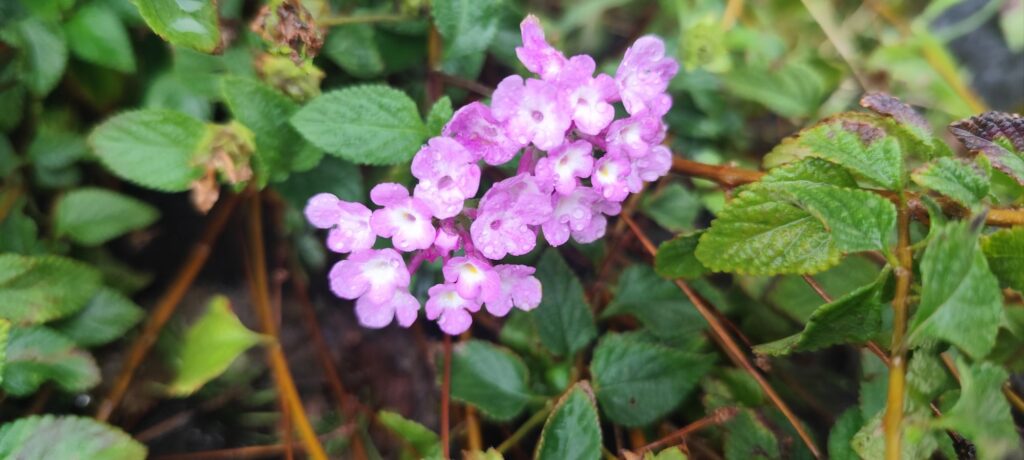
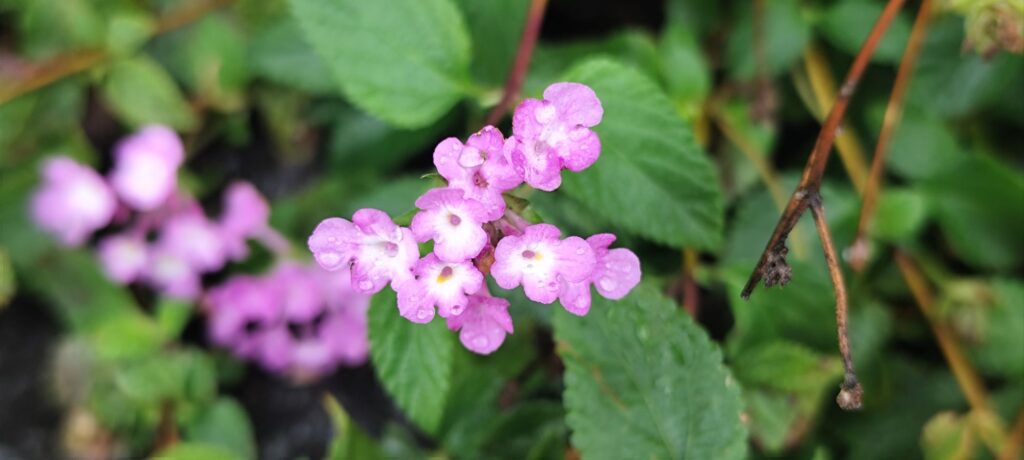
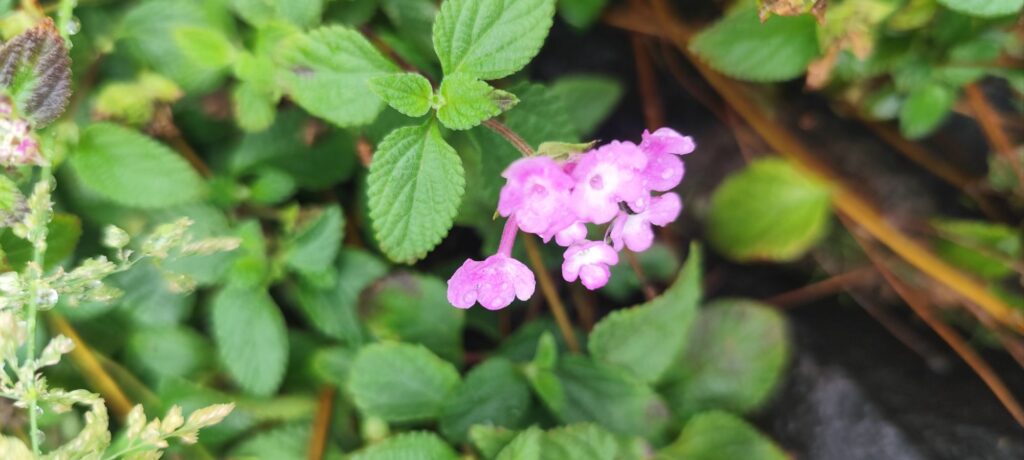
The flowers are produced in rounded clusters and are typically lavender, purple, or lilac in color, often with a lighter center.
Flowering and Seasonal Interest
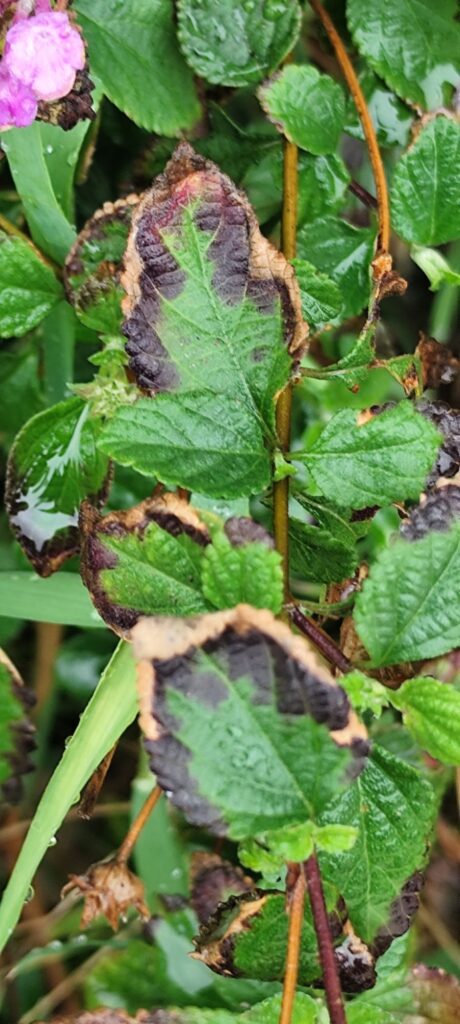
Lantana montevidensis is known for its extended flowering period. In warm climates, it can bloom from spring through autumn, and in frost-free regions, flowering may continue almost year-round.
The flowers attract pollinating insects, adding movement and life to garden spaces.
Growth Habit and Development
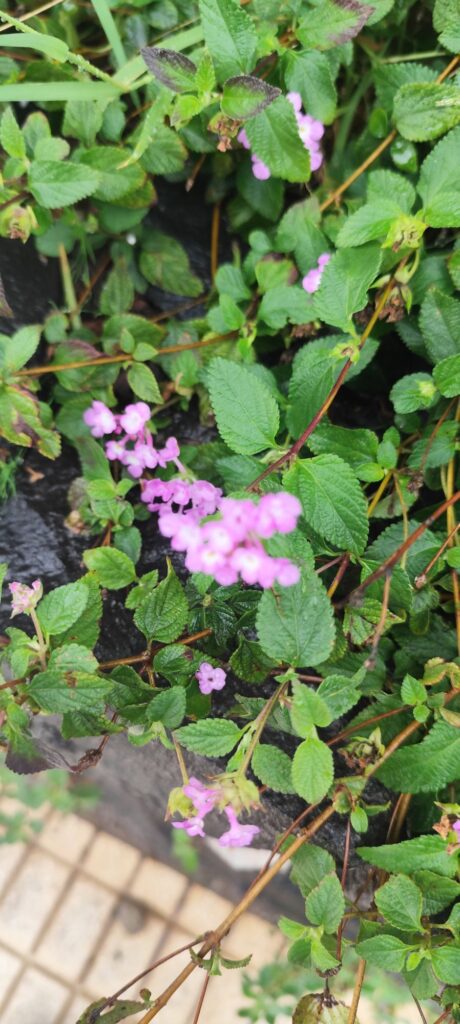
This species has a fast growth rate and spreads efficiently to form dense mats. It usually remains low, reaching heights of 20 to 40 centimeters while spreading widely.
Its trailing habit makes it suitable for slopes, hanging baskets, and ground cover applications.
Climate and Light Requirements
Lantana montevidensis thrives in warm climates and prefers full sun exposure. Strong sunlight promotes abundant flowering and compact growth.
It tolerates heat very well but is sensitive to frost.
Soil Preferences
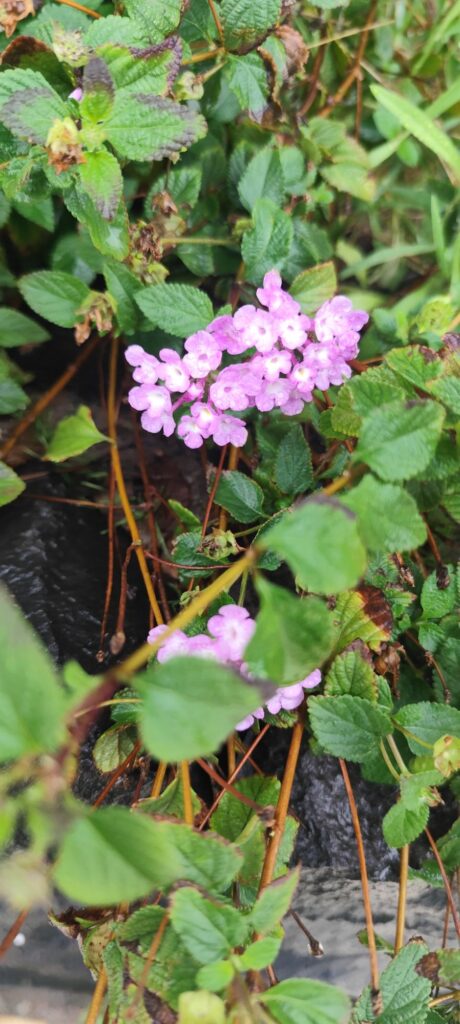
Well-drained soil is essential for healthy growth. This plant adapts well to sandy, rocky, or moderately fertile soils.
Heavy or poorly drained soils should be avoided.
Water Requirements
Once established, Lantana montevidensis is drought-tolerant. Watering should be moderate, allowing the soil to dry between watering cycles.
Overwatering can reduce flowering and plant vigor.
Maintenance and Care
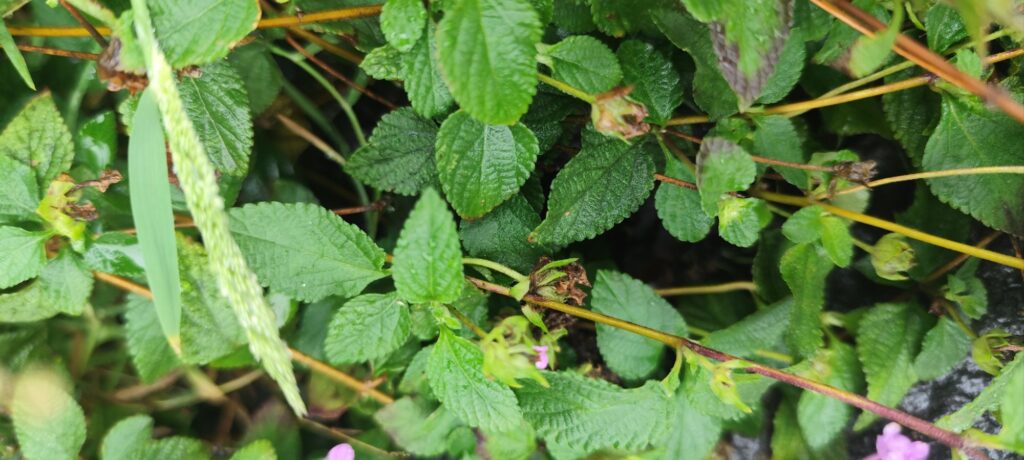
This is a low-maintenance plant. Occasional pruning helps control spread, refresh appearance, and encourage new flowering.
Deadheading is not strictly necessary but may improve overall tidiness.
Safety Notice
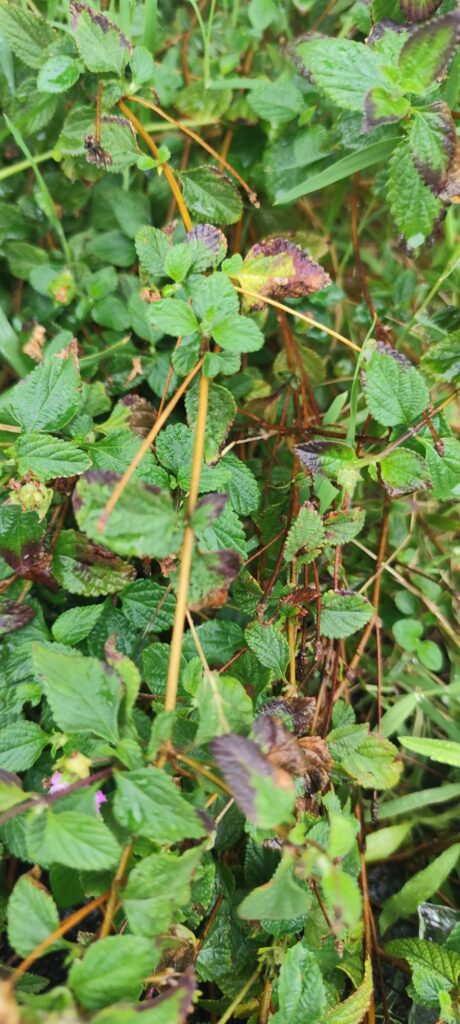
Lantana montevidensis is grown strictly for ornamental purposes. It should not be consumed or used for medicinal applications.
Care should be taken when planting in natural areas, as it can spread vigorously under favorable conditions.
Uses in Landscaping
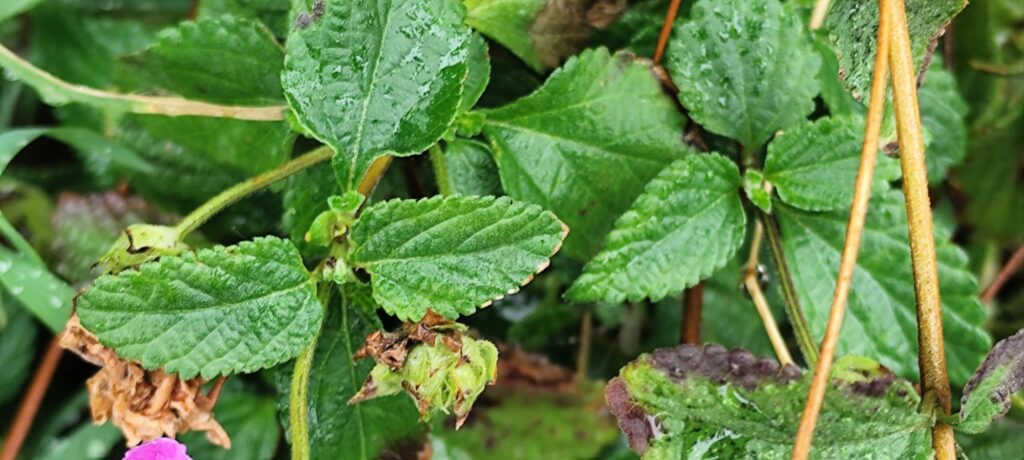
This species is widely used as ground cover, in rock gardens, on slopes, and in hanging baskets. It is also common in roadside and public landscaping in warm regions.
Its cascading form makes it effective for softening hard edges and retaining walls.
Visual and Environmental Value
Visually, Lantana montevidensis provides continuous color and a soft, flowing texture in the landscape.
It supports pollinators and contributes to vibrant, low-water garden designs.
Suitability for Gardens and Containers
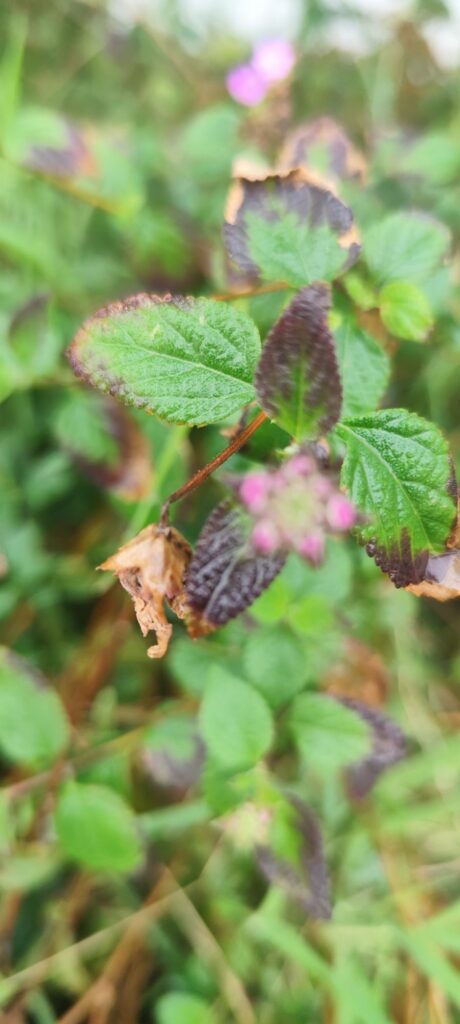
Lantana montevidensis is ideal for sunny gardens in warm, dry climates where drought tolerance and long flowering are desired.
With full sun, good drainage, and minimal care, it can become a long-lasting and reliable ornamental plant.