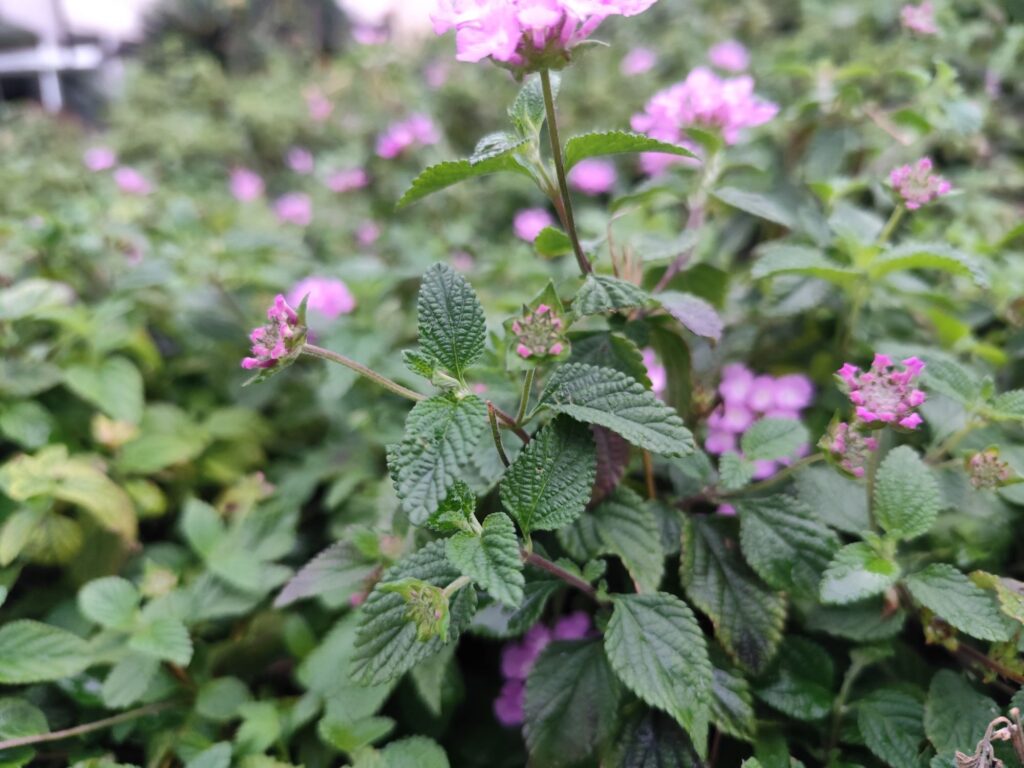
Overview of Lantana montevidensis
Lantana montevidensis, commonly known as trailing lantana, is a low-growing, spreading ornamental plant valued for its long flowering season and excellent ground-covering ability. It is especially popular in warm and coastal climates due to its resilience, drought tolerance, and vibrant flower colors.
This species is widely used in gardens, slopes, and urban landscaping where a hardy, decorative plant is needed with minimal maintenance.
Natural Origin and Distribution
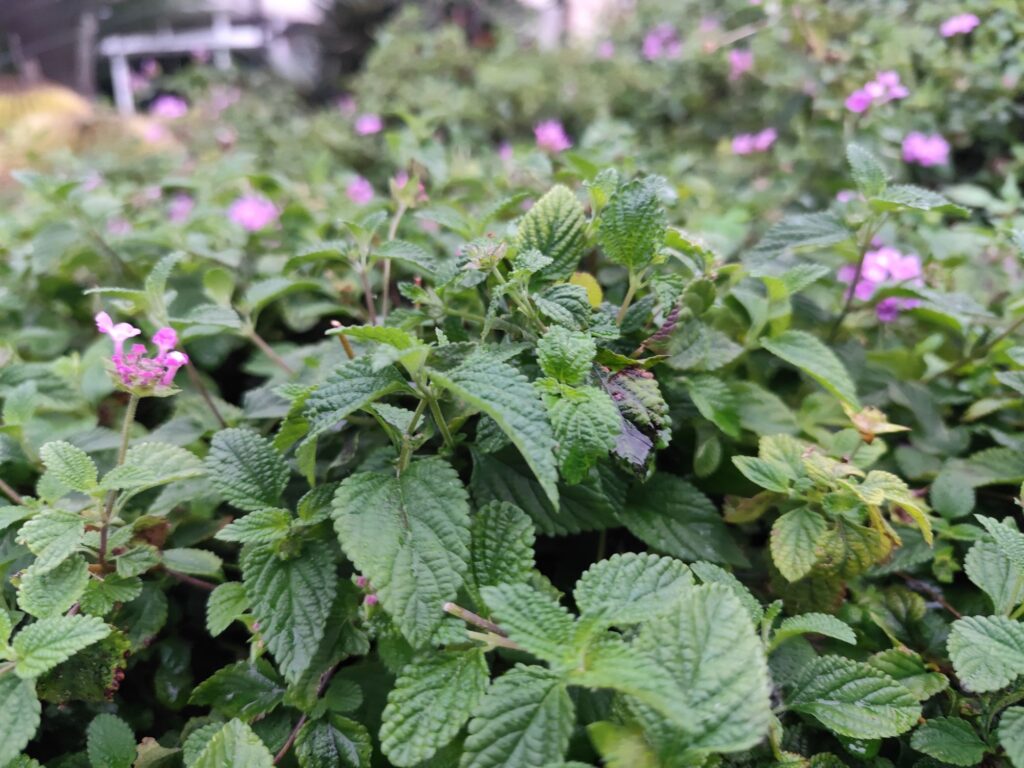
Lantana montevidensis is native to South America, particularly regions of Brazil, Uruguay, Argentina, and surrounding areas. In its natural habitat, it grows in open, sunny environments with well-drained soils.
Because of its adaptability, it has been introduced to many subtropical and Mediterranean regions around the world, where it is commonly used as an ornamental plant.
Physical Characteristics
This plant has a trailing or creeping growth habit, forming dense mats that spread horizontally rather than growing upright. Its stems are flexible and may root where they touch the ground.
The leaves are small to medium-sized, oval, slightly rough to the touch, and aromatic when crushed. The flowers are produced in rounded clusters and are most commonly purple or lavender, though some varieties display lighter shades.
Flowering and Seasonal Interest
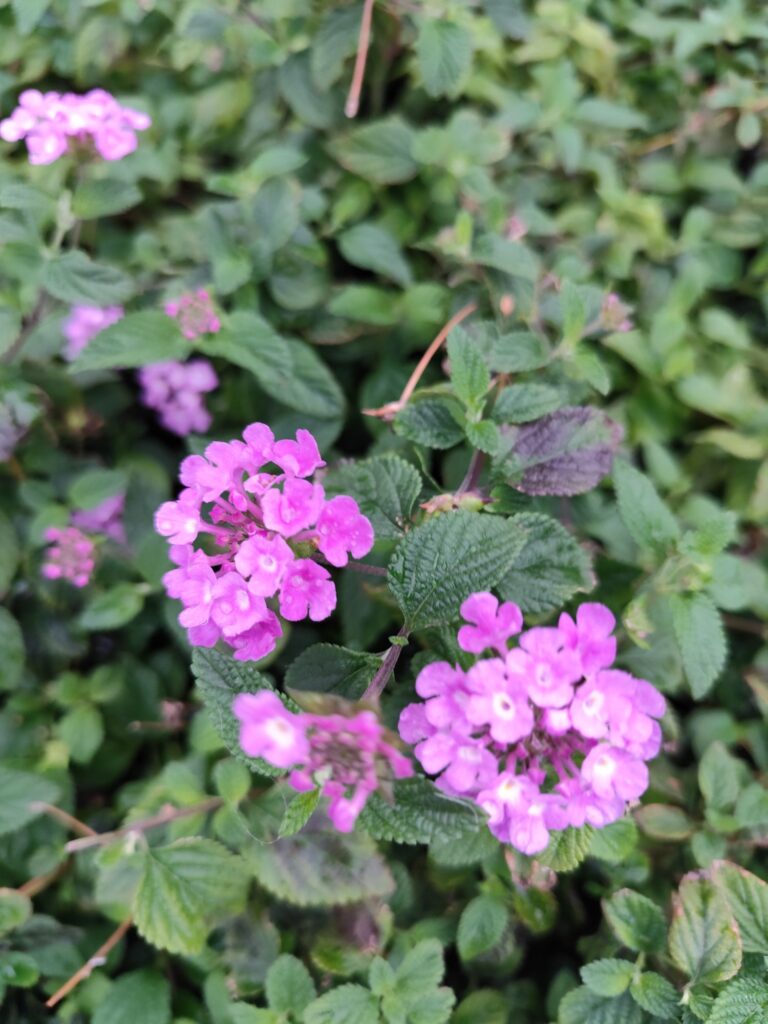
Lantana montevidensis is known for its extended flowering period, often blooming from spring through autumn in warm climates. In frost-free areas, flowering may continue for much of the year.
The abundant flowers attract insects such as butterflies and contribute strong color to garden spaces over long periods.
Growth Habit and Development
This species grows relatively quickly and spreads efficiently, making it ideal for covering large areas. Its trailing habit allows it to cascade over walls, edges, and raised beds.
Without control, it can expand beyond its intended space, so occasional trimming may be useful to maintain boundaries.
Climate and Light Requirements
Lantana montevidensis thrives in warm climates and prefers full sun exposure. Full sun encourages compact growth and abundant flowering.
The plant is sensitive to frost and performs best in coastal and low-altitude areas with mild winters.
Soil Preferences
This plant adapts well to a wide range of soils, provided they are well drained. Sandy, rocky, and volcanic soils are particularly suitable.
It tolerates poor soils and does not require high fertility to perform well.
Water Requirements
Once established, Lantana montevidensis is highly drought-tolerant. Regular watering during establishment helps promote strong root development.
After establishment, occasional watering during prolonged dry periods is sufficient. Overwatering should be avoided.
Maintenance and Care
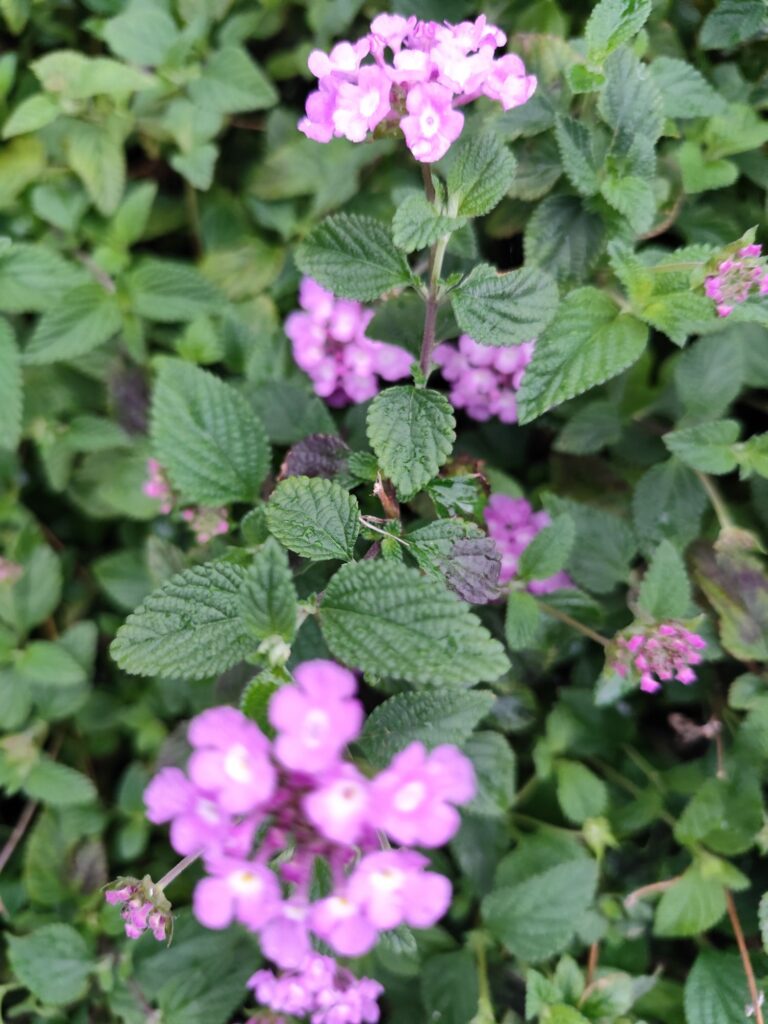
This is a low-maintenance plant. Light pruning helps maintain shape, encourage new growth, and control spread.
It generally shows good resistance to pests and diseases when grown in appropriate conditions.
Uses in Landscaping
Lantana montevidensis is widely used as ground cover, on slopes for erosion control, and in hanging or cascading plantings. It is also effective in roadside and public landscaping due to its durability.
Its spreading habit makes it suitable for filling open spaces quickly while adding long-lasting color.
Ecological and Visual Value
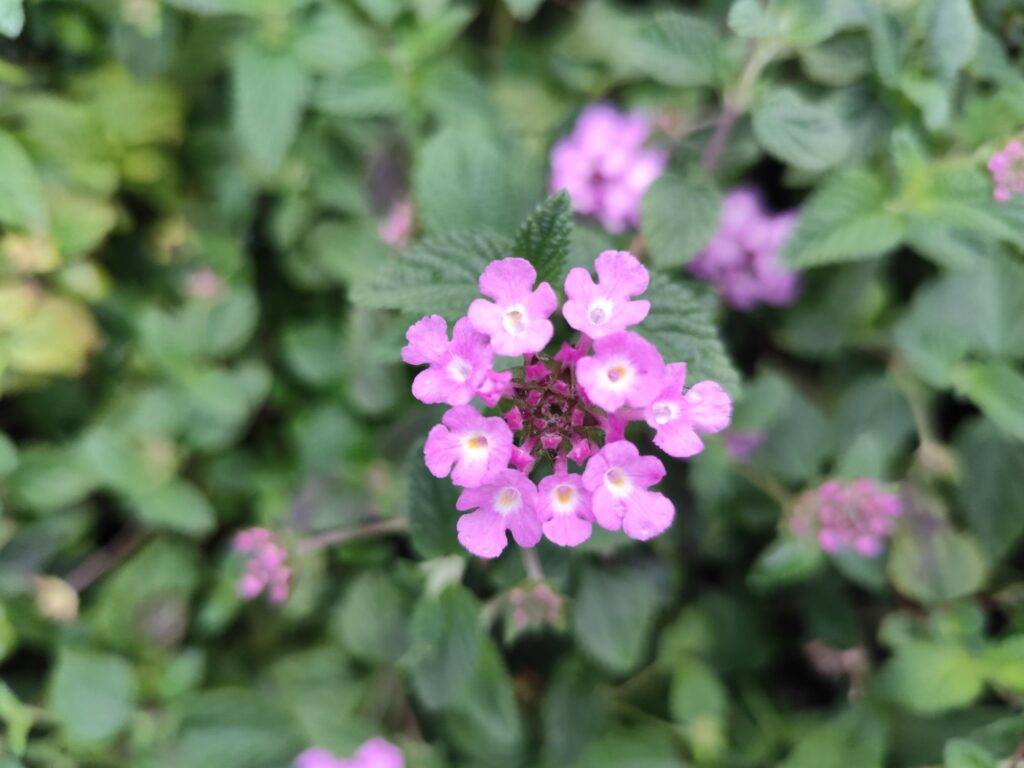
The flowers attract pollinating insects, contributing to garden biodiversity. Its dense growth helps protect soil from erosion.
Visually, the plant adds vibrant color and softness to landscapes, especially when allowed to cascade naturally.
Suitability for Home Gardens
Lantana montevidensis is well suited to home gardens in warm climates where low water use and long flowering periods are desired.
With proper sun exposure and minimal care, it can provide reliable color and ground coverage for many years.