Overview of Kroenleinia grusonii
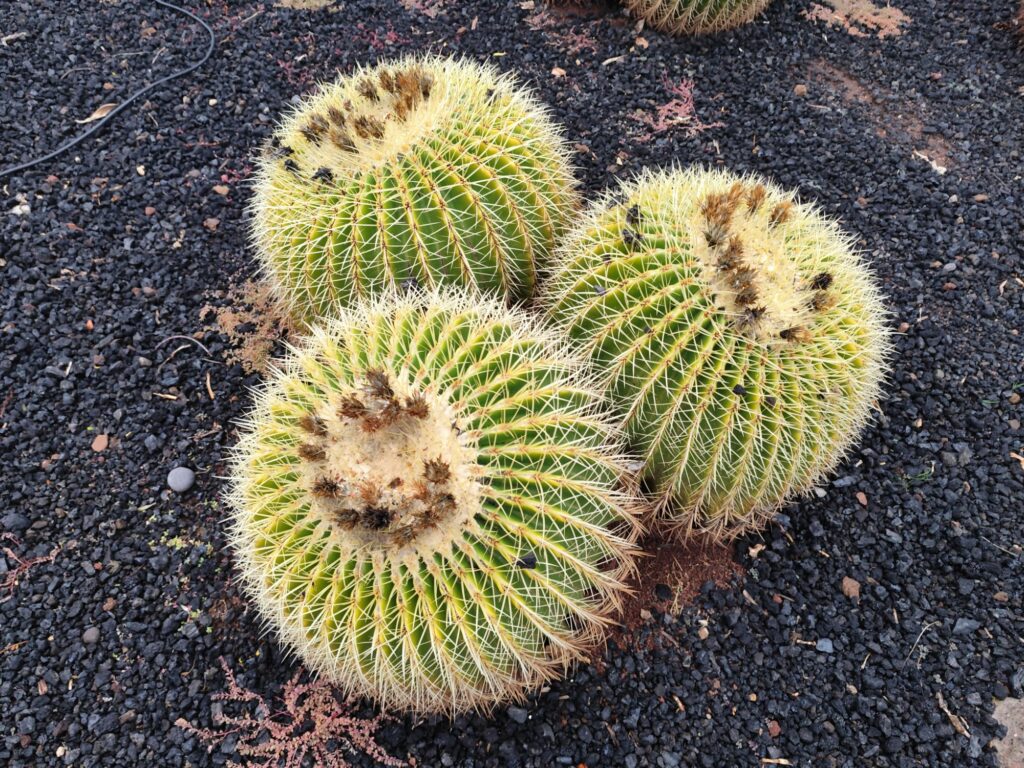
Kroenleinia grusonii, widely known as the golden barrel cactus, is a globular cactus admired for its perfectly rounded shape and dense golden spines. It is one of the most iconic ornamental cacti used in dry and Mediterranean-style landscaping.
The plant is also commonly referred to by traditional names such as “mother-in-law’s cushion” or “golden ball.” It is valued for its symmetry, durability, and strong visual impact.
Natural Origin and Distribution
Kroenleinia grusonii is native to central Mexico, where it naturally grows on rocky slopes and volcanic soils in arid and semi-arid regions. Its natural habitat is characterized by intense sunlight, minimal rainfall, and excellent drainage.
Due to its popularity as an ornamental plant, it has been widely cultivated in warm climates around the world.
Physical Characteristics
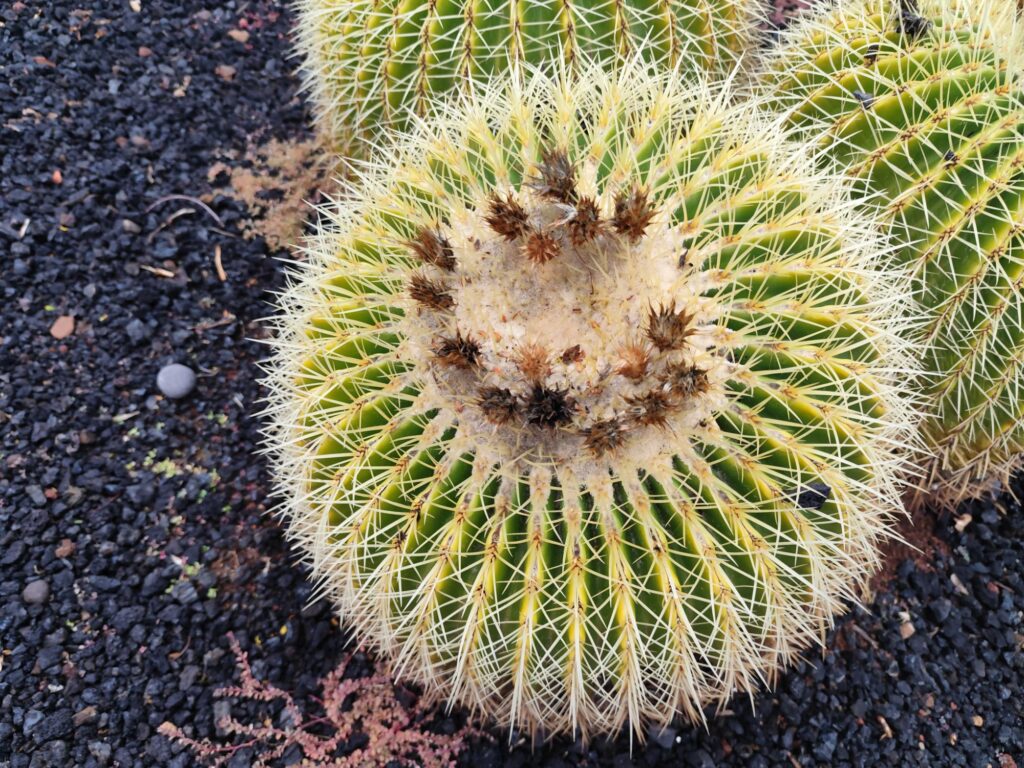
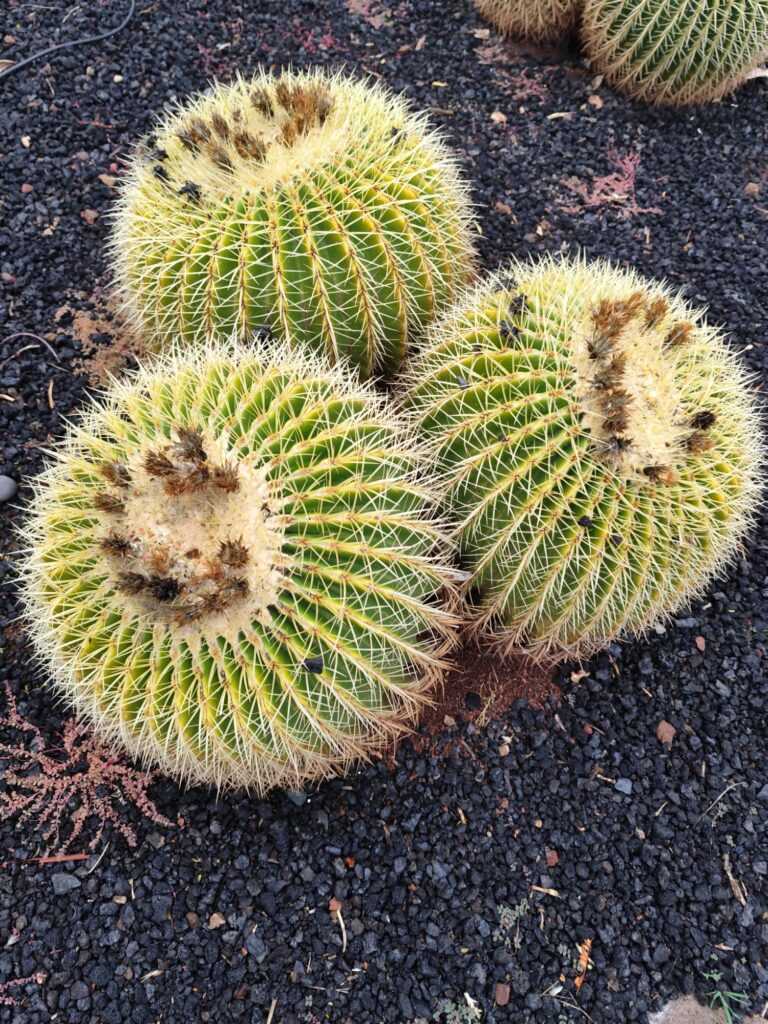
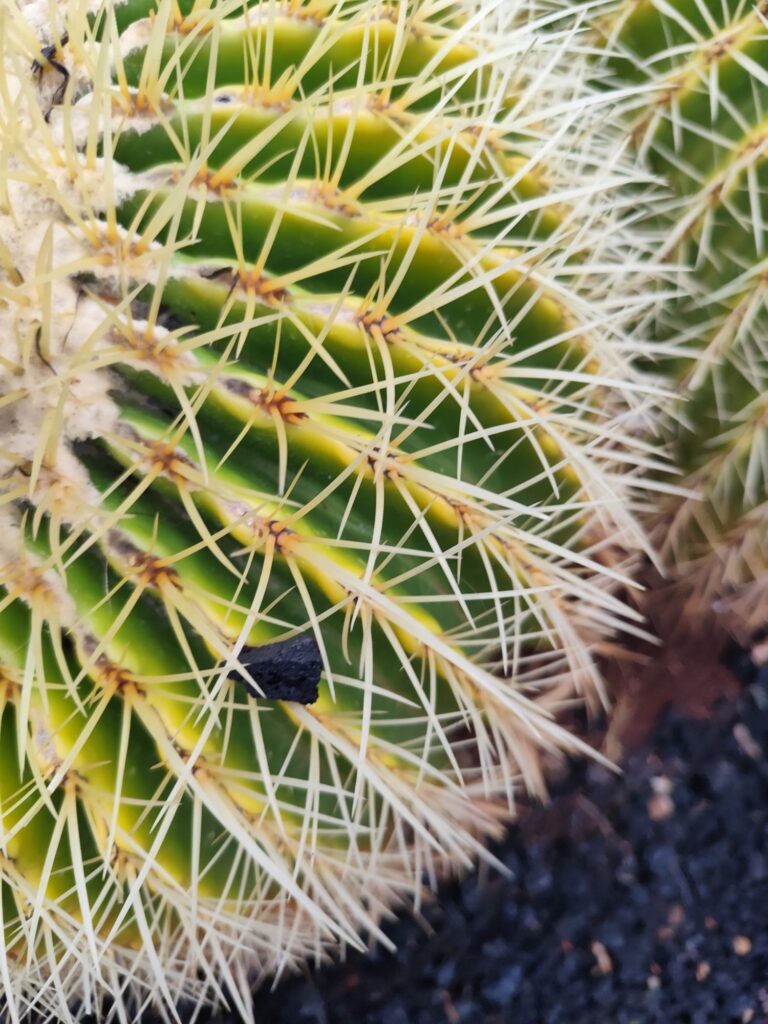
This cactus forms a spherical to slightly cylindrical body with prominent vertical ribs. The surface is covered with clusters of stiff, sharp spines that are bright yellow to golden in color.
Mature specimens can reach 60 to 100 centimeters in diameter over many years. The plant’s symmetrical form and vivid spines make it highly decorative even without flowers.
Flowers and Seasonal Interest
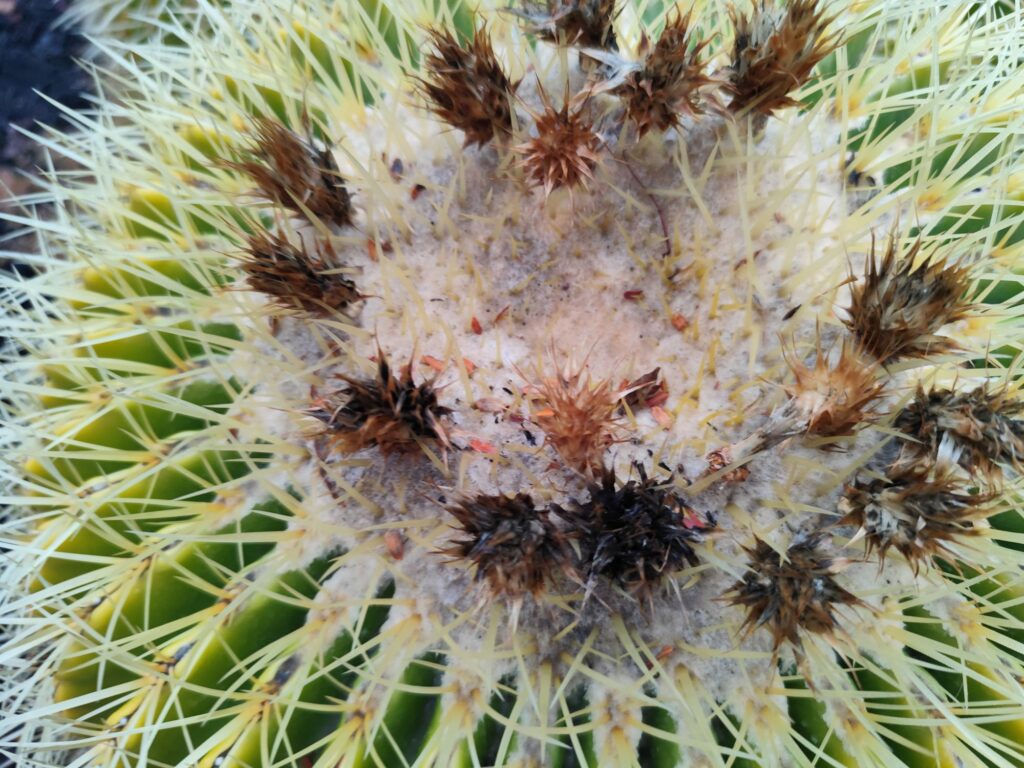
Flowering occurs on mature plants during warm seasons. The flowers are typically yellow and appear in a ring at the top of the cactus.
Flowering is more common in outdoor-grown specimens exposed to full sun and stable warm conditions.
Growth Habit and Development
Kroenleinia grusonii is a slow-growing species. Growth is gradual, contributing to its compact and well-defined shape.
Its slow pace makes it easy to maintain in gardens and containers without frequent intervention.
Climate and Light Requirements
This cactus thrives in warm, sunny climates and requires full sun for optimal growth and spine coloration. Bright sunlight helps maintain its compact shape and golden appearance.
It tolerates heat very well but is sensitive to prolonged frost. In cooler regions, protection from freezing temperatures is necessary.
Soil Preferences
Excellent drainage is essential. Kroenleinia grusonii performs best in sandy, rocky, or cactus-specific soils that allow water to drain quickly.
Heavy or water-retentive soils should be avoided, as they increase the risk of root problems.
Water Requirements
Watering should be infrequent and controlled. During the growing season, occasional deep watering is sufficient, allowing the soil to dry completely between waterings.
In cooler months, watering should be reduced significantly or stopped altogether, depending on climate.
Maintenance and Care
This cactus is very low-maintenance when grown in suitable conditions. It does not require pruning, and fertilization is rarely necessary.
Due to its sharp spines, handling should be avoided or done with appropriate protection.
Safety Notice
The spines of Kroenleinia grusonii are sharp and rigid and can cause injury if touched. The plant should be placed away from walkways and areas frequently accessed by children or pets.
This species is strictly ornamental and should not be consumed or used for medicinal purposes.
Uses in Landscaping
Kroenleinia grusonii is widely used as a focal plant in dry gardens, rock gardens, and modern landscaping designs. Its form contrasts strongly with softer or trailing plants.
It is also commonly planted in containers, courtyards, and public spaces where low maintenance and strong visual impact are desired.
Visual and Ecological Value
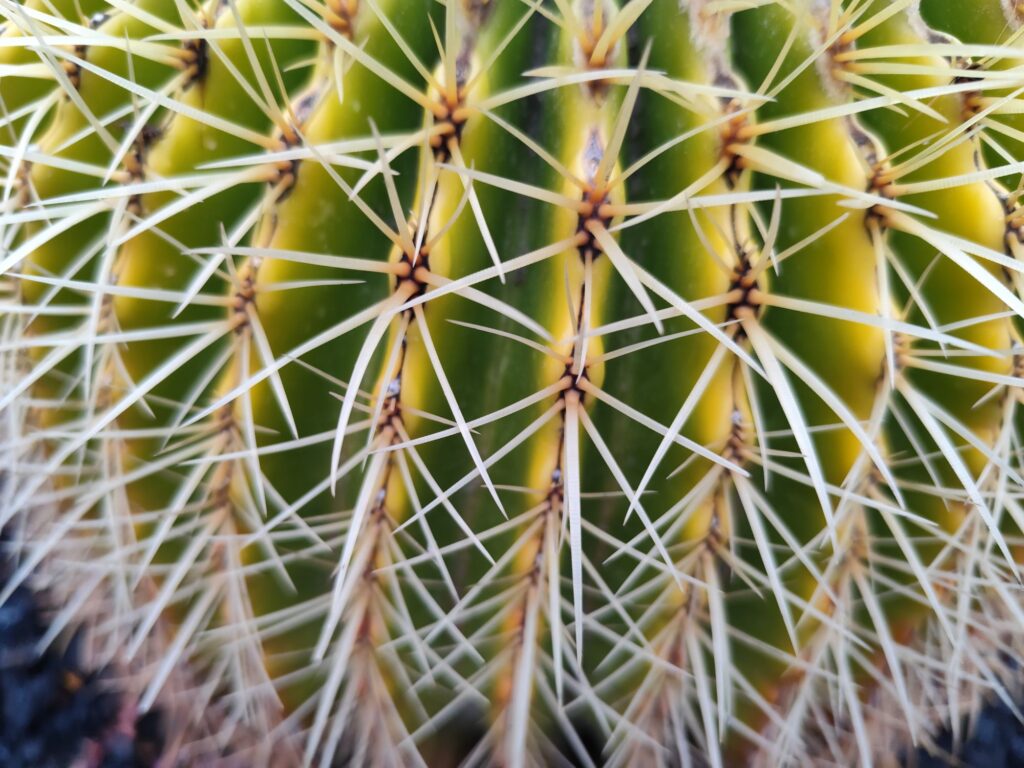
Visually, the golden barrel cactus adds structure, color, and sculptural interest to landscapes. Its symmetrical shape makes it particularly effective in formal or minimalist designs.
In suitable climates, it contributes to water-efficient landscaping and drought-tolerant garden planning.
Suitability for Gardens and Containers
Kroenleinia grusonii is ideal for gardens in warm, dry climates with excellent drainage. It performs equally well in open ground and large containers.
With proper placement and minimal care, it can remain an impressive and long-lived ornamental plant for many decades.