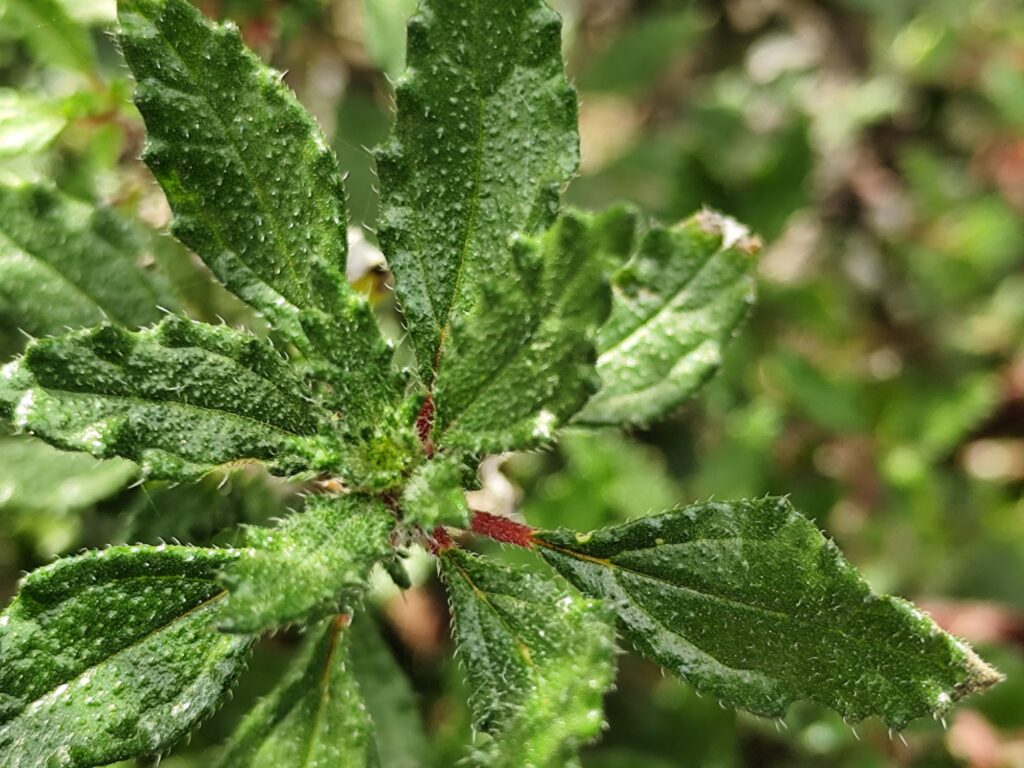
Overview of Forsskaolea angustifolia
Forsskaolea angustifolia is a perennial shrub belonging to the Urticaceae family. It is an endemic species of the Canary Islands and forms part of the native flora adapted to dry and semi-arid environments.
This plant is of high botanical and ecological value due to its restricted natural distribution and its role in local ecosystems.
Natural Origin and Distribution
Forsskaolea angustifolia is endemic to the Canary Islands, where it occurs naturally on several islands.
It grows mainly in rocky areas, slopes, ravines, and dry scrublands, often on volcanic substrates and exposed terrain.
Physical Characteristics
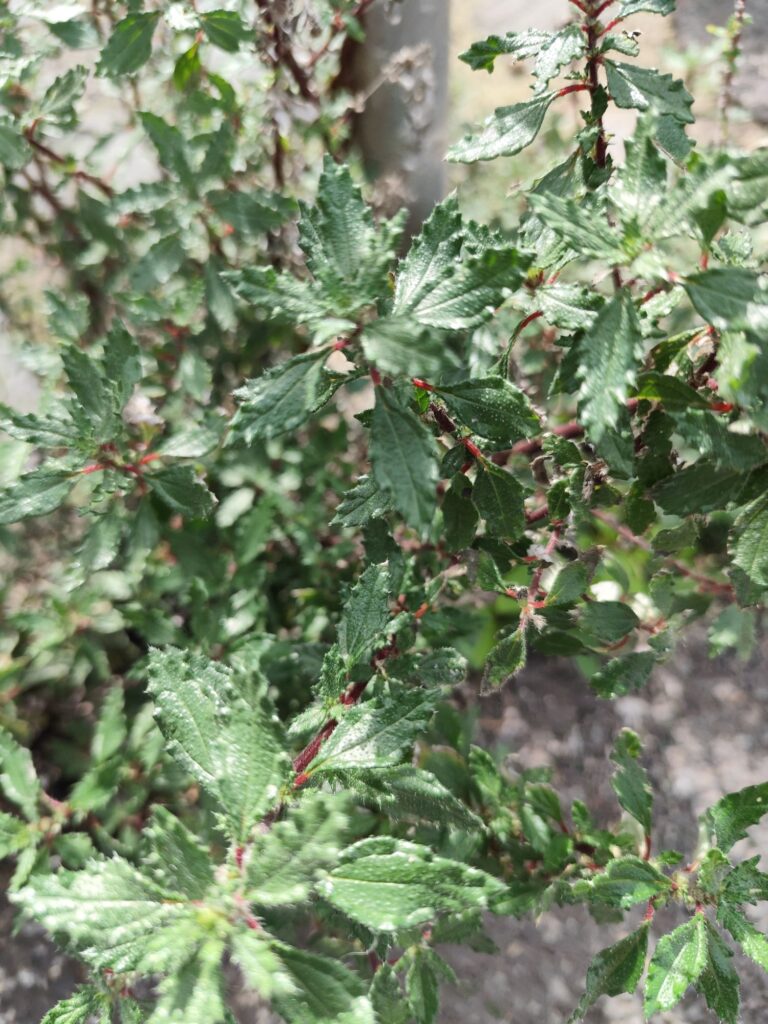
This species develops as a woody, perennial shrub with slender, upright to spreading stems.
The leaves are narrow, elongated, and green, giving rise to the species name angustifolia, which refers to the narrow leaf shape.
Foliage and General Appearance
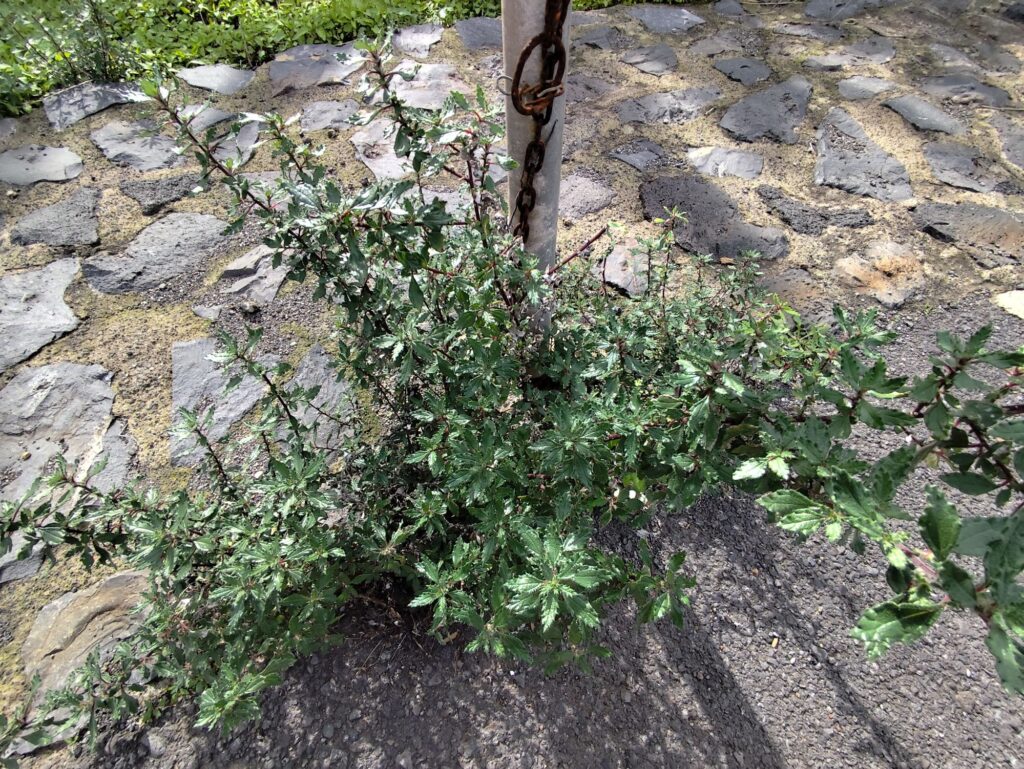
The foliage is relatively sparse, allowing light to pass through the plant and reducing water loss.
This growth form reflects adaptation to dry conditions and high solar exposure.
Flowering and Seasonal Interest
The flowers of Forsskaolea angustifolia are small and inconspicuous, typical of many members of the nettle family.
Flowering generally occurs during periods of favorable moisture, usually from winter to spring.
Growth Habit and Development
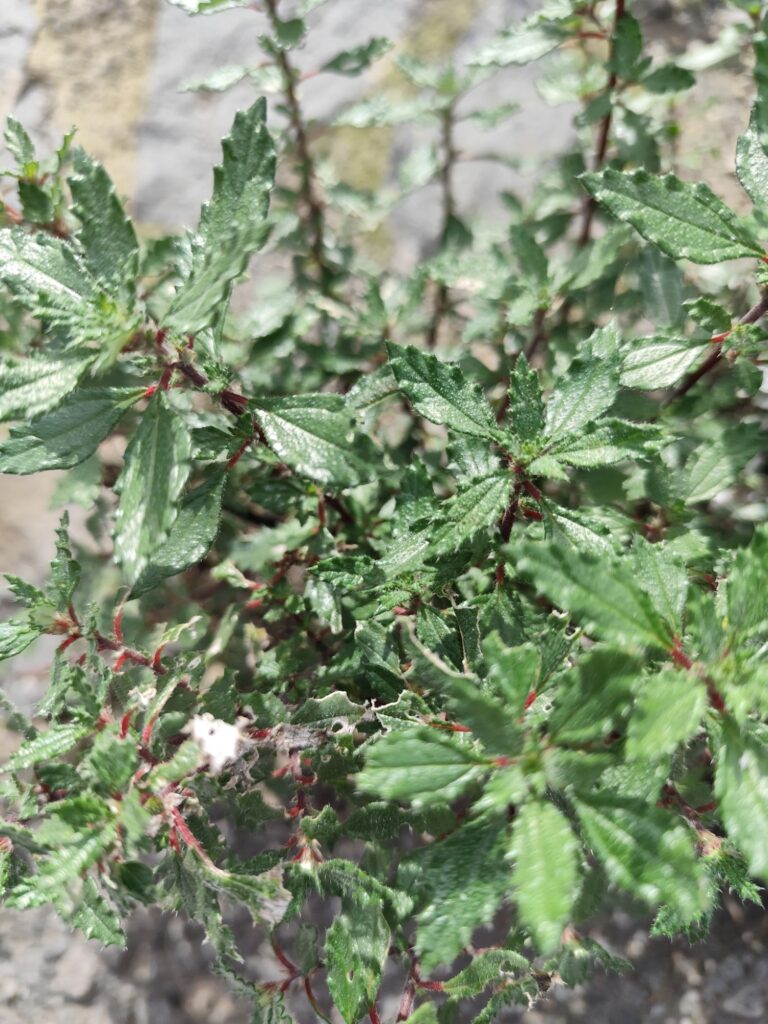
This shrub has a slow to moderate growth rate and forms long-lived individuals once established.
Its woody structure allows it to withstand dry seasons and variable environmental conditions.
Climate and Light Requirements
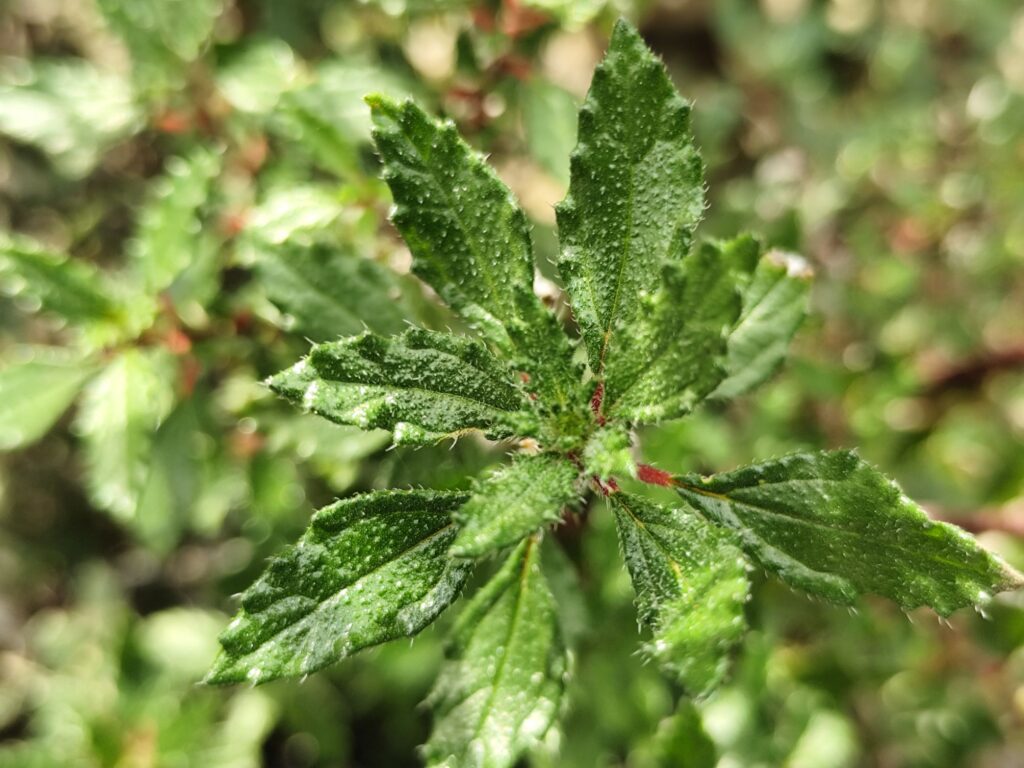
Forsskaolea angustifolia thrives in warm, mild climates and prefers full sun exposure.
It tolerates high temperatures, wind, and drought but does not perform well in cold or frost-prone areas.
Soil Preferences
This species is well adapted to poor, rocky, and volcanic soils with excellent drainage.
It does not tolerate waterlogged or compacted soils.
Water Requirements
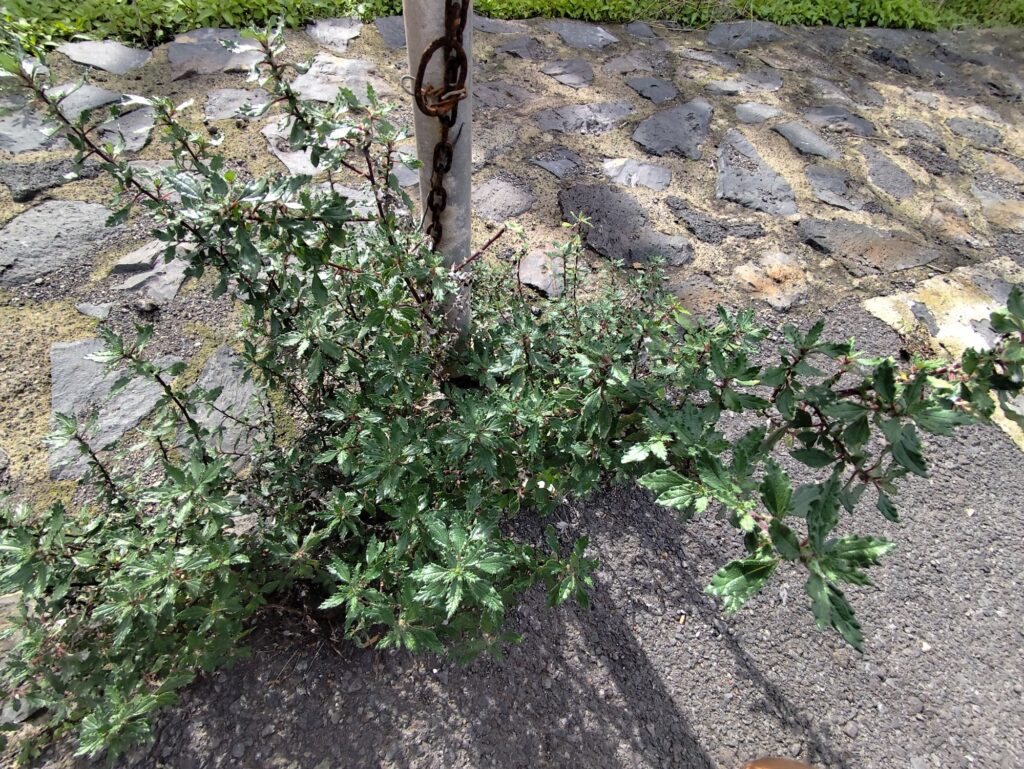
Water needs are low. Once established, Forsskaolea angustifolia survives long dry periods without supplemental watering.
Excess moisture can negatively affect plant health.
Maintenance and Care
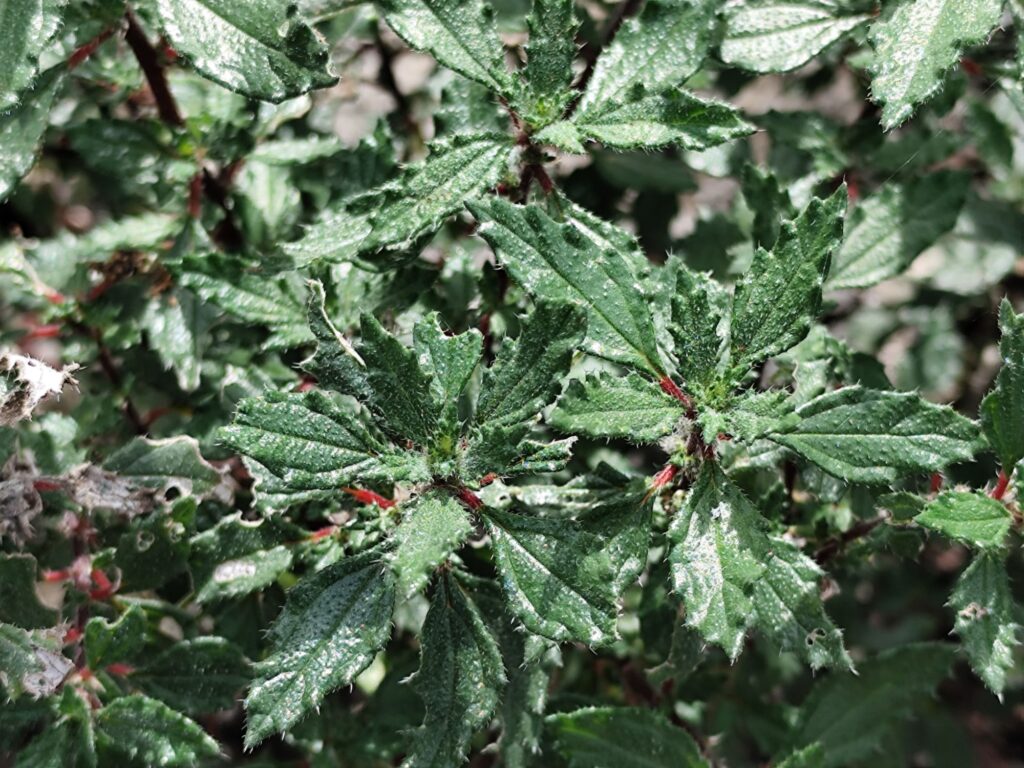
This is a very low-maintenance plant in its natural habitat.
In cultivation or conservation settings, minimal intervention is required beyond protecting natural growing conditions.
Safety and Usage Notice
Forsskaolea angustifolia is grown for ecological and botanical interest.
This article does not recommend medicinal or dietary use.
Uses in Landscaping and Conservation
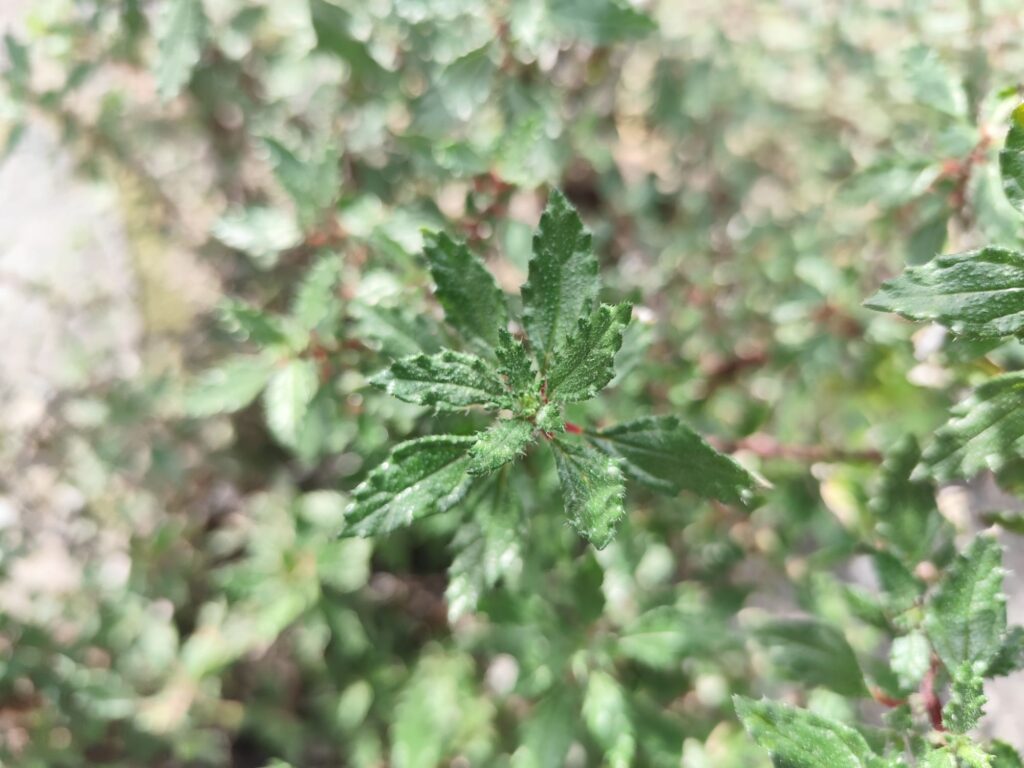
This species is primarily used in native plant gardens, ecological restoration projects, and conservation programs.
It is not commonly used in ornamental landscaping due to its subtle appearance.
Visual and Environmental Value
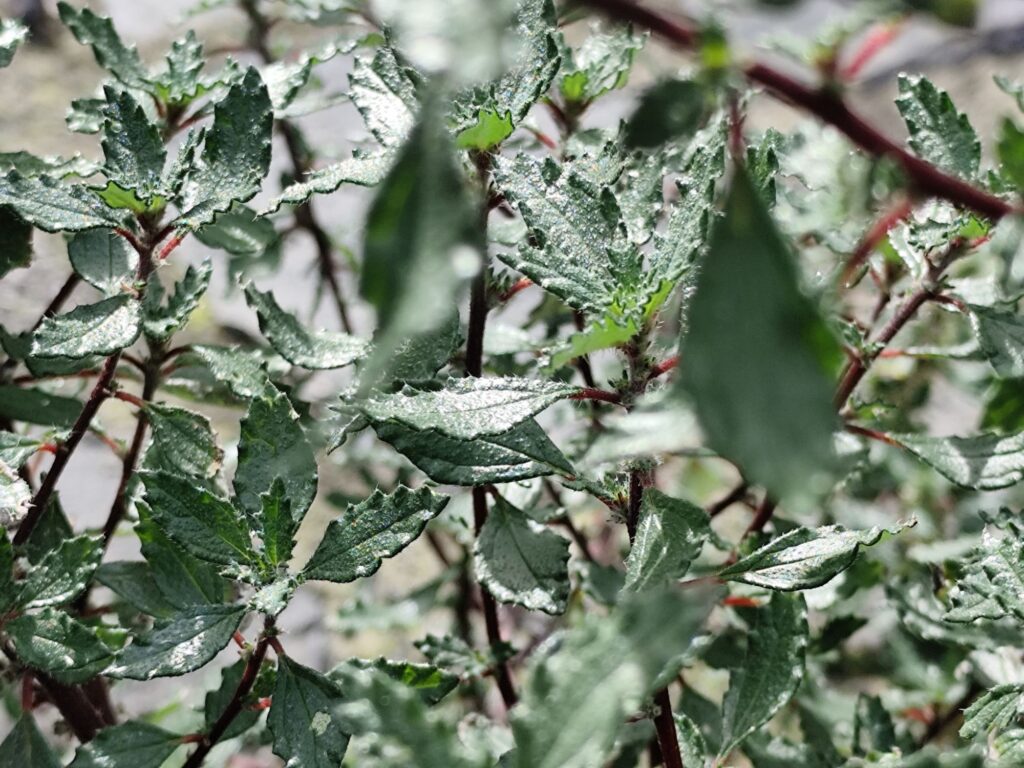
Visually, the plant contributes a natural, understated structure to dry landscapes.
Ecologically, it plays an important role in stabilizing soils and supporting native biodiversity.
Suitability for Gardens
Forsskaolea angustifolia is suitable for native and xerophytic gardens in warm, dry climates.
With full sun, excellent drainage, and minimal watering, it can persist as a long-lived endemic shrub.