Overview of Farfugium japonicum
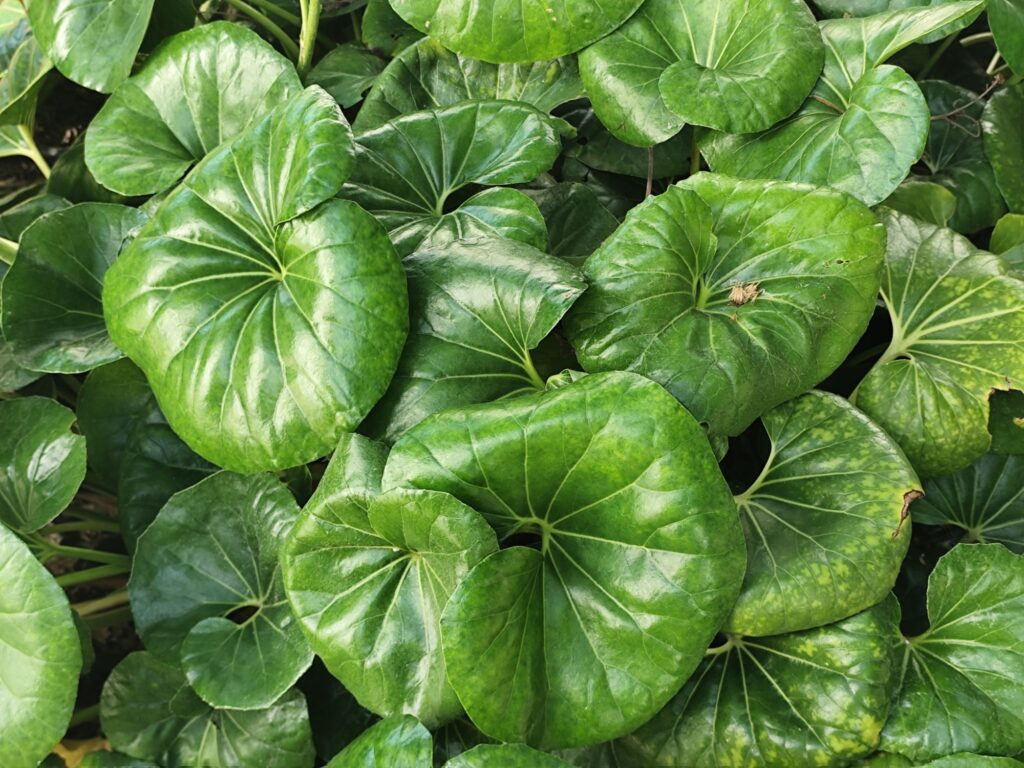
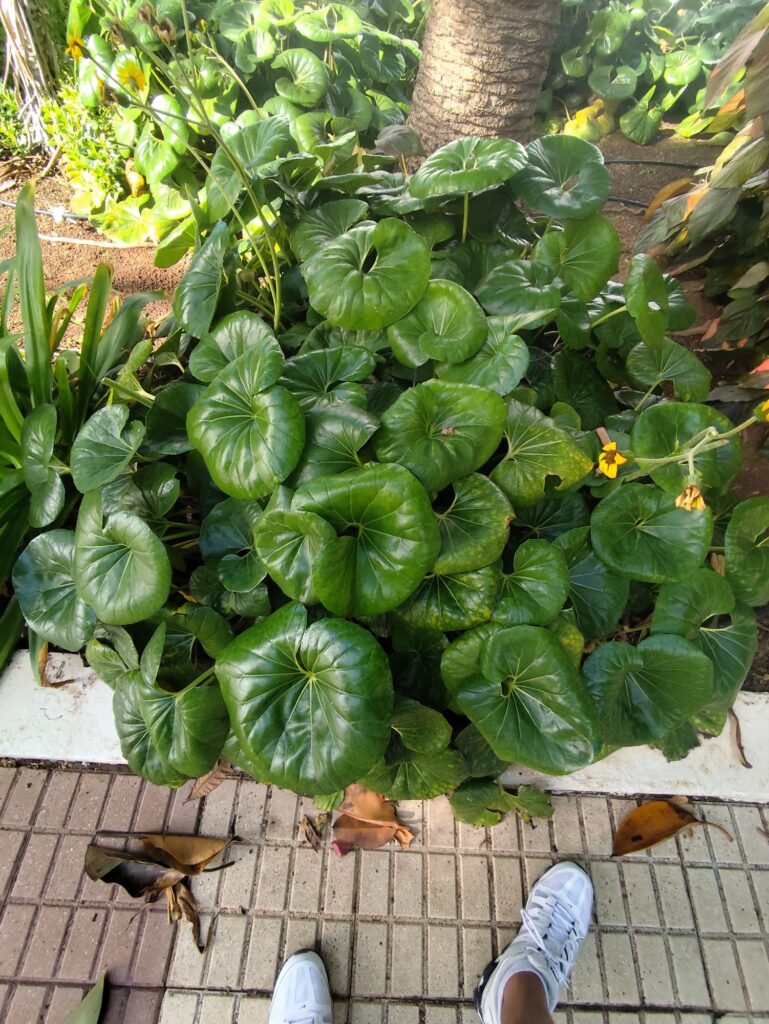
Farfugium japonicum, commonly known as the leopard plant, is an evergreen perennial valued for its large, glossy leaves and its ability to thrive in shaded and humid environments. It is especially appreciated in ornamental gardening for bringing bold foliage and texture to areas where many flowering plants struggle.
This plant is primarily grown for its decorative leaves, which create a lush and tropical appearance even in cooler or shaded garden spaces.
Natural Origin and Distribution
Farfugium japonicum is native to East Asia, particularly Japan, Korea, and parts of China. In its natural habitat, it grows in moist forests, along stream banks, and in shaded coastal areas.
Through cultivation, it has become popular in temperate and subtropical regions with mild, humid climates.
Physical Characteristics
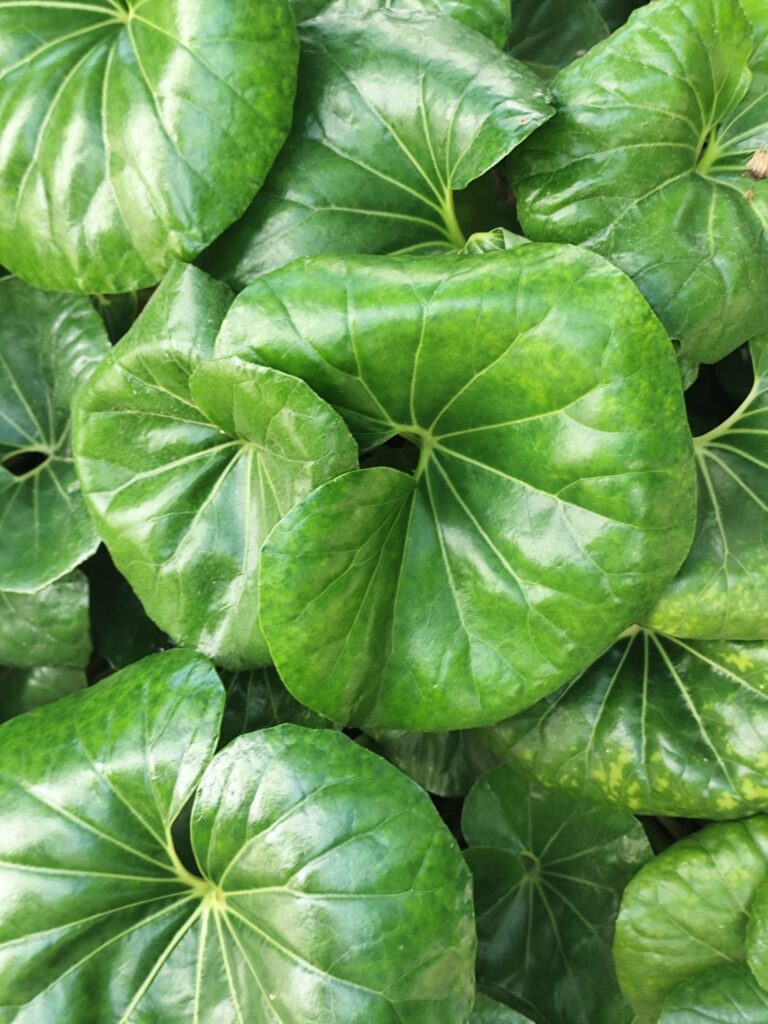
The most distinctive feature of Farfugium japonicum is its large, rounded to kidney-shaped leaves. The leaves are thick, leathery, and glossy, usually deep green, though some cultivated varieties display yellow spots or variegated patterns.
The plant typically forms compact clumps, reaching heights of 40 to 60 centimeters, with a similar spread.
Flowers and Seasonal Interest
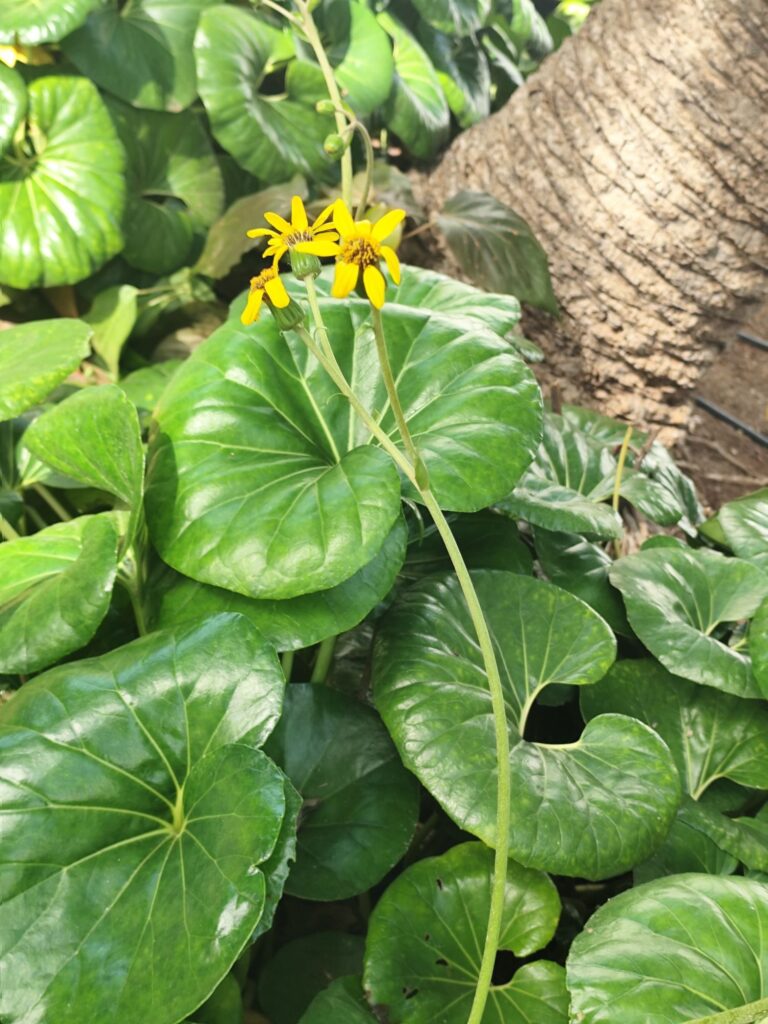
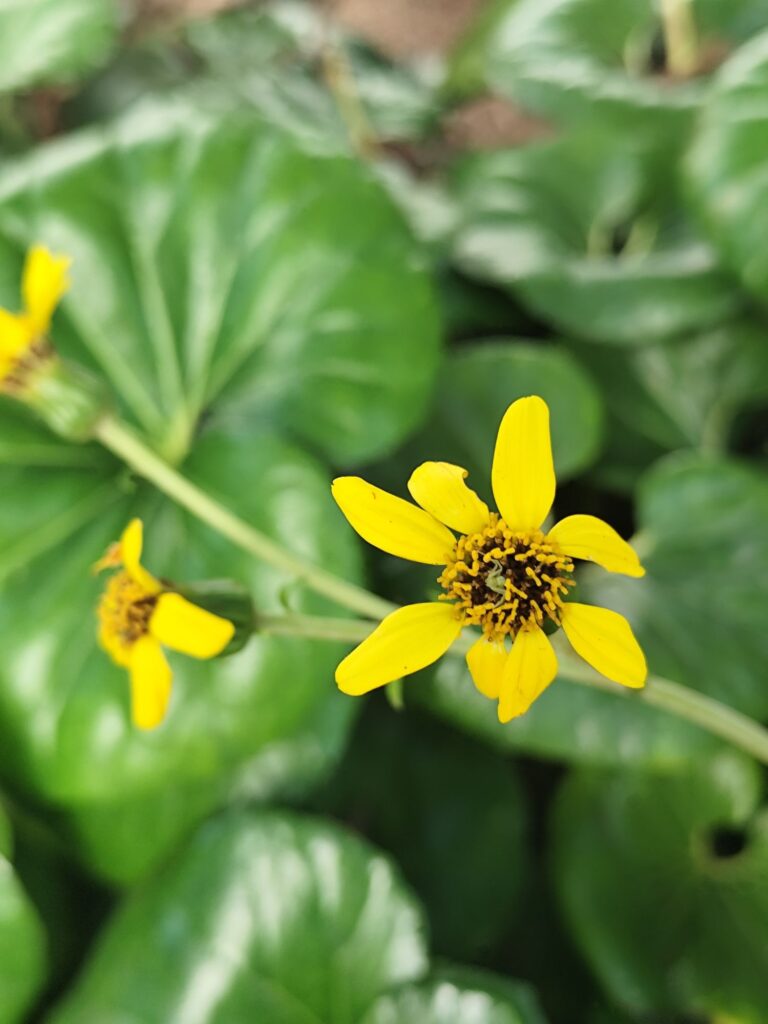
In autumn or early winter, Farfugium japonicum produces upright stems bearing clusters of bright yellow, daisy-like flowers. These blooms rise above the foliage and provide seasonal interest when many other plants are no longer flowering.
Although attractive, the flowers are considered secondary to the plant’s striking foliage.
Growth Habit and Development
This species has a moderate growth rate and gradually expands by forming denser clumps over time. It remains relatively compact and does not spread aggressively.
Its stable growth habit makes it suitable for long-term planting in shaded garden areas.
Climate and Light Requirements
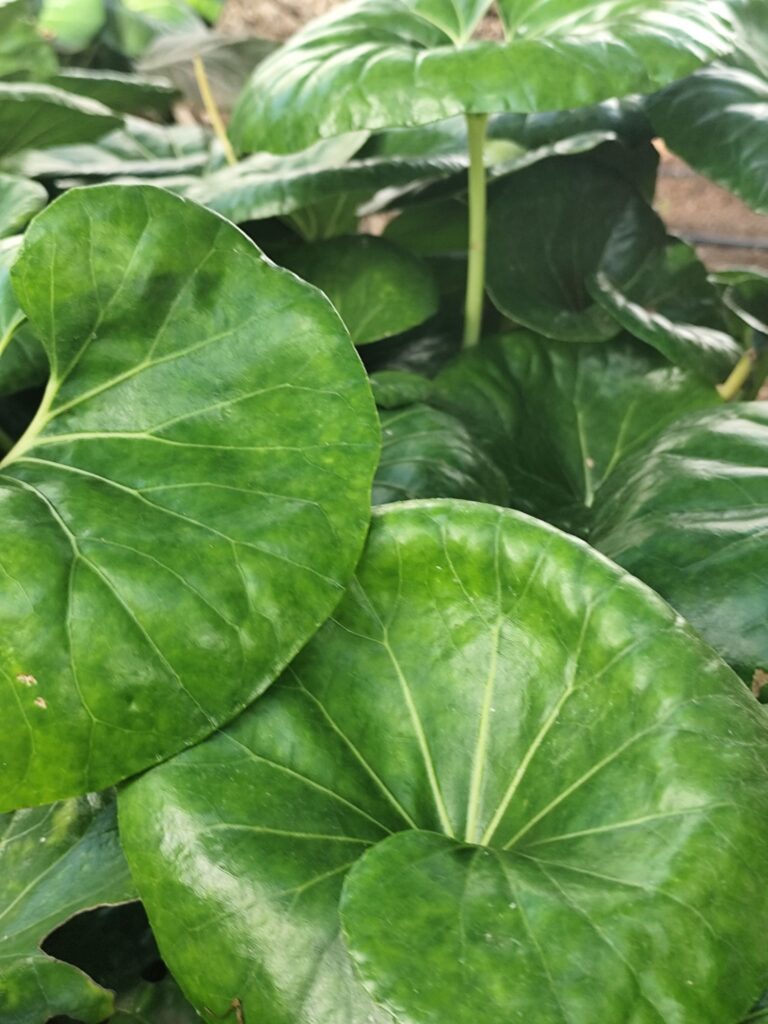
Farfugium japonicum thrives in mild climates and prefers partial to full shade. Direct, intense sunlight may cause leaf damage or reduce leaf quality.
It performs best in locations protected from strong sun and drying winds, making it ideal for shaded courtyards and north-facing gardens.
Soil Preferences
This plant prefers rich, well-drained soil with good organic content. Moist but not waterlogged soil conditions support healthy foliage growth.
It does not tolerate prolonged drought or very dry soils.
Water Requirements
Regular watering is important, especially during warm or dry periods. The soil should be kept consistently moist without becoming saturated.
Mulching helps retain soil moisture and supports stable growing conditions.
Maintenance and Care
Farfugium japonicum is relatively low-maintenance. Old or damaged leaves can be removed to maintain appearance.
Occasional feeding with organic matter or a balanced fertilizer can support vigorous foliage growth.
Safety Notice
This plant is grown strictly for ornamental purposes. It should not be consumed or used for medicinal applications.
Handling is generally safe, but normal gardening care is recommended.
Uses in Landscaping
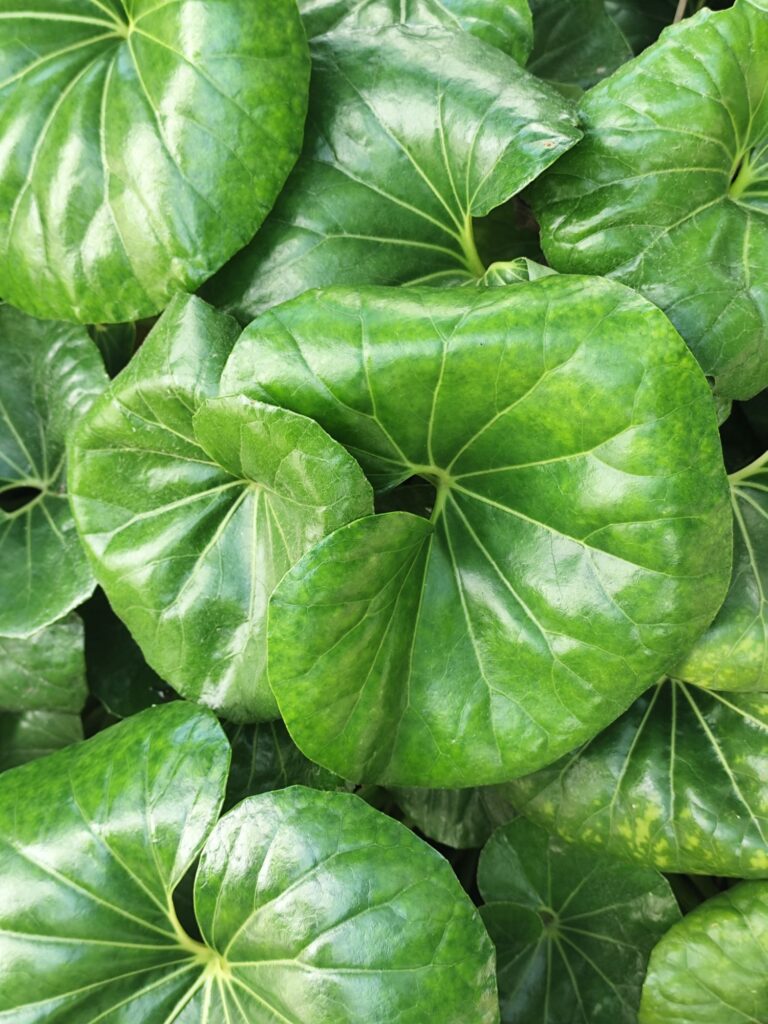
Farfugium japonicum is widely used in shaded borders, woodland gardens, and near water features. Its bold leaves provide contrast to finer-textured plants.
It is also suitable for container planting in shaded patios and terraces.
Visual and Environmental Value
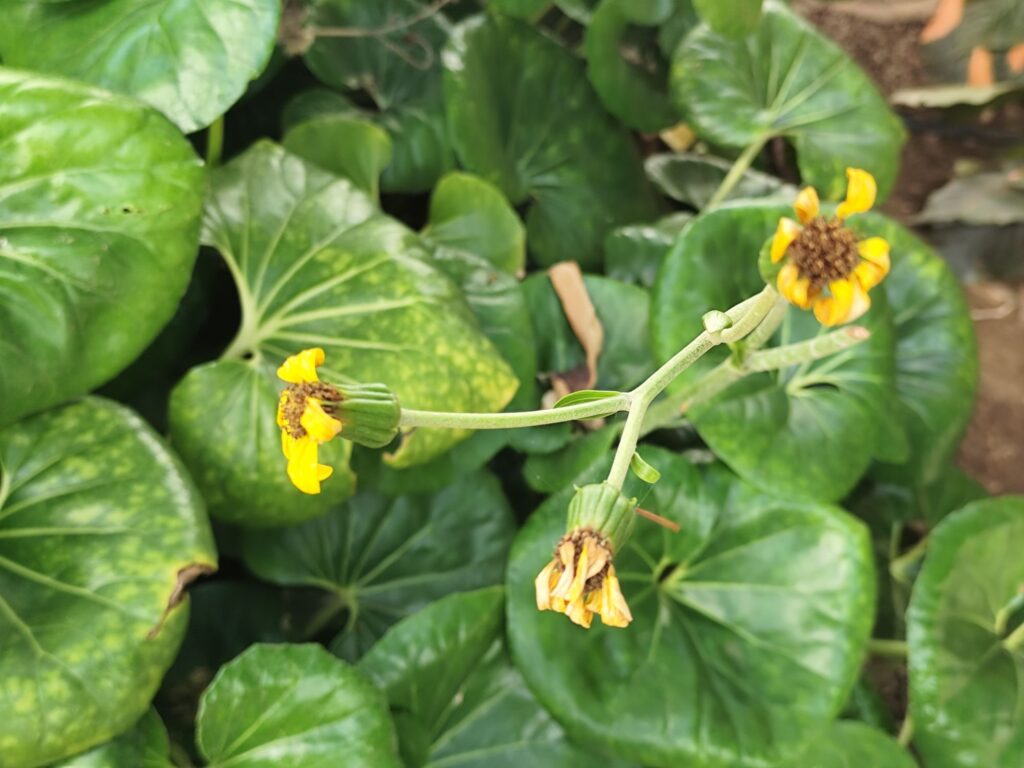
Visually, the plant adds a strong, sculptural element to shaded landscapes. Its glossy leaves reflect light and brighten darker garden areas.
Its flowers contribute late-season color and support pollinating insects.
Suitability for Gardens and Containers
Farfugium japonicum is ideal for gardens with partial or full shade and consistent moisture. It is particularly useful in climates with mild temperatures and higher humidity.
With proper placement and regular watering, it can remain an attractive and reliable ornamental plant for many years.