Overview of Euphorbia cotinifolia
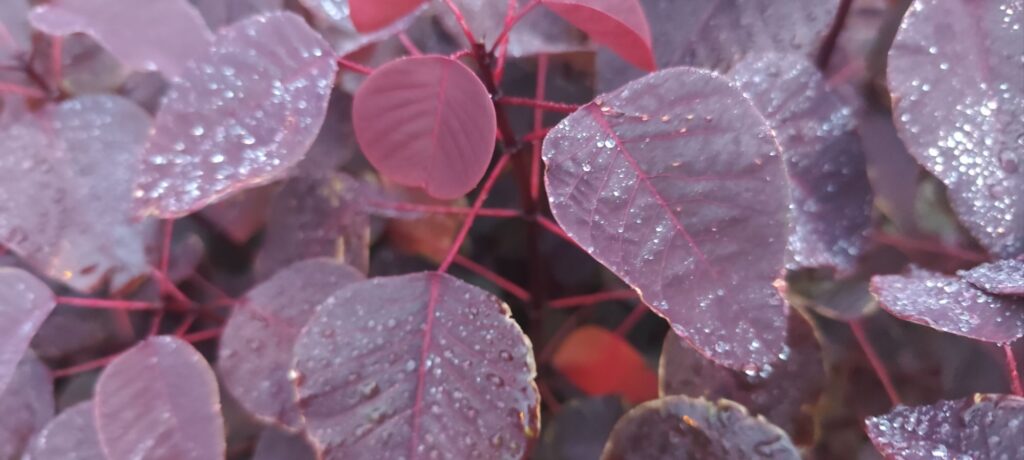
Euphorbia cotinifolia, commonly known as Caribbean copper plant, sangre libanesa, or lechero rojo, is a striking ornamental shrub or small tree valued for its deep red to purple foliage. It is widely used in warm climates for its bold color and architectural presence.
This species belongs to the Euphorbiaceae family and is appreciated for its rapid growth and strong visual impact in landscapes.
Natural Origin and Distribution
Euphorbia cotinifolia is native to tropical regions of Central America, the Caribbean, and northern South America. It naturally grows in warm environments with seasonal rainfall and well-drained soils.
Due to its ornamental value, it has been introduced and cultivated in many tropical and subtropical regions worldwide.
Physical Characteristics
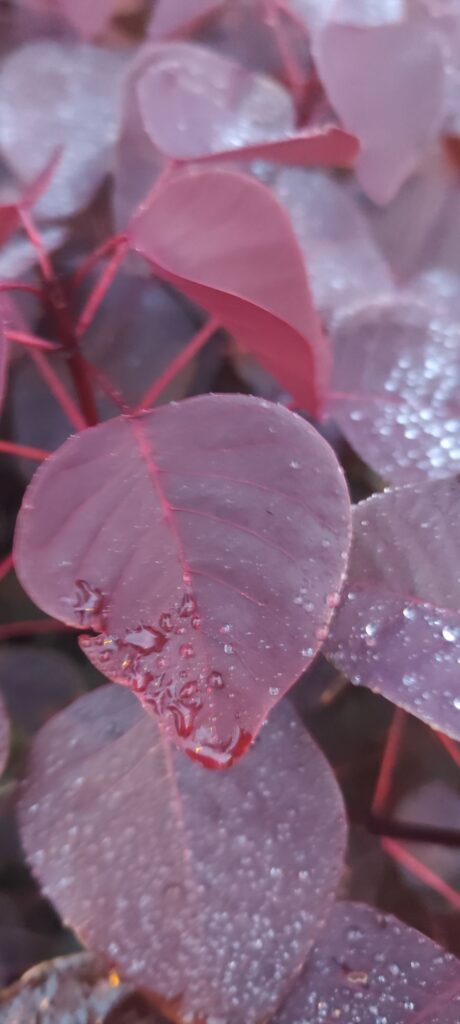
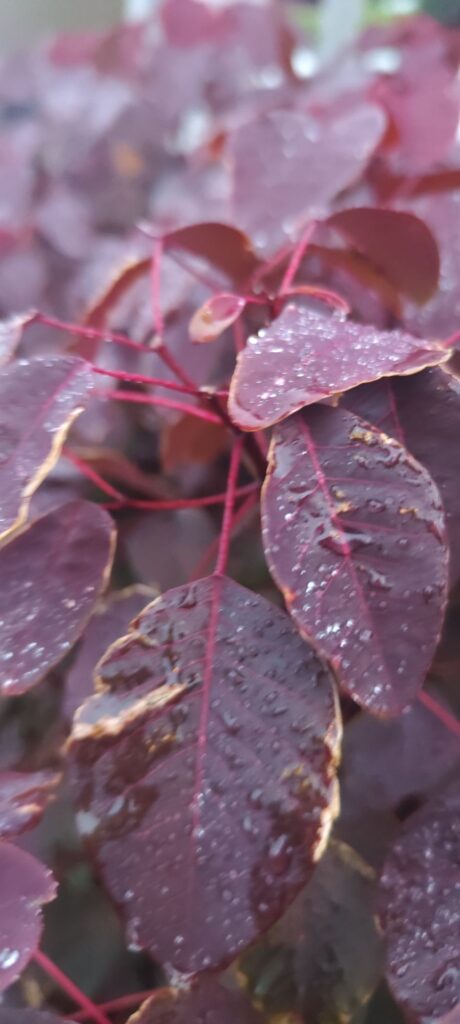
This plant develops as a large shrub or small tree with a rounded to spreading canopy. The leaves are oval to slightly elongated and display intense burgundy, copper-red, or purple coloration.
In favorable conditions, Euphorbia cotinifolia can reach heights of 6 to 10 meters, though it is often kept smaller through pruning.
Foliage Color and Seasonal Interest

The foliage color is one of the plant’s main attractions. Leaf coloration is most intense in full sun and warm conditions.
Unlike many flowering plants, its ornamental value comes primarily from its leaves rather than its small, inconspicuous flowers.
Growth Habit and Development
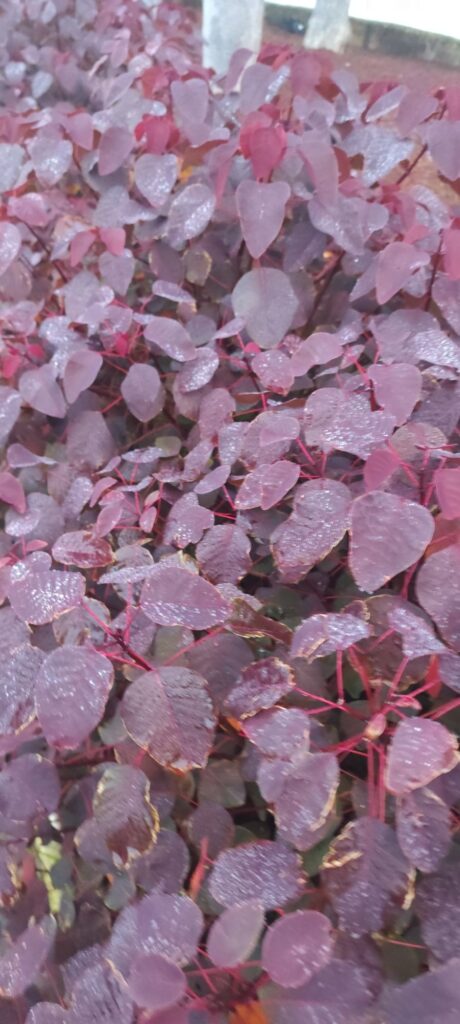
This species has a fast growth rate and responds well to pruning, which allows it to be shaped as a hedge, shrub, or small tree.
Its branching structure creates a dense canopy when regularly maintained.
Climate and Light Requirements
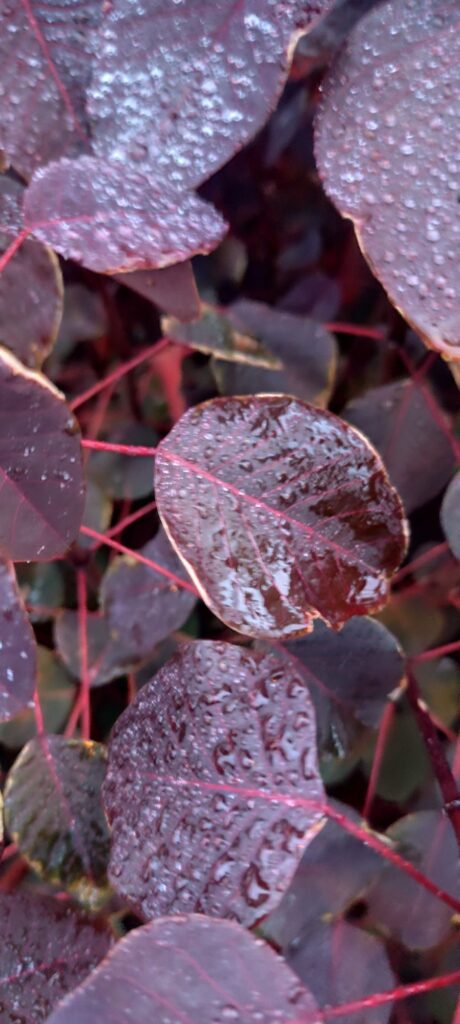
Euphorbia cotinifolia thrives in warm, tropical to subtropical climates and prefers full sun exposure. Strong sunlight enhances leaf color and plant vigor.
It is sensitive to frost and should be grown only in frost-free regions or protected locations.
Soil Preferences
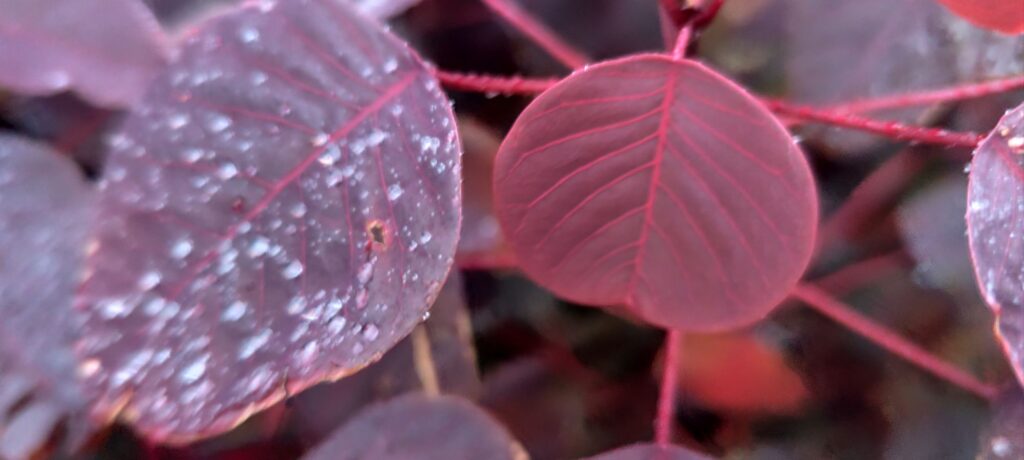
Well-drained soil is essential for healthy growth. The plant adapts to a range of soil types, including sandy and loamy soils.
Waterlogged conditions should be avoided.
Water Requirements
Regular watering is recommended during establishment. Once established, Euphorbia cotinifolia is moderately drought-tolerant.
Allowing the soil to dry slightly between watering cycles helps maintain root health.
Maintenance and Care
This plant is relatively low-maintenance. Pruning can be done to control size, shape, and density.
Protective gloves are recommended when pruning due to the plant’s milky sap.
Safety and Toxicity Notice
Euphorbia cotinifolia produces a white milky latex sap that is toxic and can cause skin and eye irritation.
All parts of the plant should not be consumed, and care should be taken when planting near children or pets.
Uses in Landscaping
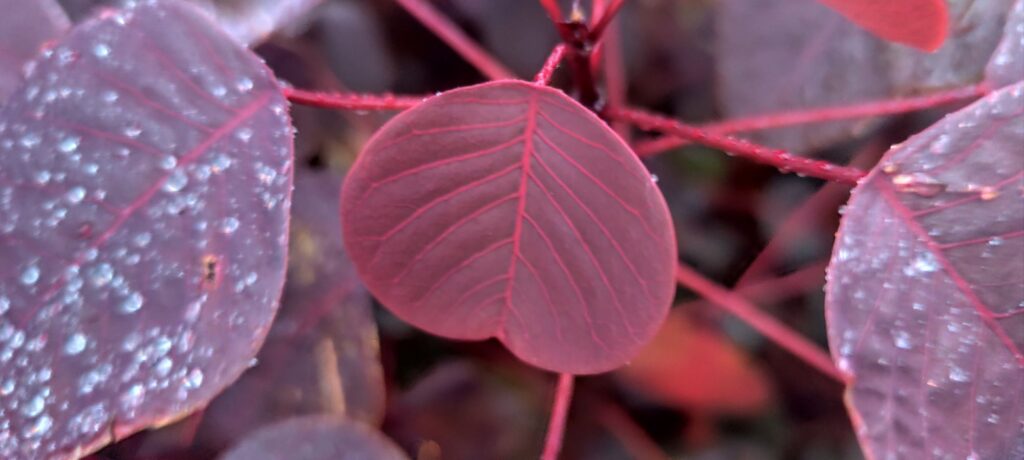
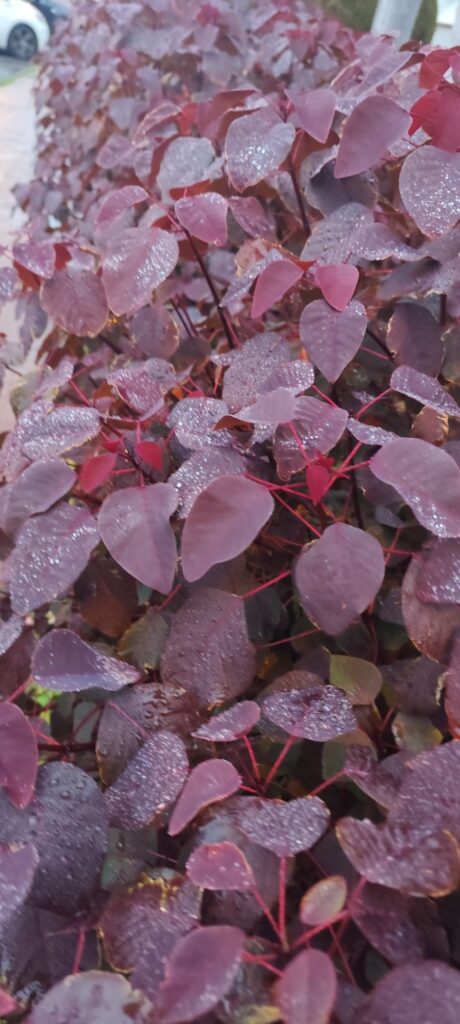
This species is widely used as a specimen plant, hedge, or color accent in tropical and Mediterranean-style gardens.
Its dramatic foliage makes it effective for contrast planting and visual focal points.
Visual and Environmental Value
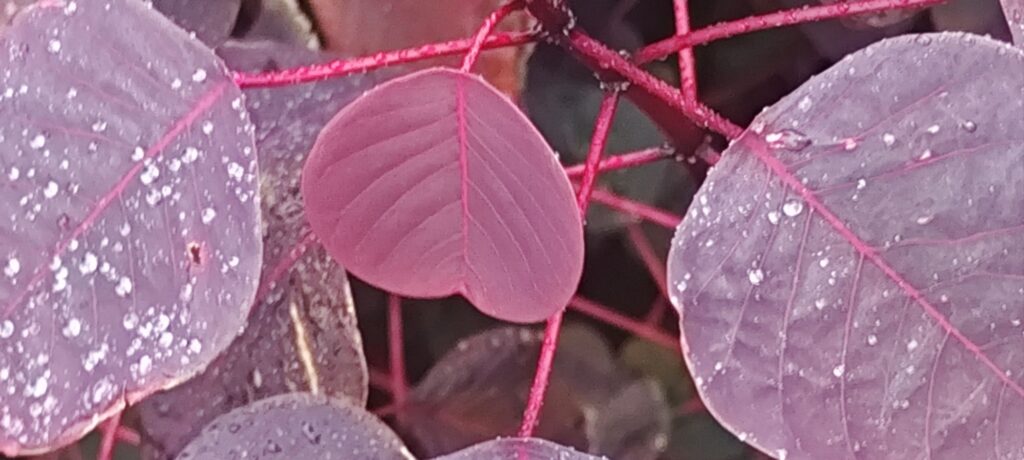
Visually, the Caribbean copper plant adds strong color contrast and a bold silhouette to landscapes.
Its dense foliage can also provide shade and privacy when used as a hedge or screen.
Suitability for Gardens and Open Spaces
Euphorbia cotinifolia is ideal for large gardens and open landscapes in warm climates where space allows for its growth.
With full sun, good drainage, and basic care, it can become a long-lived and highly decorative ornamental plant.