Overview of Encephalartos ferox
Encephalartos ferox is a striking cycad species known for its bold, spiny leaflets and robust, prehistoric appearance. Although often informally referred to as a “cica,” it belongs to the ancient cycad group rather than true palms. Its dramatic form and tolerance to warm climates make it a valued ornamental plant in suitable regions.
This species is appreciated for its strong architectural presence and its ability to thrive in challenging environments once established.
Natural Origin and Distribution
Encephalartos ferox is native to coastal regions of southeastern Africa, particularly Mozambique and northeastern South Africa. In the wild, it grows in sandy soils near dunes, coastal forests, and scrubland areas exposed to wind and salt.
Its natural adaptation to coastal conditions has contributed to its popularity in similar climates around the world.
Physical Characteristics
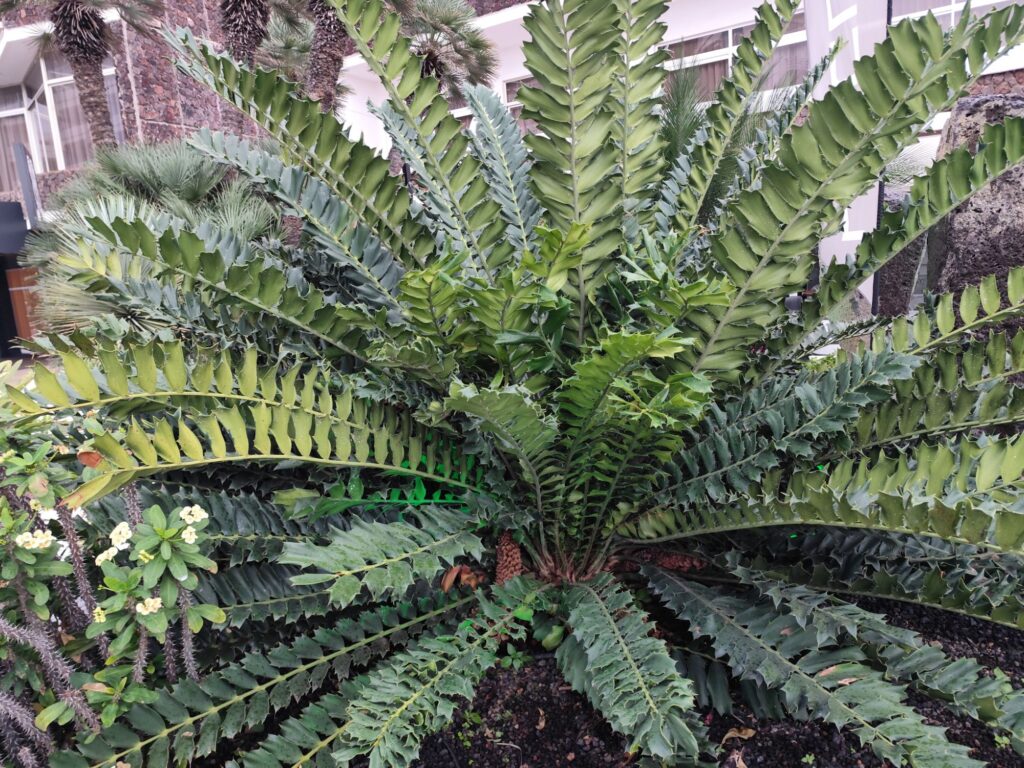
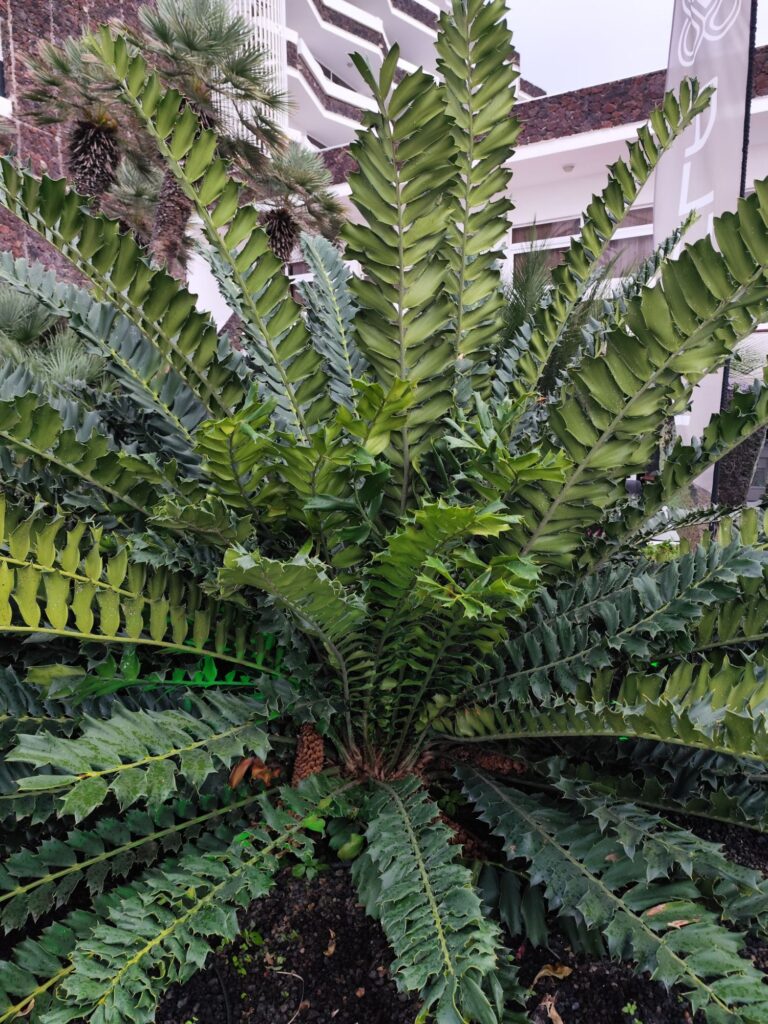
This cycad forms a stout, low-growing trunk that may remain partially underground for many years. Over time, it can develop a visible stem, giving the plant a powerful and compact appearance.
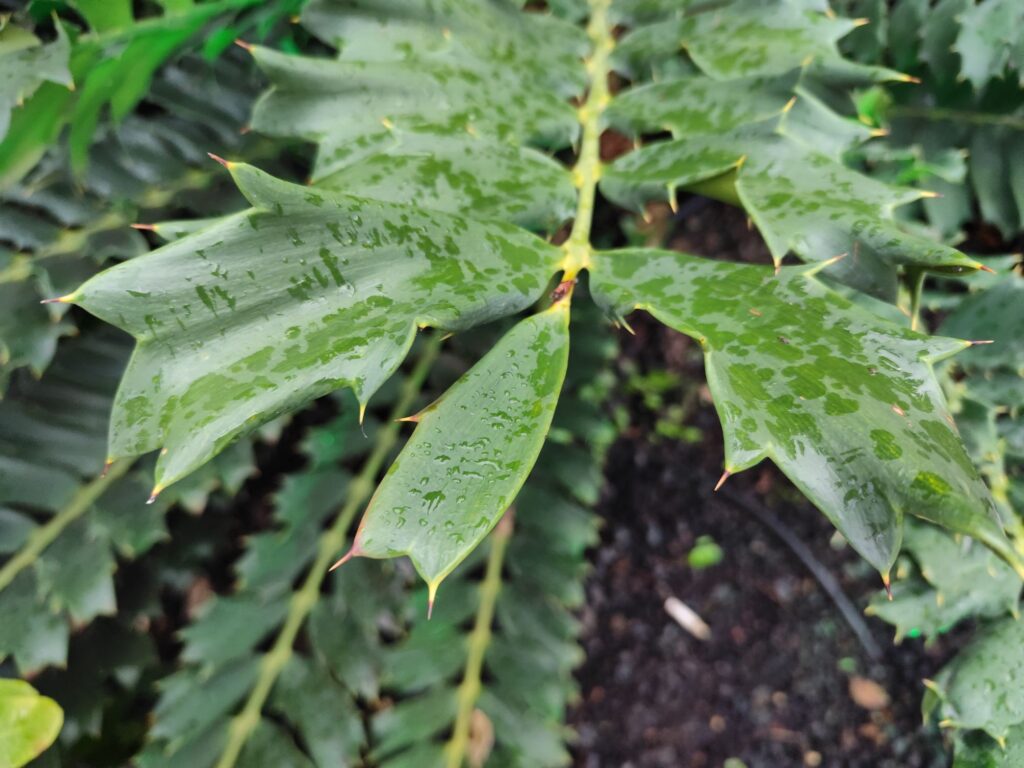
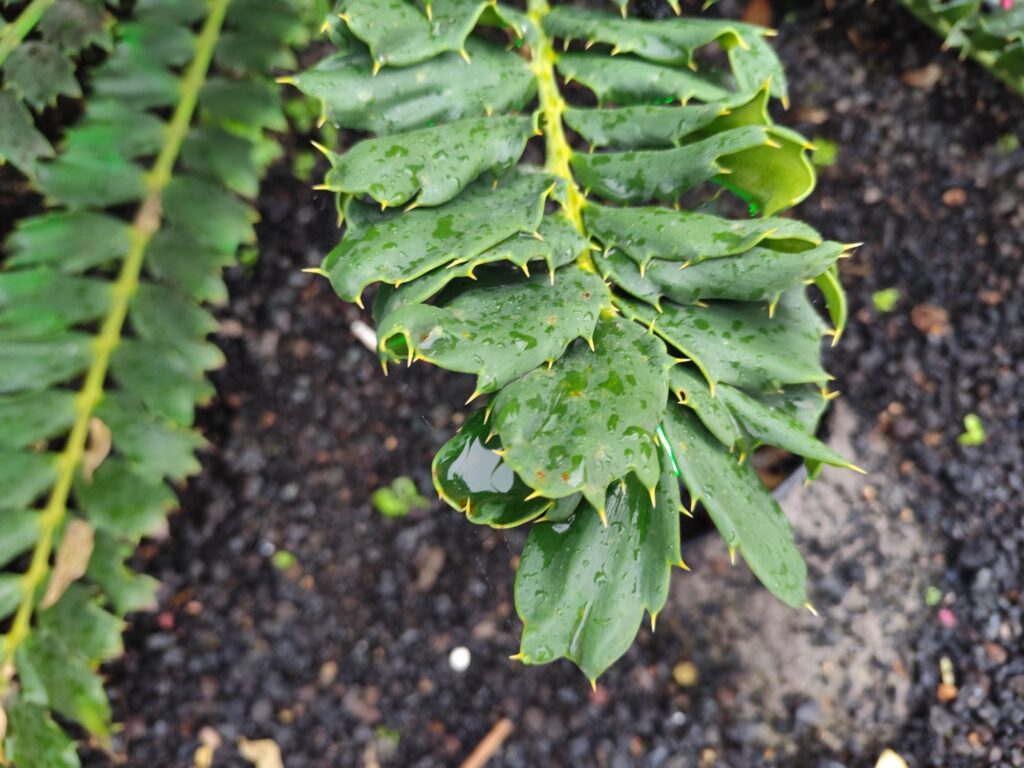
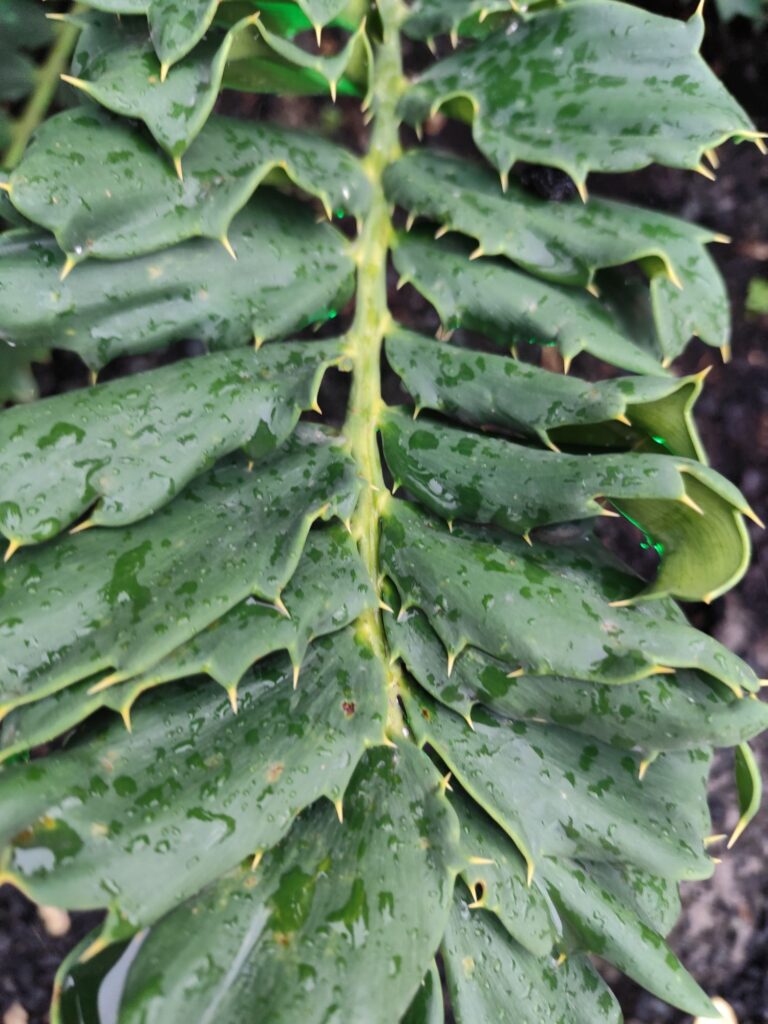
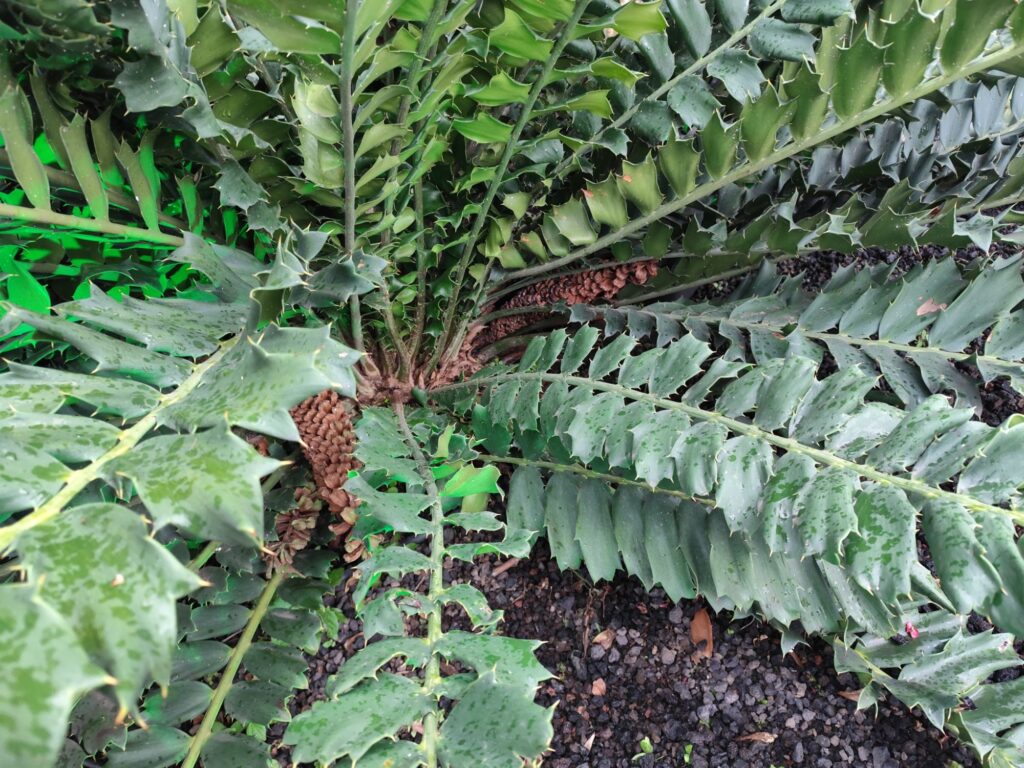
The leaves are long, stiff, and arching, with thick, glossy leaflets that often display pronounced spines along the edges. Leaf color ranges from deep green to bluish-green depending on conditions.
Cones and Reproductive Features
Encephalartos ferox is a dioecious plant, meaning male and female cones are produced on separate plants. The cones are large, robust, and visually impressive.
Female cones are particularly notable for their bright coloration, often showing red, orange, or yellow tones, which add ornamental value when present.
Growth Habit and Development
This species grows slowly, a characteristic typical of cycads. Its slow growth contributes to its longevity and stability once established.
Over many years, it forms a dense crown of leaves that emerges from the central stem, maintaining a strong and symmetrical structure.
Climate and Light Requirements
Encephalartos ferox thrives in warm, frost-free climates. It prefers full sun to light partial shade, with full sun encouraging compact growth and strong leaf structure.
Young plants may benefit from some protection from intense midday sun until they are well established.
Soil Preferences
This cycad performs best in well-drained soils, particularly sandy or coastal substrates. Good drainage is essential to prevent root problems.
It tolerates nutrient-poor soils and does not require rich substrates to grow successfully.
Water Requirements
Regular watering is important during the establishment phase. Once established, Encephalartos ferox becomes relatively drought-tolerant.
Excessive watering should be avoided, as the plant prefers periods of dryness between watering cycles.
Maintenance and Care
Encephalartos ferox is a low-maintenance plant when grown in appropriate conditions. Old or damaged leaves can be removed carefully to maintain appearance.
Because of the spiny leaflets, protective gloves are recommended when handling or pruning the plant.
Safety and Toxicity Notice
All parts of Encephalartos ferox contain naturally occurring toxic compounds. The plant should not be consumed or used for medicinal purposes.
It should be planted with care in areas accessible to children or animals, and handling should always be done responsibly.
Uses in Landscaping
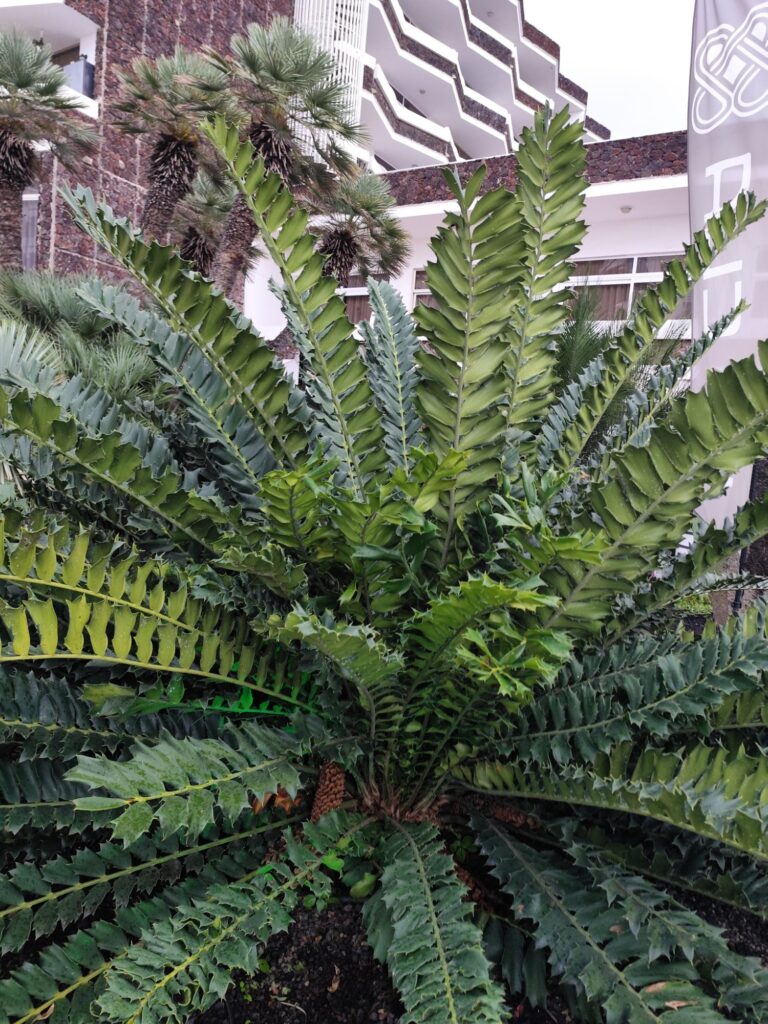
This cycad is widely used as a focal plant in warm-climate gardens, coastal landscapes, and botanical collections. Its bold form makes it ideal as a standalone specimen.
It is particularly effective in dry gardens, tropical-style designs, and landscapes that emphasize strong structure.
Visual and Ecological Value
Visually, Encephalartos ferox adds a dramatic, ancient character to landscapes. Its thick leaves and strong form create contrast with softer plants.
In suitable environments, it contributes to biodiversity by providing shelter for small wildlife.
Suitability for Gardens
Encephalartos ferox is best suited to gardens in warm, frost-free regions with good drainage and sufficient space.
With proper placement and minimal care, it can become a long-lived and impressive feature in private and public landscapes.