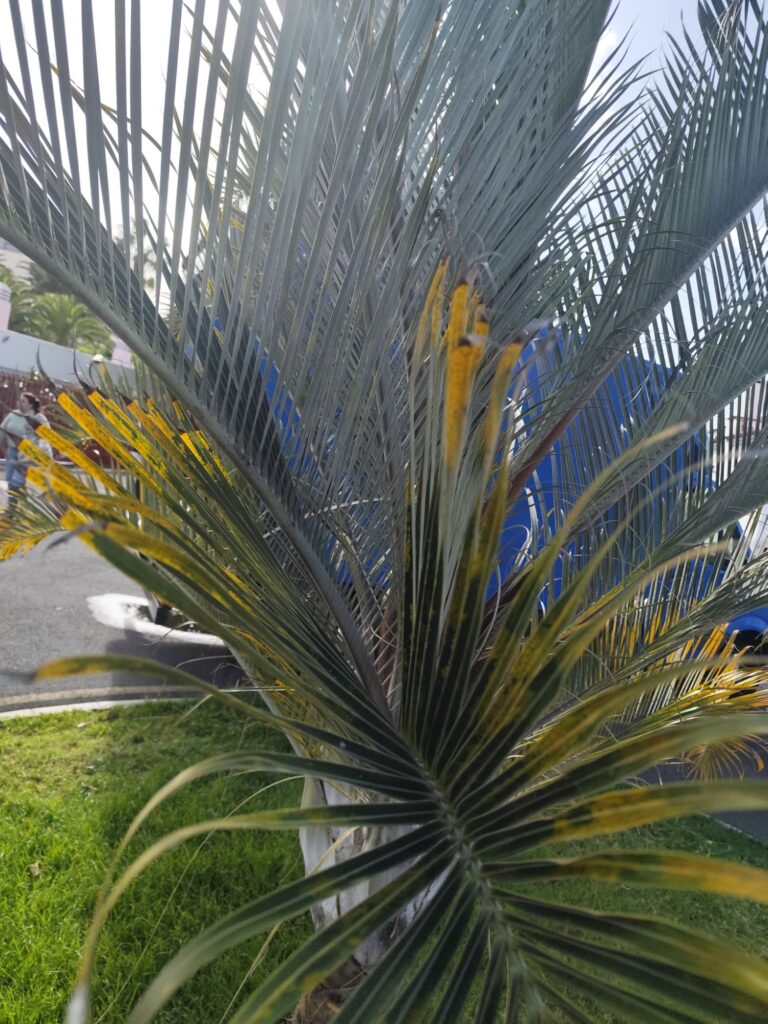
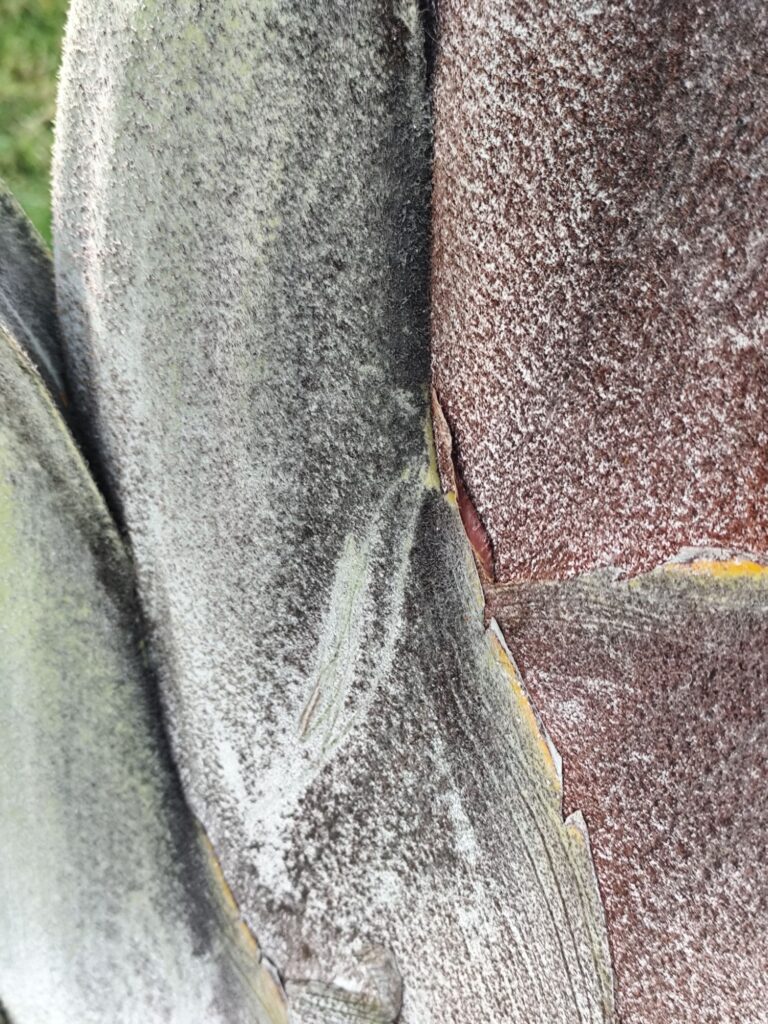
Overview of Dypsis decaryi
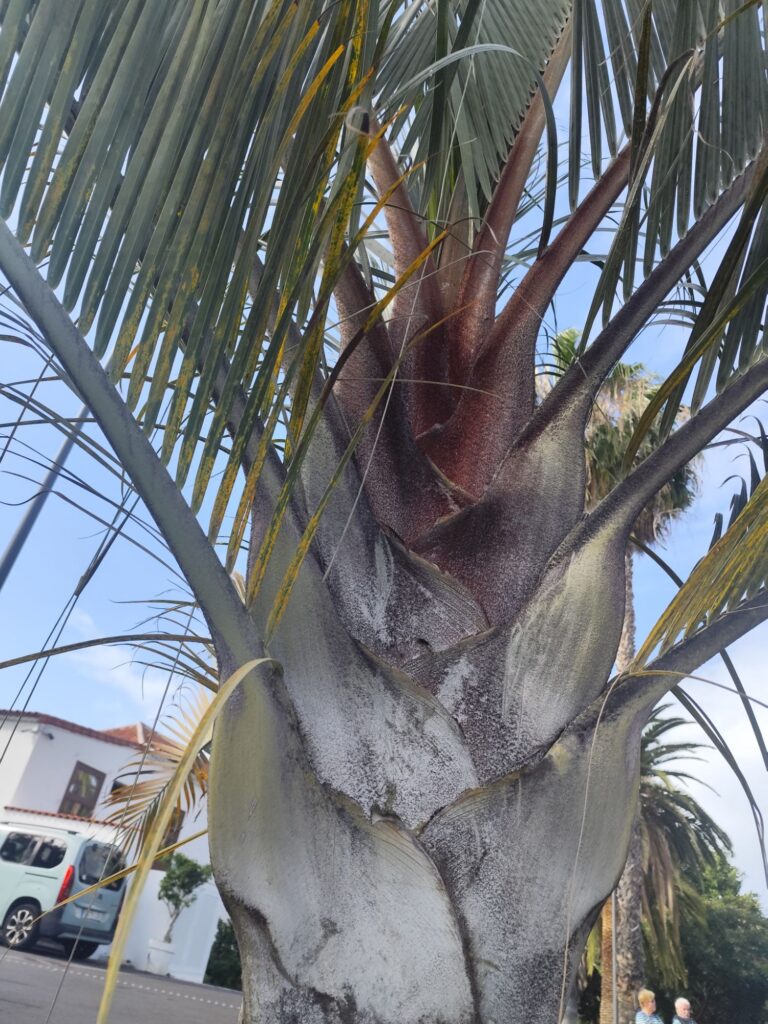
Dypsis decaryi, commonly known as the triangular palm, is a distinctive ornamental palm recognized for its unusual triangular trunk formed by three vertical rows of leaves. This unique structure makes it one of the most visually striking palms used in landscaping.
The palm is highly valued in warm climates for its architectural form, moderate size, and suitability as a focal point in gardens and public spaces.
Natural Origin and Distribution
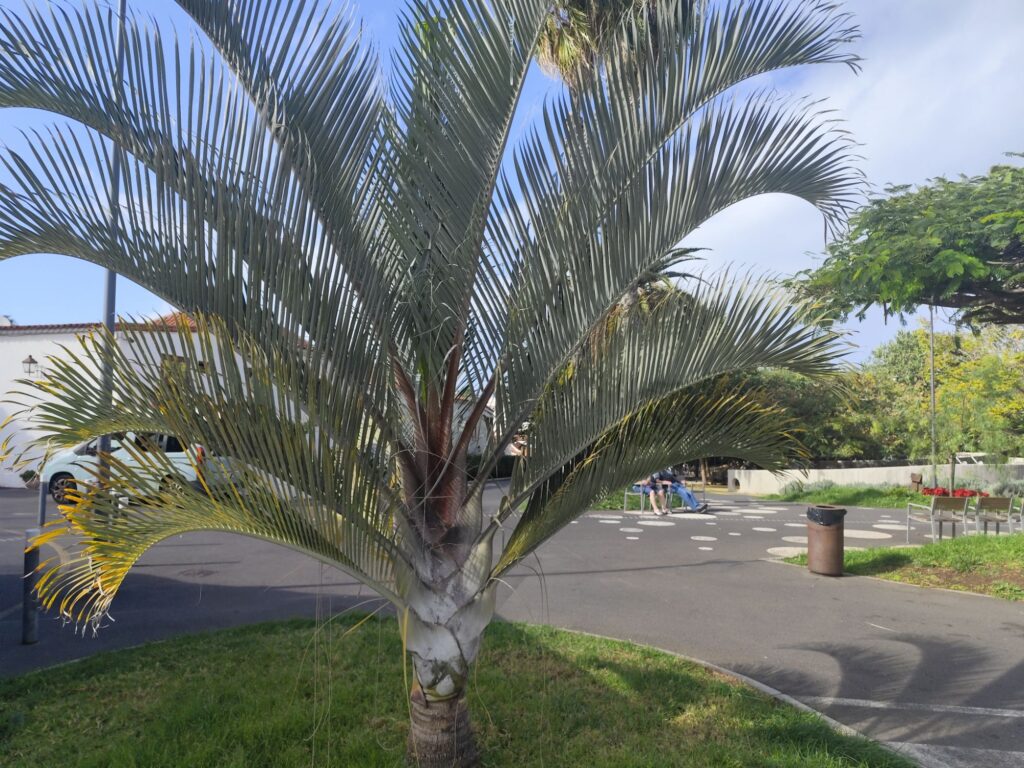
Dypsis decaryi is native to Madagascar, where it grows in dry, open areas with rocky and sandy soils. In its natural habitat, it is adapted to strong sunlight, seasonal drought, and well-drained ground.
Due to its ornamental appeal, it has been introduced to many subtropical and Mediterranean regions worldwide.
Physical Characteristics
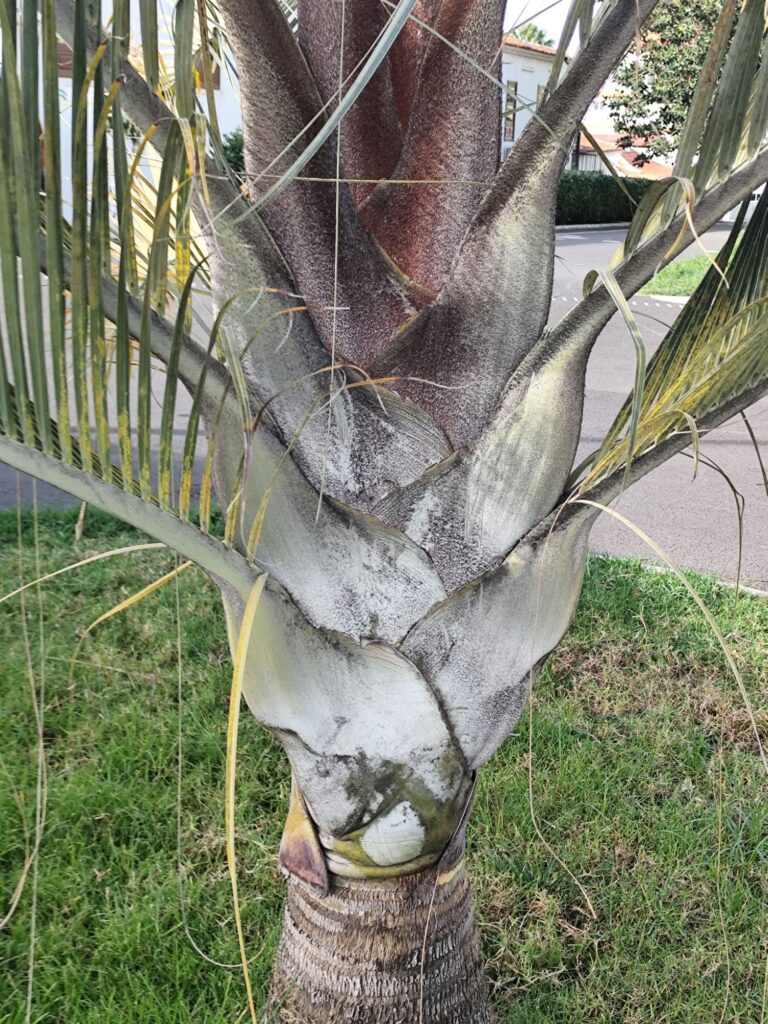
The most distinctive feature of Dypsis decaryi is its triangular trunk, which is created by the arrangement of leaf bases in three distinct planes. The trunk is smooth and grayish in color, becoming more pronounced as the palm matures.
The leaves are long, arching, and feather-like, with a silvery-green to blue-green tone. The crown is open and airy, enhancing the palm’s elegant appearance.
Growth Habit and Development
This palm has a moderate growth rate and typically reaches heights of 8 to 12 meters in outdoor conditions over many years. It maintains a single, upright trunk and does not form clumps.
Its symmetrical growth habit makes it naturally well-balanced without the need for shaping or pruning.
Climate and Light Requirements
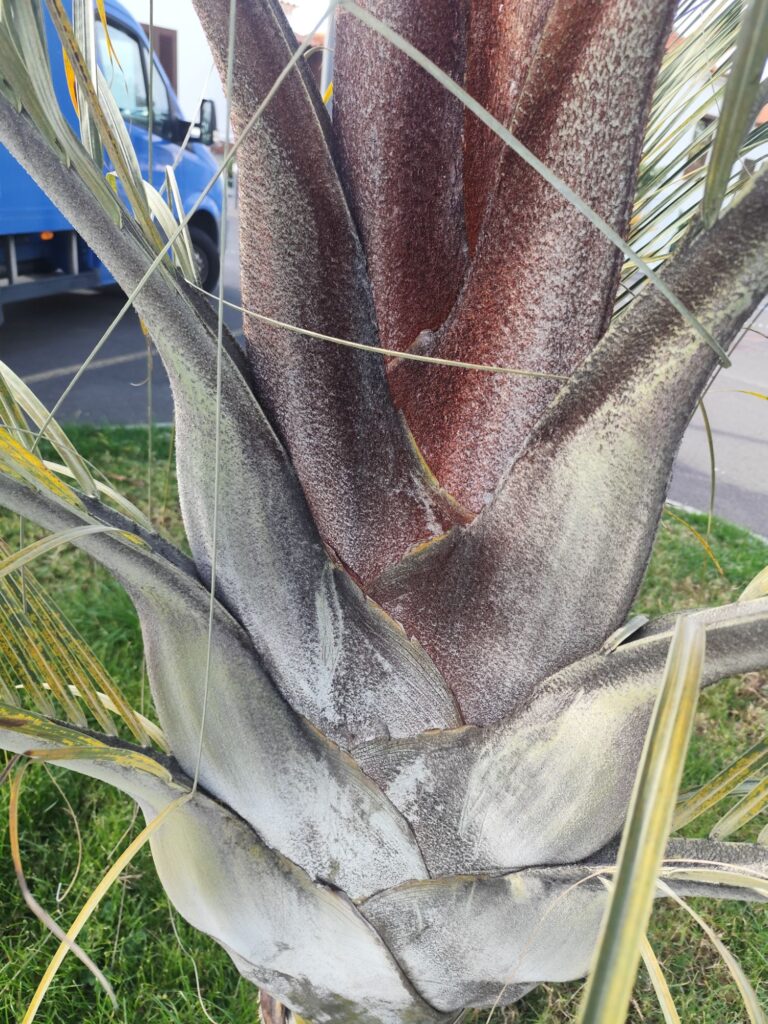
Dypsis decaryi thrives in warm climates and prefers full sun exposure. Full sun helps maintain compact growth and enhances the color of the foliage.
The palm is sensitive to frost and is best suited to frost-free regions or areas with very mild winters.
Soil Preferences
Well-drained soil is essential for healthy growth. Dypsis decaryi performs best in sandy, rocky, or volcanic soils that allow excess water to drain quickly.
It tolerates relatively poor soils but does not perform well in heavy or waterlogged ground.
Water Requirements
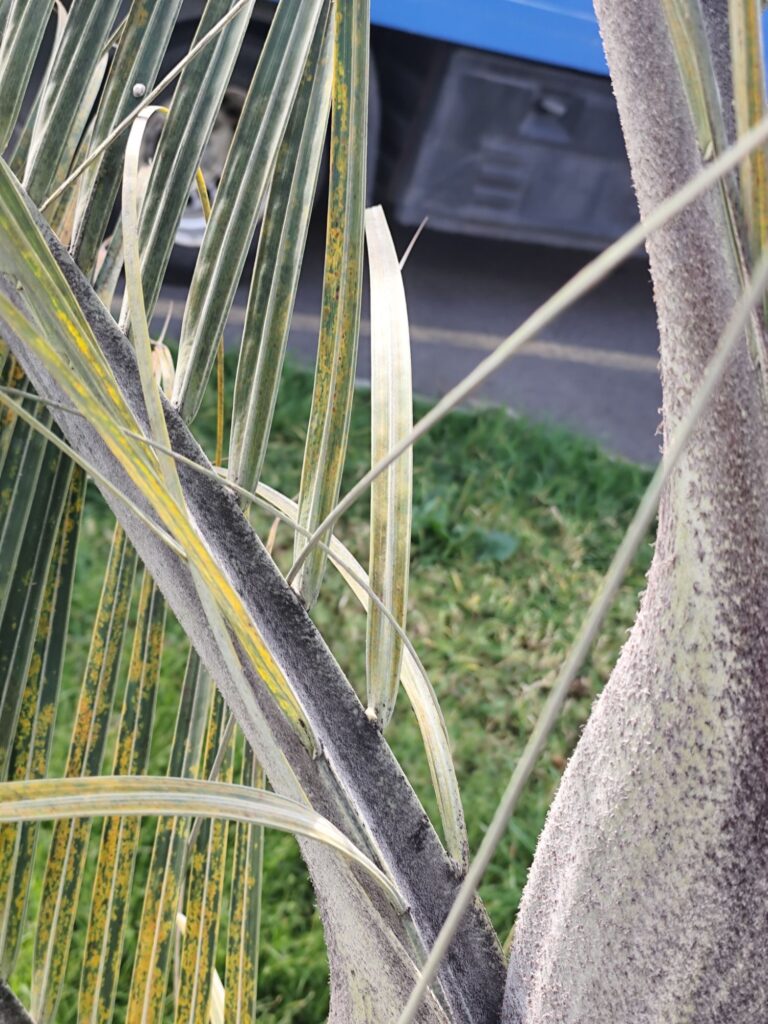
Regular watering is important during the establishment phase. Once established, the palm becomes moderately drought-tolerant.
Occasional deep watering during dry periods supports healthy growth, but overwatering should be avoided.
Maintenance and Care

This palm is considered low-maintenance. Pruning is limited to removing old or damaged leaves as needed.
It generally shows good resistance to pests and diseases when grown in suitable conditions.
Uses in Landscaping
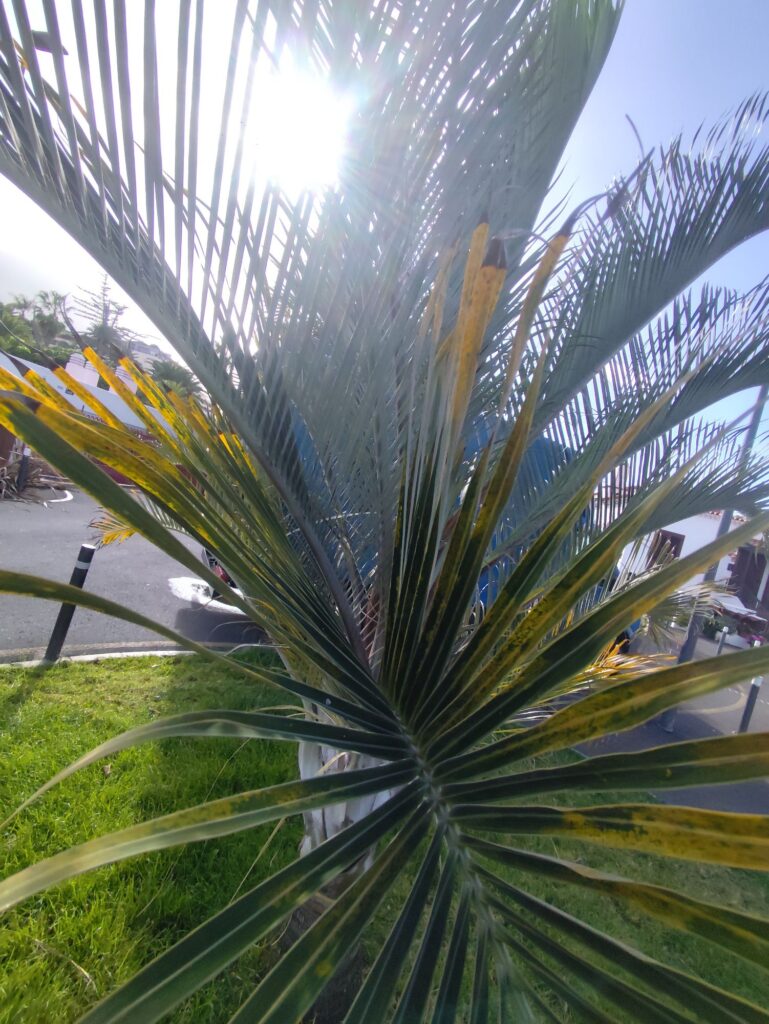
Dypsis decaryi is widely used as a feature palm in gardens, parks, and resort landscapes. Its unusual trunk shape makes it ideal as a standalone specimen.
It also works well in modern, tropical, and Mediterranean-style designs where strong architectural elements are desired.
Visual and Environmental Value
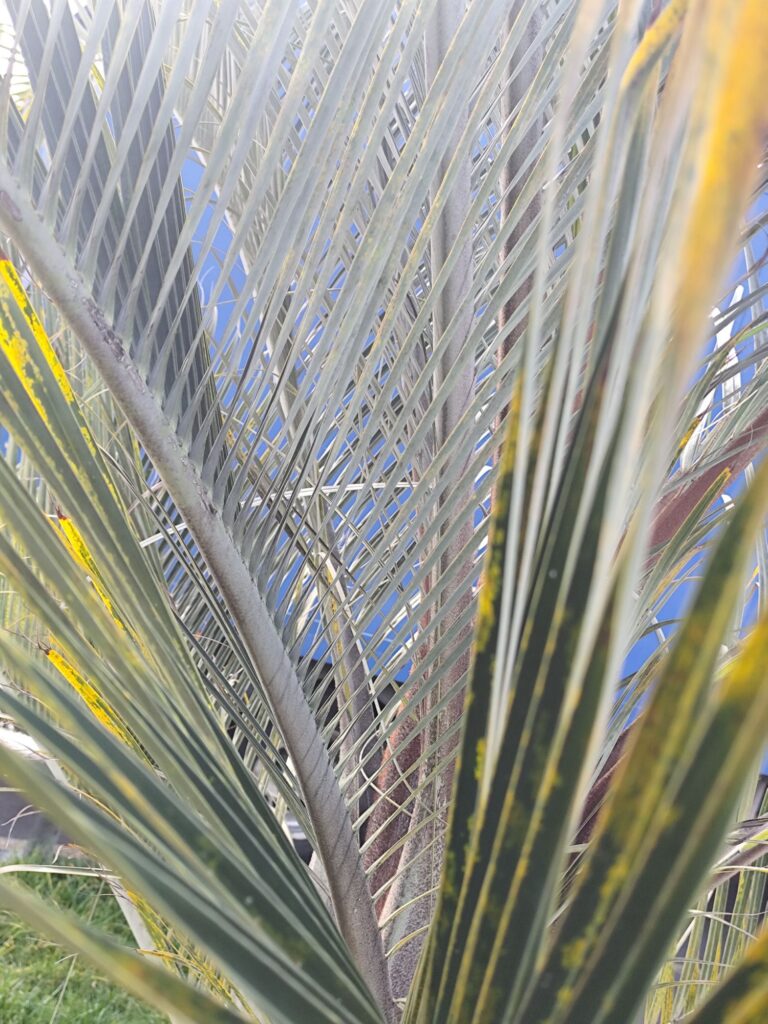
Visually, the triangular palm adds a sculptural and exotic character to landscapes. Its form creates strong contrast with rounder or softer plants.
Environmentally, it supports low-water landscaping once established and fits well into drought-conscious garden designs.
Suitability for Gardens and Open Spaces
Dypsis decaryi is best suited to medium and large gardens, as well as public spaces where its full form can be appreciated.
With proper placement, good drainage, and minimal care, it can become a long-lasting and iconic element in warm-climate landscapes.