Overview of Diplazium esculentum
Diplazium esculentum is a tropical fern species belonging to the family Athyriaceae and is widely known as the most commonly consumed edible fern in the world. It is cultivated and harvested primarily for its young shoots, often referred to as fiddleheads.
This fern is valued not only as an ornamental foliage plant but also as an important food crop in many regions of Asia and Oceania.
Natural Origin and Distribution
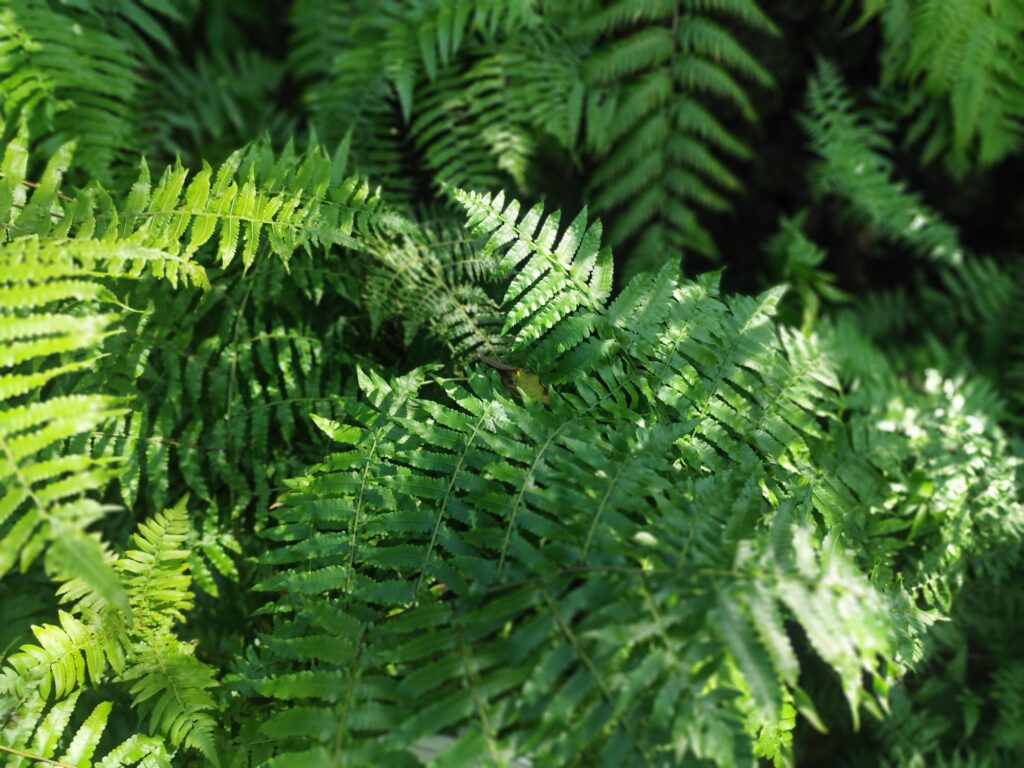
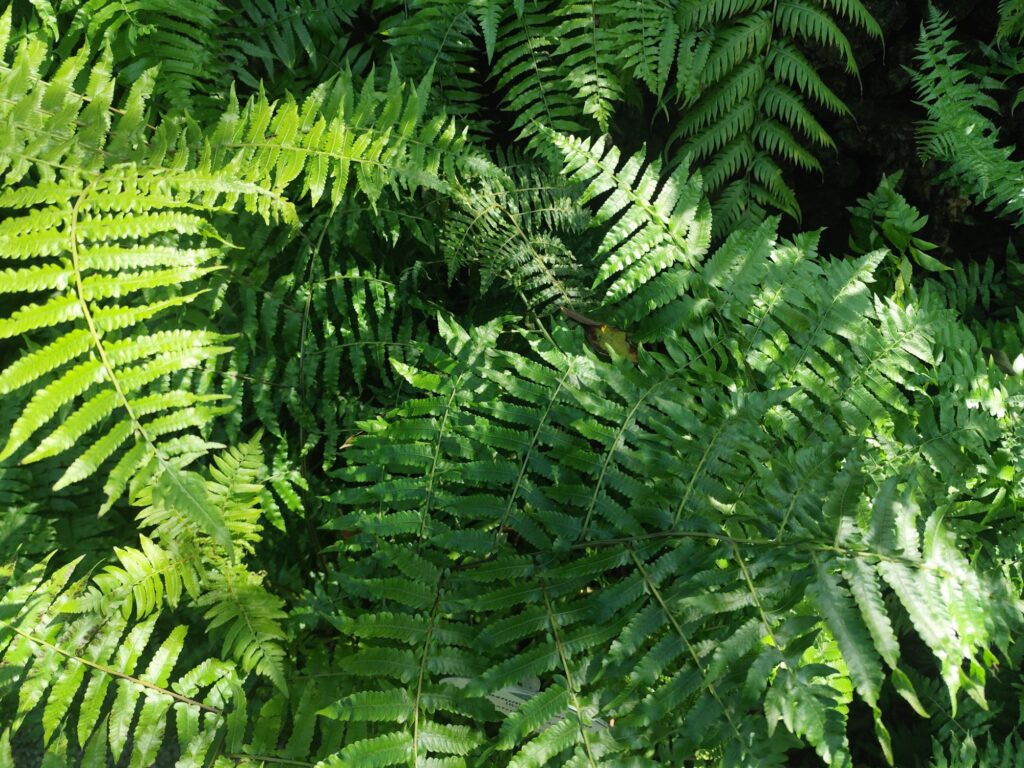
Diplazium esculentum is native to tropical Asia and the Pacific region. It grows naturally in humid forests, riverbanks, wetlands, and shaded lowland areas where moisture is abundant.
Its wide distribution across Southeast Asia, South Asia, and Pacific islands reflects its adaptability to warm, humid environments.
Physical Characteristics
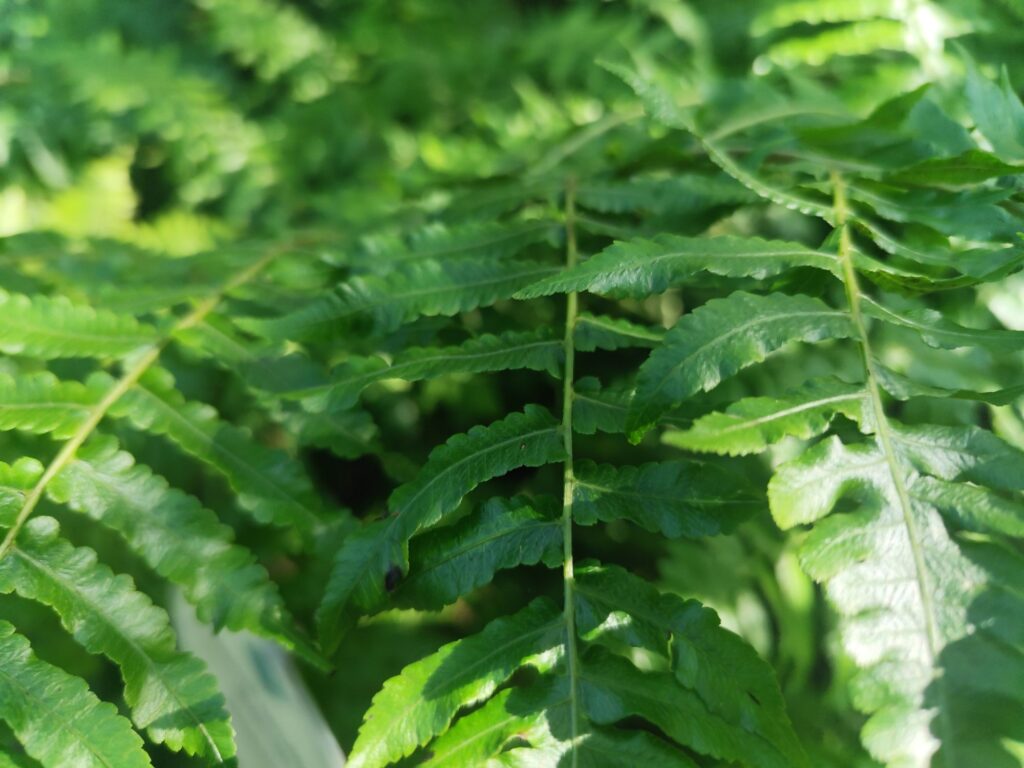
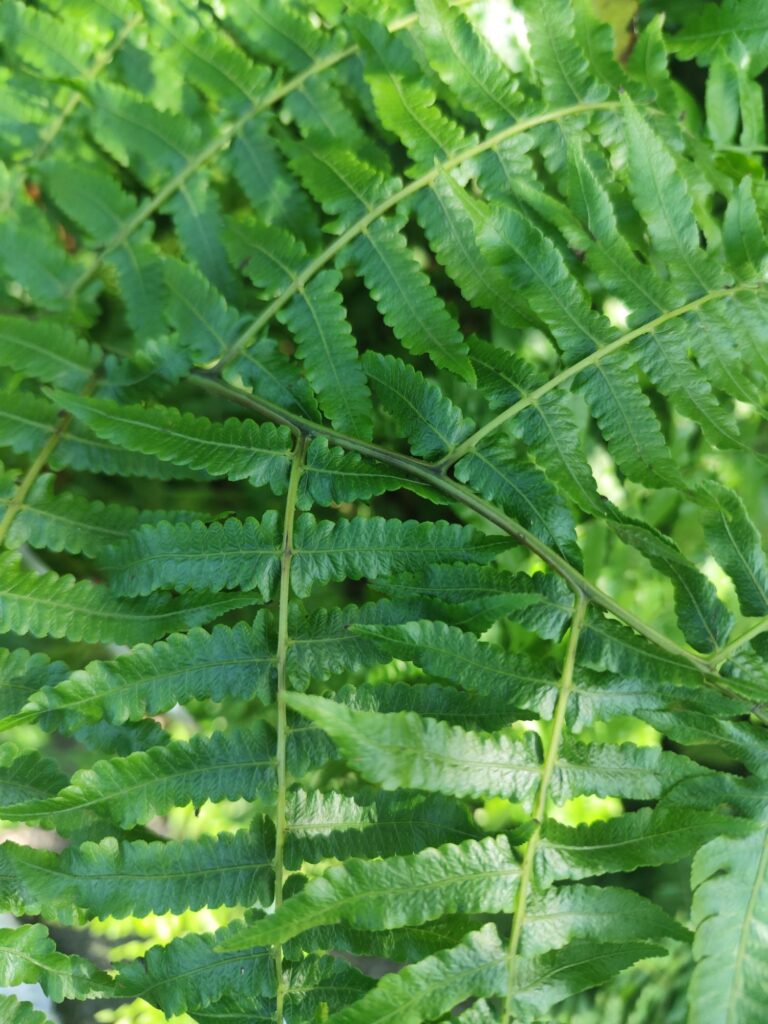
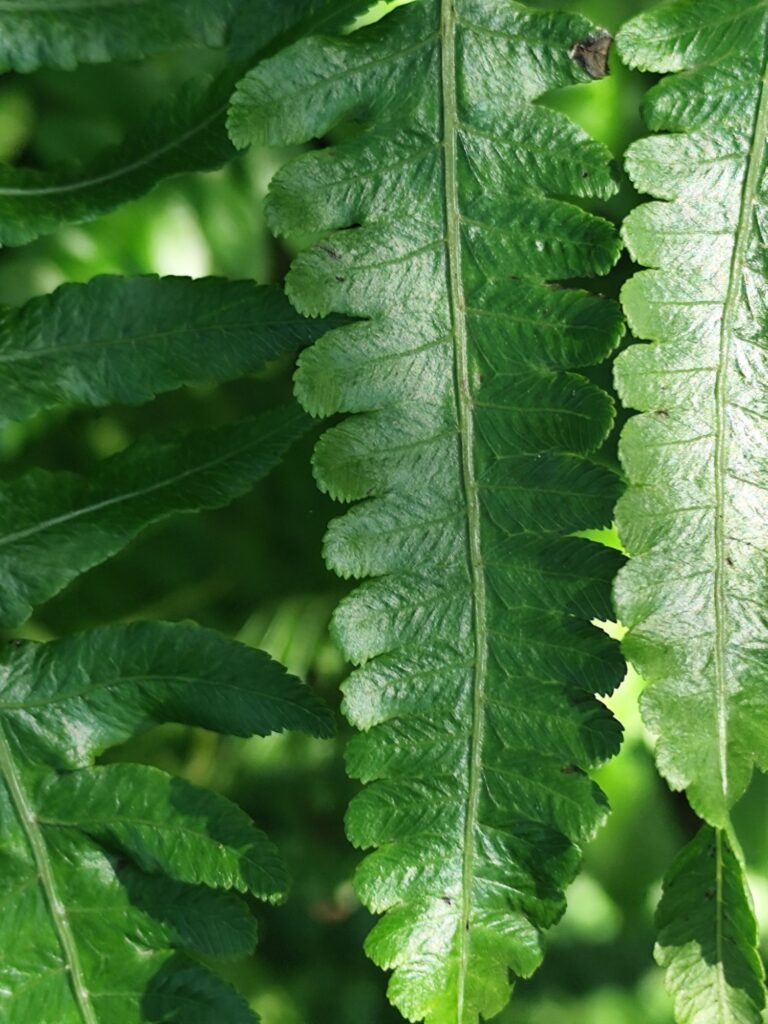
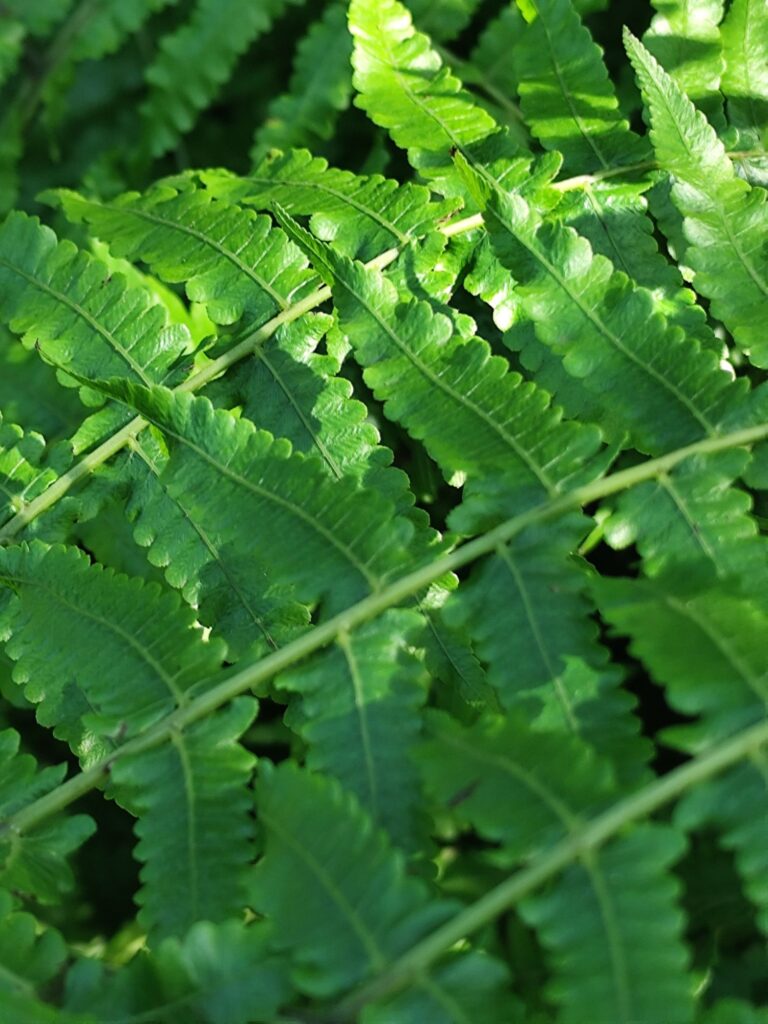
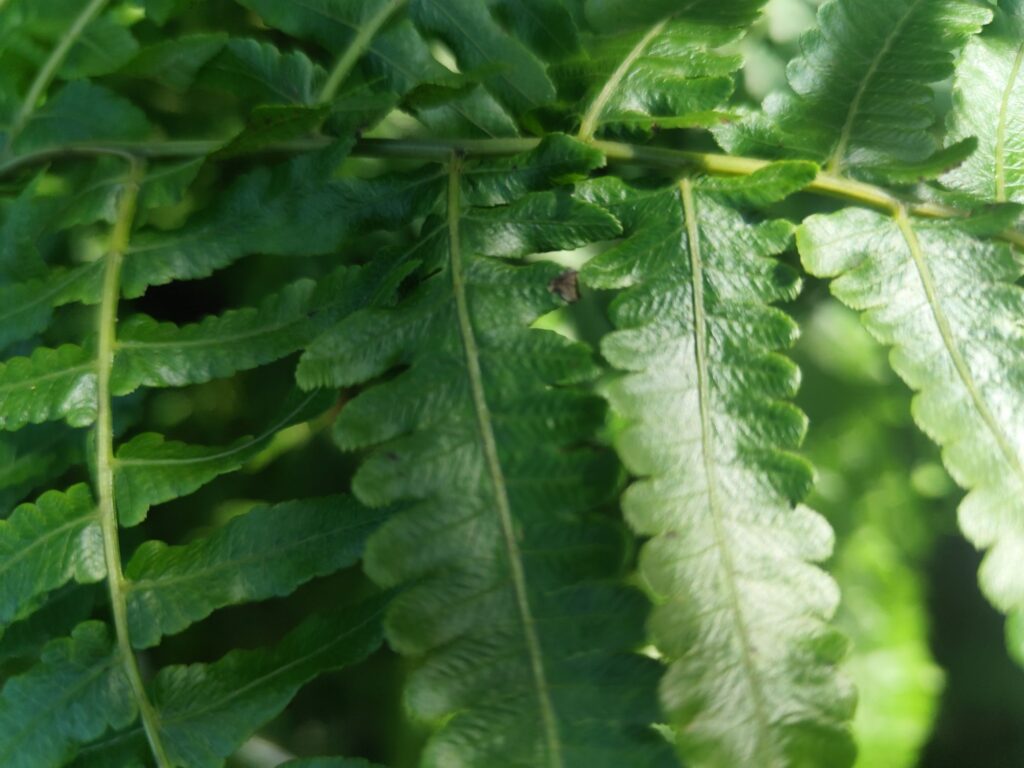
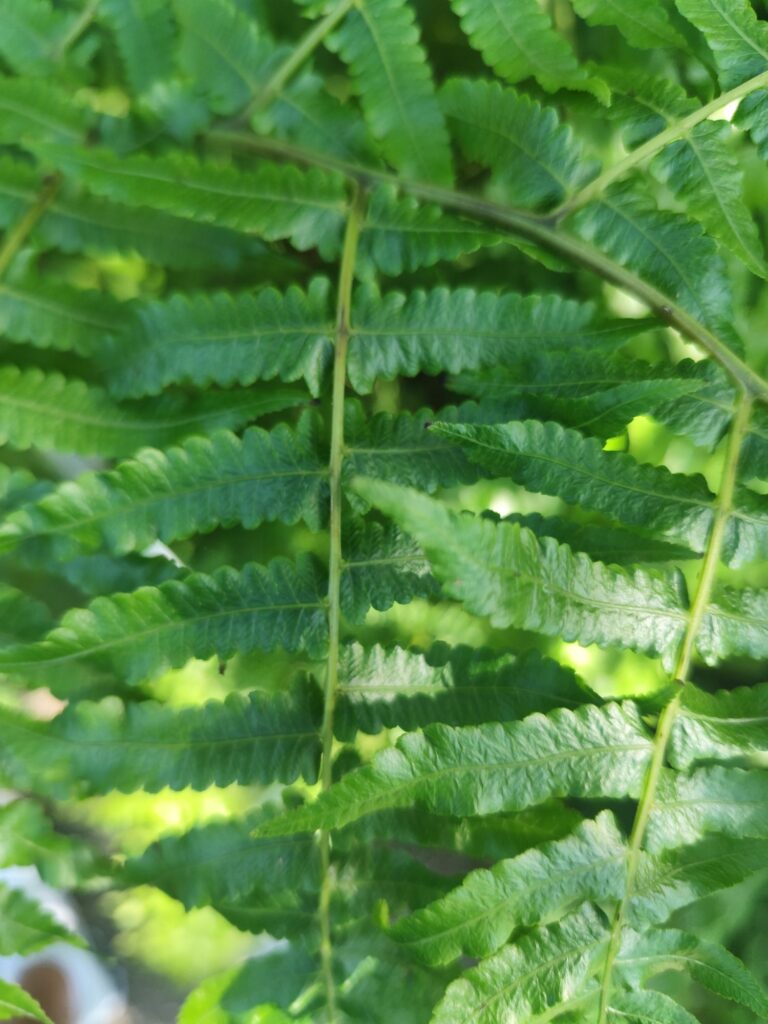
This species forms clumps of upright fronds arising from a short rhizome. The fronds are large, arching, and finely divided, giving the plant a lush and feathery appearance.
Young fronds emerge tightly coiled and tender, while mature fronds can reach heights of 1 to 2 meters under favorable conditions.
Growth Habit and Development
Diplazium esculentum has a fast growth rate in warm, moist conditions. It spreads gradually by rhizomes, forming dense stands over time.
Its vigorous growth allows repeated harvesting of young shoots without killing the plant when managed properly.
Climate and Light Requirements
This fern thrives in tropical and subtropical climates with consistently warm temperatures and high humidity.
It prefers partial shade to filtered light and does not tolerate prolonged direct sunlight, which can damage the fronds.
Soil Preferences
Diplazium esculentum grows best in rich, well-drained but consistently moist soils with high organic content.
It tolerates periodic flooding and performs well in soils near streams and wetlands, provided drainage is adequate.
Water Requirements
Regular and abundant watering is essential for healthy growth. The soil should remain consistently moist but not stagnant.
Dry conditions can cause frond damage and significantly slow growth.
Maintenance and Care
This fern requires minimal maintenance in suitable environments. Removal of old or damaged fronds helps maintain appearance and encourages new growth.
Mulching with organic material supports soil moisture retention and nutrient availability.
Edible Use and Culinary Importance
Diplazium esculentum is the most widely consumed fern species globally. The young shoots are harvested and cooked before consumption.
It is traditionally used in a variety of regional cuisines across Asia and Oceania. Only the tender, immature fronds are eaten.
Food Safety Notice
The young shoots of Diplazium esculentum are edible when properly prepared. They should always be cooked before consumption.
Other fern species may be toxic, so correct identification is essential.
Uses in Landscaping
In addition to its culinary value, Diplazium esculentum is used as an ornamental plant in tropical gardens, shaded borders, and near water features.
Its lush foliage makes it suitable for creating dense green backgrounds in humid landscapes.
Visual and Ecological Value
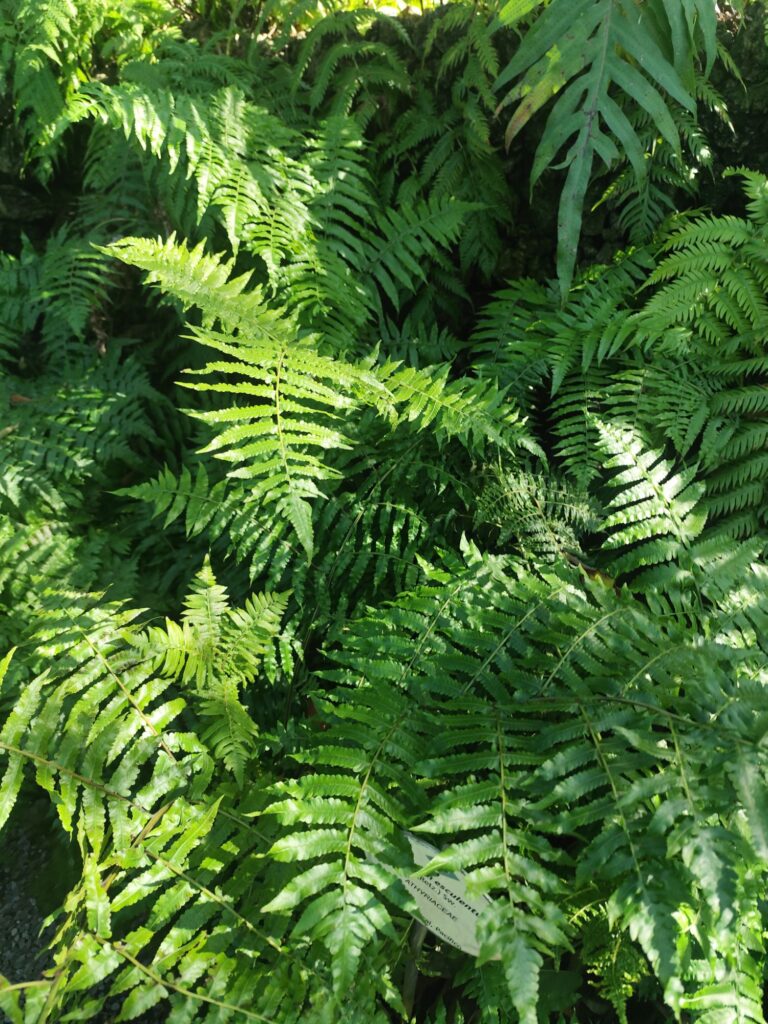
Visually, the plant adds a dense, tropical look to shaded garden areas. Its large fronds create texture and movement.
Ecologically, it contributes to soil stabilization in moist environments and supports biodiversity in tropical ecosystems.
Suitability for Cultivation
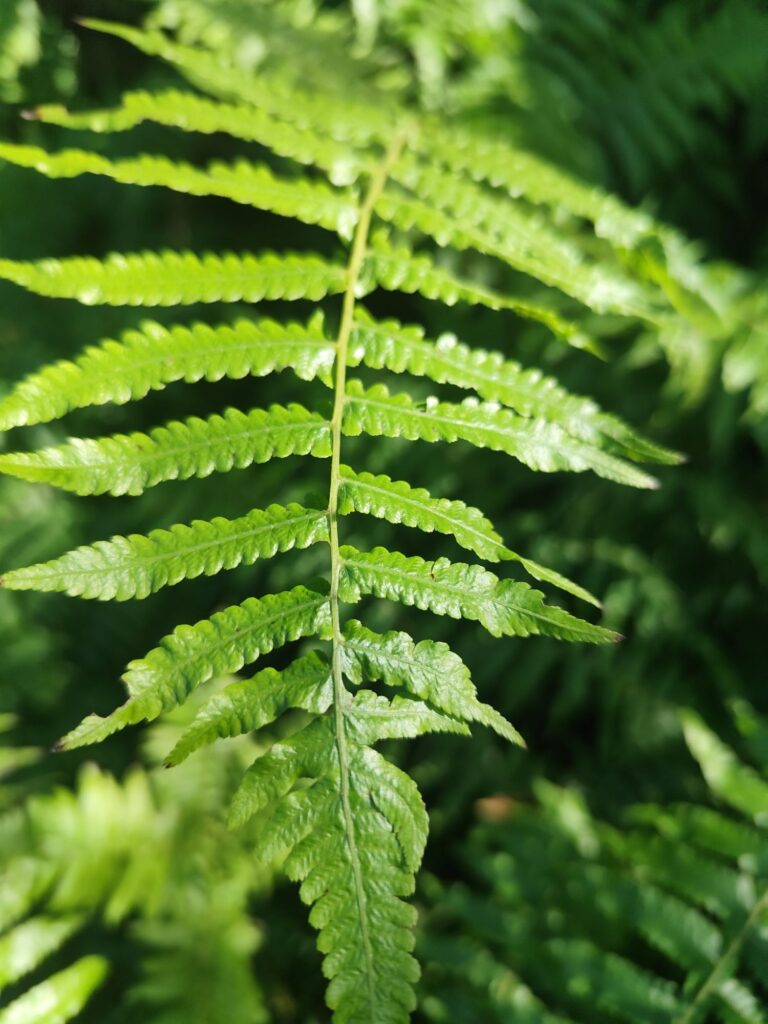
Diplazium esculentum is well suited to cultivation in tropical and subtropical regions with high humidity and consistent moisture.
With shade, rich soil, and regular watering, it can be both a productive edible plant and an attractive ornamental fern.