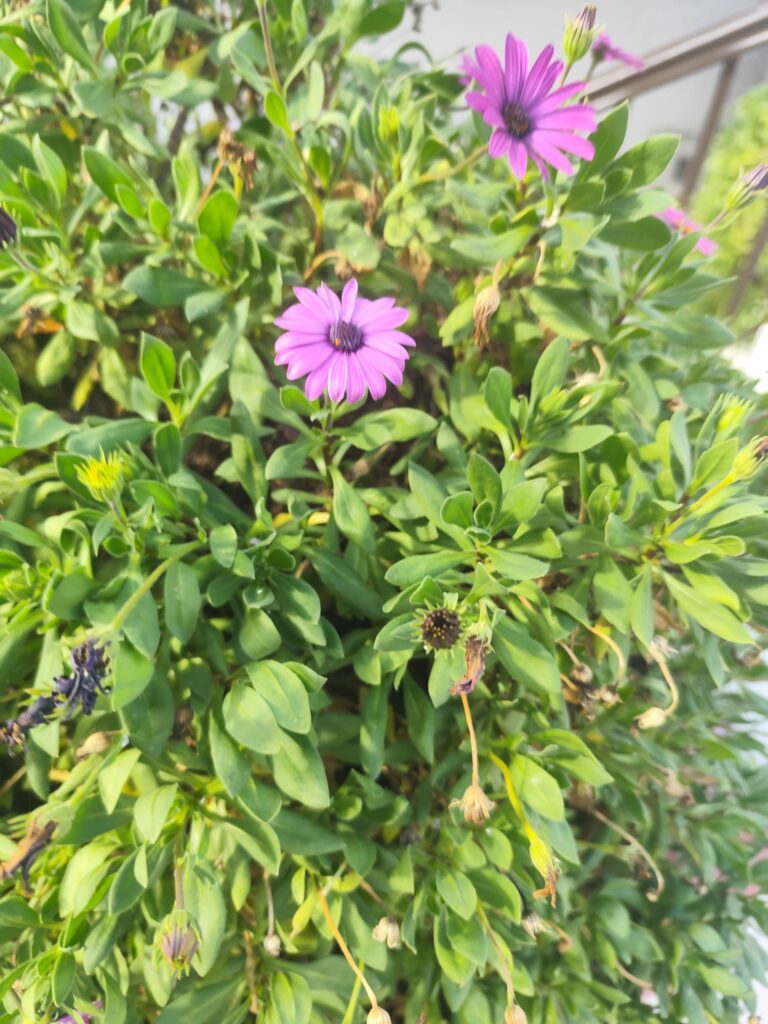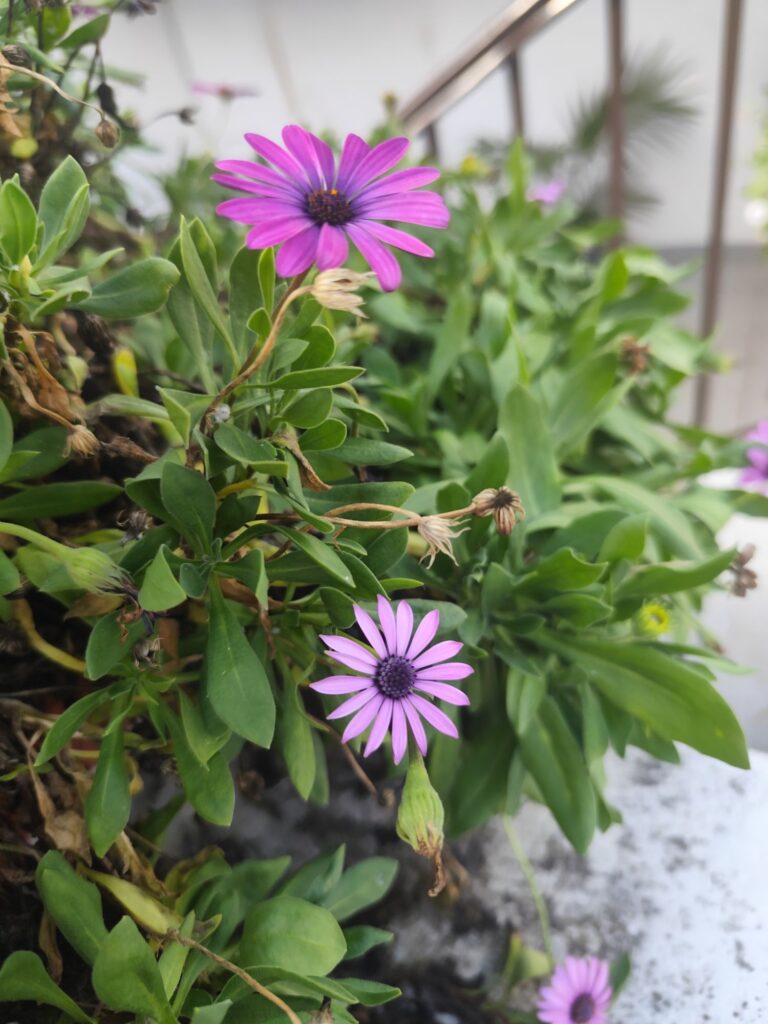
Overview of Dimorphotheca ecklonis
Dimorphotheca ecklonis, commonly known as the Cape daisy or African daisy, is a sun-loving flowering plant admired for its vivid daisy-like blooms and excellent performance in dry, warm climates. It is widely used in ornamental gardening for its long flowering period and bright, cheerful colors.
This species is especially popular in Mediterranean-style gardens, coastal landscapes, and low-water designs where reliable color is desired with minimal maintenance.
Natural Origin and Distribution
Dimorphotheca ecklonis is native to southern Africa, particularly the Cape regions of South Africa. In its natural habitat, it grows in open, sunny areas with sandy or rocky soils and good drainage.
Through cultivation, it has been introduced to many regions with mild climates and is now commonly planted in gardens and public landscapes worldwide.
Physical Characteristics
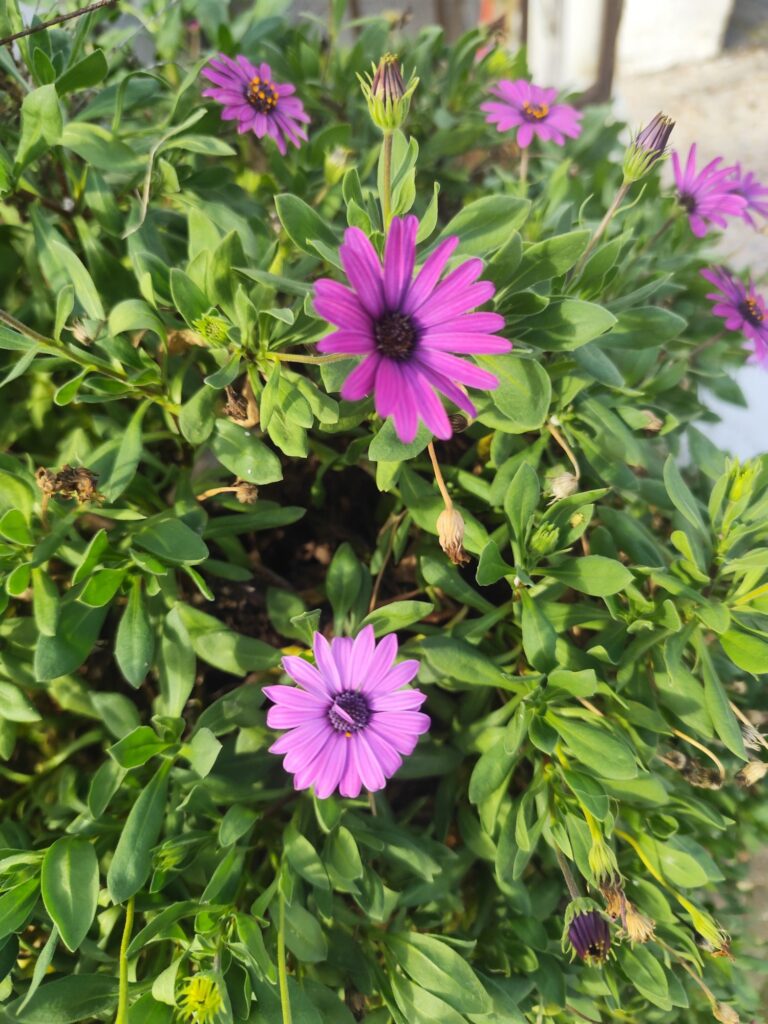
This plant typically grows as a low to medium-height perennial or short-lived perennial, reaching heights of 25 to 50 centimeters. It forms compact clumps or spreading mats depending on spacing and growing conditions.
The leaves are green to gray-green, slightly fleshy, and elongated. The flowers are large, daisy-shaped blooms with bright petals in colors such as white, yellow, orange, pink, or purple, often featuring dark or contrasting centers.
Flowering and Seasonal Interest
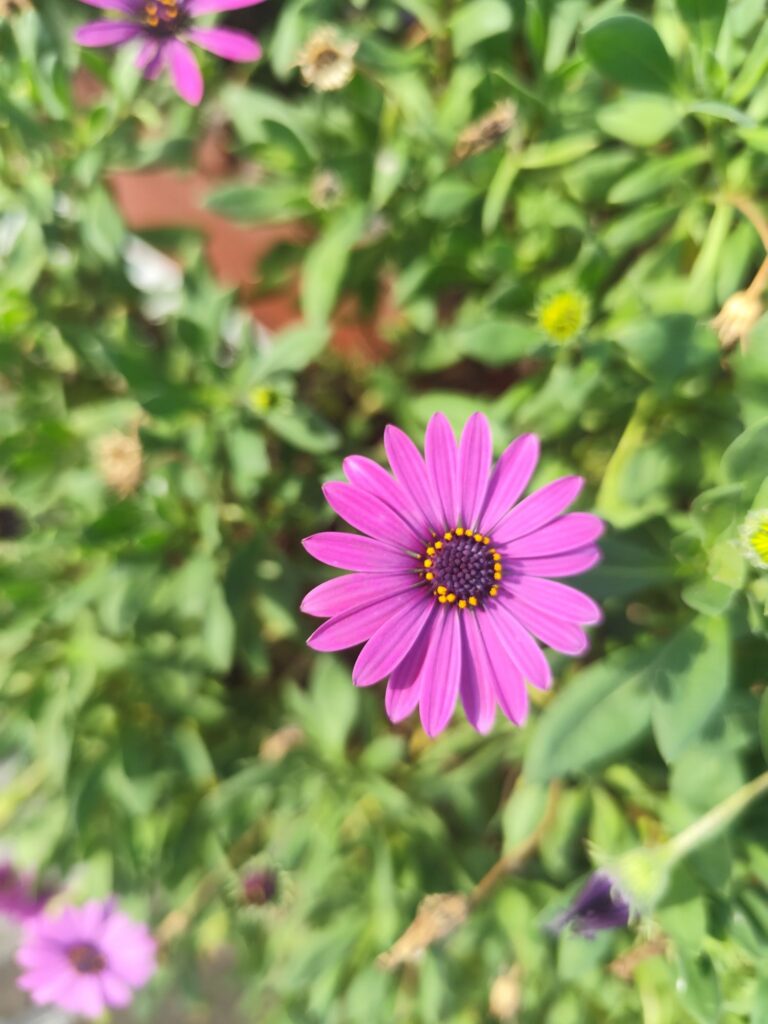
Dimorphotheca ecklonis is known for its extended flowering season. In warm climates, it may bloom from late winter or early spring through late spring and summer.
The flowers open fully in bright sunlight and tend to close during cloudy weather or at night, adding a dynamic quality to the garden.
Growth Habit and Development
This species has a fast growth rate and establishes quickly once planted. It spreads moderately, making it effective as ground cover or in mass plantings.
Its growth remains manageable, and it does not typically become invasive when maintained in garden settings.
Climate and Light Requirements
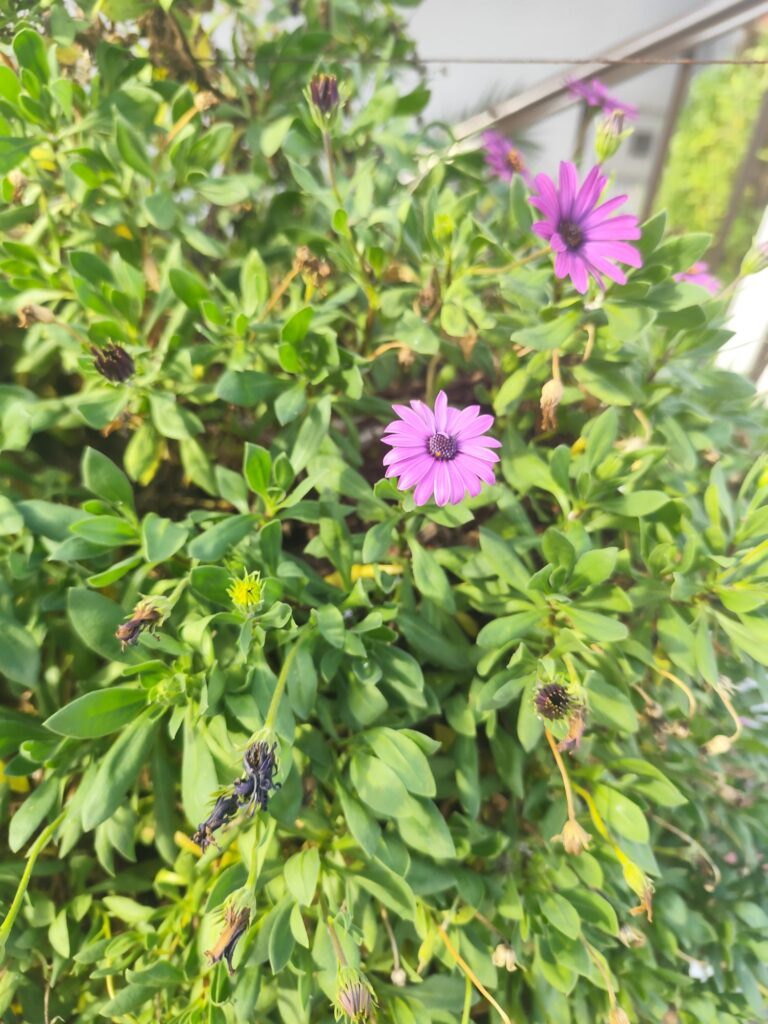
Dimorphotheca ecklonis thrives in warm climates and requires full sun for optimal flowering and compact growth.
It tolerates coastal conditions well but is sensitive to prolonged frost, making it best suited to frost-free or mild-winter regions.
Soil Preferences
Well-drained soil is essential for healthy growth. The plant performs best in sandy, rocky, or light soils that do not retain excess moisture.
It adapts well to poor soils and does not require high fertility.
Water Requirements
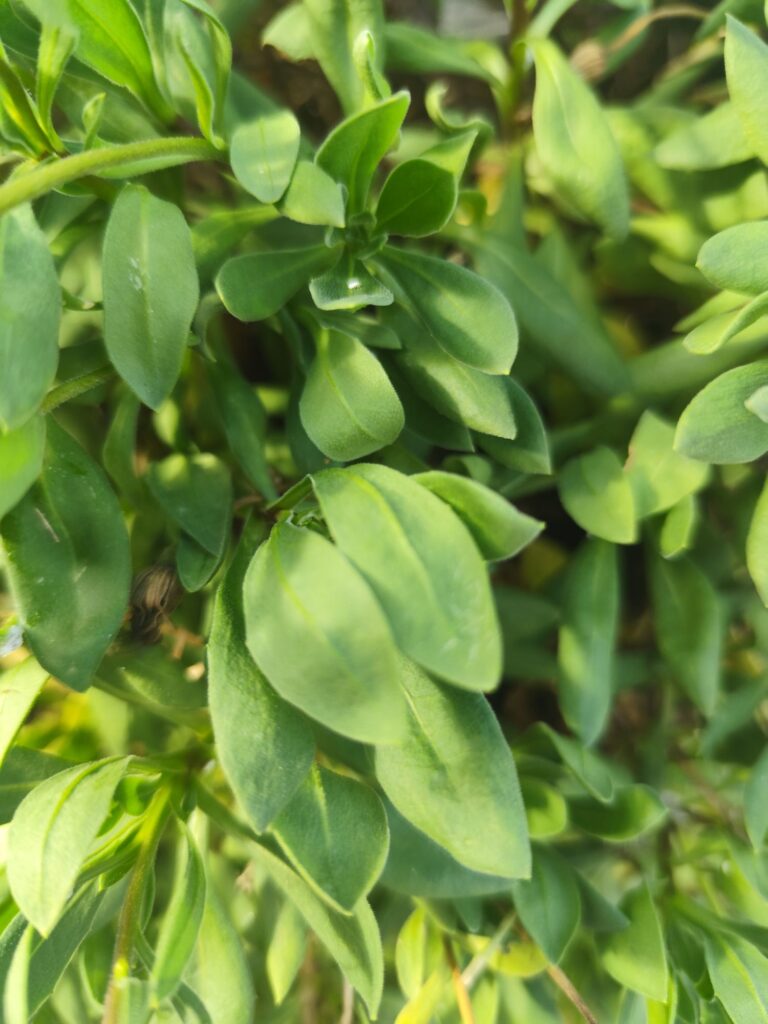
During establishment, regular watering helps promote strong root development. Once established, Dimorphotheca ecklonis is drought-tolerant.
Occasional watering during prolonged dry periods is sufficient. Overwatering should be avoided.
Maintenance and Care
This plant is low-maintenance. Removing spent flowers helps encourage continued blooming and keeps the plant looking tidy.
Light trimming after flowering periods can promote fresh growth and maintain a compact form.
Safety Notice
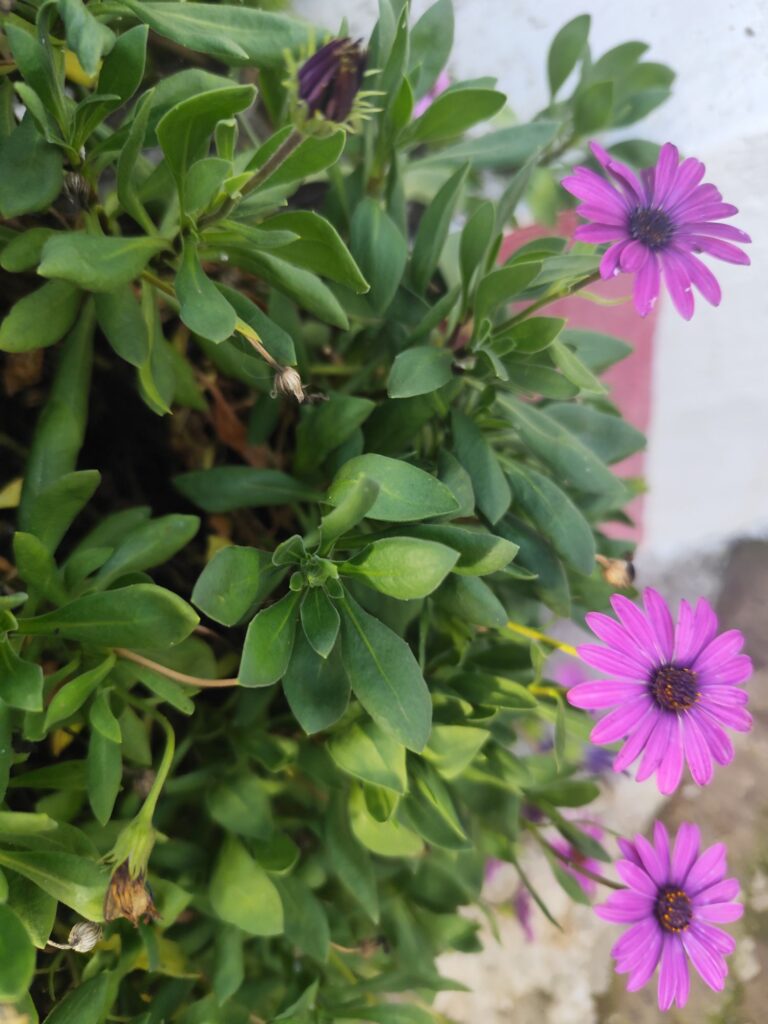
Dimorphotheca ecklonis is grown strictly for ornamental purposes. It should not be consumed or used for medicinal applications.
Normal gardening care is sufficient when handling the plant.
Uses in Landscaping
Dimorphotheca ecklonis is widely used in borders, rock gardens, slopes, and ground cover plantings. It is also common in public landscaping due to its durability and strong visual impact.
It pairs well with other drought-tolerant flowering plants in sunny garden designs.
Visual and Ecological Value
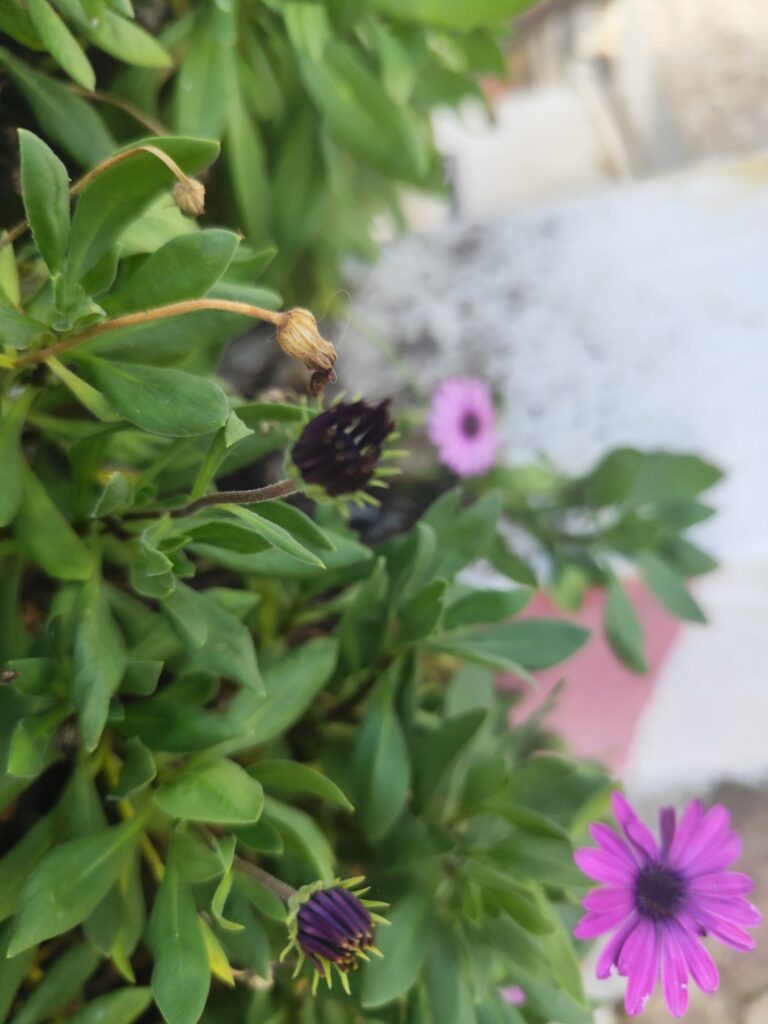
Visually, the Cape daisy brings bright, vibrant color to gardens for long periods. Its bold flowers contrast well with green or gray foliage.
The blooms attract pollinating insects, contributing to local garden biodiversity.
Suitability for Gardens and Containers
Dimorphotheca ecklonis is well suited to home gardens, terraces, and containers in sunny, warm climates.
With good drainage, full sun exposure, and minimal care, it can provide abundant flowering and reliable performance year after year.