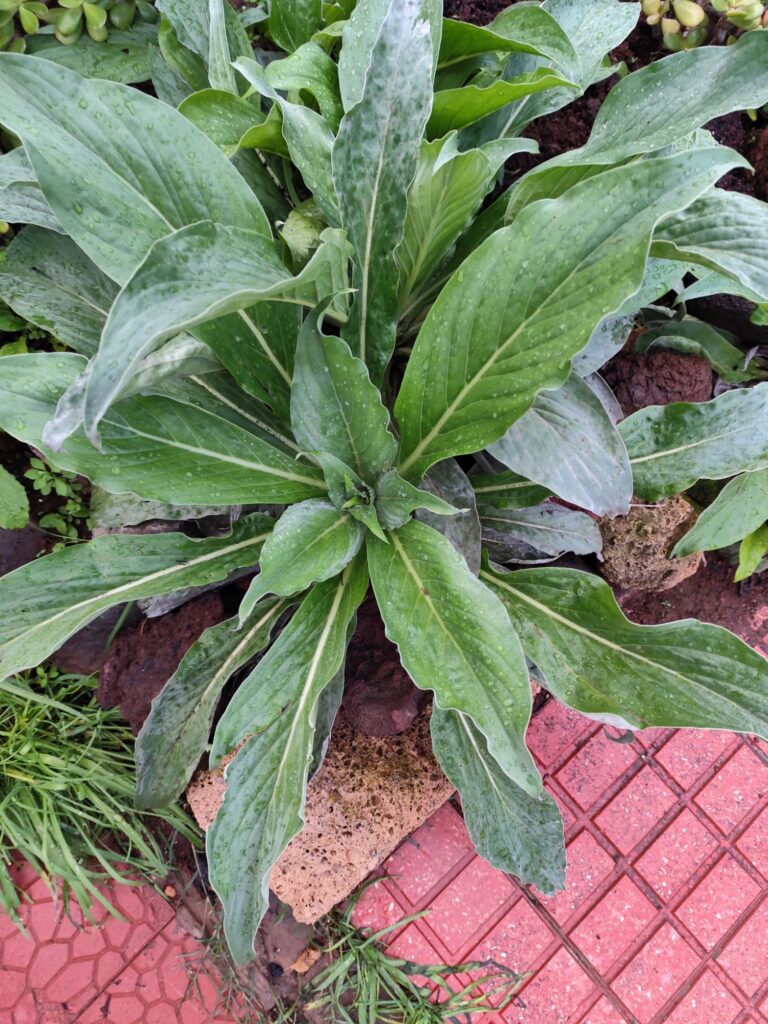
Overview of Cynoglossum officinale
Cynoglossum officinale, commonly known as houndstongue, is a biennial herbaceous plant belonging to the borage family. It is recognized for its coarse texture, elongated leaves, and small reddish-purple flowers. The plant has a long history of being observed in natural and disturbed environments across Europe and other temperate regions.
Today, Cynoglossum officinale is primarily of botanical and ecological interest rather than ornamental value. It is often encountered in grasslands, roadsides, and open habitats.
Natural Habitat and Distribution
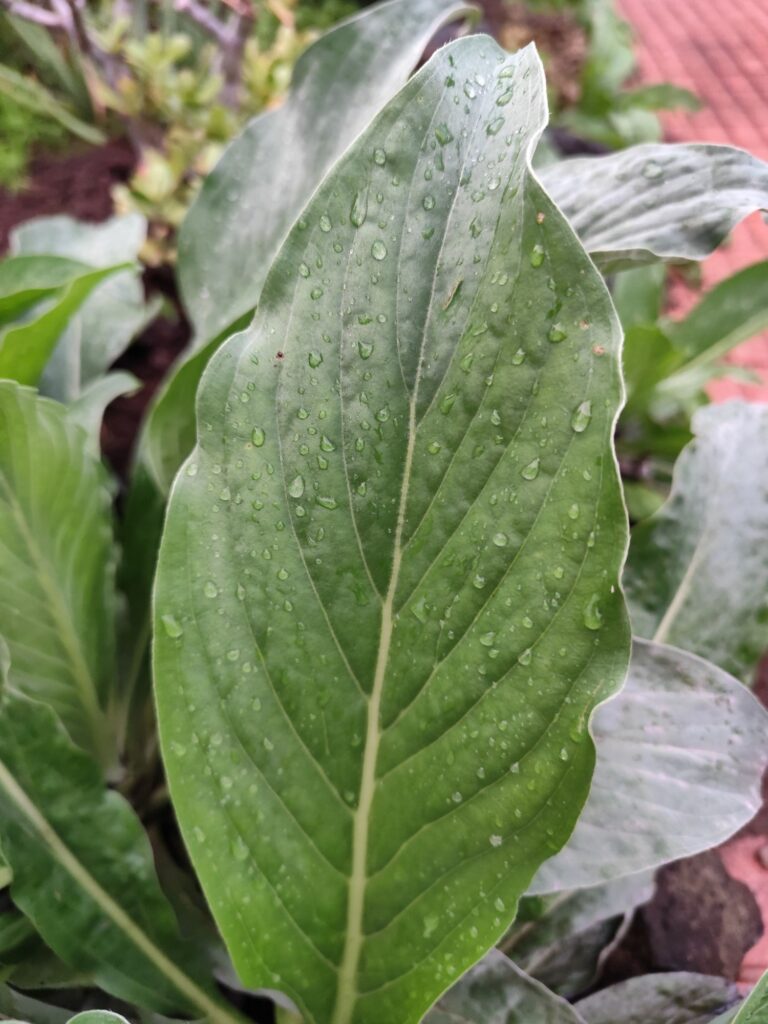
Cynoglossum officinale is native to Europe and western Asia but has spread to many other temperate regions. It commonly grows in dry meadows, pastures, open woodlands, and along roadsides.
The plant prefers disturbed soils and is frequently found in areas influenced by grazing or human activity. Its ability to adapt to poor soils has contributed to its wide distribution.
Physical Characteristics
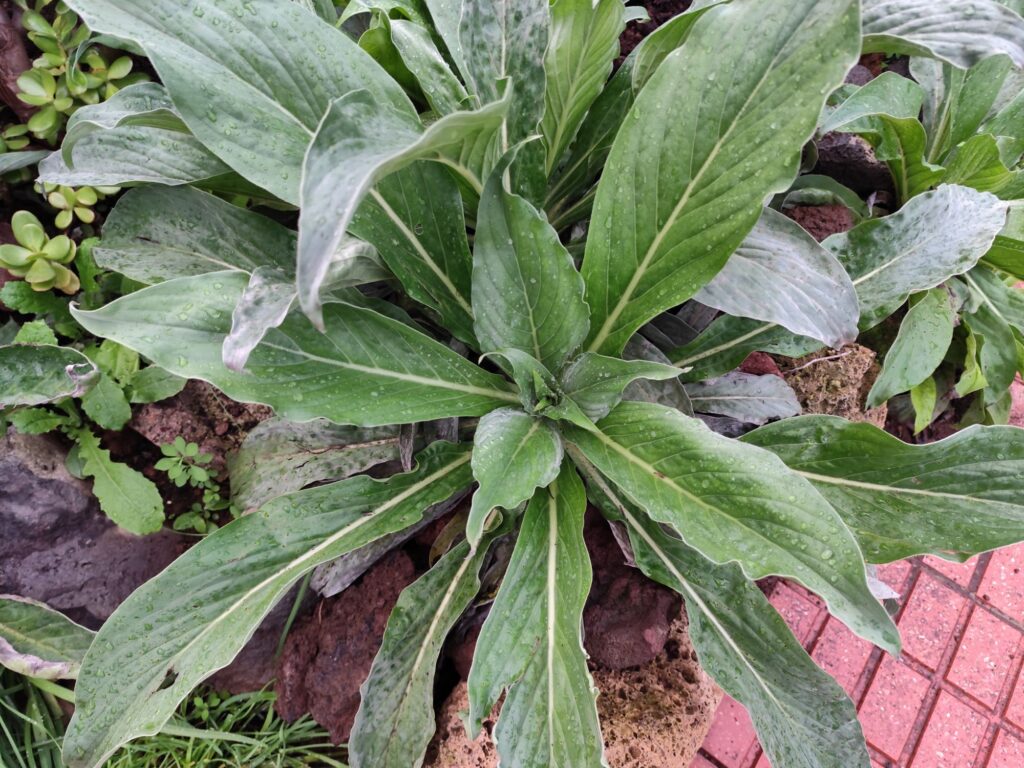
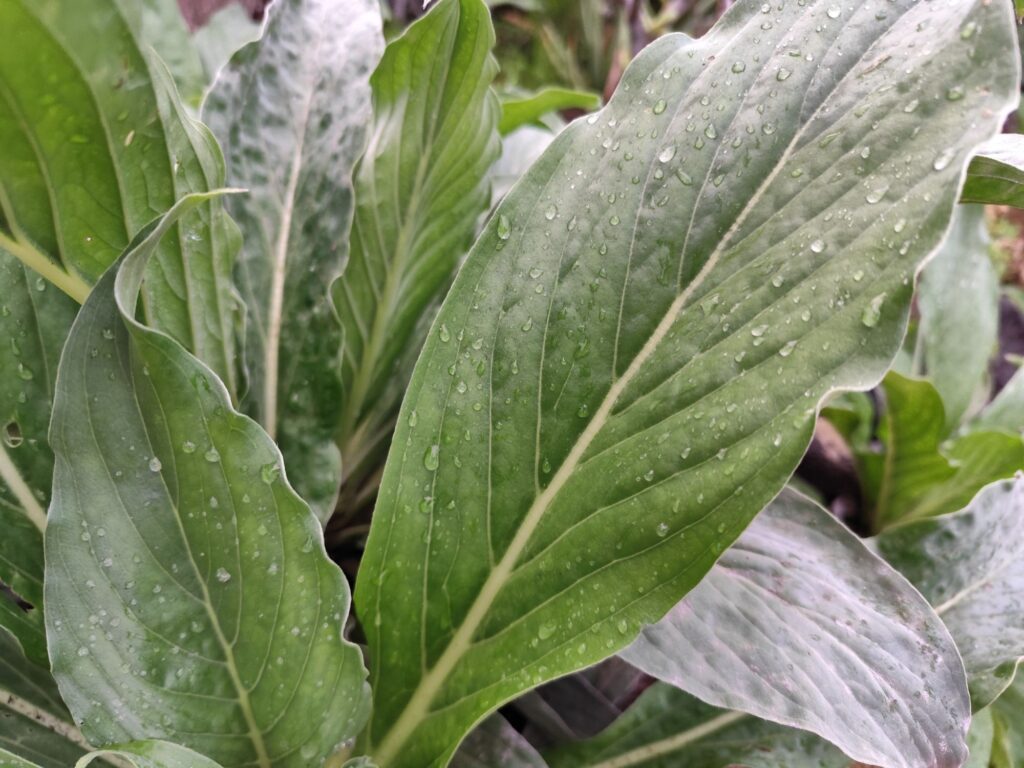
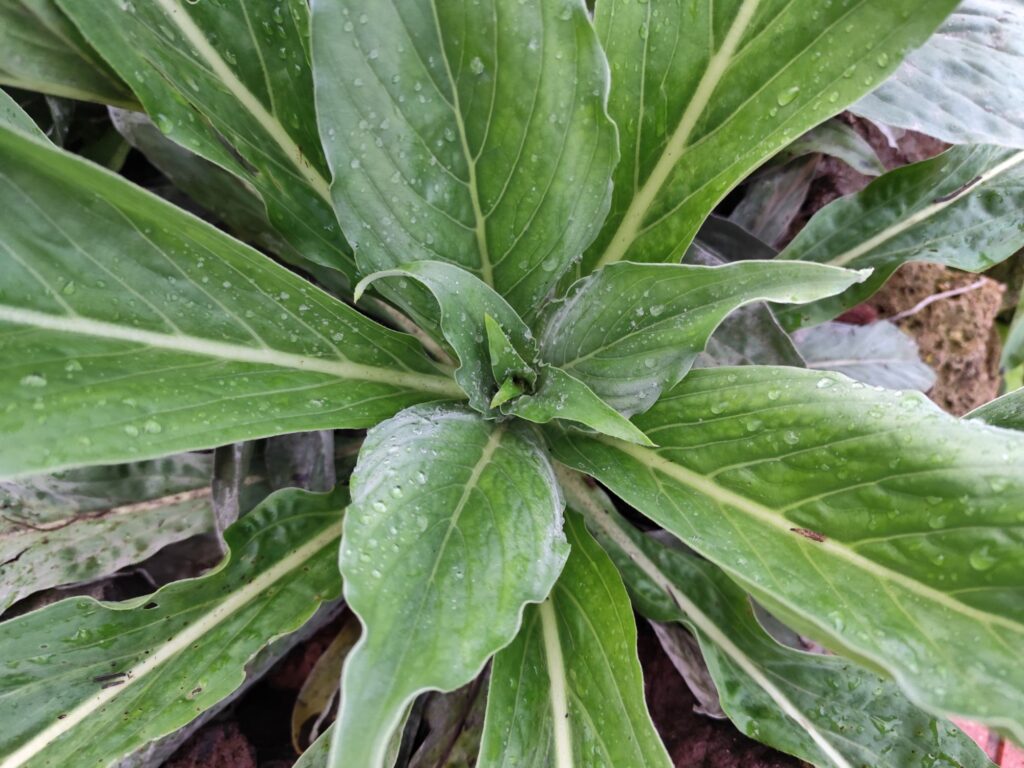
This plant typically grows between 30 and 100 centimeters tall. During its first year, it forms a basal rosette of large, oval to lance-shaped leaves covered with fine hairs.
In its second year, it produces an upright flowering stem with smaller leaves and clusters of flowers. The foliage has a rough texture and emits a noticeable odor when crushed.
Flowers and Reproductive Features
The flowers of Cynoglossum officinale are small and tubular, usually reddish-purple or dark pink. They bloom from late spring to summer and are arranged in loose clusters.
After flowering, the plant produces distinctive burr-like seeds covered with hooked spines. These seeds easily attach to animal fur or clothing, aiding in dispersal.
Growth Cycle and Development
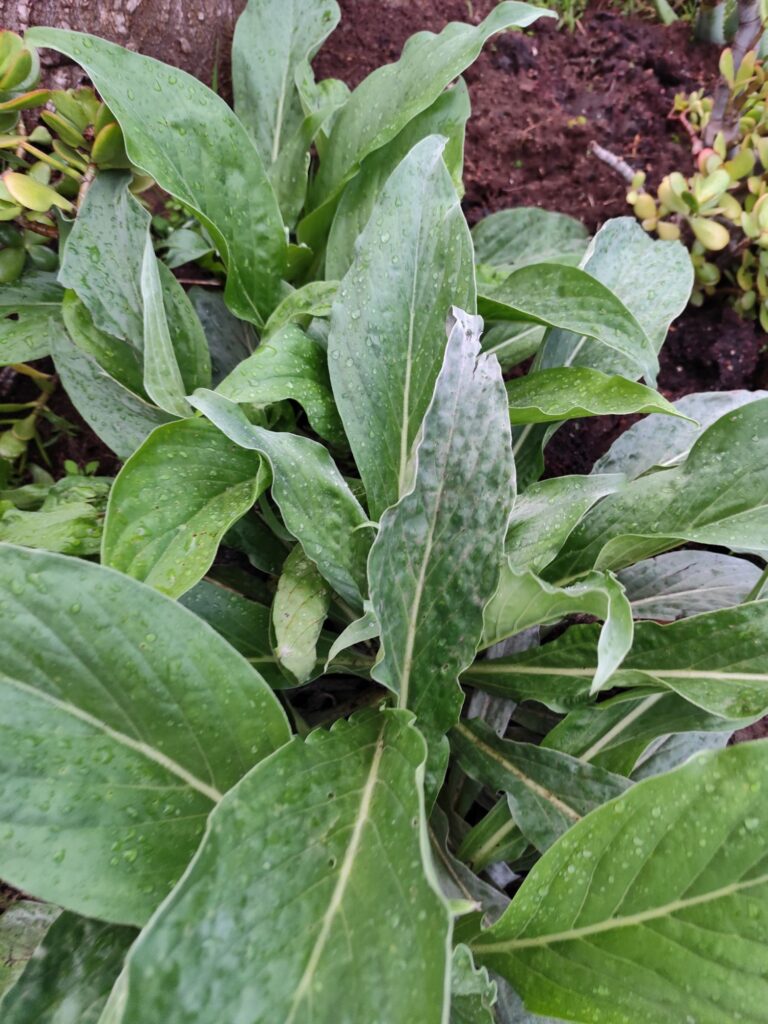
Cynoglossum officinale follows a biennial life cycle. In the first year, it focuses on leaf and root development, storing energy for flowering in the second year.
After producing seeds, the plant completes its life cycle and dies. This strategy allows it to persist in open habitats where competition is limited.
Climate and Light Requirements
This species thrives in temperate climates and prefers full sun to partial shade. It is well adapted to regions with cold winters and moderate summers.
Cynoglossum officinale tolerates a wide range of environmental conditions, which has helped it establish in diverse habitats.
Soil Preferences
The plant grows best in well-drained soils and can tolerate sandy, rocky, or compacted ground. It is commonly found in soils with low fertility.
Excessively wet or waterlogged soils are generally unsuitable, as the plant prefers drier conditions.
Ecological Role
Cynoglossum officinale plays a role in natural ecosystems by providing nectar for certain insects during its flowering period. Its seeds rely on animals for dispersal, linking it to surrounding wildlife.
In some regions, it is considered a problematic species due to its ability to spread in pastures and compete with native vegetation.
Toxicity and Safety Considerations
This plant contains naturally occurring compounds that can be harmful if ingested by humans or animals. Because of this, it is not considered suitable for consumption or medicinal use.
Handling the plant for botanical or educational purposes is generally safe, but it should not be used for food or home remedies.
Uses and Cultural Context
Historically, Cynoglossum officinale has been noted in traditional practices, but modern understanding emphasizes caution and discourages its use.
Today, the plant is mainly studied for its ecological impact, life cycle, and role in plant communities rather than for practical applications.
Suitability for Gardens
Cynoglossum officinale is generally not recommended for ornamental gardens due to its coarse appearance and spreading nature.
It may be encountered naturally in wild or unmanaged areas, where it can be observed as part of local flora rather than intentionally cultivated.