Overview of Crassula ovata
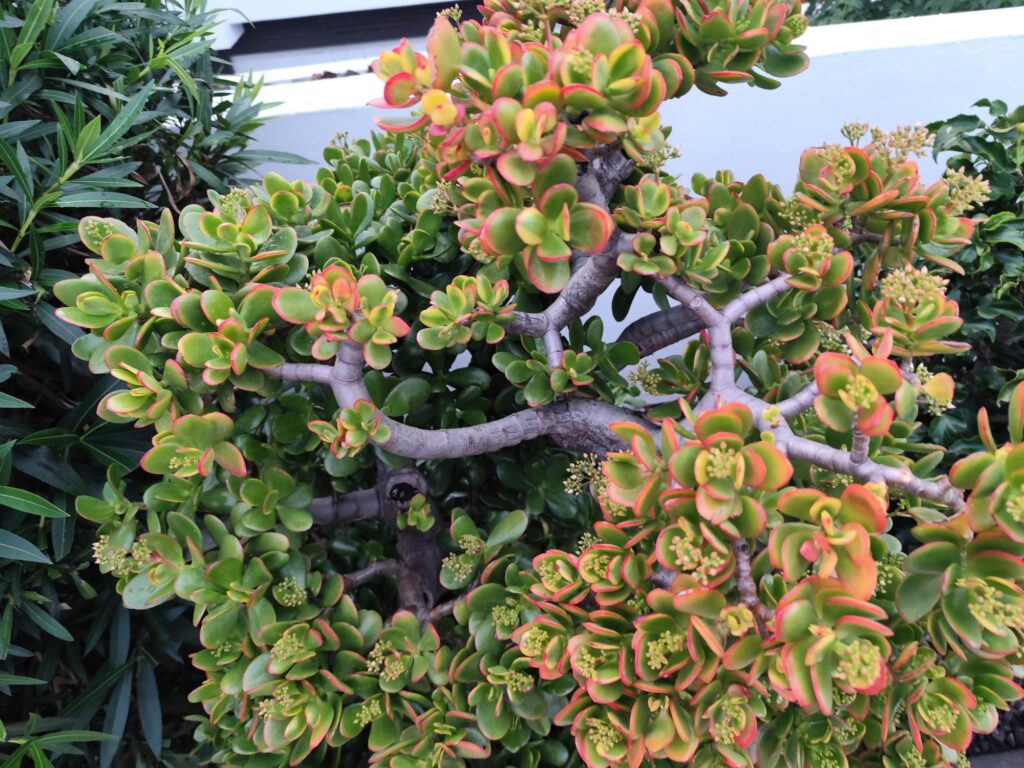
Crassula ovata, commonly known as the jade plant, is a popular succulent appreciated for its thick, glossy leaves and tree-like growth habit. It is widely cultivated as an ornamental plant in gardens, patios, and indoor spaces due to its durability and low maintenance requirements.
This species is especially valued for its sculptural form and its ability to thrive in dry conditions with minimal care.
Natural Origin and Distribution
Crassula ovata is native to southern Africa, where it grows in rocky, arid environments with strong sunlight and limited rainfall. In its natural habitat, it is adapted to store water efficiently in its leaves and stems.
Through cultivation, it has become one of the most widely grown succulents worldwide, particularly in regions with warm or Mediterranean climates.
Physical Characteristics
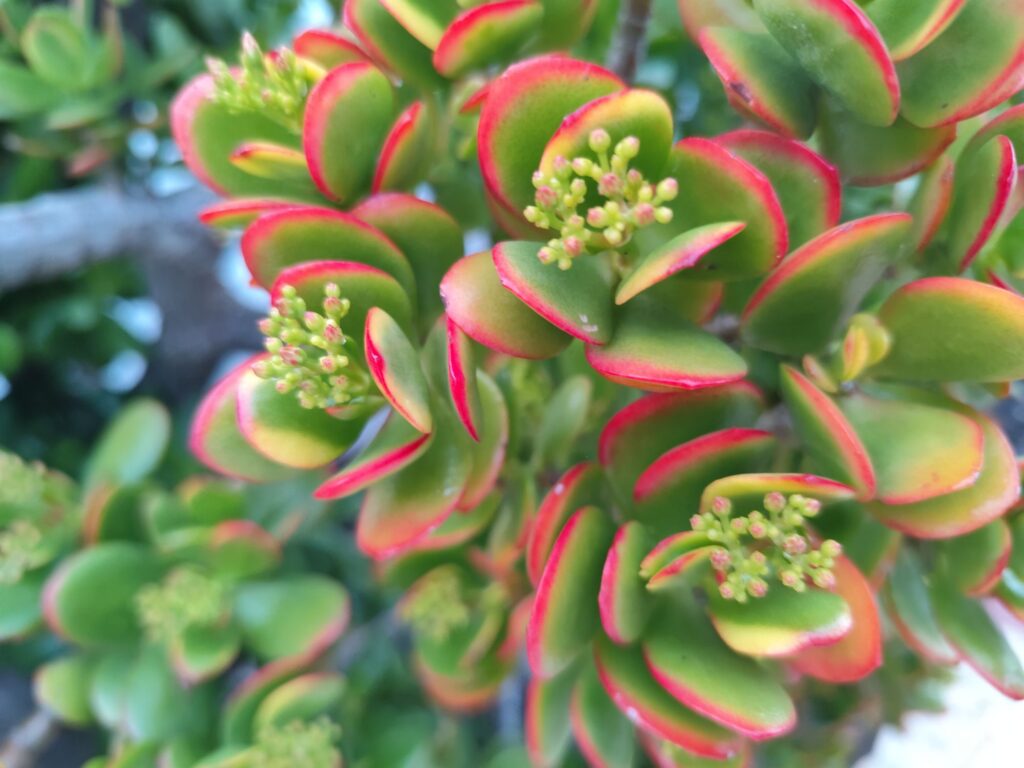
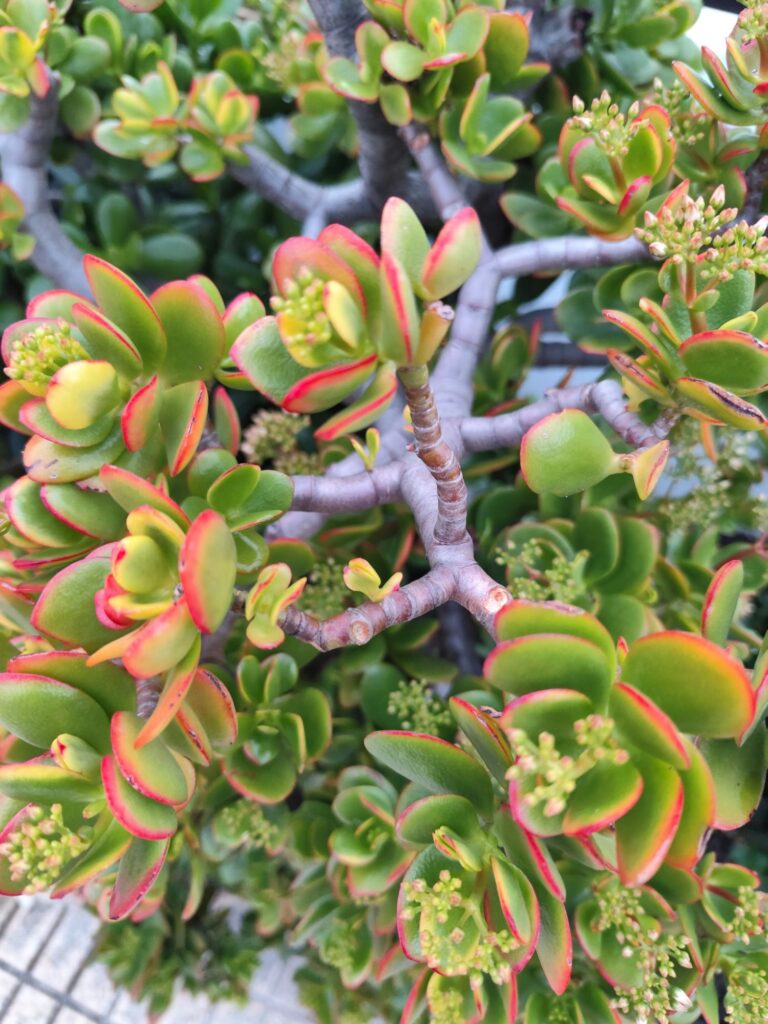
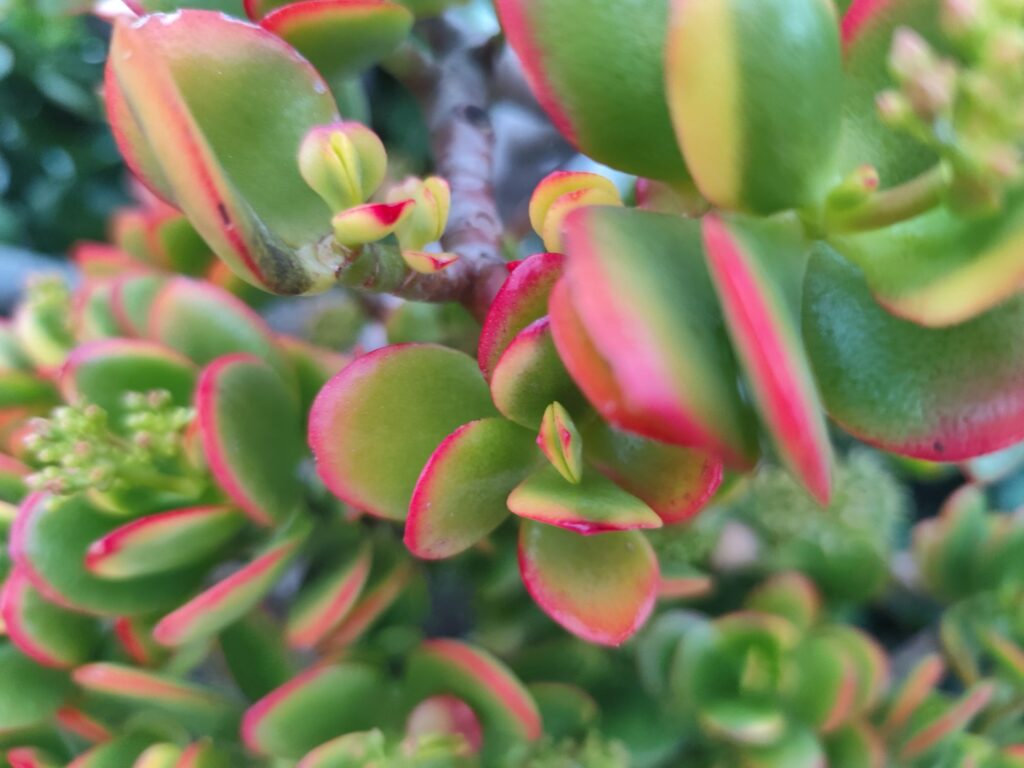
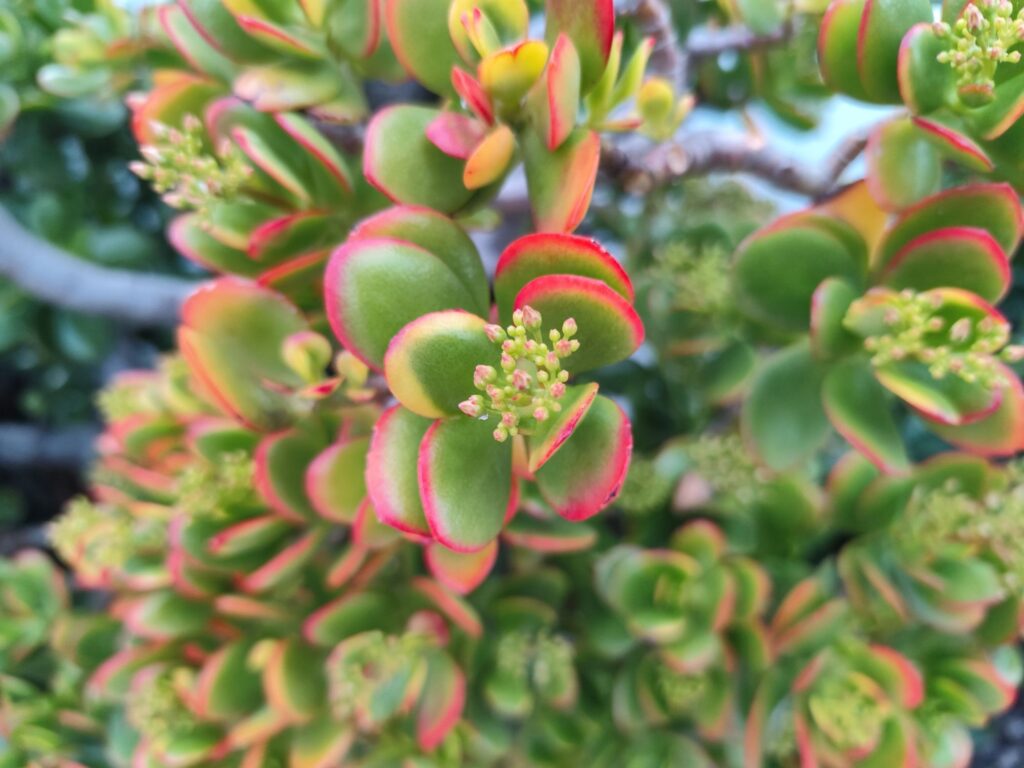
This plant develops thick, woody stems that support clusters of fleshy, oval-shaped leaves. The leaves are typically deep green and glossy, sometimes showing reddish edges when exposed to strong sunlight.
Over time, Crassula ovata can grow into a shrub-like form, reaching heights of 1 to 2 meters in outdoor conditions, while remaining smaller when grown in containers.
Flowers and Seasonal Interest
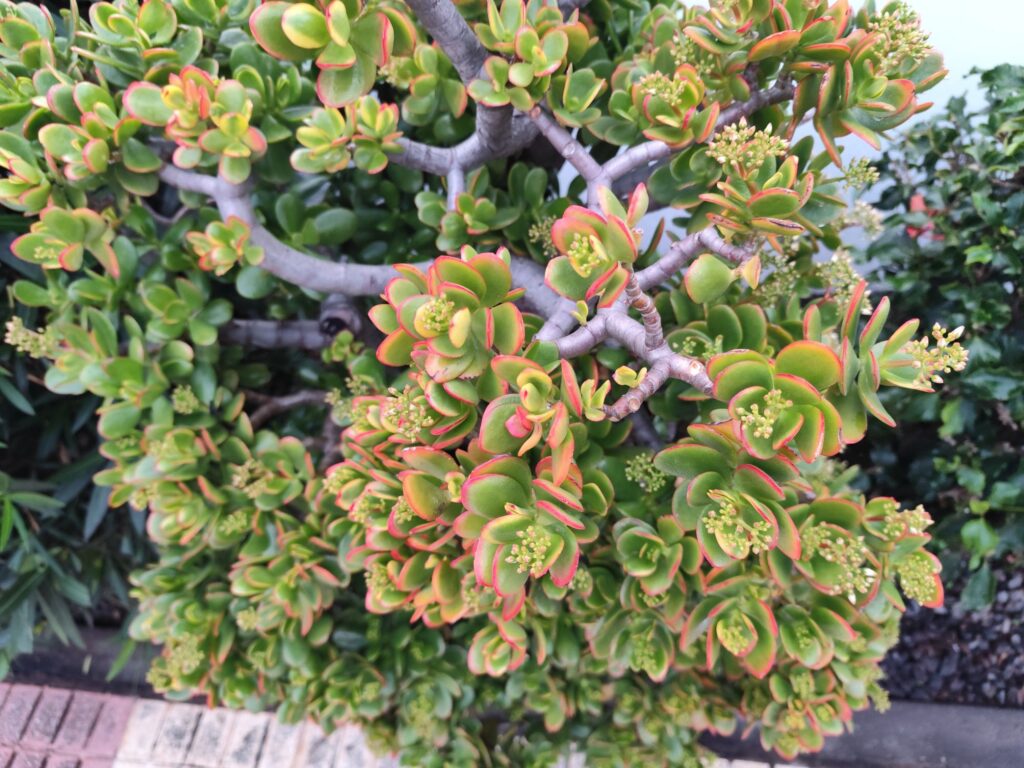
Mature plants may produce small, star-shaped flowers, usually white or pale pink, during cooler seasons. Flowering is more common in outdoor-grown or well-established specimens.
Although the flowers are delicate, the plant’s main ornamental appeal remains its foliage and overall structure.
Growth Habit and Development
Crassula ovata has a slow to moderate growth rate. In its early years, growth focuses on thickening stems and developing a strong base.
With age, the plant forms a compact, branching structure that resembles a miniature tree.
Climate and Light Requirements
This succulent thrives in warm climates and prefers bright light to full sun. Adequate sunlight encourages compact growth and enhances leaf coloration.
It does not tolerate frost well and is best suited to frost-free regions or grown in containers that can be protected during cold periods.
Soil Preferences
Well-drained soil is essential for healthy growth. Crassula ovata performs best in sandy, rocky, or cactus-type soils that allow excess water to drain quickly.
Heavy or water-retentive soils should be avoided to prevent root problems.
Water Requirements
Watering should be infrequent and moderate. During the growing season, the soil should be allowed to dry out between watering cycles.
In cooler months, watering should be reduced significantly, as the plant enters a slower growth phase.
Maintenance and Care
This plant is very low-maintenance. Occasional pruning can be done to shape the plant or remove damaged branches.
Fertilization is rarely necessary, though light feeding during active growth may support healthy development.
Safety Notice
Crassula ovata is grown strictly for ornamental purposes. It should not be consumed or used for medicinal applications.
It should be placed thoughtfully in areas accessible to pets or children.
Uses in Landscaping
Crassula ovata is widely used in dry gardens, rock gardens, and container plantings. Its compact form makes it suitable for patios, terraces, and entryways.
It is also popular as an indoor ornamental plant in bright locations.
Visual and Environmental Value
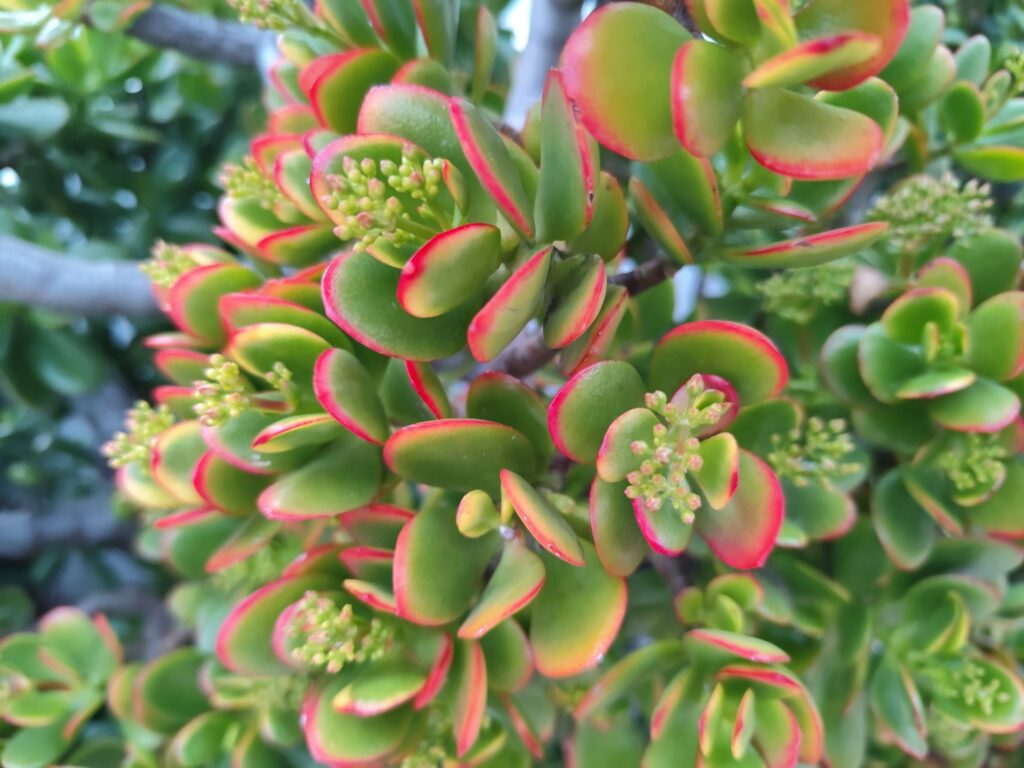
Visually, the jade plant adds structure and a clean, modern look to landscapes and interiors. Its thick leaves reflect light and create a polished appearance.
Environmentally, it supports water-efficient gardening and low-maintenance planting strategies.
Suitability for Gardens and Containers
Crassula ovata is well suited to outdoor gardens in warm climates and to container growing in a wide range of environments.
With proper light, excellent drainage, and minimal watering, it can remain a long-lived and attractive ornamental plant for many years.