Overview of the European Fan Palm
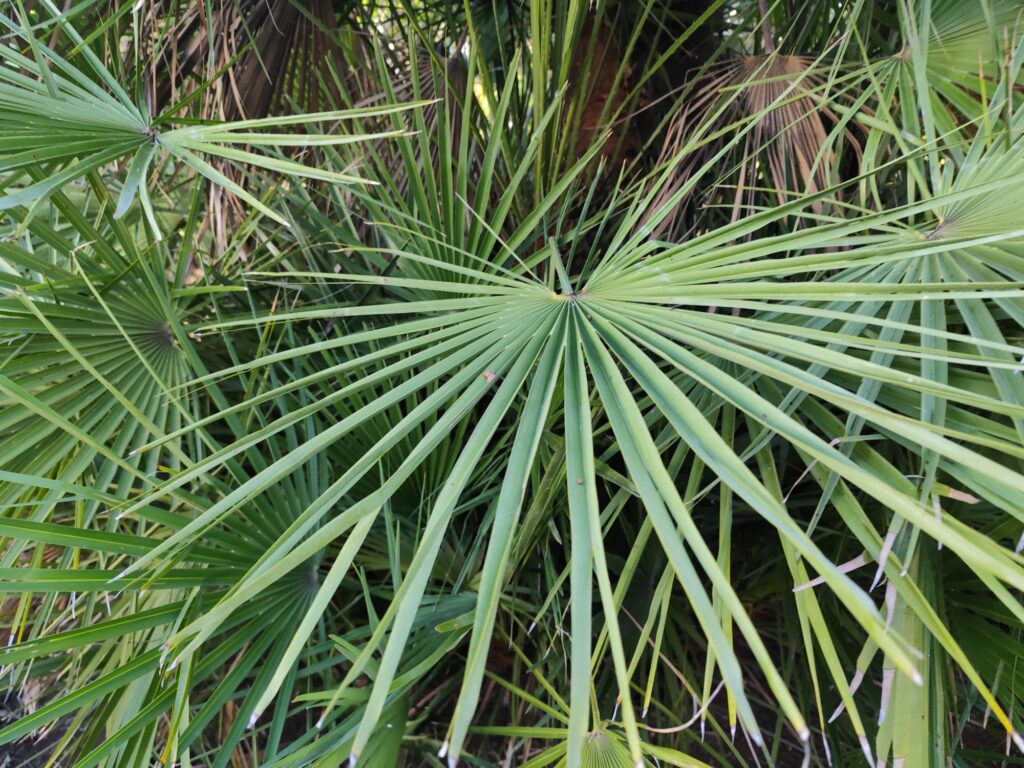
Chamaerops humilis, commonly known as the European fan palm or Mediterranean dwarf palm, is a hardy palm species native to the western and central Mediterranean region. It is the only palm species naturally occurring in mainland Europe, which gives it particular botanical and historical significance. This European palm tree is well adapted to dry climates, coastal conditions, and nutrient-poor soils.
The European fan palm is valued both as an ornamental plant and for its ecological role in native habitats. Its compact size, slow growth, and resilience make it a popular choice for gardens, parks, and urban landscaping across temperate and Mediterranean regions.
Natural Habitat and Distribution
The European fan palm is native to southern Europe and parts of North Africa. It naturally grows in countries such as Spain, France, Italy, and along the Mediterranean coastline, as well as in Morocco, Algeria, and Tunisia. In these regions, Chamaerops humilis thrives in rocky hillsides, scrublands, and coastal environments where water availability is limited.
In the wild, this palm often forms dense clumps that help stabilize soil and reduce erosion. Its deep, fibrous root system allows it to survive prolonged droughts and withstand strong winds, including exposure to salty sea air.
Physical Characteristics
Chamaerops humilis is a slow-growing, clumping palm that typically reaches a height of 2 to 4 meters. Unlike many palm trees with a single trunk, this European palm tree usually develops multiple stems from the base, giving it a bushy and natural appearance.
The leaves are fan-shaped, stiff, and deeply divided into segments. Leaf color ranges from deep green to blue-green depending on variety and growing conditions. The leaf stalks often feature small spines, offering natural protection against grazing animals.
Growth Habit and Lifespan
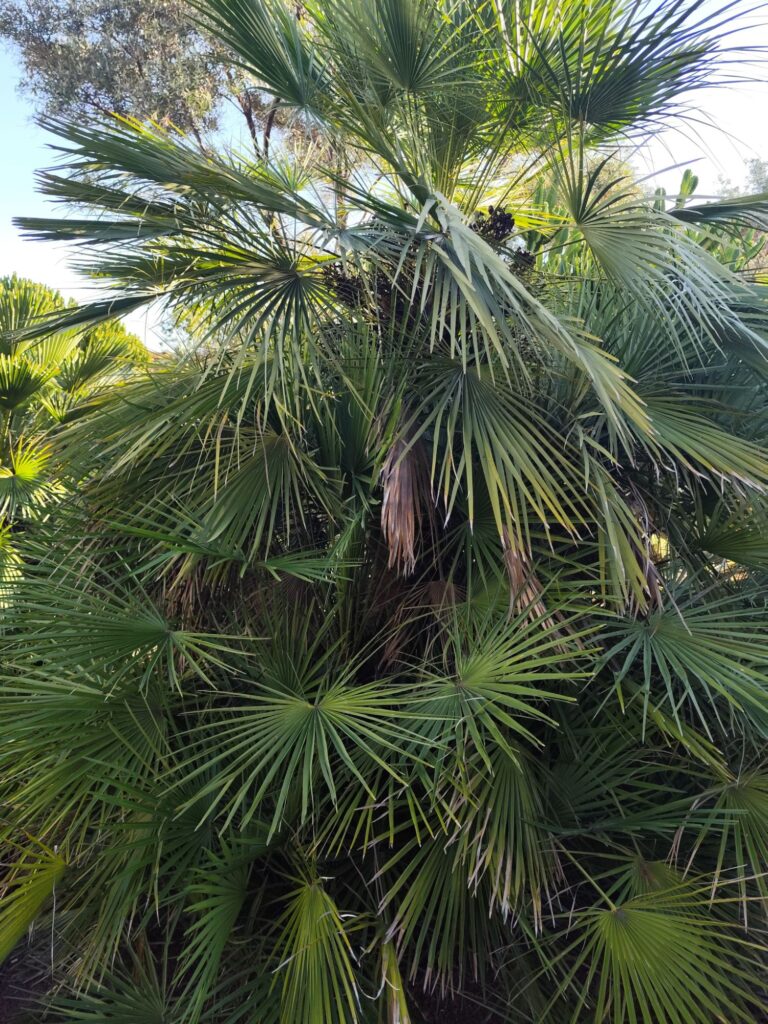
The European fan palm is known for its exceptional longevity. When grown in favorable conditions, it can live for many decades. Its slow growth rate makes it easy to manage and suitable for both open-ground planting and large containers.
New leaves are produced mainly during warmer months. Growth slows considerably during cooler seasons, especially in regions with mild winters. Despite its slow pace, Chamaerops humilis is highly resilient and recovers well from pruning or environmental stress.
Climate and Light Requirements
This European palm thrives in Mediterranean climates but adapts well to a wide range of environments. It prefers full sun, which promotes compact growth and strong leaf coloration, but it can also tolerate partial shade, particularly in very hot areas.
Chamaerops humilis is one of the most cold-tolerant palm species. Once established, mature plants can withstand short periods of frost and temperatures slightly below freezing, making them suitable for temperate climates.
Soil and Water Requirements
One of the key strengths of the European fan palm is its adaptability to different soil types. It grows well in sandy, rocky, or loamy soils as long as drainage is adequate. Poorly drained or waterlogged soils should be avoided, as they can lead to root problems.
Once established, this palm is highly drought-tolerant. Regular watering is helpful during the first years after planting, but mature European palm trees require minimal irrigation. Overwatering is more damaging than occasional dryness.
Maintenance and Care
Chamaerops humilis is considered a low-maintenance palm. Pruning is generally limited to removing old, dry, or damaged leaves. Excessive pruning is discouraged, as it can weaken the plant and affect its natural form.
Fertilization is optional but can support healthier growth when applied sparingly during the growing season. When grown in suitable conditions, the European fan palm shows good resistance to most pests and diseases.
Uses in Landscaping
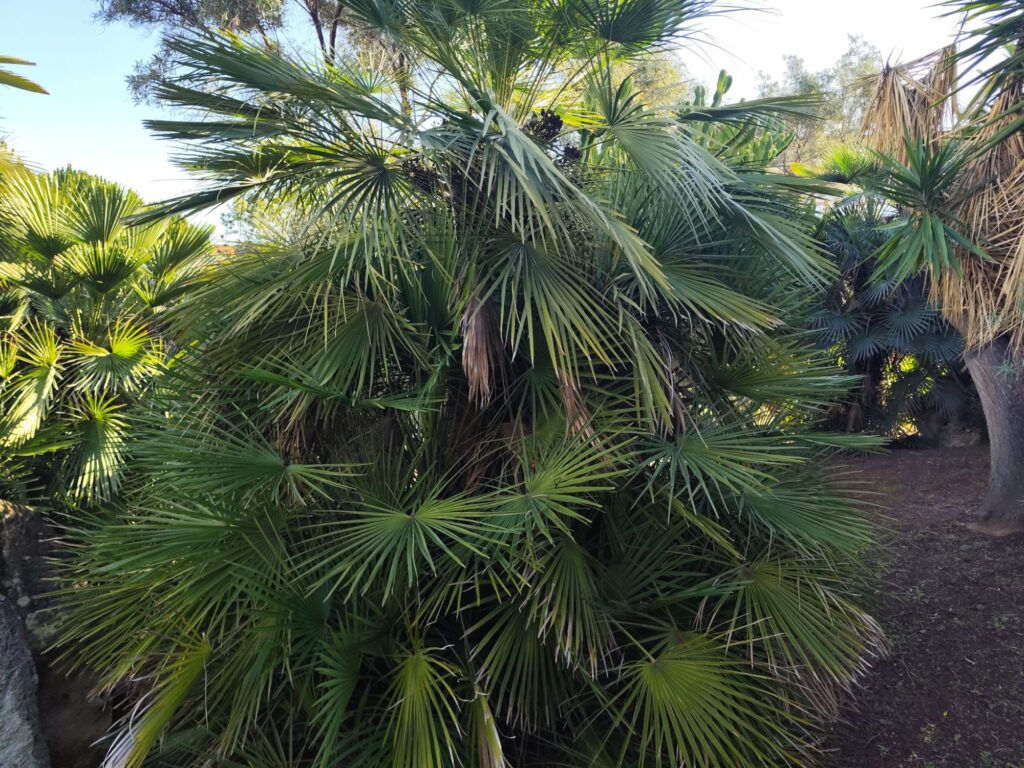
The European fan palm is widely used in landscaping due to its durability and compact growth habit. It works well as a focal plant, in small groups, or as part of Mediterranean-style garden designs. Its tolerance to wind and salt spray makes it especially suitable for coastal locations.
This palm is also commonly planted in public spaces such as parks, road medians, and urban developments, where low maintenance and long-term resilience are essential.
Ecological and Cultural Importance
In its native habitat, the European fan palm plays an important ecological role by stabilizing soil and providing shelter for wildlife. Historically, its fibers were used locally to produce ropes, baskets, and other traditional items.
Today, Chamaerops humilis remains a strong symbol of Mediterranean landscapes and is valued for its combination of beauty, adaptability, and resilience.
Suitability for Home Gardens
For home gardeners, the European fan palm is an excellent choice thanks to its manageable size and tolerance of diverse growing conditions. It can be planted directly in the ground or grown in large containers on terraces and patios.
With minimal care, this palm can thrive for many years, making it a reliable and attractive option for both private gardens and shared outdoor spaces.
Common Names and Botanical Classification
Chamaerops humilis is commonly referred to as the European fan palm, Mediterranean fan palm, or European dwarf palm. Its scientific name is widely used in botanical and horticultural contexts, while common names are more frequently used in gardening and landscaping.
Why Chamaerops humilis Is Unique Among Palm Trees
What sets the European fan palm apart from other palm species is its natural presence in mainland Europe and its ability to tolerate cooler climates. This combination makes Chamaerops humilis a distinctive and highly adaptable palm, bridging the gap between tropical appearance and temperate resilience.