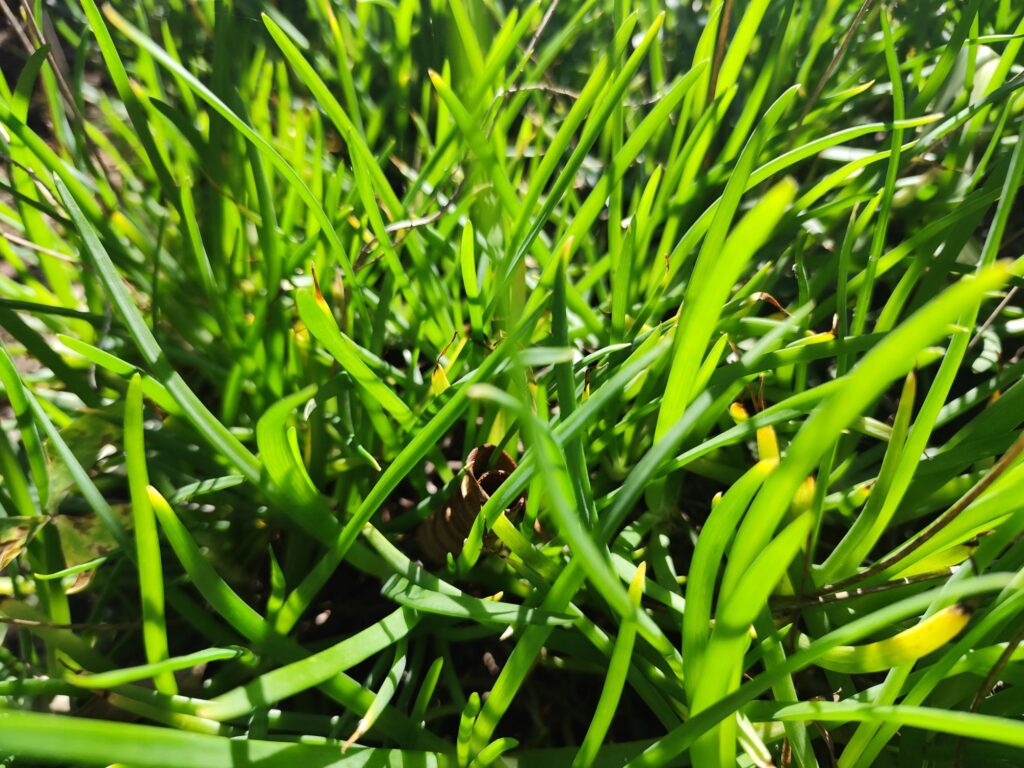
Overview of Bulbine frutescens
Bulbine frutescens is a perennial succulent plant valued for its fleshy leaves, bright star-shaped flowers, and excellent drought tolerance. Commonly known as bulbinella or snake flower, it is widely used in warm-climate gardens due to its resilience and long flowering period.
This species combines ornamental appeal with very low maintenance requirements, making it suitable for both private gardens and public landscaping.
Natural Origin and Distribution
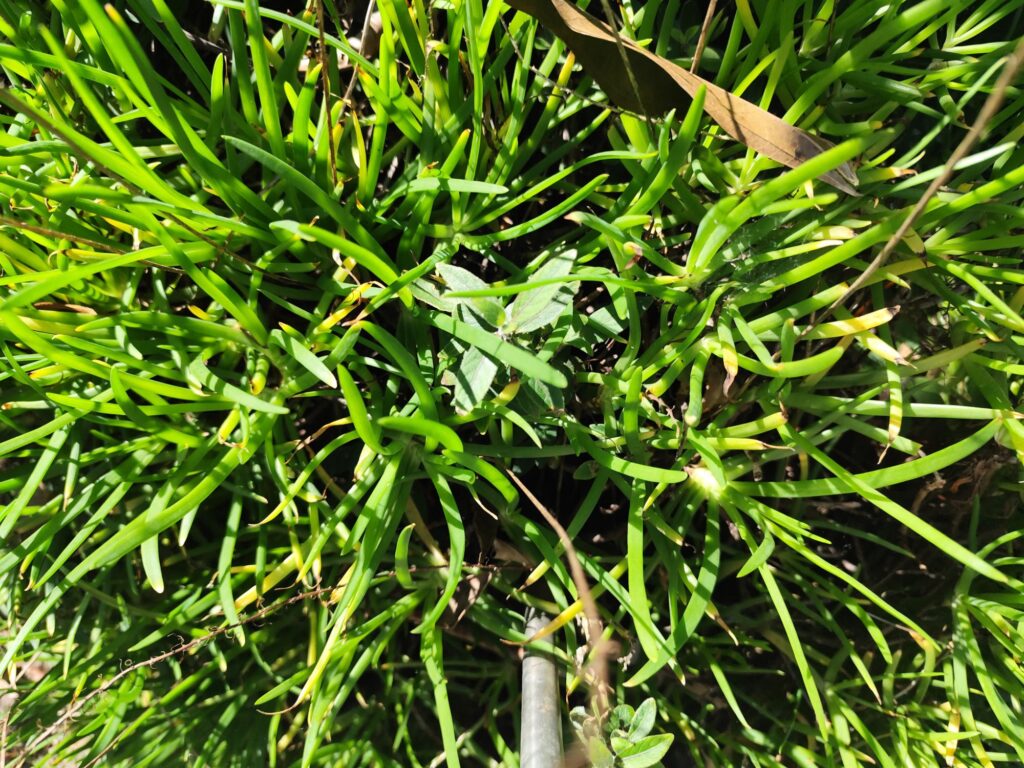
Bulbine frutescens is native to South Africa, where it grows in dry grasslands, rocky slopes, and open sunny areas. Its natural habitat includes regions with irregular rainfall and strong sunlight.
Because of its adaptability, it has been introduced to many Mediterranean, subtropical, and semi-arid regions worldwide.
Physical Characteristics
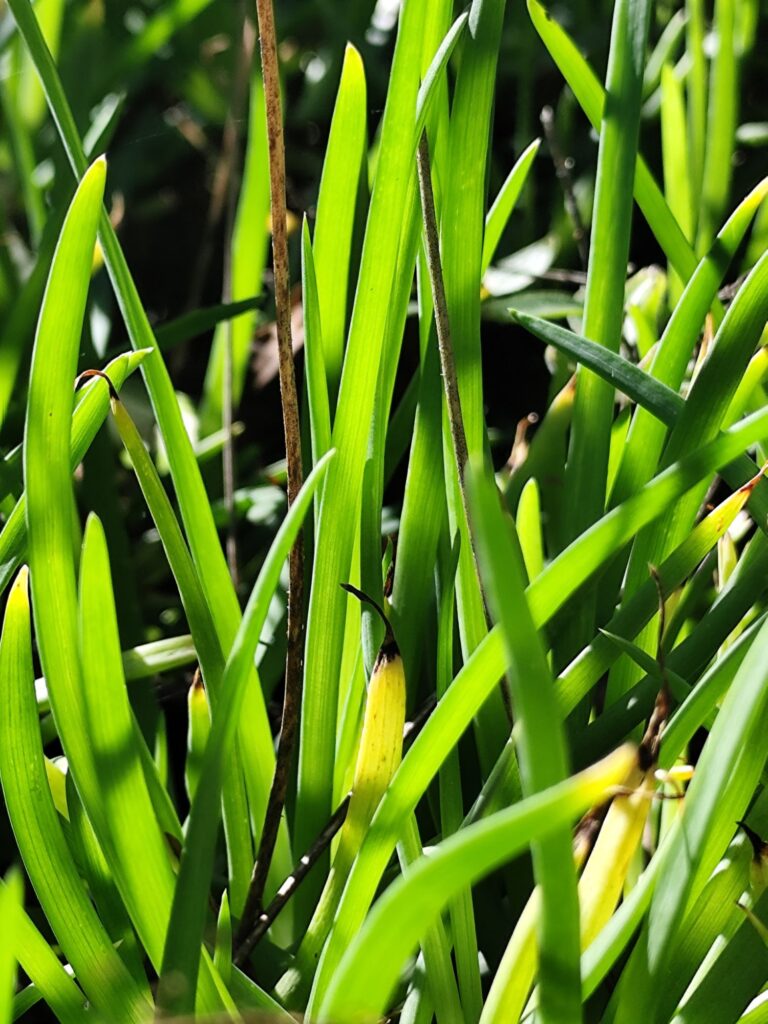
This plant forms clumps of narrow, fleshy, grass-like leaves that store water, allowing the plant to survive prolonged dry periods. The leaves are typically green to blue-green and emerge from a short basal stem.
Flower stems rise above the foliage and carry clusters of small, star-shaped flowers. The flowers are usually bright yellow, though some forms may display orange tones.
Flowering and Seasonal Interest
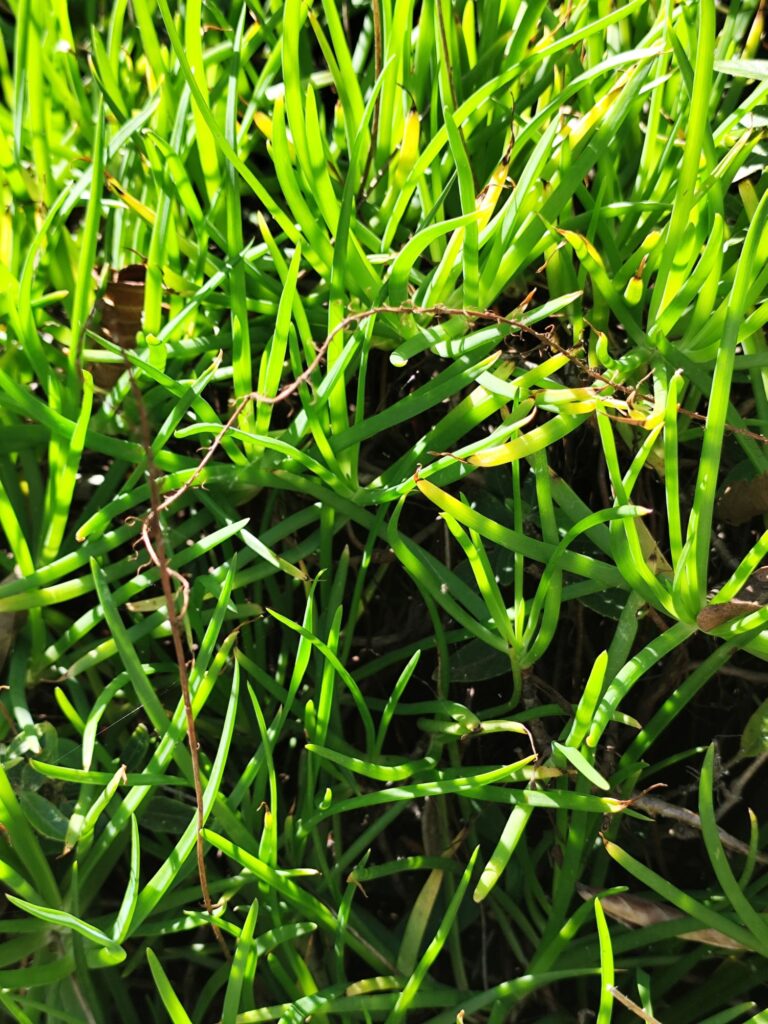
Bulbine frutescens is known for its extended flowering season. In warm climates, it can flower from spring through autumn, and sometimes nearly year-round.
The repeated appearance of flower spikes provides continuous color and visual interest.
Growth Habit and Development
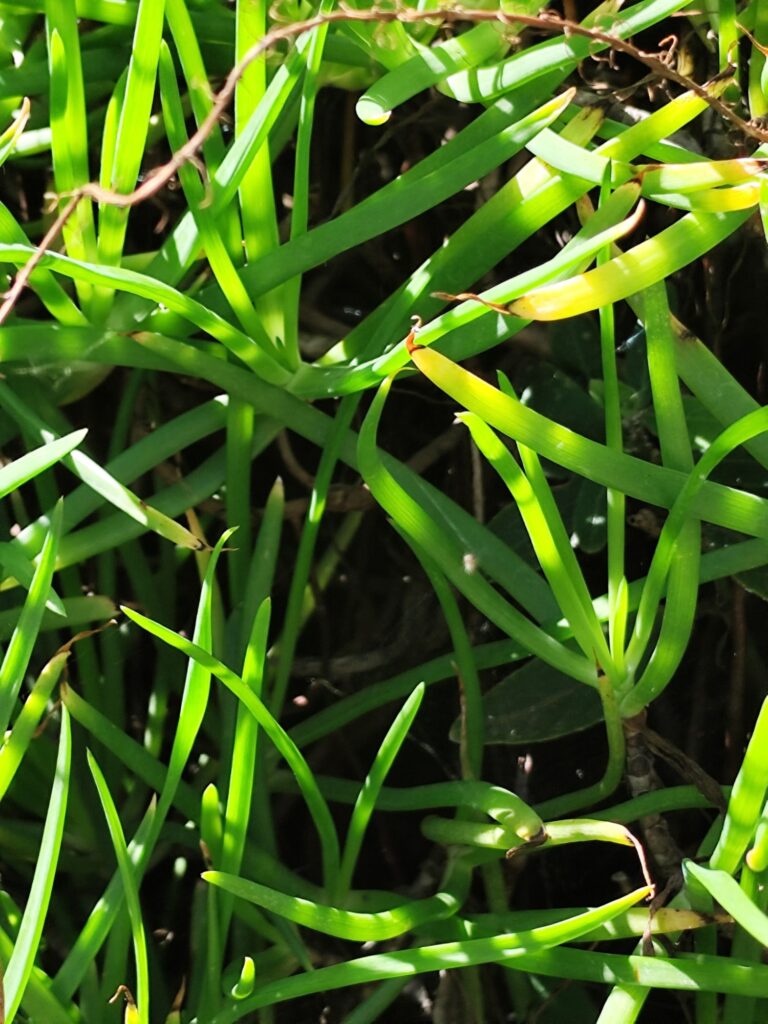
This species has a moderate growth rate and gradually spreads to form compact clumps. It does not spread aggressively and is easy to control.
Its clumping habit makes it suitable for borders, mass plantings, and ground cover use.
Climate and Light Requirements
Bulbine frutescens thrives in warm climates and prefers full sun to light partial shade. Full sun promotes the strongest flowering and compact growth.
It tolerates heat very well and can withstand light frost once established, though prolonged cold should be avoided.
Soil Preferences
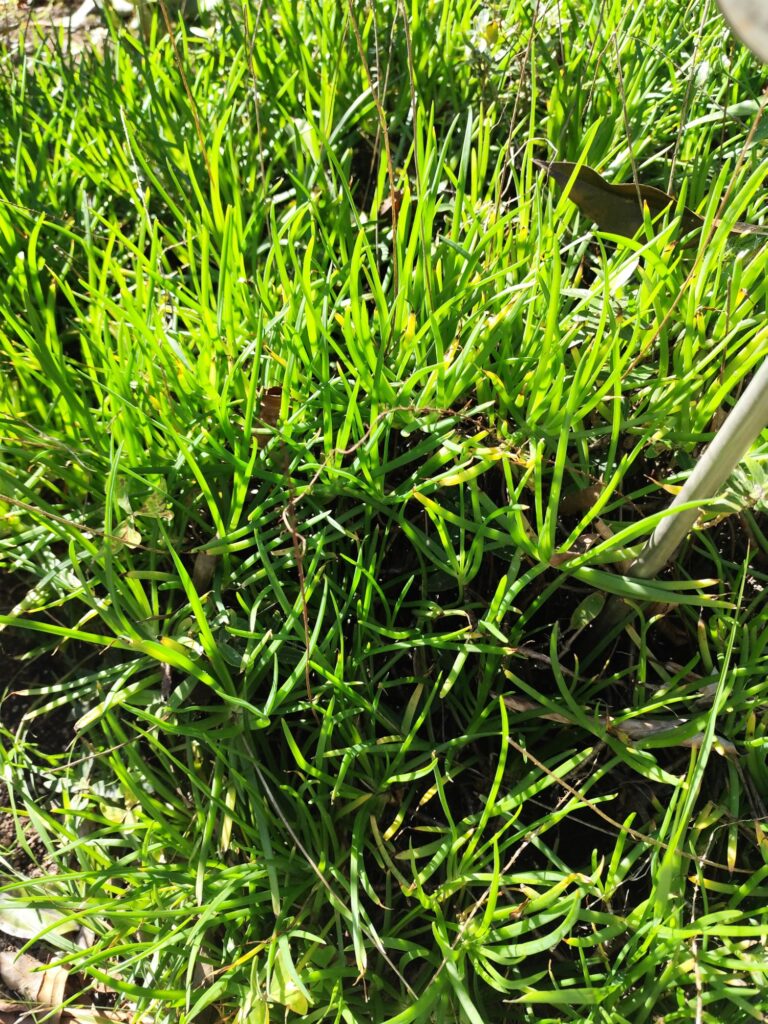
Well-drained soil is essential for healthy growth. Bulbine frutescens performs best in sandy, rocky, or light soils.
It adapts well to poor soils and does not require high fertility.
Water Requirements
Once established, this plant is highly drought-tolerant. Watering should be occasional, allowing the soil to dry between watering cycles.
Excessive watering should be avoided, as it may reduce plant health and flowering.
Maintenance and Care
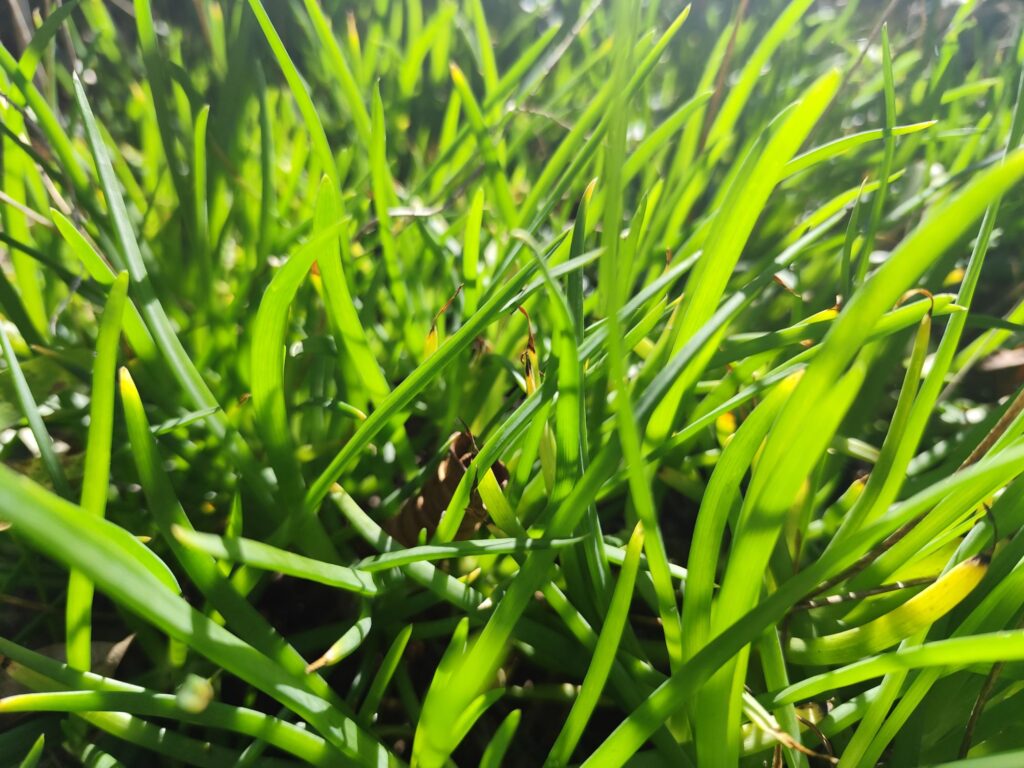
This is a very low-maintenance plant. Removing spent flower stems can encourage continued blooming and maintain a tidy appearance.
Division of clumps can be done if size control or propagation is desired.
Safety Notice
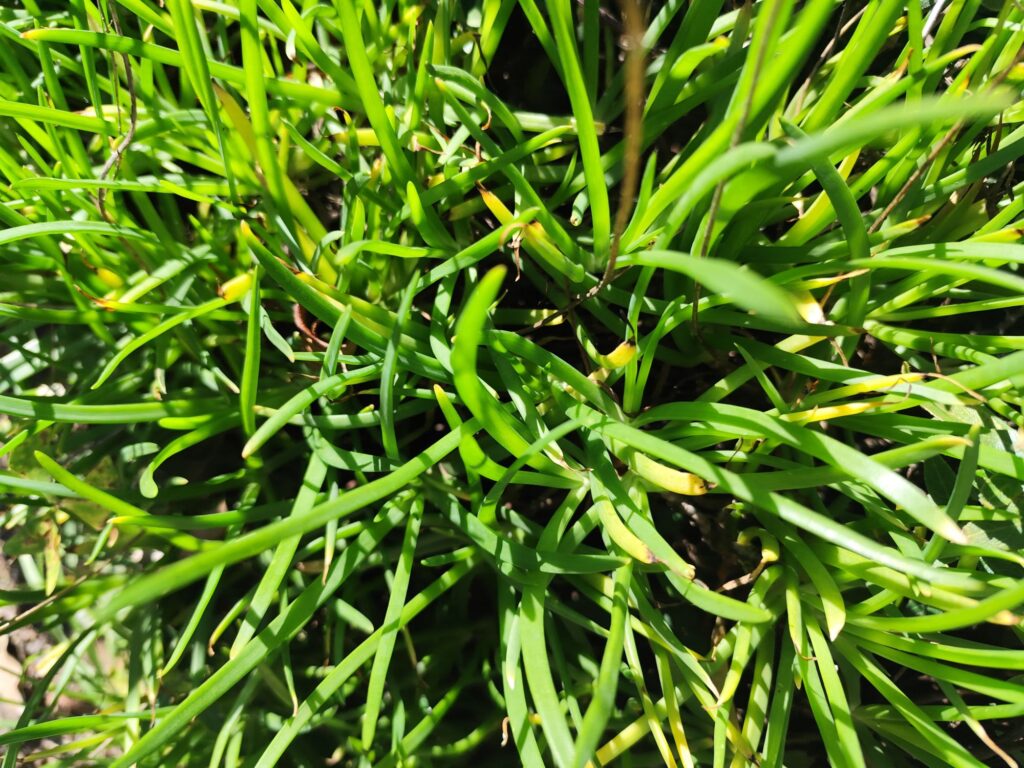
Bulbine frutescens is grown strictly for ornamental purposes. It should not be consumed or used for medicinal applications.
Standard gardening care is sufficient when handling the plant.
Uses in Landscaping
Bulbine frutescens is widely used in borders, rock gardens, ground cover plantings, and roadside landscaping. It is especially effective in water-wise and Mediterranean-style gardens.
It also performs well in containers and raised beds with good drainage.
Visual and Environmental Value
Visually, the plant adds bright color and soft texture to landscapes through its flowers and fine foliage.
Environmentally, it supports water-efficient gardening and low-input landscape design.
Suitability for Gardens and Containers
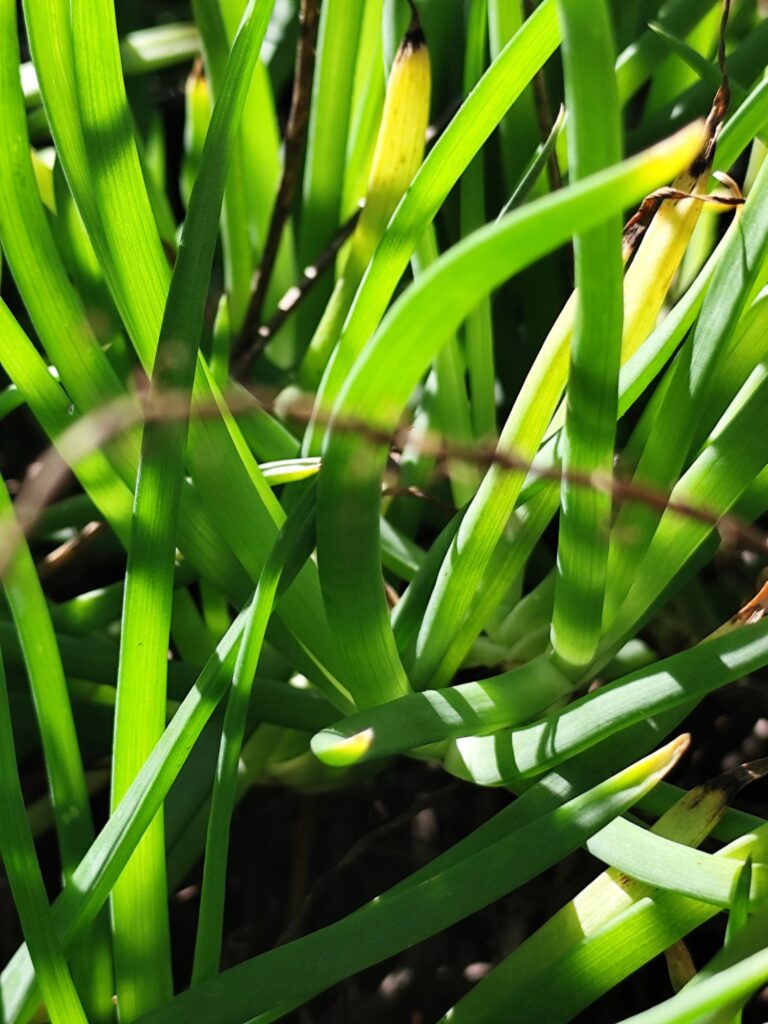
Bulbine frutescens is ideal for gardens in warm, dry climates and for areas where low maintenance and drought tolerance are priorities.
With full sun, good drainage, and minimal watering, it can remain an attractive and reliable ornamental plant for many years.