Overview of Asplenium nidus
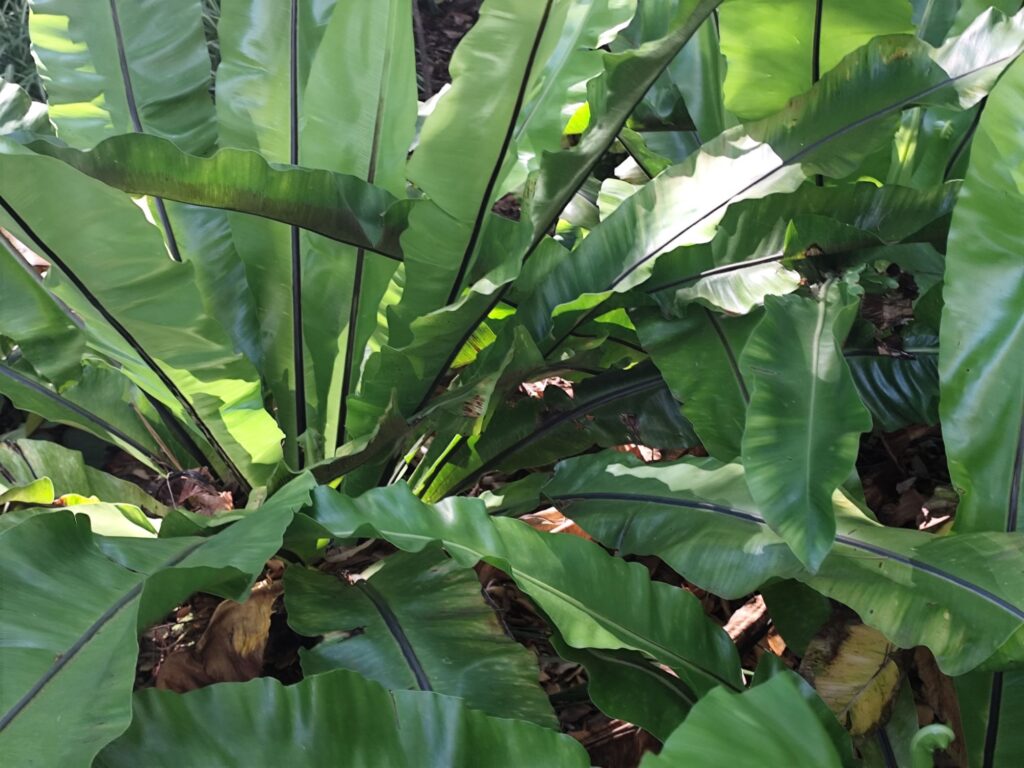
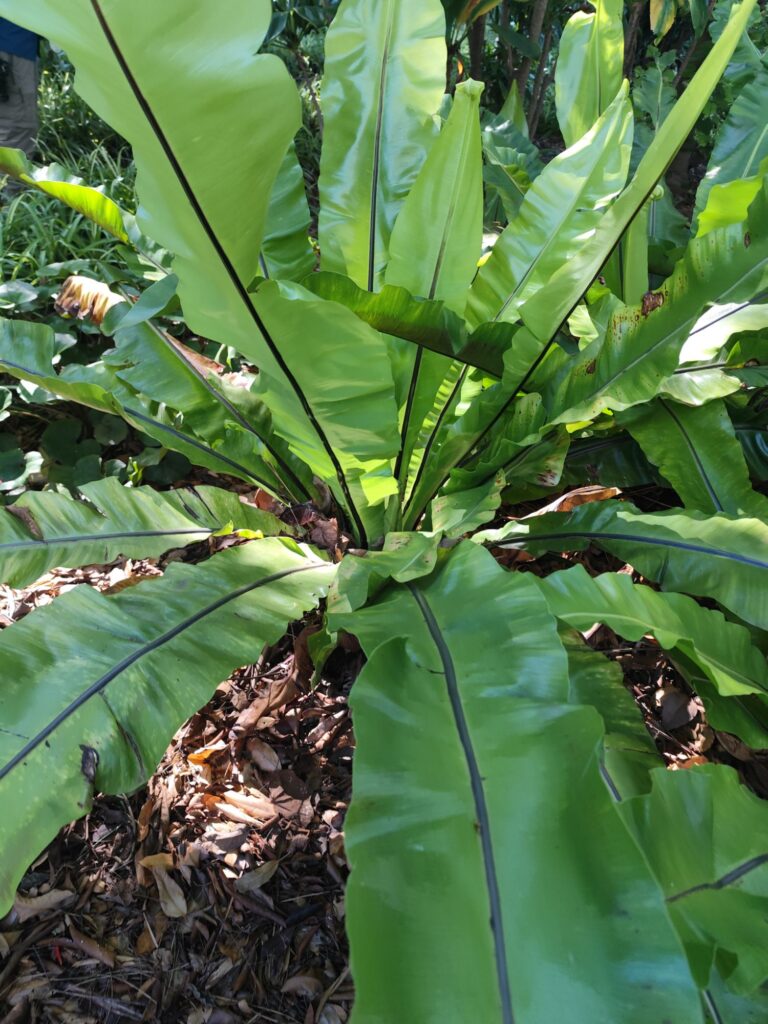
Asplenium nidus, commonly known as the bird’s nest fern, is a tropical fern admired for its large, bright green, simple fronds arranged in a central rosette. The growth form resembles a bird’s nest, which gives the plant its common name.
This species is widely grown as an ornamental foliage plant in tropical gardens and as a popular indoor plant due to its bold appearance and tolerance of low light.
Natural Origin and Distribution
Asplenium nidus is native to tropical regions of Southeast Asia, the Pacific Islands, northern Australia, and parts of eastern Africa. In the wild, it often grows as an epiphyte on trees or on rocks in humid forests.
Its natural environment is characterized by warm temperatures, high humidity, and filtered light.
Physical Characteristics
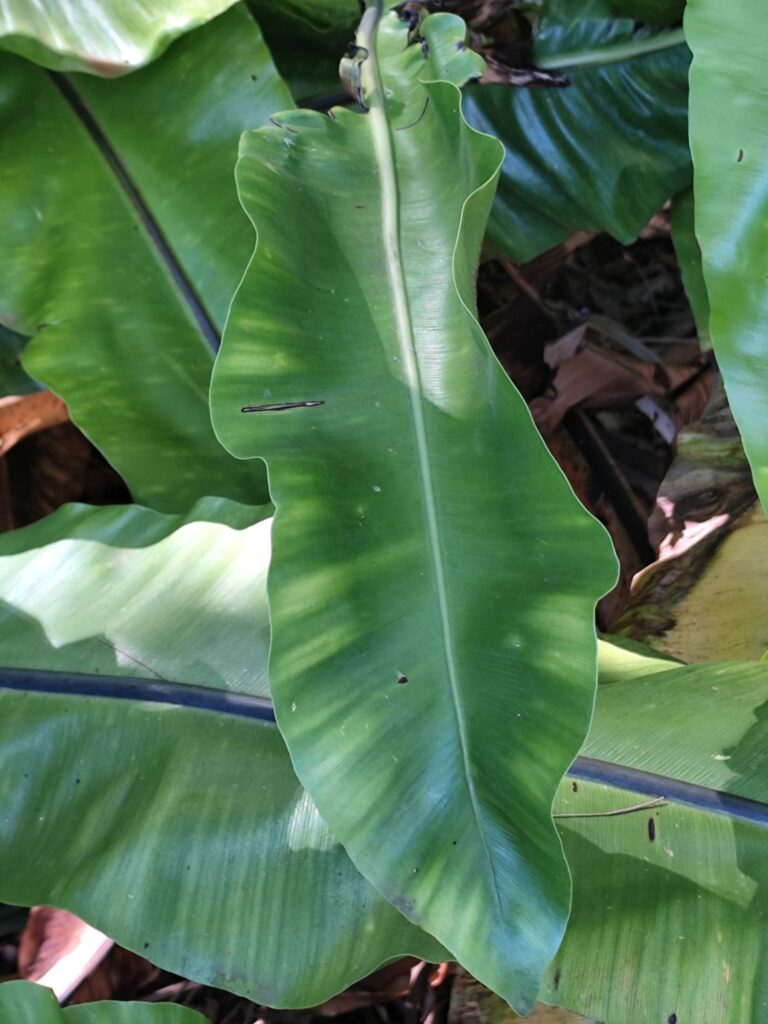
The plant forms a symmetrical rosette of large, undivided fronds that can reach lengths of 60 to 150 centimeters. The fronds are glossy, bright green, and leathery, with a prominent dark midrib.
Unlike many other ferns, Asplenium nidus does not have finely divided leaves, giving it a bold and sculptural appearance.
Growth Habit and Development
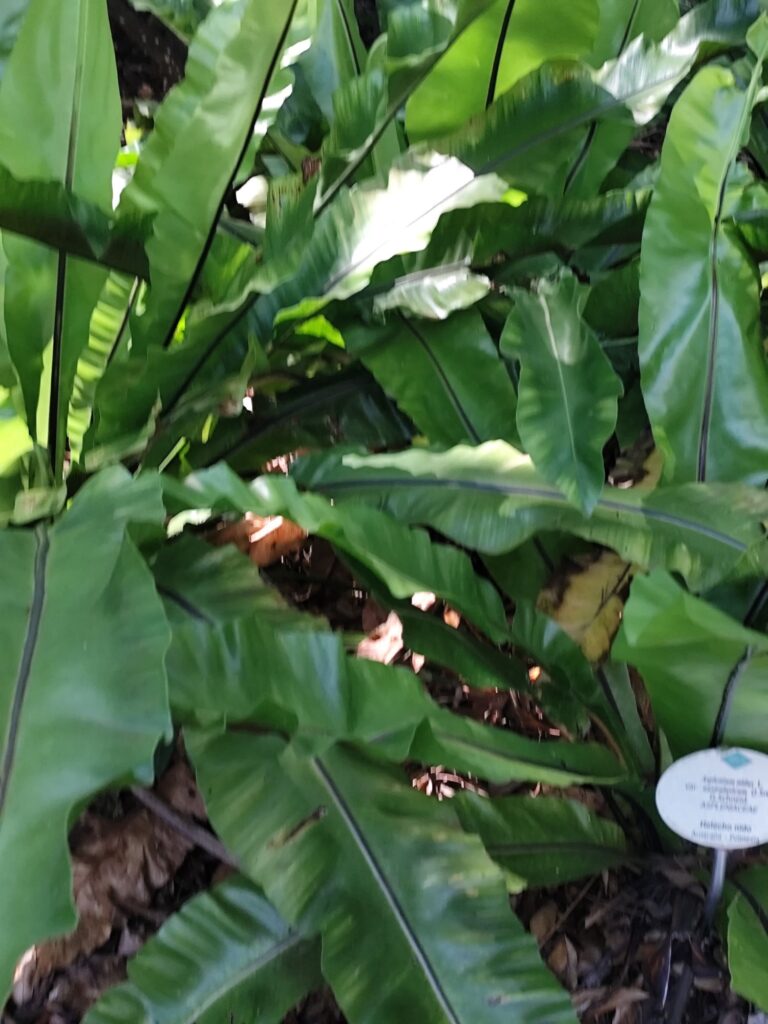
Asplenium nidus has a moderate growth rate under suitable conditions. New fronds emerge from the center of the rosette and gradually unfurl.
Over time, the rosette enlarges, forming a dense and upright clump without spreading aggressively.
Climate and Light Requirements
This fern thrives in warm, humid climates and prefers bright, indirect light or partial shade. Direct sunlight can scorch the fronds and should be avoided.
It does not tolerate frost and is best suited to tropical or subtropical regions, or grown indoors in cooler climates.
Soil Preferences
Asplenium nidus prefers well-drained but moisture-retentive soil rich in organic matter. It also performs well in epiphytic-style mixes that allow air circulation around the roots.
Heavy or compacted soils should be avoided.
Water Requirements
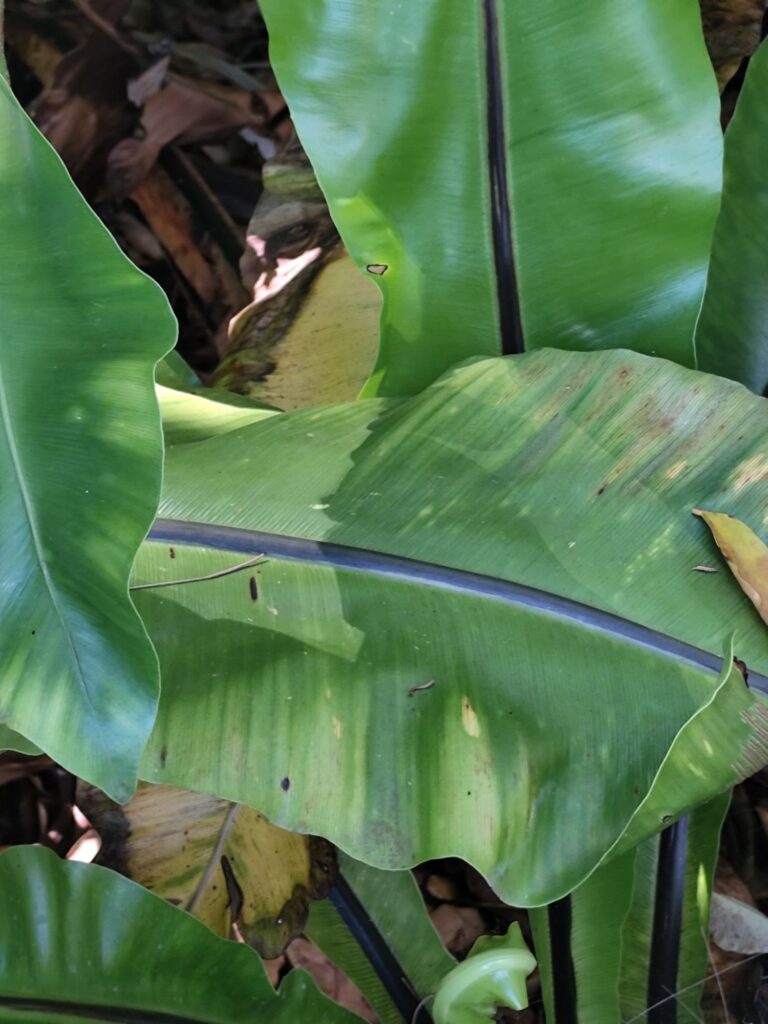
Regular watering is essential. The soil should be kept consistently moist but not waterlogged.
Water should be applied to the soil rather than directly into the center of the rosette to prevent rot.
Maintenance and Care
This plant is relatively low-maintenance when grown in suitable conditions. Old or damaged fronds can be removed to maintain appearance.
High humidity supports healthy growth, especially for indoor plants.
Safety Notice
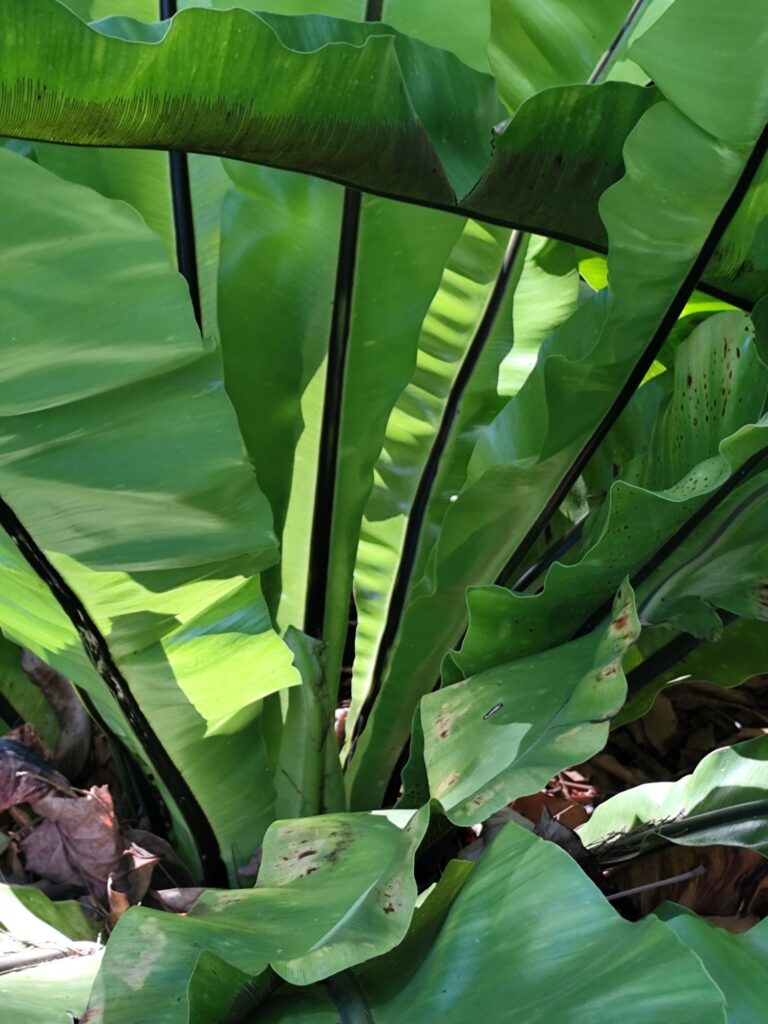
Asplenium nidus is grown strictly for ornamental purposes. It should not be consumed or used for medicinal applications.
It is generally considered safe to handle with normal gardening care.
Uses in Landscaping
Asplenium nidus is widely used in shaded tropical gardens, underplanting, and near water features. It is also one of the most popular ferns for indoor decoration.
Its upright rosette form makes it suitable as a focal foliage plant.
Visual and Environmental Value
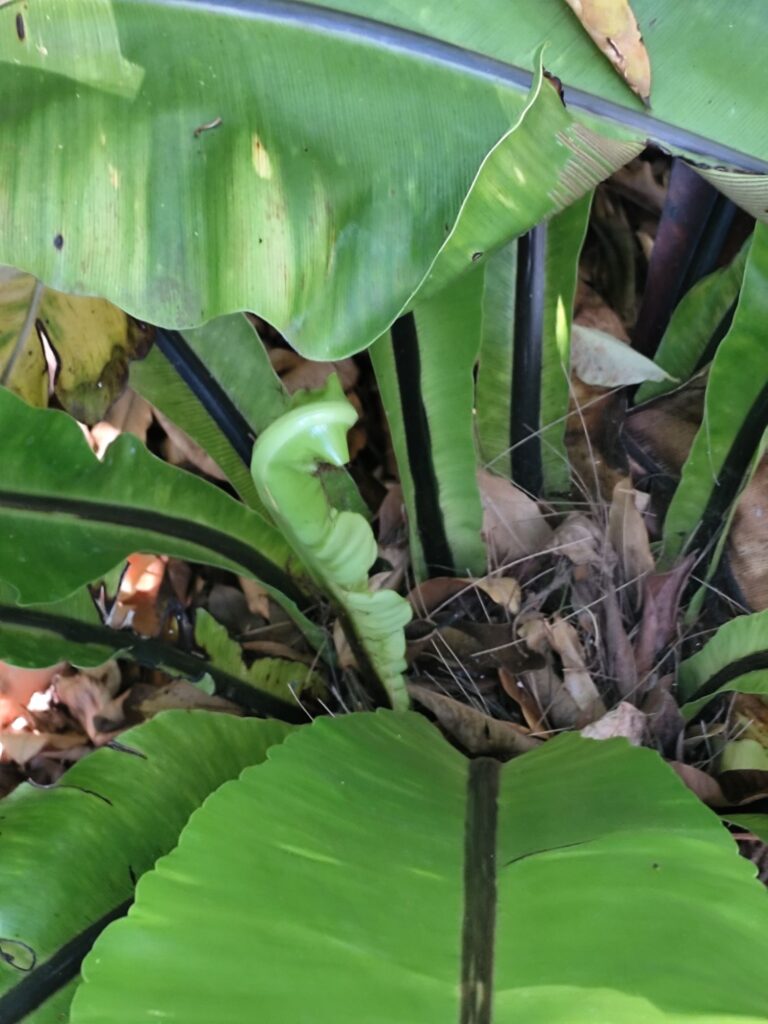
Visually, the bird’s nest fern adds a lush, tropical character with strong texture and vibrant green color.
In natural settings, it contributes to forest ecosystems by collecting organic debris and moisture within its rosette.
Suitability for Gardens and Indoor Spaces
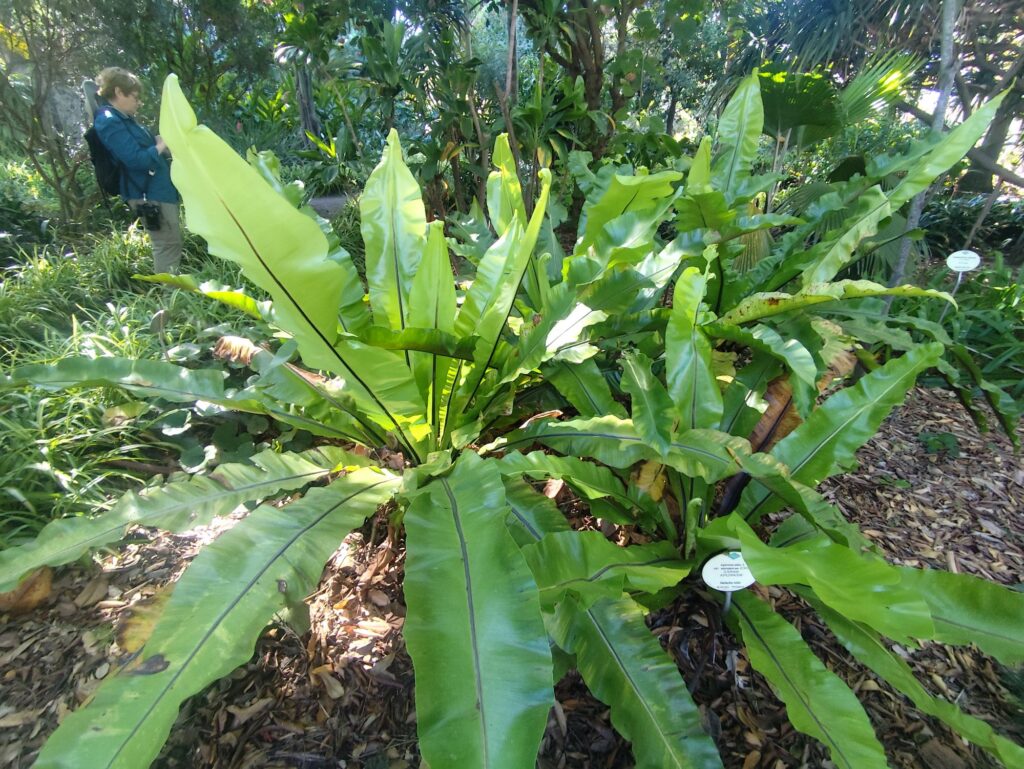
Asplenium nidus is ideal for warm, humid gardens with shade, as well as for indoor environments with bright, indirect light.
With consistent moisture, good humidity, and protection from direct sun, it can remain an attractive and long-lived ornamental fern.