Overview of Argyranthemum frutescens
Argyranthemum frutescens, commonly known as the Canary daisy or woody marguerite, is a flowering shrub admired for its abundant daisy-like blooms and long flowering season. Native to the Canary Islands, it is closely associated with coastal and mild-climate landscapes.
This plant is widely used in ornamental gardening thanks to its cheerful appearance, adaptability, and ability to flower for extended periods in suitable conditions.
Natural Origin and Distribution
Argyranthemum frutescens is endemic to the Canary Islands, where it grows naturally in coastal areas, slopes, and open landscapes with good sun exposure and well-drained soils.
Due to its popularity, it has been cultivated and naturalized in many Mediterranean and mild temperate regions around the world.
Physical Characteristics
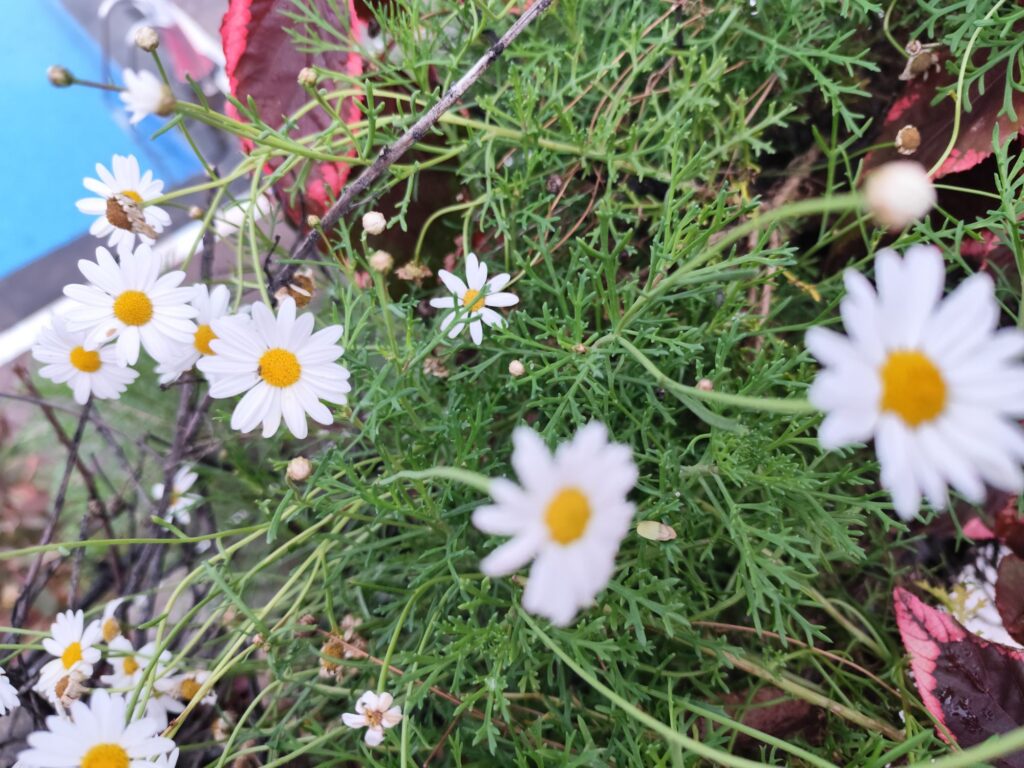
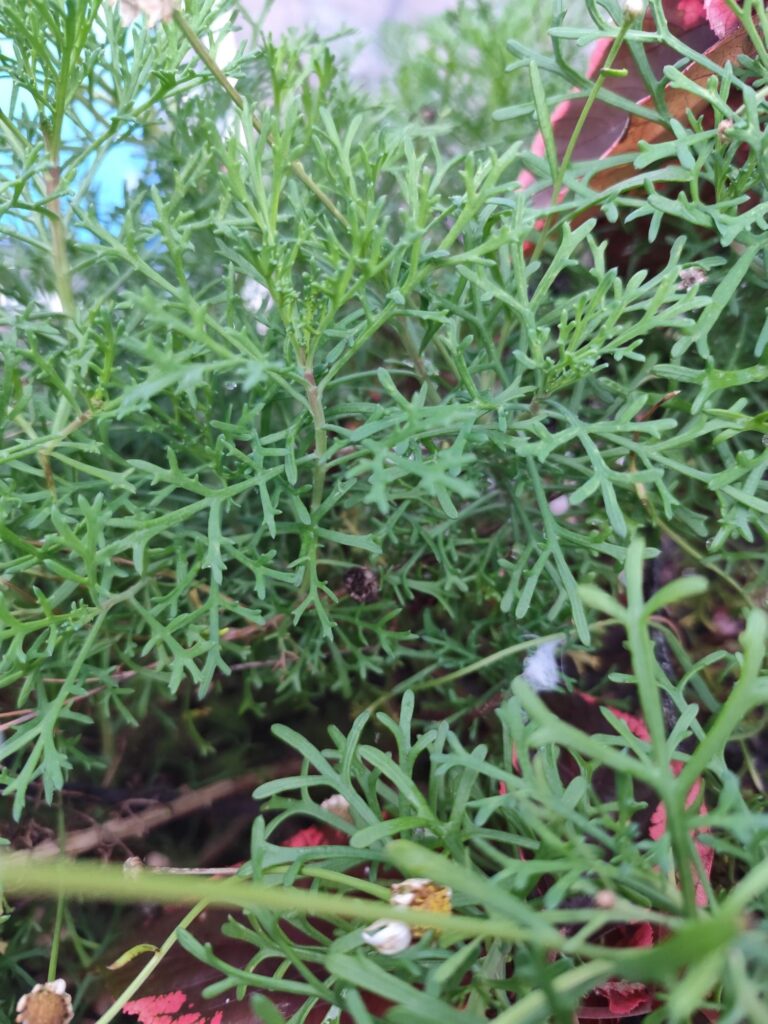
This species grows as a compact to medium-sized shrub, typically reaching heights of 60 to 120 centimeters. It develops a woody base with soft, finely divided green leaves that give the plant a light and airy texture.
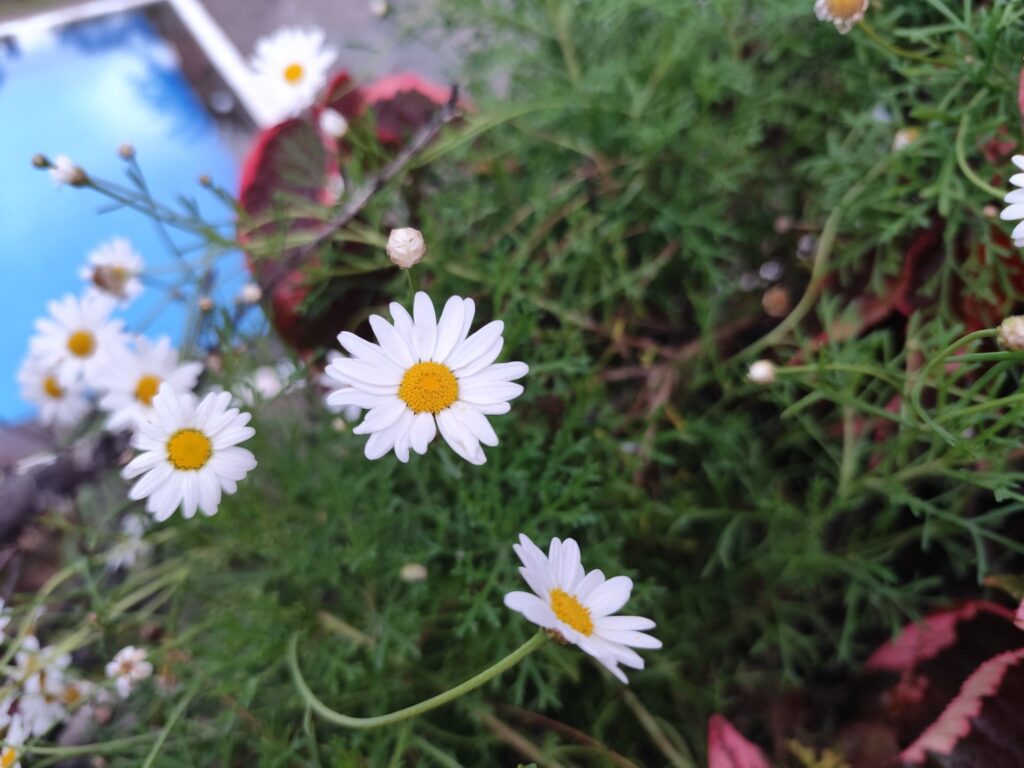
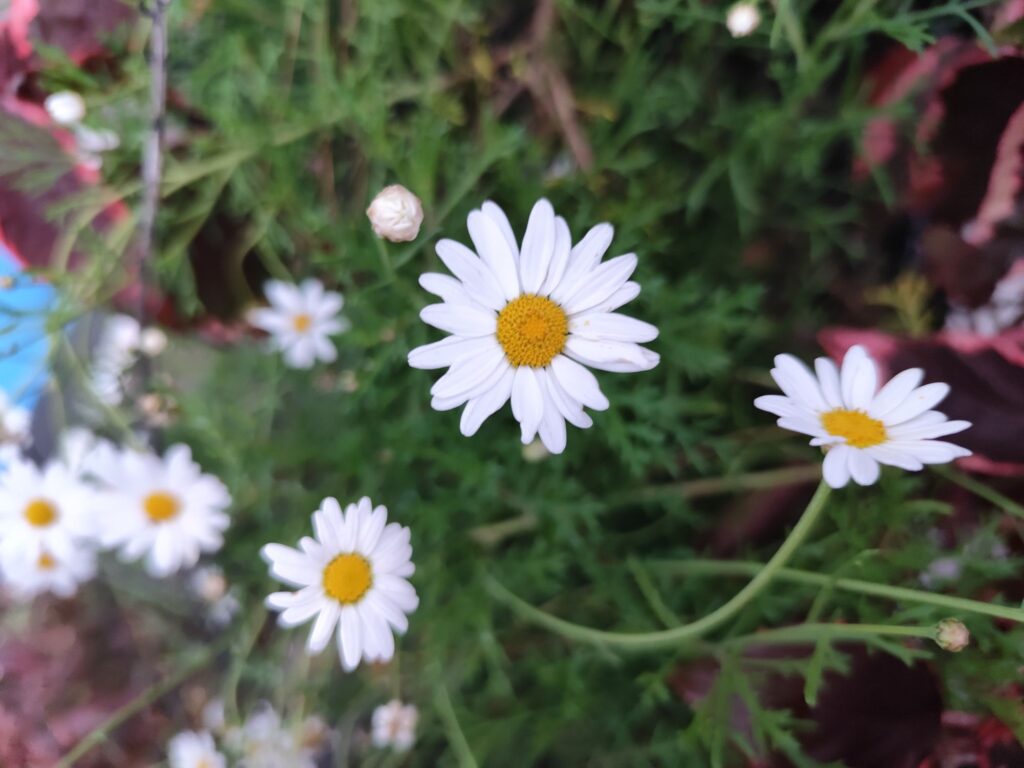
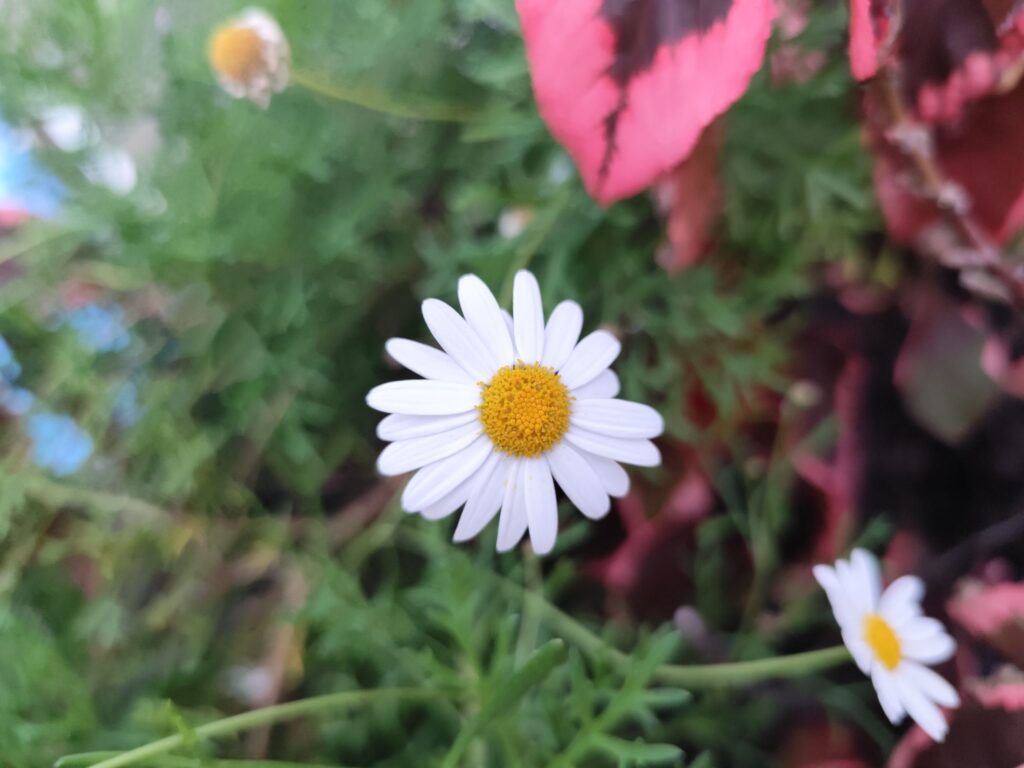
The flowers are classic daisy-shaped blooms with white petals and a yellow center, though cultivated varieties may show shades of pink, cream, or yellow.
Flowering and Seasonal Interest
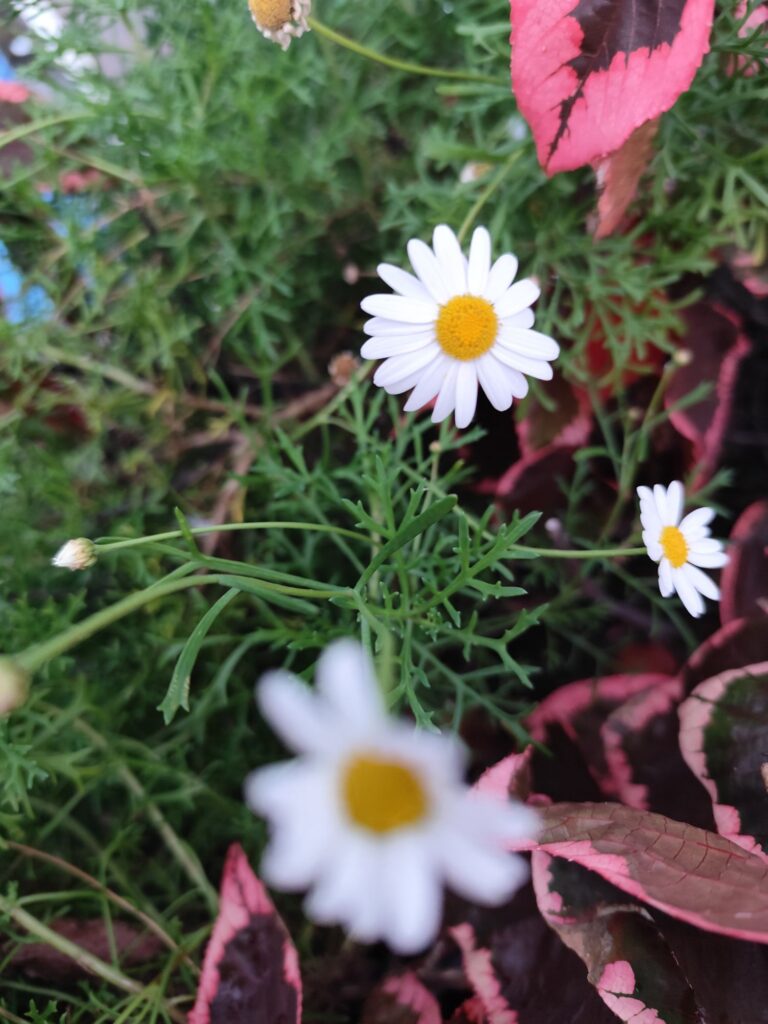
Argyranthemum frutescens is known for its long and prolific flowering period. In mild climates, it can bloom from late winter or early spring through summer, and sometimes into autumn.
Regular removal of spent flowers helps encourage continuous blooming and maintains a tidy appearance.
Growth Habit and Development
This plant has a moderate growth rate and forms a rounded or slightly spreading shape. Over time, the base becomes woody, providing structure and longevity.
Pruning after major flowering periods helps maintain compact growth and promotes fresh new shoots.
Climate and Light Requirements
Argyranthemum frutescens thrives in mild, sunny climates. It prefers full sun, which supports strong flowering and compact form.
While it tolerates light shade, reduced sunlight may lead to fewer flowers. The plant does not tolerate heavy frost and is best suited to frost-free or low-frost regions.
Soil Preferences
Well-drained soil is essential for healthy growth. The plant performs well in sandy, volcanic, or loamy soils typical of coastal and island environments.
It does not require highly fertile soil, but good drainage is critical to prevent root issues.
Water Requirements
Regular watering supports flowering, especially during warm periods. However, the soil should be allowed to dry slightly between watering cycles.
Once established, the plant shows moderate drought tolerance, though prolonged dryness may reduce flowering.
Maintenance and Care
Argyranthemum frutescens is relatively easy to maintain. Light pruning and deadheading help extend the flowering season and keep the plant compact.
Occasional feeding during active growth may support abundant blooms, though excessive fertilization is unnecessary.
Uses in Landscaping
This plant is widely used in garden borders, flower beds, containers, and coastal landscaping. Its bright flowers bring color and movement to outdoor spaces.
It is especially effective in Mediterranean-style gardens and mixed plantings with other drought-tolerant species.
Visual and Ecological Value
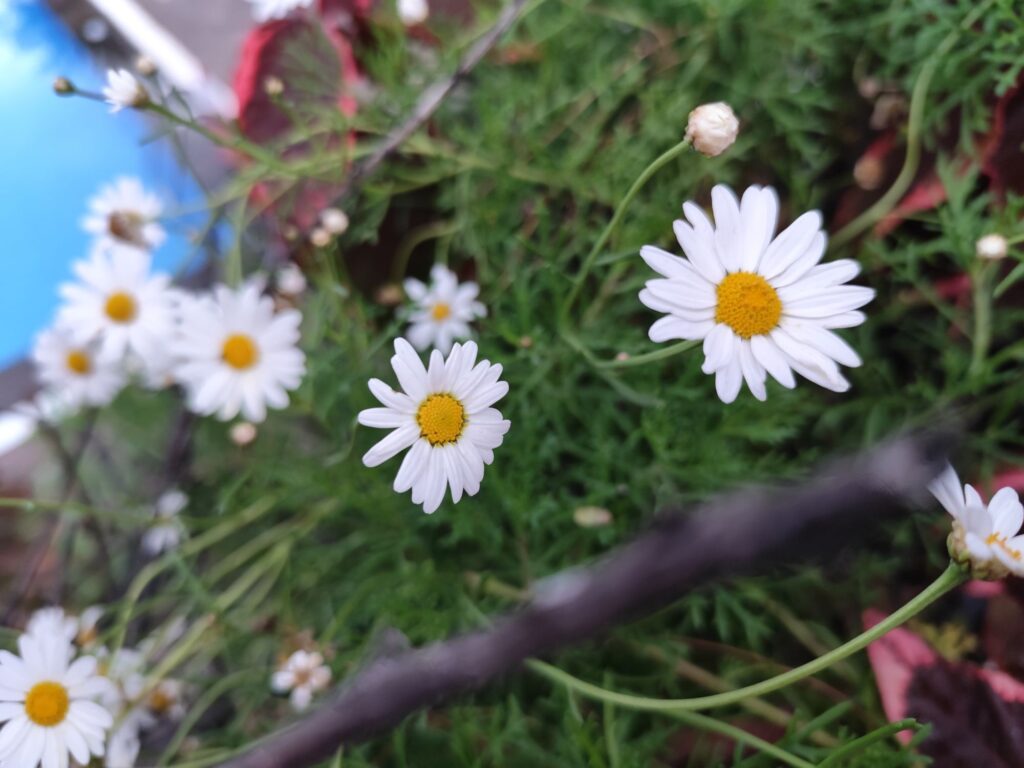
Visually, the Canary daisy adds brightness and softness to landscapes with its constant display of flowers. Its fine foliage contrasts well with bolder-leaved plants.
The flowers attract pollinating insects, contributing to garden biodiversity.
Suitability for Gardens and Containers
Argyranthemum frutescens is well suited to home gardens, terraces, and balconies in mild climates. It also performs well in containers with good drainage.
With proper sun exposure, moderate watering, and occasional pruning, it can remain an attractive and productive flowering plant for many seasons.