Overview of the Norfolk Island Araucaria
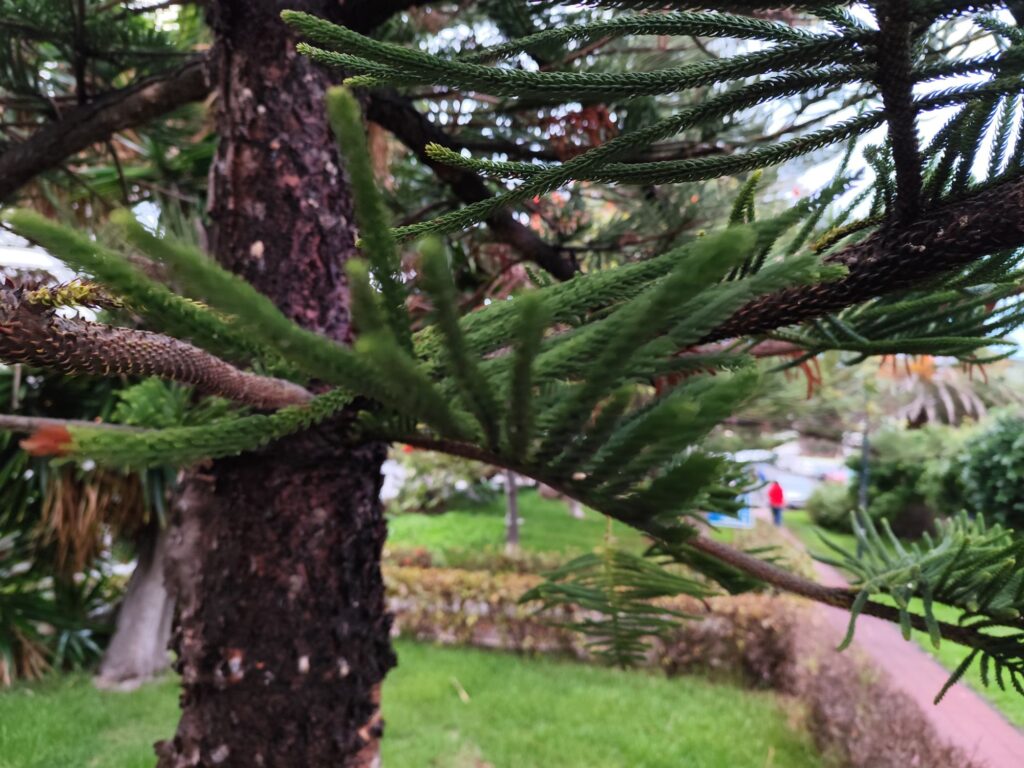
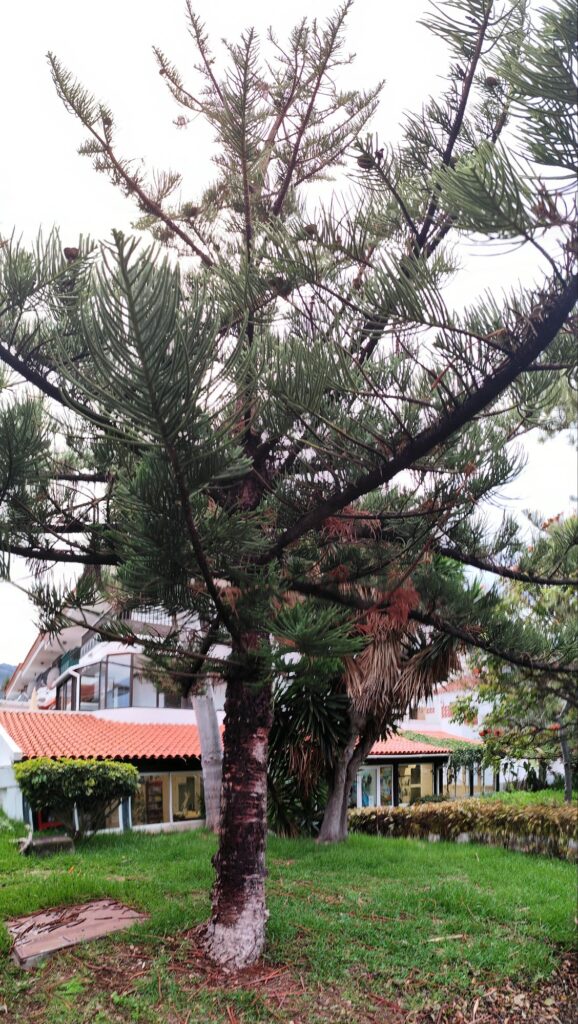
The Araucaria from Norfolk Island, botanically known as Araucaria heterophylla, is a distinctive evergreen conifer admired for its perfectly symmetrical form and elegant, tiered branches. It is one of the most recognizable ornamental trees in coastal and subtropical landscapes around the world.
This tree is often referred to as the Norfolk Island pine, although it is not a true pine. Its strong vertical structure and balanced growth make it a striking focal point in gardens, parks, and large open spaces.
Natural Origin and Distribution
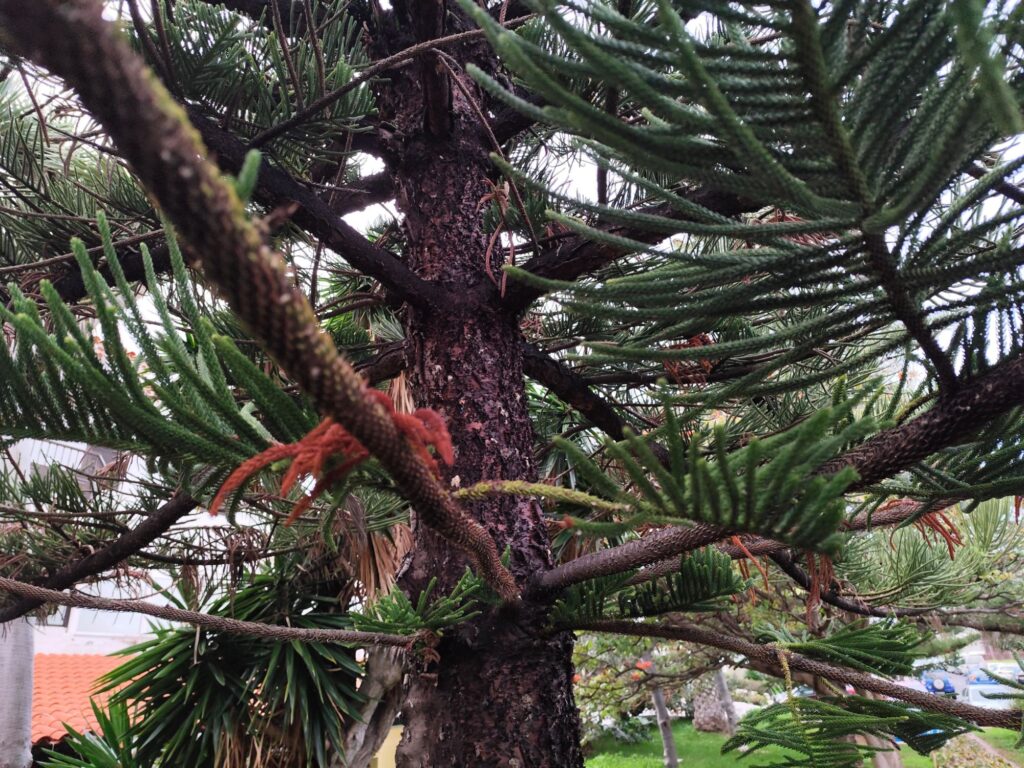
Araucaria heterophylla is native to Norfolk Island, a small island located in the South Pacific Ocean between Australia and New Zealand. In its natural habitat, it grows in coastal forests and elevated areas exposed to wind and salt-laden air.
Due to its adaptability and ornamental value, the species has been widely planted in subtropical and mild coastal regions worldwide, particularly in areas with Mediterranean-like climates.
Physical Characteristics
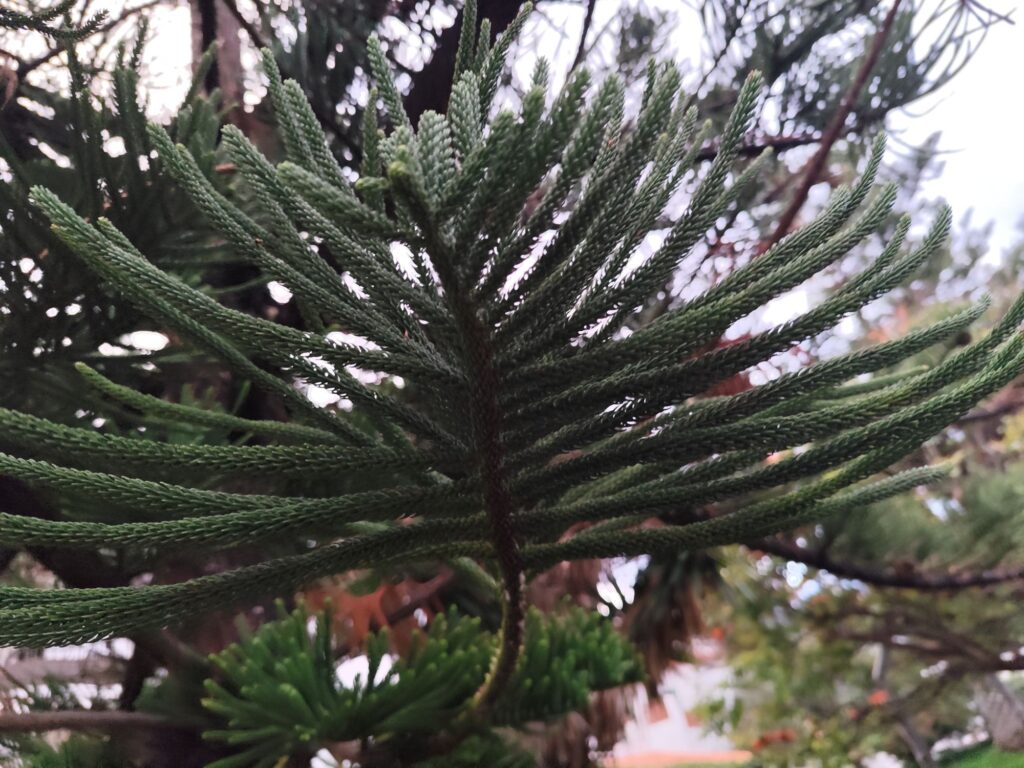
This tree is known for its straight, upright trunk and horizontal branches arranged in regular whorls. The branches form distinct layers, creating a highly symmetrical and geometric appearance.
The leaves are soft, needle-like, and bright green, covering the branches densely. In mature specimens, the tree can reach heights of 30 to 50 meters in ideal outdoor conditions.
Growth Habit and Development
Araucaria heterophylla grows relatively slowly in its early years but becomes more vigorous as it matures. Its growth habit remains upright and well-structured throughout its life.
The tree maintains its natural form without the need for pruning, which contributes to its popularity as a low-maintenance ornamental species.
Climate and Sunlight Requirements
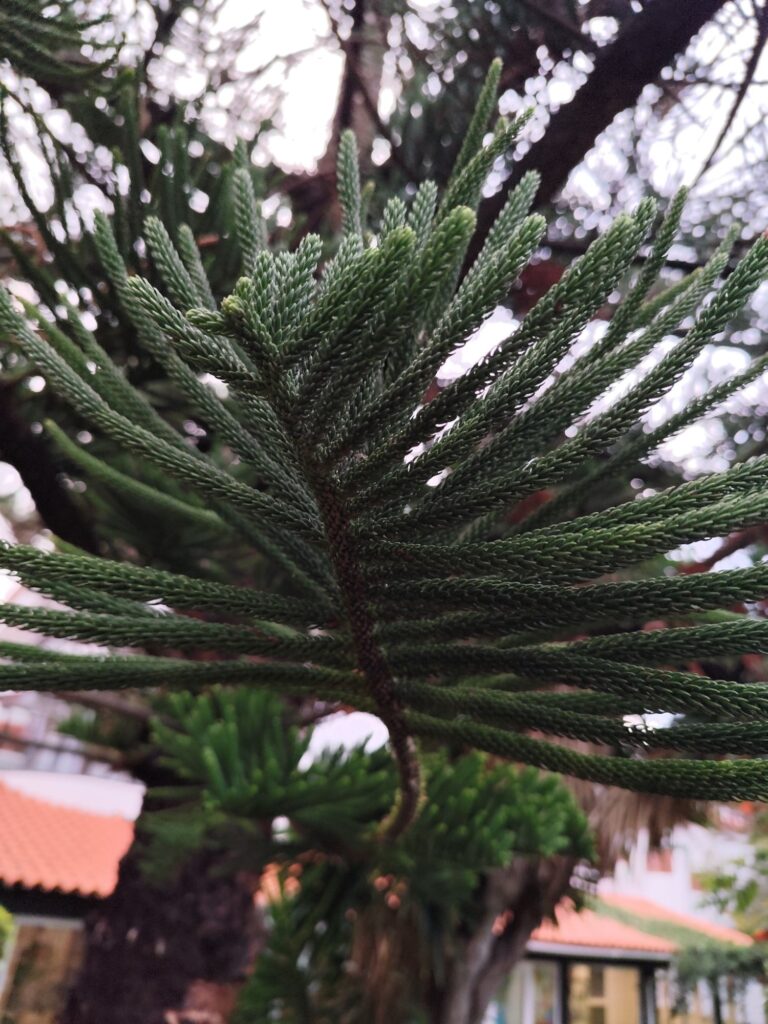
This species thrives in mild, frost-free climates and prefers full sun exposure. It is particularly well suited to coastal environments, where it tolerates wind and salt spray better than many other trees.
While young plants can tolerate some shade, mature trees perform best when grown in open, sunny locations.
Soil Preferences
The Norfolk Island araucaria prefers well-drained soils and adapts well to sandy, volcanic, or loamy substrates. Good drainage is essential to prevent root-related problems.
It tolerates moderately poor soils but benefits from stable moisture levels during establishment.
Water Requirements
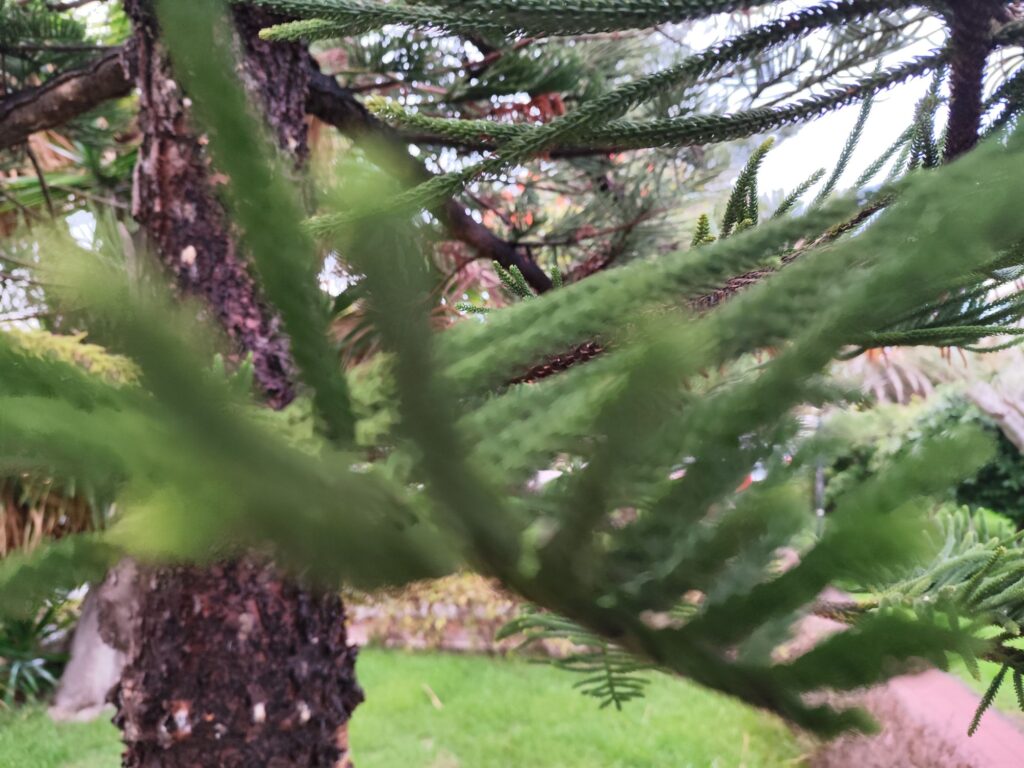
Regular watering is important during the early stages of growth to help establish a strong root system. Once established, the tree becomes moderately drought-tolerant.
Excessive watering or waterlogged soil should be avoided, as it can negatively affect root health.
Maintenance and Care
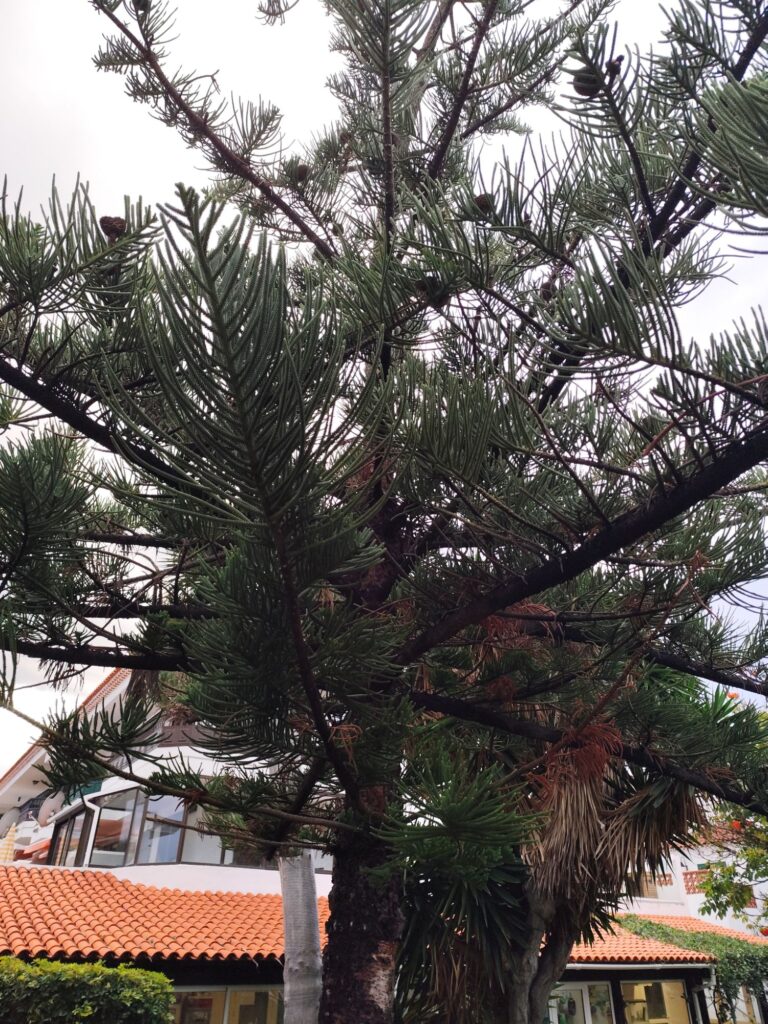
Araucaria heterophylla requires minimal maintenance when planted in suitable conditions. Pruning is generally unnecessary, as the tree naturally develops a balanced and attractive shape.
Care should be taken to provide sufficient space for growth, as mature specimens can become very large over time.
Uses in Landscaping
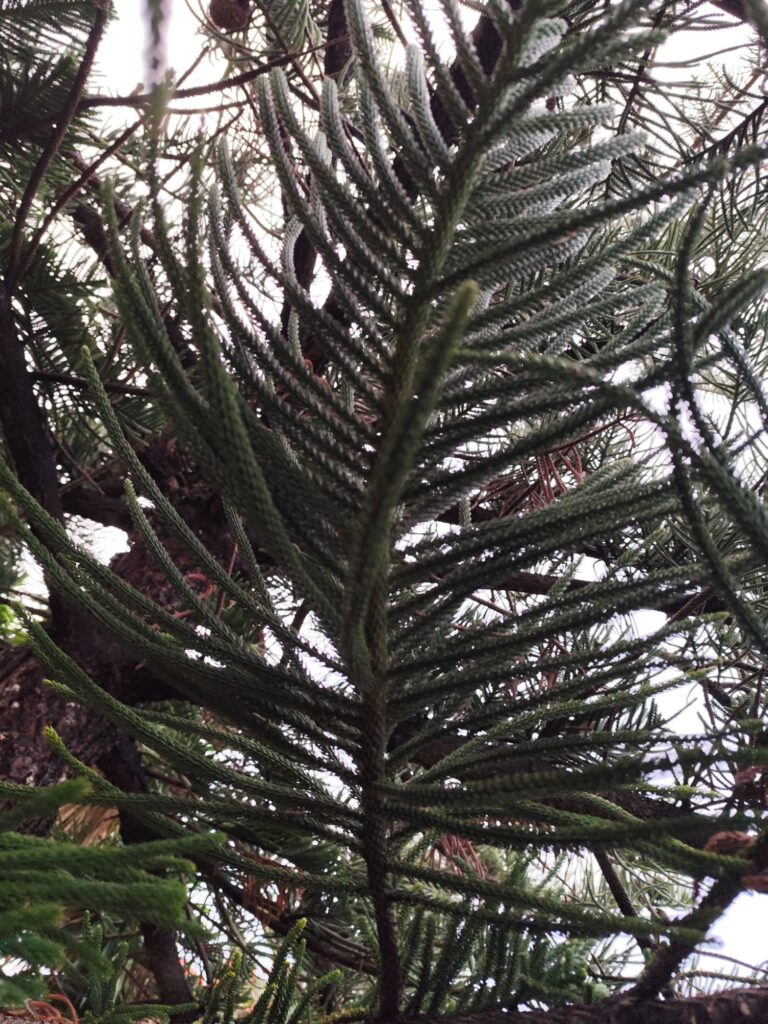
This tree is widely used as a landmark or focal point in large gardens, coastal promenades, parks, and botanical collections. Its tall, elegant silhouette makes it visible from a distance and adds strong vertical interest to landscapes.
In some regions, it is also grown as a container plant when young, particularly for decorative purposes in outdoor spaces.
Ecological and Visual Value
The dense branching structure provides shelter for birds and contributes to the ecological diversity of planted landscapes. Its tolerance to coastal conditions makes it valuable in shoreline environments.
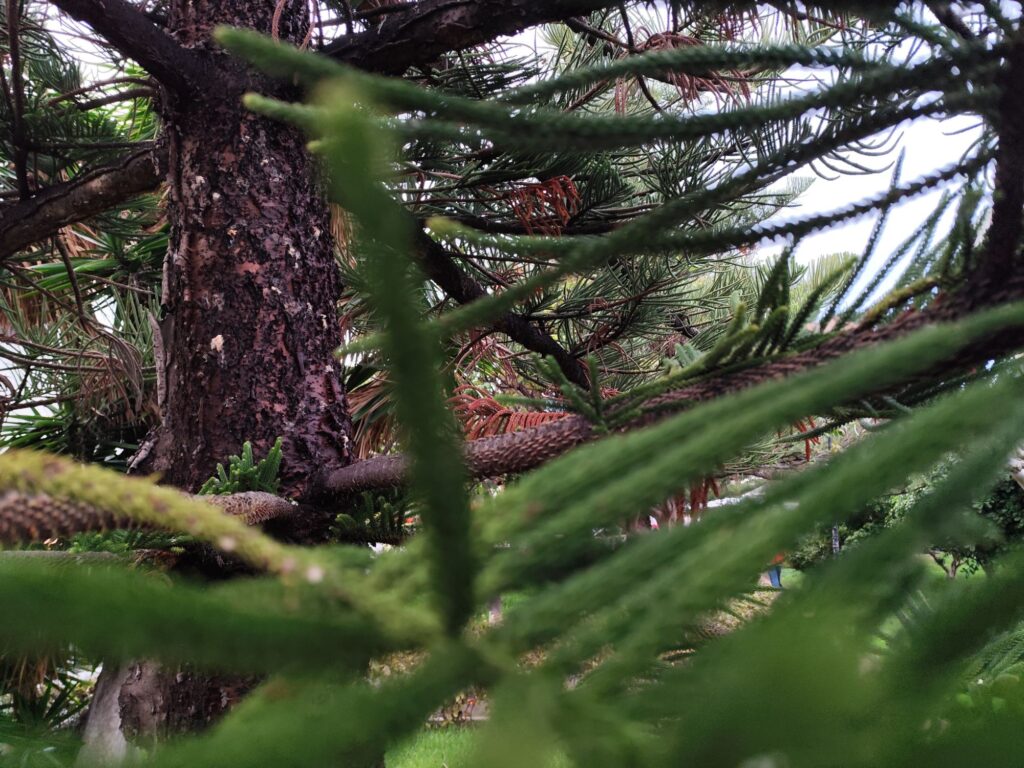
Visually, the Norfolk Island araucaria is admired for its symmetry, height, and timeless appearance, often becoming a defining feature of the landscape.
Suitability for Gardens and Public Spaces
Araucaria heterophylla is best suited to large gardens and public spaces where its full size can be accommodated. It is particularly effective in coastal and island settings with mild climates.
With proper placement and minimal care, this tree can live for many decades, serving as a long-lasting and iconic element in the landscape.