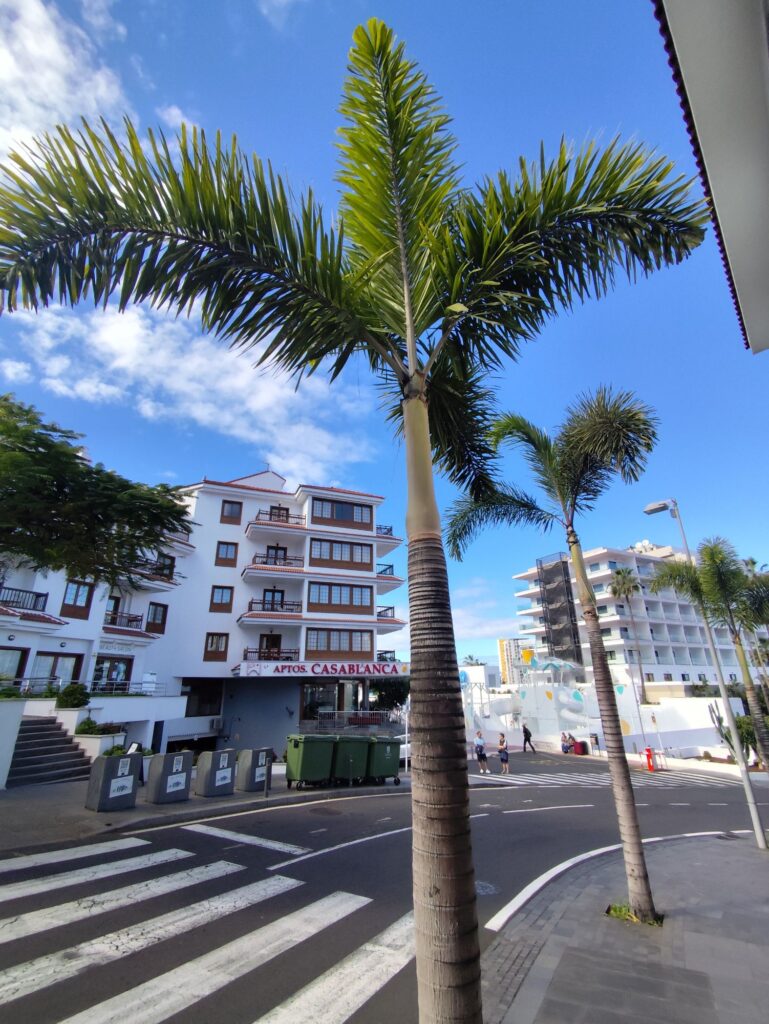
Introduction to the Royal Palm
The royal palm is one of the most iconic and easily recognizable palm trees of the tropical world. It stands out for its elegant appearance, smooth and straight trunk, and a crown of pinnate leaves that form a majestic silhouette. It is widely cultivated as an ornamental plant in parks, avenues, botanical gardens, and urban spaces in warm climates.
There are several species commonly referred to as royal palms, with the Caribbean species being the most representative. This content provides an educational and botanical description of the royal palm, focusing on its characteristics and growth, without promoting any culinary or medicinal use.
Botanical Classification
- Family: Arecaceae
- Commonly associated genera: Roystonea, etc.
- Best-known species: Roystonea regia, Roystonea oleracea, etc.
- Common names: Royal palm, palma real, royal palm tree, etc.
Physical Characteristics
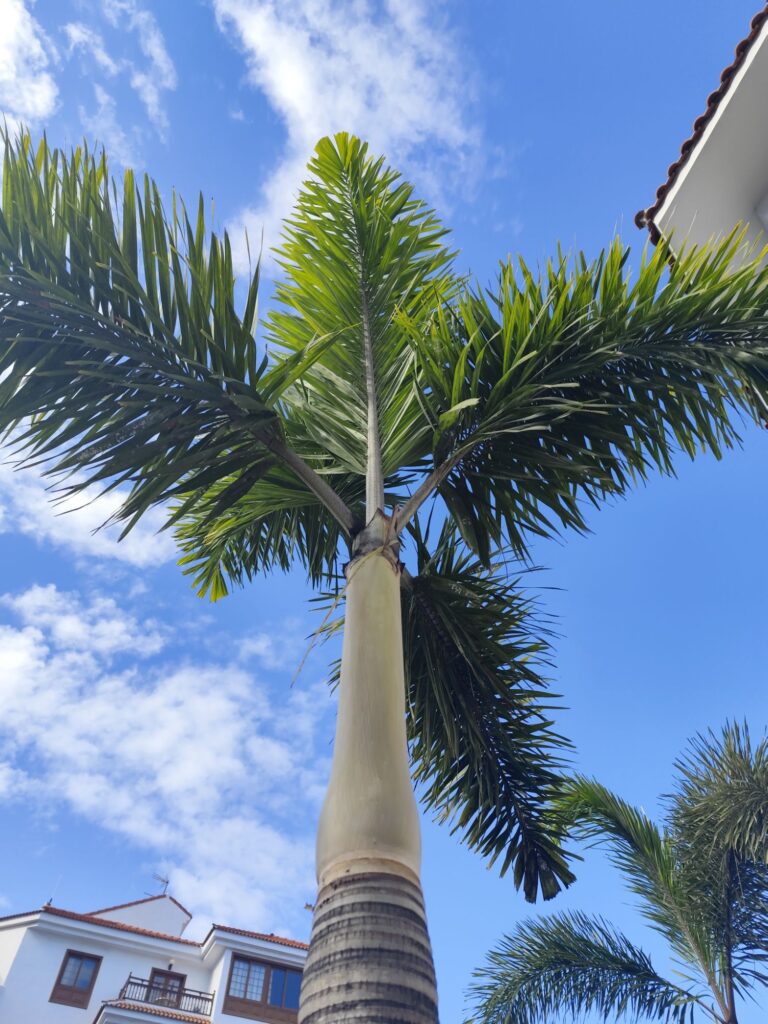
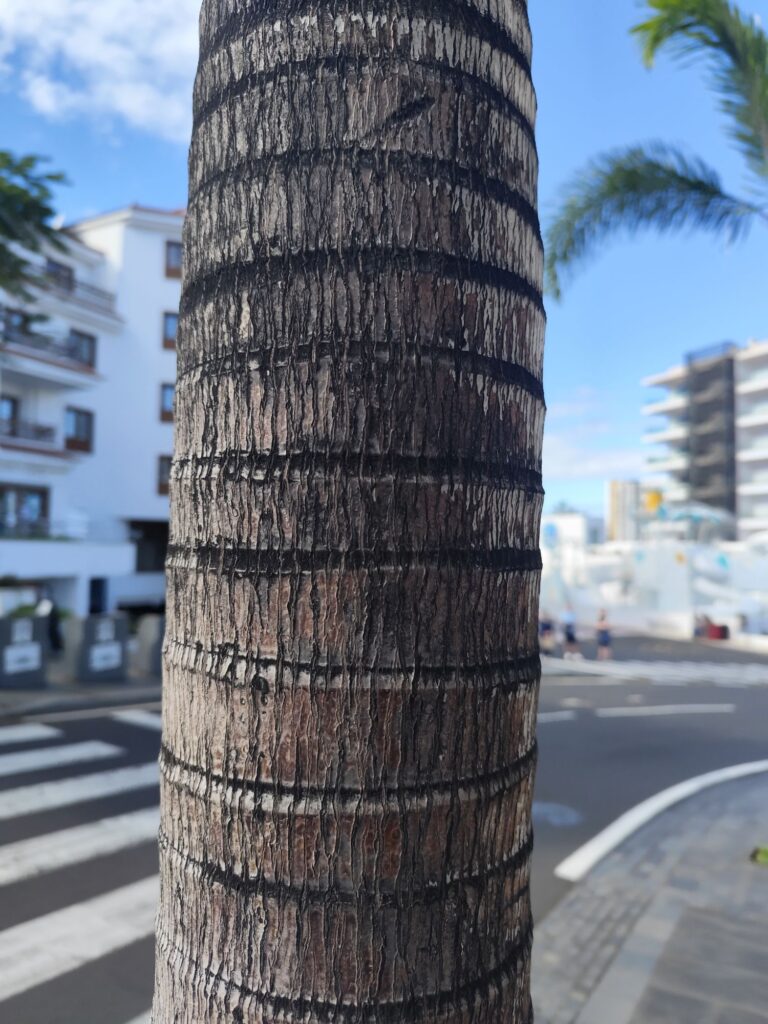
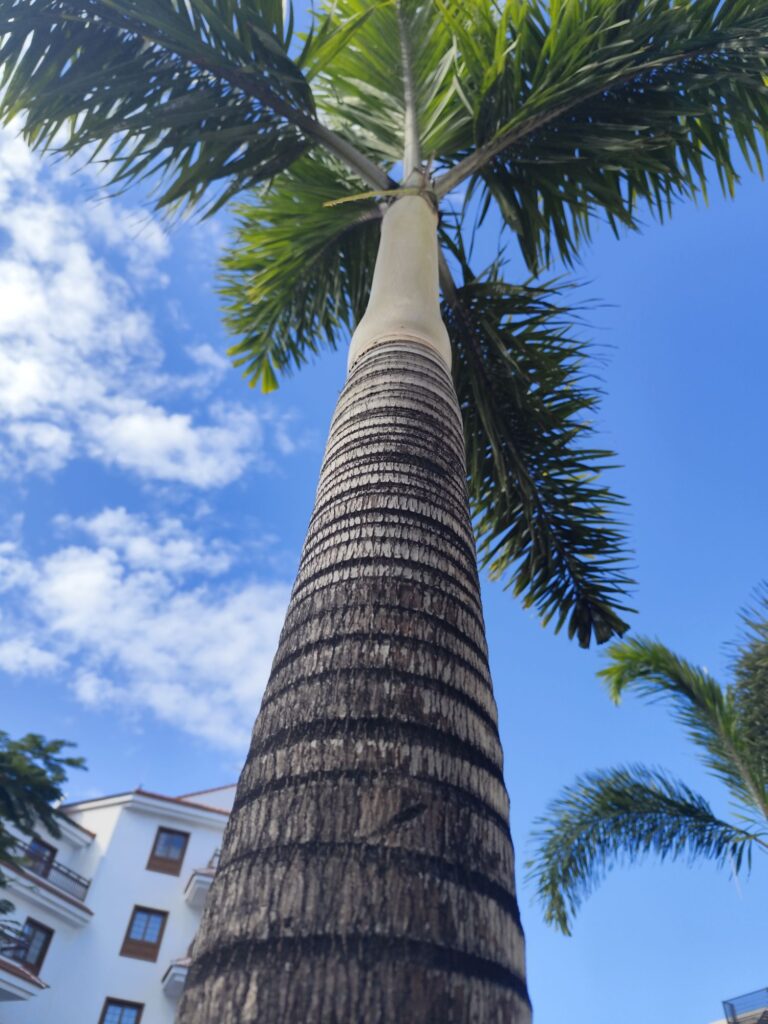
The royal palm is characterized by a tall, cylindrical trunk with a smooth surface, usually light gray in color. One of its most distinctive features is the bright green crownshaft, a structure formed by the leaf bases that wraps around the upper part of the trunk.
The leaves are pinnate, long, and arching, with numerous deep green leaflets that create a wide and balanced crown. This foliage contributes to its imposing and ornamental appearance.
Growth Habit and Size
The royal palm is a large-growing species. Under favorable conditions, it can reach heights of over 20 meters. Its growth rate is relatively fast compared to other palm species, especially during the first years after establishment.
It develops a single trunk and does not usually produce basal shoots, which reinforces its clean and vertical appearance.
Root System
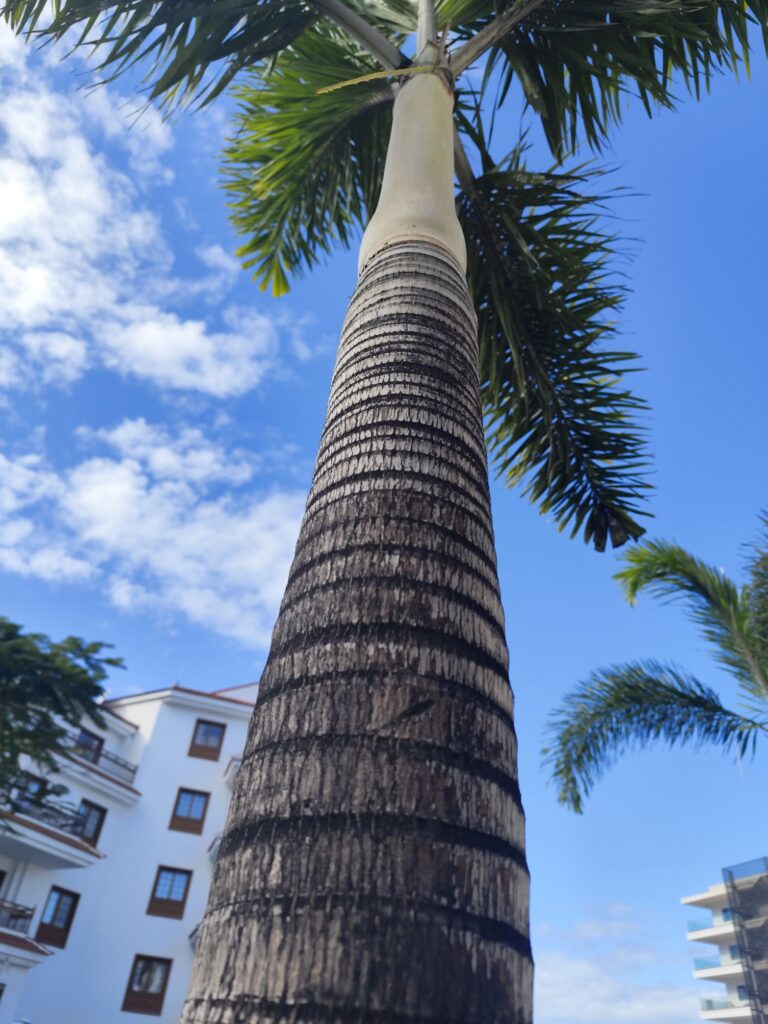
The root system of the royal palm is fibrous, composed of numerous roots that spread laterally from the base of the trunk. These roots are not deeply invasive but require sufficient space for proper development.
From a landscaping perspective, this characteristic makes it suitable for use in large urban areas.
Light Requirements
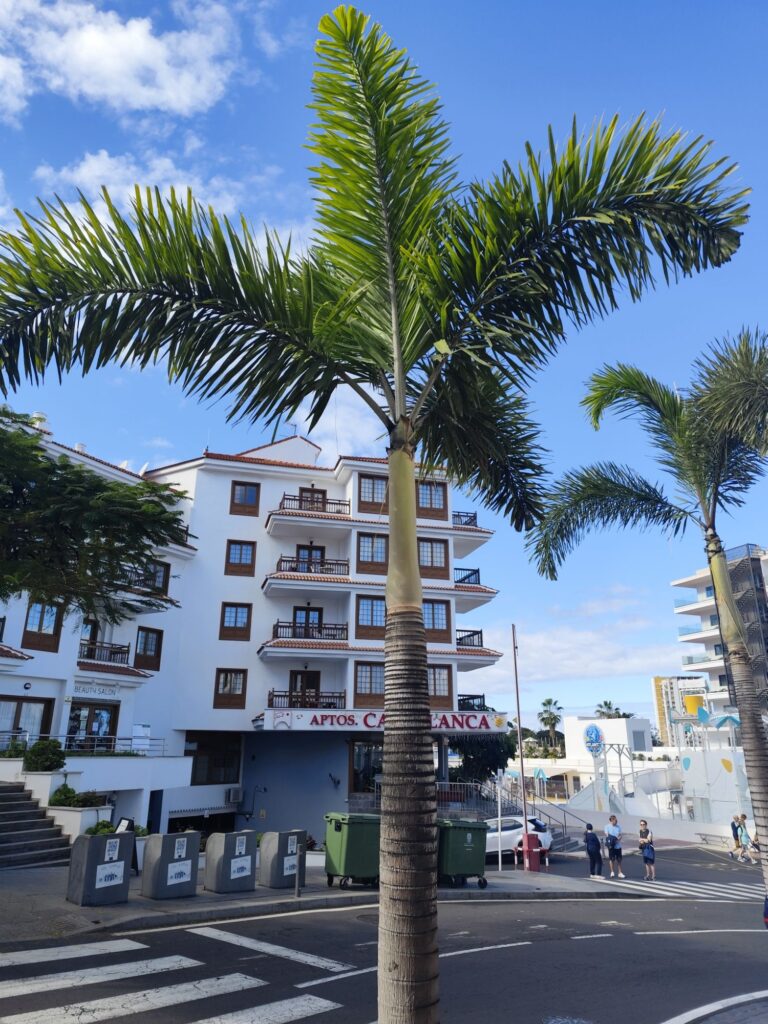
The royal palm requires full sun exposure to grow optimally. Direct sunlight promotes vigorous development of both the trunk and foliage.
In partially shaded locations, the palm may survive, but its growth is usually slower and its structure less robust.
Watering Needs
During the early stages of growth, the royal palm requires regular watering to properly establish its root system. Once mature, it shows good tolerance to periods of moderate drought.
Excess water and poor drainage can negatively affect the overall health of the plant.
Soil and Substrate Type
The royal palm adapts to different soil types, as long as they provide good drainage. It grows best in deep, fertile, and slightly moist soils.
In poor or compacted soils, growth may be limited.
Climate and Temperature
This palm is adapted to tropical and subtropical climates. It tolerates high temperatures and moderate levels of ambient humidity.
It does not tolerate severe frost, which limits outdoor cultivation to regions with mild winters.
Flowering and Fruiting
The royal palm produces large, branched inflorescences that emerge between the leaves. The flowers are small and light-colored, followed by rounded fruits that change color as they mature.
From a botanical perspective, flowering is part of the plant’s natural life cycle and contributes to its reproduction.
Maintenance and Pruning
Maintenance of the royal palm is relatively simple. Pruning is limited to the removal of dry or damaged leaves to maintain a neat appearance and reduce risks in public spaces.
Excessive pruning is not recommended, as it can weaken the plant.
Pests and Common Problems
Like other ornamental palms, the royal palm may be affected by certain issues, especially in urban environments.
- Insects that affect palm trees in warm climates, etc.
- Problems related to poorly drained soils
- Stress caused by extreme climatic conditions
Ornamental and Landscape Value
The royal palm is highly valued in landscaping for its elegant form and strong visual presence. It is frequently used in avenues, plazas, and large open spaces where it can be displayed to its full potential.