Overview of Aloe arborescens
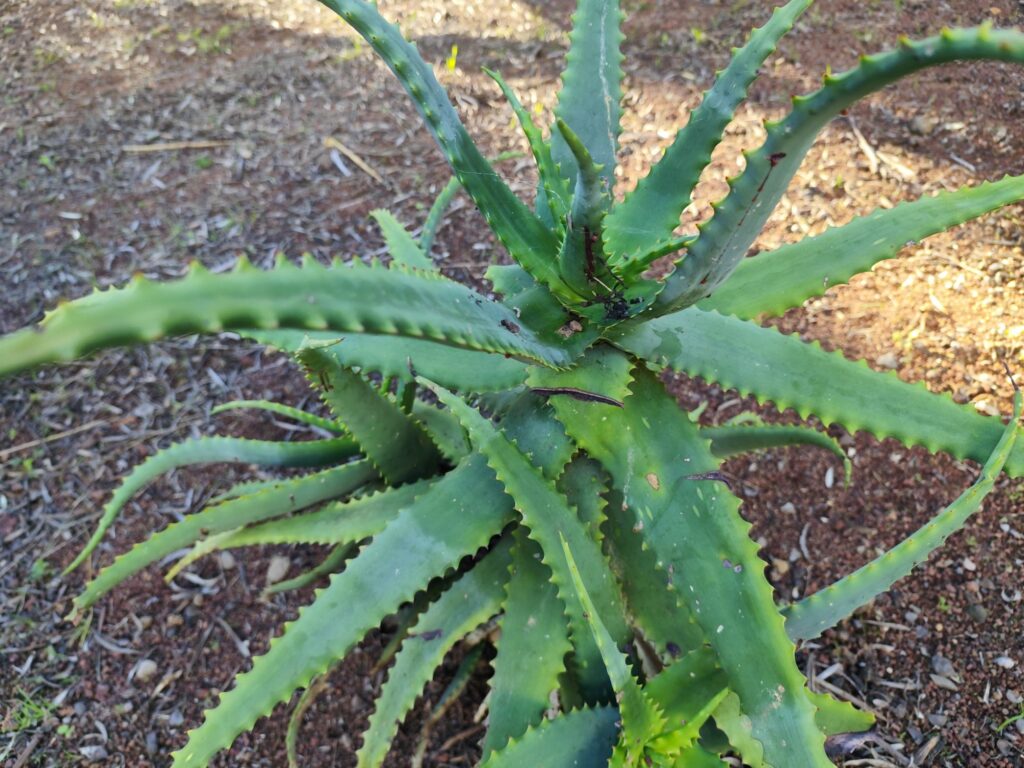
Aloe arborescens is a fast-growing succulent plant belonging to the Aloe genus. It is well known for its striking appearance, resilience, and ability to adapt to dry, sunny environments. Unlike smaller aloe species, this plant develops a shrubby or tree-like form, making it a strong visual feature in gardens and natural landscapes.
Originally native to southern Africa, Aloe arborescens has been widely introduced to regions with Mediterranean and subtropical climates. Today, it is commonly cultivated as an ornamental plant in coastal areas and islands with mild winters.
Natural Habitat and Distribution
In its native habitat, Aloe arborescens grows on rocky hillsides, open slopes, and dry valleys where rainfall is limited and sunlight is abundant. The plant is well adapted to environments with unpredictable water availability.
Outside its natural range, it is widely planted in Mediterranean regions, volcanic landscapes, and sandy coastal areas. Good drainage and sun exposure are key factors for its successful cultivation.
Physical Characteristics
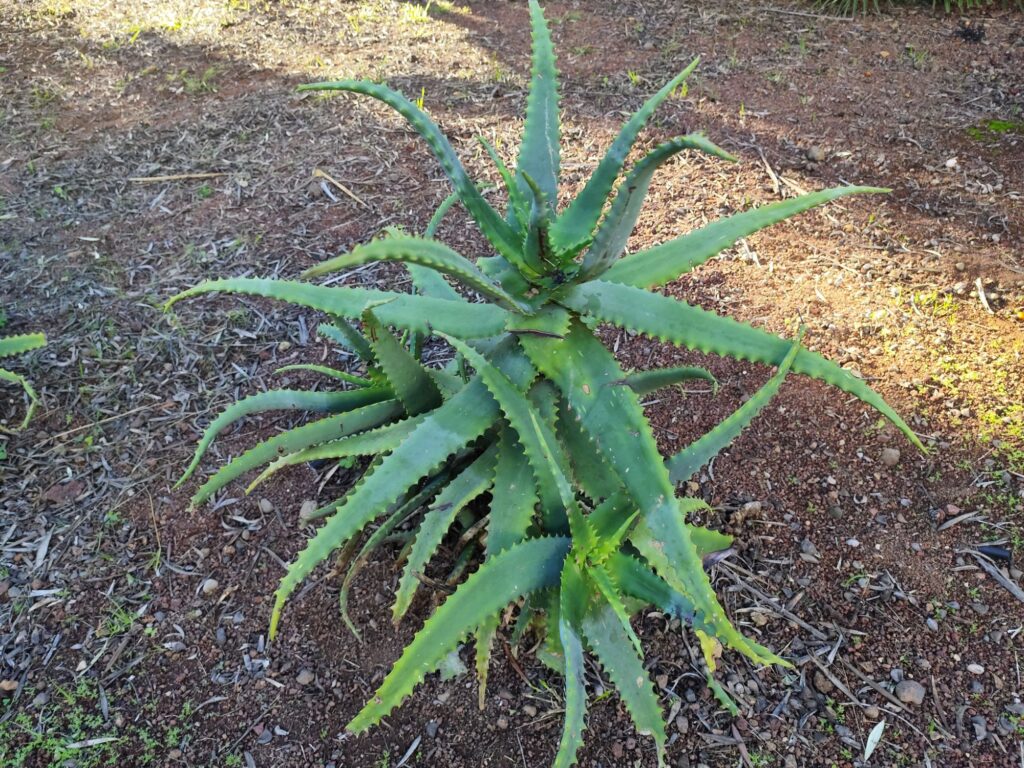
Aloe arborescens is a large, branching succulent that typically reaches heights of 2 to 3 meters. It forms multiple woody stems that support dense rosettes of long, narrow leaves. These leaves are thick and fleshy, with small spines along their edges.
Leaf color ranges from deep green to bluish-green and may develop reddish tones under strong sun exposure or drought stress. The architectural structure of the plant gives it year-round visual appeal.
Flowers and Seasonal Interest
One of the most distinctive features of Aloe arborescens is its flowering display. During the cooler months, the plant produces tall flower spikes topped with tubular flowers, usually in bright red or orange tones.
These flowers attract birds and insects and provide valuable seasonal color when many other plants are dormant. In mild climates, flowering typically occurs from winter to early spring.
Growth Habit and Lifespan
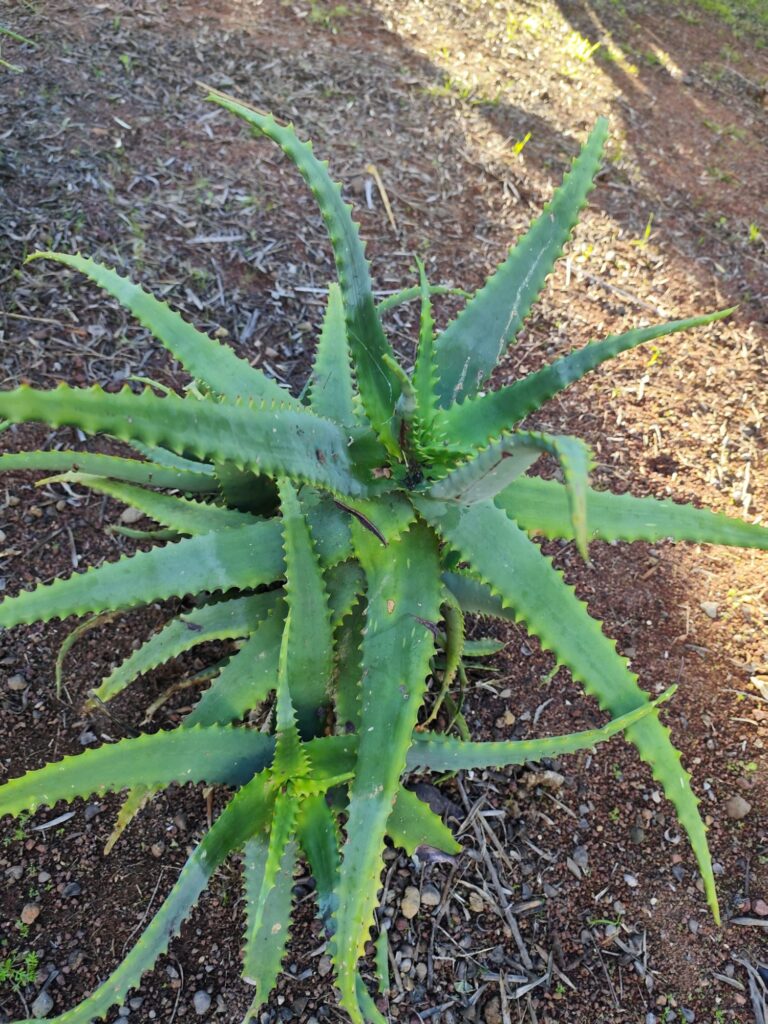
This species grows relatively quickly compared to many other aloes. Under favorable conditions, it forms large, dense clumps over time. Its branching habit allows it to recover well from pruning or minor damage.
Aloe arborescens is a long-lived plant. With minimal care, it can thrive for decades, continuing to produce new growth and seasonal flowers.
Climate and Sunlight Requirements
Aloe arborescens prefers warm, sunny climates and performs best in full sun. While it can tolerate partial shade, optimal growth and flowering are achieved with direct sunlight.
The plant is moderately tolerant of cold once established but should be protected from prolonged frost, particularly when young.
Soil and Water Needs
Well-drained soil is essential for healthy growth. Aloe arborescens thrives in sandy, rocky, or volcanic soils that allow excess water to drain quickly. Heavy or compacted soils increase the risk of root problems.
Once established, the plant requires infrequent watering. It is highly drought-tolerant and prefers dry intervals between watering. Overwatering is one of the most common causes of stress and decline.
Maintenance and Care
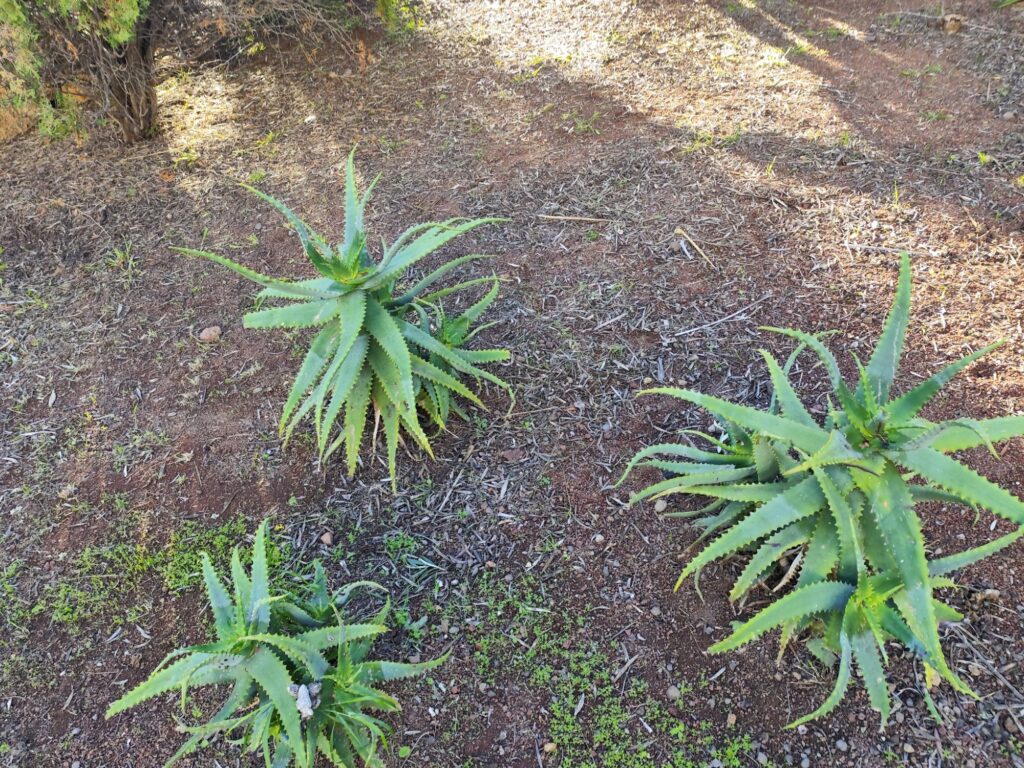
Aloe arborescens is a low-maintenance plant. Occasional pruning can be done to remove old or damaged stems and to control size. Gloves are recommended when handling the plant due to the spines along the leaves.
Fertilization is rarely required. In very poor soils, a light application of balanced fertilizer during the growing season can support healthy development.
Uses in Landscaping
Aloe arborescens is widely used in landscaping for its sculptural form and drought resistance. It works well as a focal plant, in rock gardens, and in xeriscaping designs focused on water efficiency.
Its ability to grow on slopes and poor soils makes it suitable for erosion control and low-maintenance public landscaping projects.
Ecological and Visual Value
The flowers of Aloe arborescens provide an important seasonal food source for pollinators such as birds and insects. Its dense growth also offers shelter for small wildlife.
Visually, the plant adds strong structure and contrast to gardens, especially when combined with other succulents or dry-climate species.
Scientific Name and Botanical Classification
The scientific name Aloe arborescens refers to the plant’s tree-like growth habit. It belongs to the Asphodelaceae family, which includes many drought-tolerant species adapted to arid environments.
Safety Note
The sap of Aloe arborescens can cause skin irritation in some individuals. Direct contact with broken leaves should be avoided, and the plant should not be ingested unless under professional guidance.
Suitability for Home Gardens
Aloe arborescens is an excellent choice for home gardens in warm and dry climates. It can be planted directly in the ground or grown in large outdoor containers with proper drainage.
With minimal care and correct placement, this plant can become a long-lasting and impressive feature in both private and public gardens.