Overview of Agave attenuata
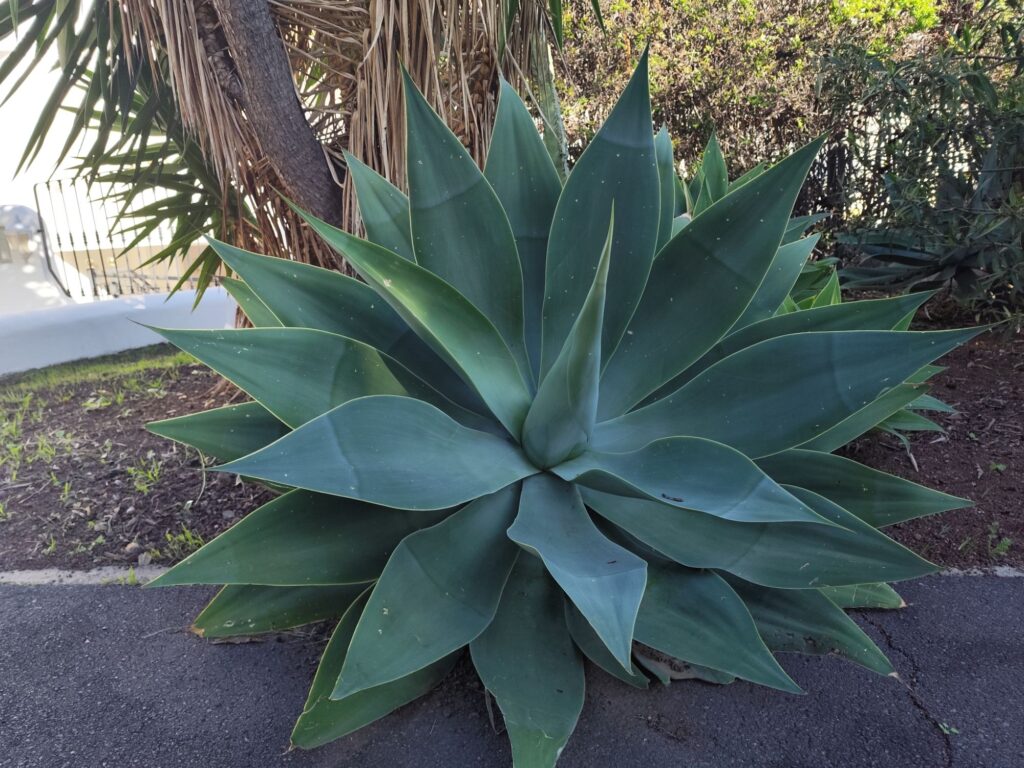
Agave attenuata, commonly known as foxtail agave or swan-neck agave, is a popular ornamental succulent valued for its smooth leaves and elegant form. Unlike many agave species, it lacks sharp spines, making it especially suitable for residential gardens, public spaces, and walkways.
Native to central Mexico, Agave attenuata is now widely cultivated in warm and mild climates around the world. Its flowing rosette shape and soft appearance make it a favorite in modern, Mediterranean, and subtropical garden designs.
Natural Habitat and Origin
Agave attenuata originates from the highlands of central Mexico, where it grows on rocky slopes and well-drained soils in semi-arid environments. In its natural habitat, it often develops on elevated terrain with good air circulation.
Due to its adaptability and ornamental value, it has been introduced to many coastal and subtropical regions, including areas with volcanic soils and low annual rainfall.
Physical Characteristics
This agave species forms large, symmetrical rosettes of broad, pale green leaves. The leaves are smooth, flexible, and gently curved, with no terminal spine or serrated edges. A mature Agave attenuata rosette can reach up to 1.5 meters in diameter.
Its soft texture and flowing leaf shape give the plant a more welcoming appearance compared to rigid, spiny agaves, making it especially popular in accessible garden areas.
Flowering and Life Cycle
Agave attenuata is a monocarpic plant, meaning it flowers once at the end of its life cycle. The flowering stalk is long, arching, and curved, often compared to a swan’s neck or fox tail.
The flowers are pale yellow to greenish and appear along the drooping inflorescence. After flowering, the main rosette slowly declines, but new offsets typically form at the base, allowing the plant to continue growing.
Growth Habit and Development
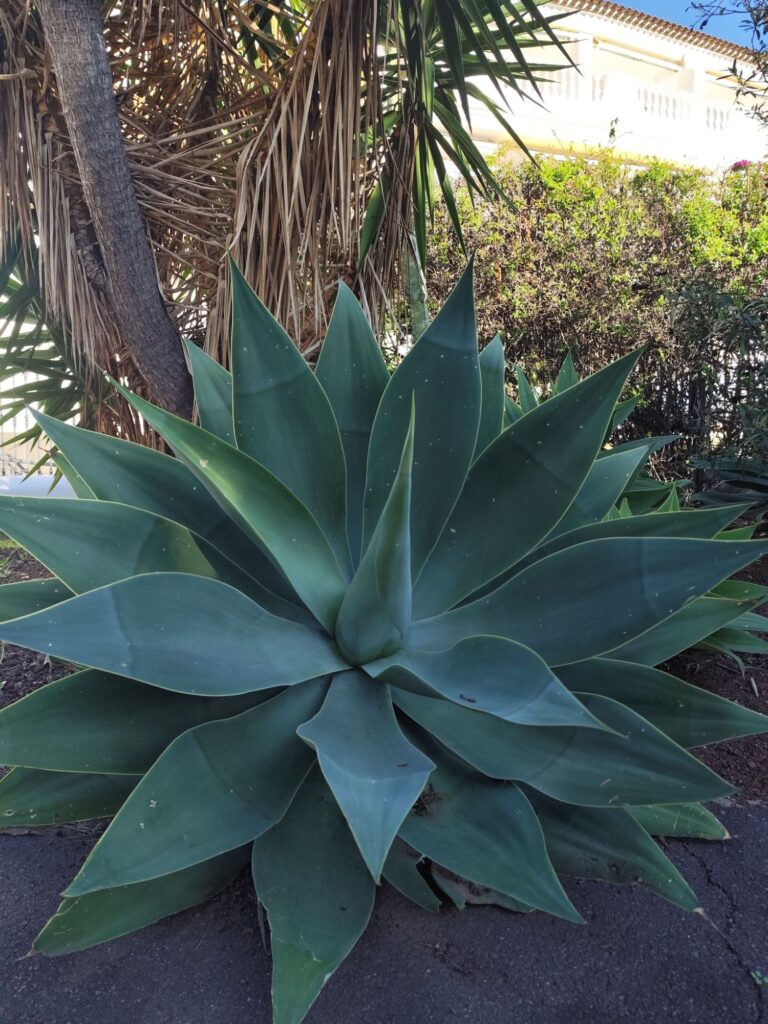
This species grows at a moderate rate and naturally produces multiple offsets over time. These offsets create clumps that add volume and structure to garden layouts.
Its growth habit makes Agave attenuata suitable as a specimen plant or as part of larger group plantings in dry-climate and low-water gardens.
Climate and Sunlight Requirements
Agave attenuata thrives in warm climates with mild winters. It prefers bright light and performs best in full sun to partial shade. In very hot regions, light afternoon shade can help prevent leaf stress.
This species is sensitive to frost and should be protected from freezing temperatures. It is best suited to coastal and low-altitude areas with stable, mild conditions.
Soil and Water Needs
Well-drained soil is essential for healthy growth. Sandy, rocky, or volcanic soils are ideal, as they prevent excess moisture from accumulating around the roots.
Once established, Agave attenuata is drought-tolerant and requires only occasional watering. It prefers dry intervals between watering cycles, and overwatering should be avoided.
Maintenance and Care
This foxtail agave is considered low-maintenance. Routine care mainly involves removing old leaves and managing offsets if size control is desired.
Because it has no sharp spines, Agave attenuata is easier and safer to handle than many other agave species. Fertilization is rarely required, though light feeding during the growing season can support healthy growth.
Uses in Landscaping
Agave attenuata is widely used in landscaping for its sculptural form and safety-friendly structure. It is especially suitable for planting near walkways, terraces, patios, and swimming pools.
It works well in modern gardens, xeriscaping projects, and Mediterranean-style landscapes, either as a focal point or combined with other drought-tolerant plants.
Ecological and Visual Value
The flowering stalk of Agave attenuata attracts pollinators such as birds and insects. Its dense rosettes can also provide shelter for small wildlife in garden environments.
Visually, the plant adds strong architectural interest while maintaining a soft and elegant appearance, making it highly versatile in landscape design.
Scientific Name and Botanical Classification
The scientific name Agave attenuata reflects the plant’s smooth, tapering leaf form. It belongs to the Asparagaceae family, which includes many drought-adapted species used in ornamental horticulture.
Safety Note
Although Agave attenuata lacks sharp spines, its sap can cause skin irritation in sensitive individuals. Contact with broken leaves should be avoided, and the plant should not be ingested.
Suitability for Home Gardens
Agave attenuata is an excellent choice for home gardens in warm climates. It can be planted directly in the ground or grown in large containers, provided drainage is sufficient.
With proper placement and minimal care, this agave can remain an attractive and long-lasting feature in gardens and outdoor living spaces.