Overview of Achyranthes aspera
Achyranthes aspera, commonly known as prickly chaff flower, is a perennial herbaceous plant valued for its resilience, upright form, and ability to thrive in harsh conditions. It belongs to the Amaranthaceae family and is commonly found in open and disturbed habitats.
This species is mainly of botanical and ecological interest and is occasionally used in naturalistic or educational garden settings.
Natural Origin and Distribution
Achyranthes aspera is native to tropical and subtropical regions of Africa, Asia, and parts of the Indian subcontinent.
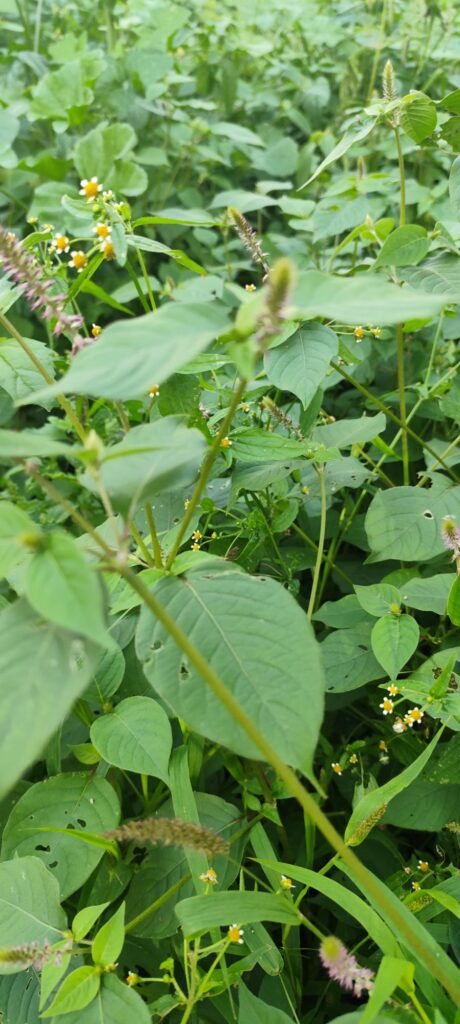
It has become widely naturalized in many warm regions worldwide, growing along roadsides, fields, grasslands, and open wastelands.
Physical Characteristics
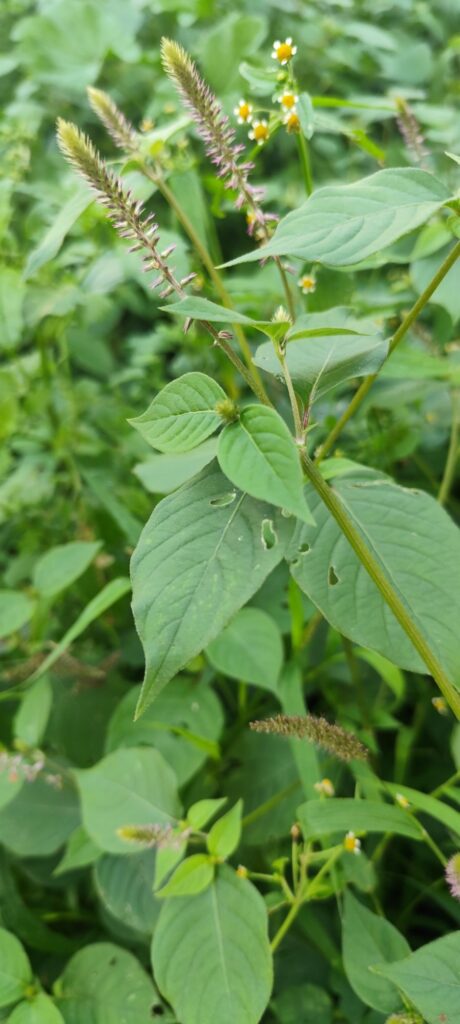
This plant grows as an erect herb with a strong central stem that can reach heights of 50 to 120 centimeters.
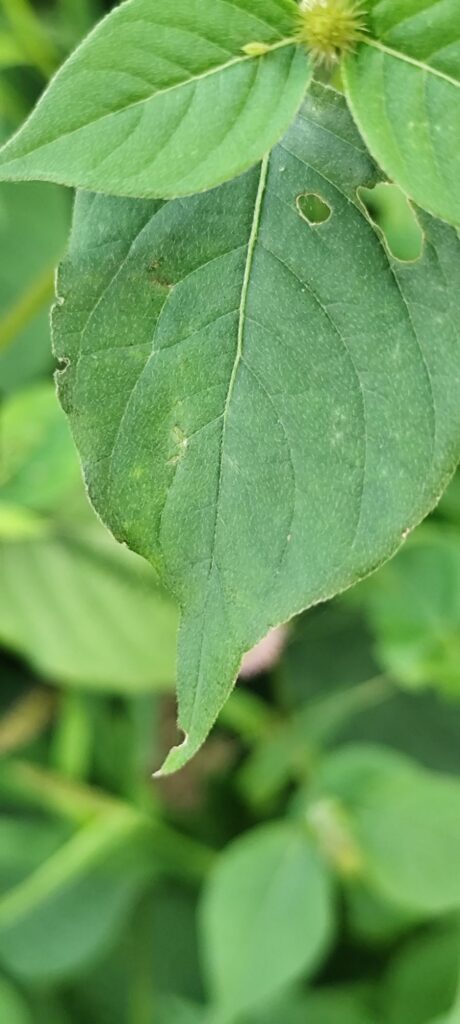
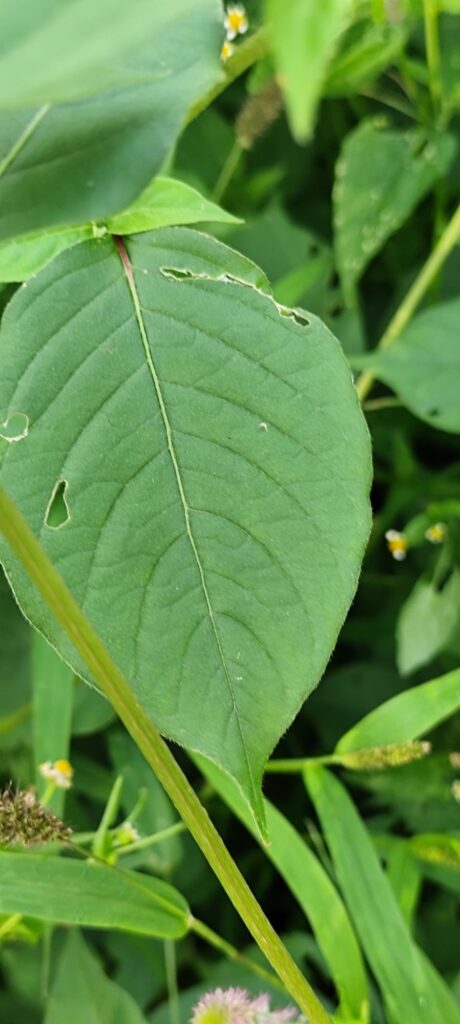
The leaves are opposite, oval to elliptical, and medium green in color. Small greenish flowers are produced in long, slender spikes with stiff bracts that give the plant its common name.
Flowering and Seasonal Interest
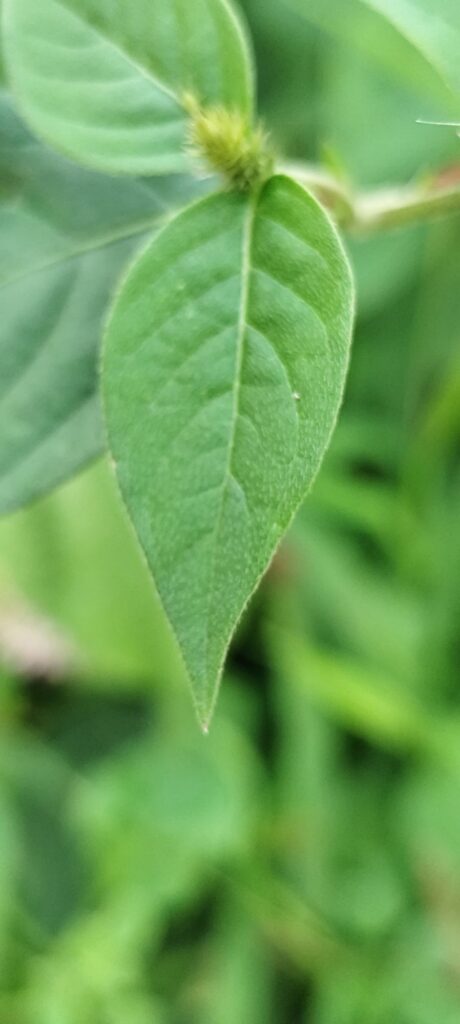
Flowering usually occurs from late spring through autumn, depending on climate and growing conditions.
The flower spikes remain visible for extended periods, adding texture rather than bright color to the plant.
Growth Habit and Development

Achyranthes aspera has a moderate to fast growth rate and readily establishes itself in open ground.
It may behave as a short-lived perennial or annual depending on local climate and environmental conditions.
Climate and Light Requirements
This species thrives in warm climates and prefers full sun exposure, although it tolerates light partial shade.
It is tolerant of heat and drought but sensitive to frost.
Soil Preferences

Achyranthes aspera adapts to a wide range of soils, including poor, sandy, and compacted soils.
Well-drained conditions are preferred, but the plant is highly tolerant of challenging soil environments.
Water Requirements
Watering should be moderate. Once established, the plant tolerates dry conditions well.
Prolonged waterlogging should be avoided.
Maintenance and Care

This is a low-maintenance plant. It generally requires no special care once established.
Control may be necessary in managed gardens due to its ability to self-seed.

Safety and Usage Notice
Achyranthes aspera is traditionally associated with various cultural uses. This article does not recommend medicinal or dietary use.
The stiff flower bracts may cause minor irritation when handled.
Uses in Landscaping

This species is occasionally used in naturalized gardens, restoration projects, and educational botanical collections.

It is not commonly used in ornamental landscaping due to its subtle appearance.
Visual and Environmental Value
Visually, the plant contributes texture and vertical structure rather than bright floral display.
Ecologically, it supports biodiversity by providing habitat and food sources for insects.
Suitability for Gardens
Achyranthes aspera is suitable for naturalistic or low-input gardens in warm climates.
With full sun, minimal watering, and open space, it can establish easily and persist with little intervention.