Overview of Acanthus mollis
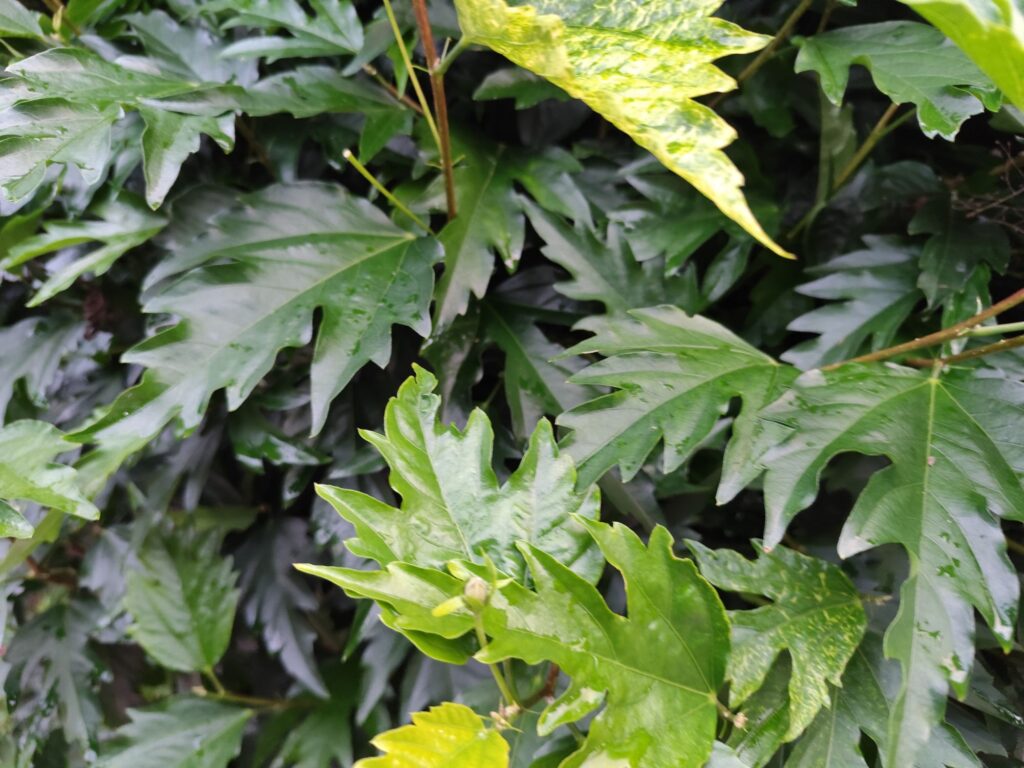
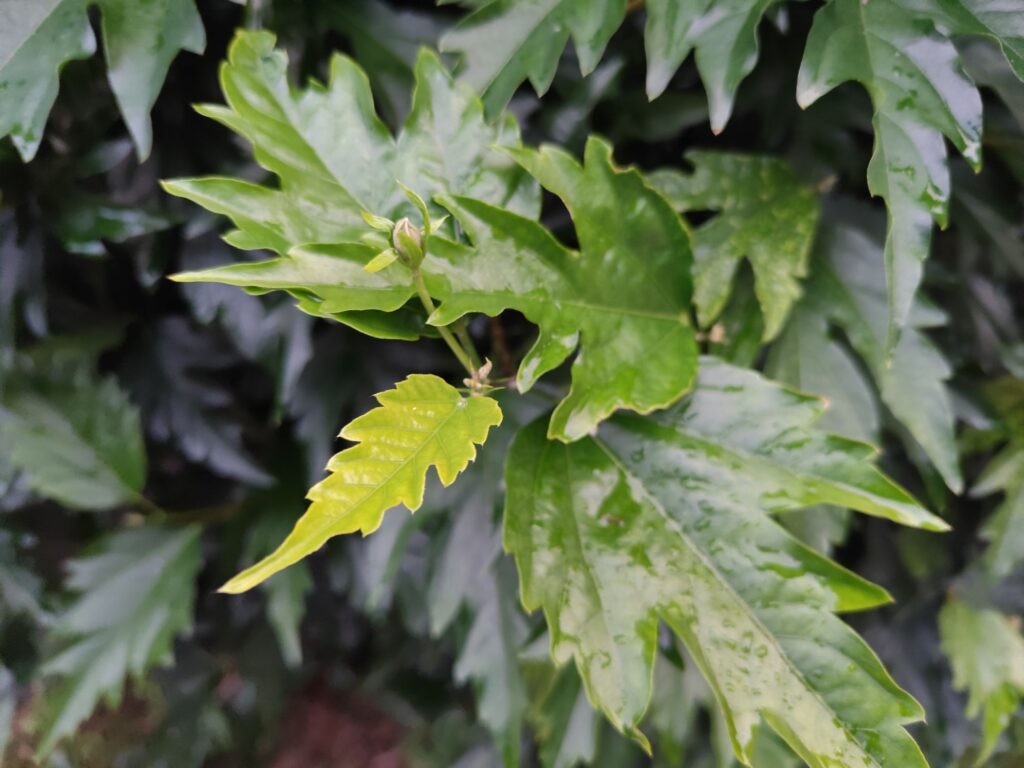
Acanthus mollis, commonly known as bear’s breeches, is a perennial ornamental plant valued for its dramatic foliage and tall flowering spikes. It is a classic plant of Mediterranean gardens and has been cultivated for centuries due to its bold appearance and architectural form.
This species is particularly admired for its large, glossy leaves and its ability to thrive in warm climates with minimal maintenance once established.
Natural Habitat and Origin
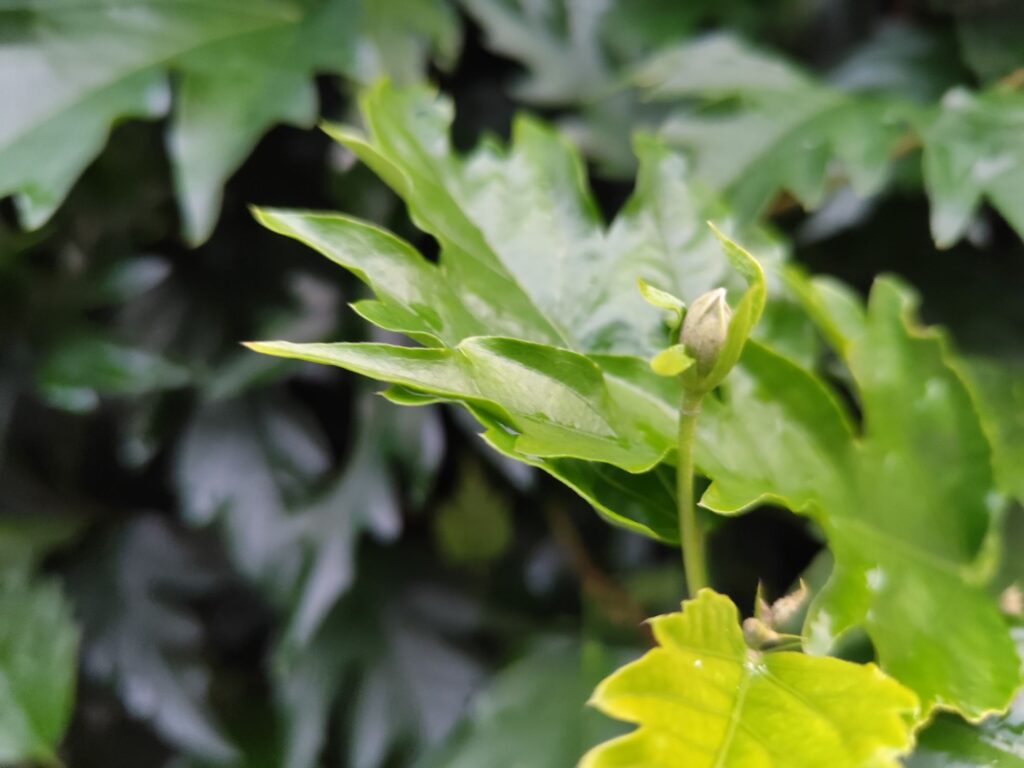
Acanthus mollis is native to the Mediterranean region, where it grows naturally in woodlands, rocky slopes, and shaded or semi-shaded areas. It is well adapted to environments with dry summers and mild, wet winters.
The plant has spread widely through cultivation and is now found in gardens and landscapes across southern Europe and other regions with similar climates.
Physical Characteristics
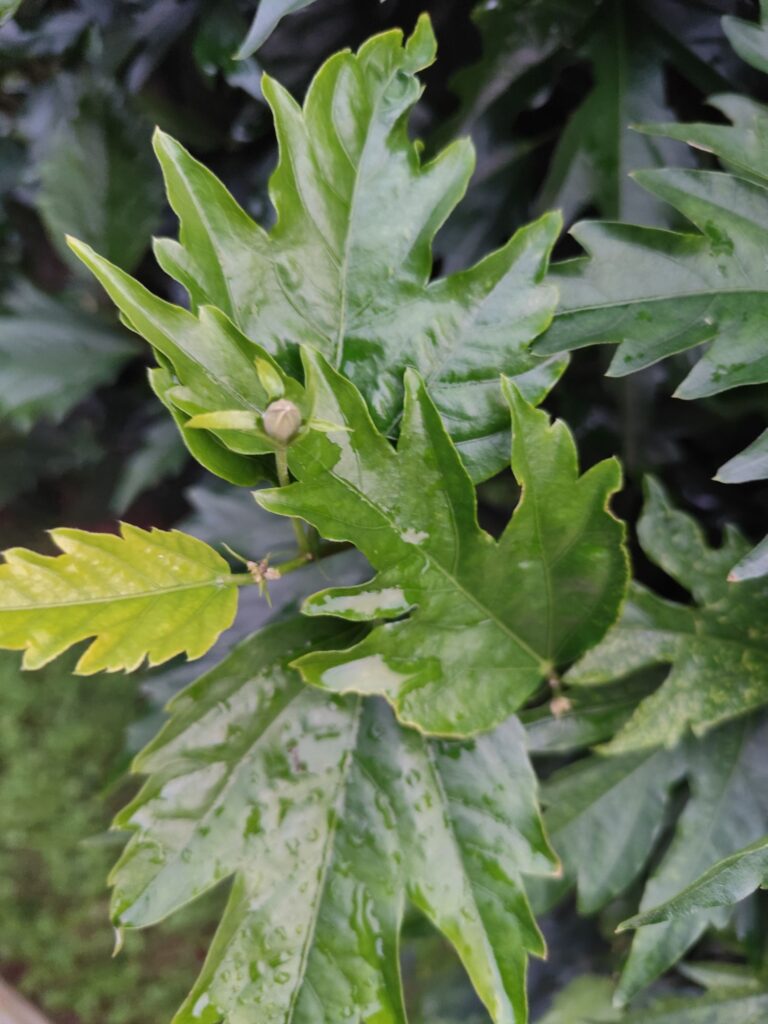
This plant forms a dense basal rosette of large, deeply lobed leaves that can reach up to 1 meter in length. The leaves are dark green, glossy, and leathery, giving the plant a lush and ornamental appearance.
From the center of the rosette emerge tall flower stalks that can reach heights of 1 to 1.5 meters. These spikes are covered with large, showy bracts and tubular flowers, usually white with purple or pinkish accents.
Flowering and Seasonal Interest
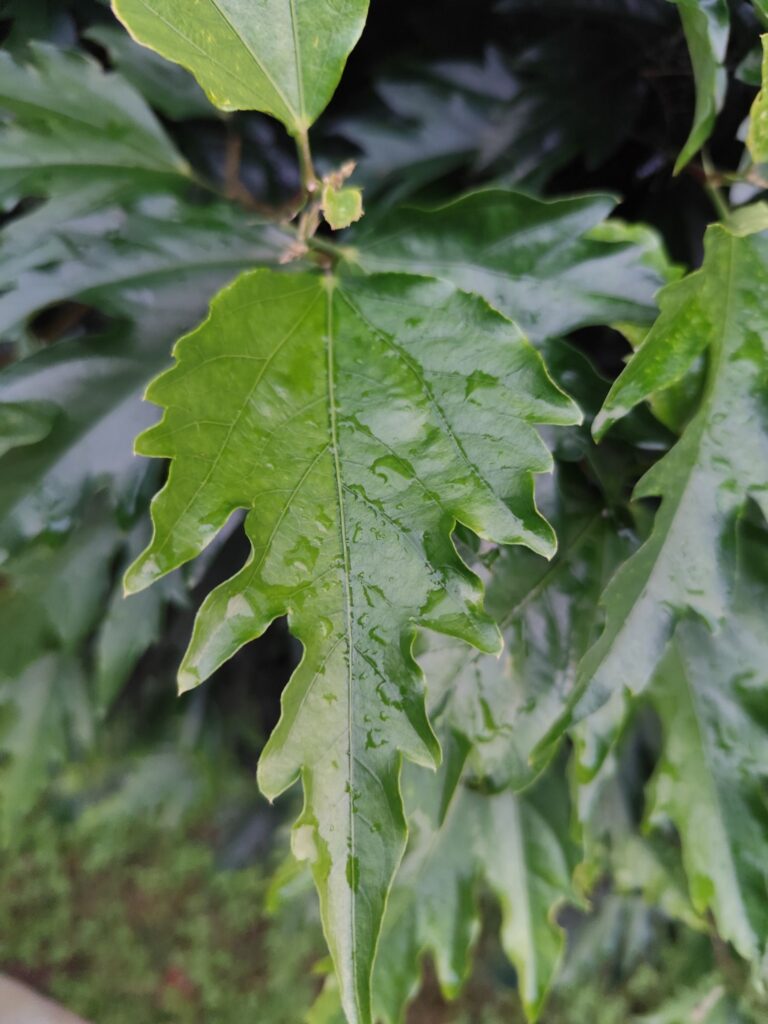
Acanthus mollis typically flowers from late spring to early summer. The flower spikes are long-lasting and provide strong vertical interest in garden designs.
Even outside the flowering season, the foliage remains attractive for much of the year, especially in mild climates where the plant stays evergreen or semi-evergreen.
Growth Habit and Development
This species grows from a strong root system and gradually forms large clumps. Once established, it is a vigorous plant that can expand steadily over time.
Its robust growth makes it suitable for filling large spaces, though it should be given adequate room to develop fully.
Climate and Light Requirements
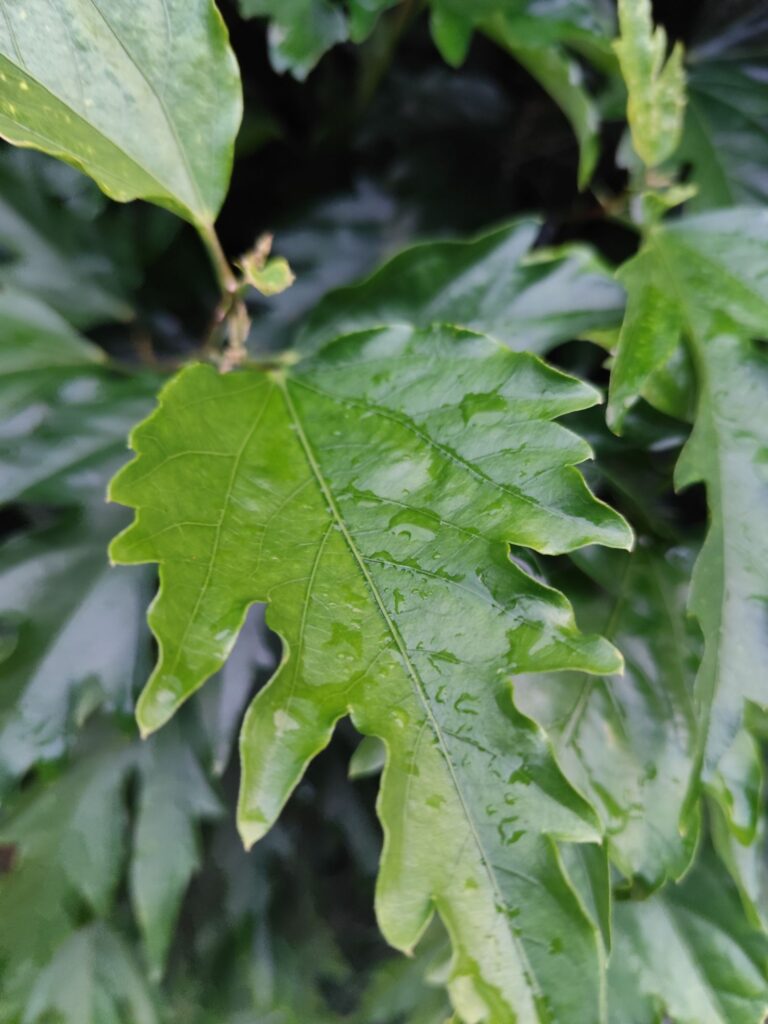
Acanthus mollis thrives in Mediterranean and temperate climates. It prefers partial shade but can tolerate full sun in cooler regions or when provided with sufficient moisture.
In very hot climates, some shade during the hottest part of the day helps maintain healthy foliage and prevents leaf stress.
Soil and Water Needs
This plant prefers fertile, well-drained soils but is adaptable to a range of soil types, including clay and rocky soils. Good drainage is important to prevent root issues.
Once established, Acanthus mollis is relatively drought-tolerant. Regular watering during prolonged dry periods helps maintain lush foliage, especially in sunnier locations.
Maintenance and Care
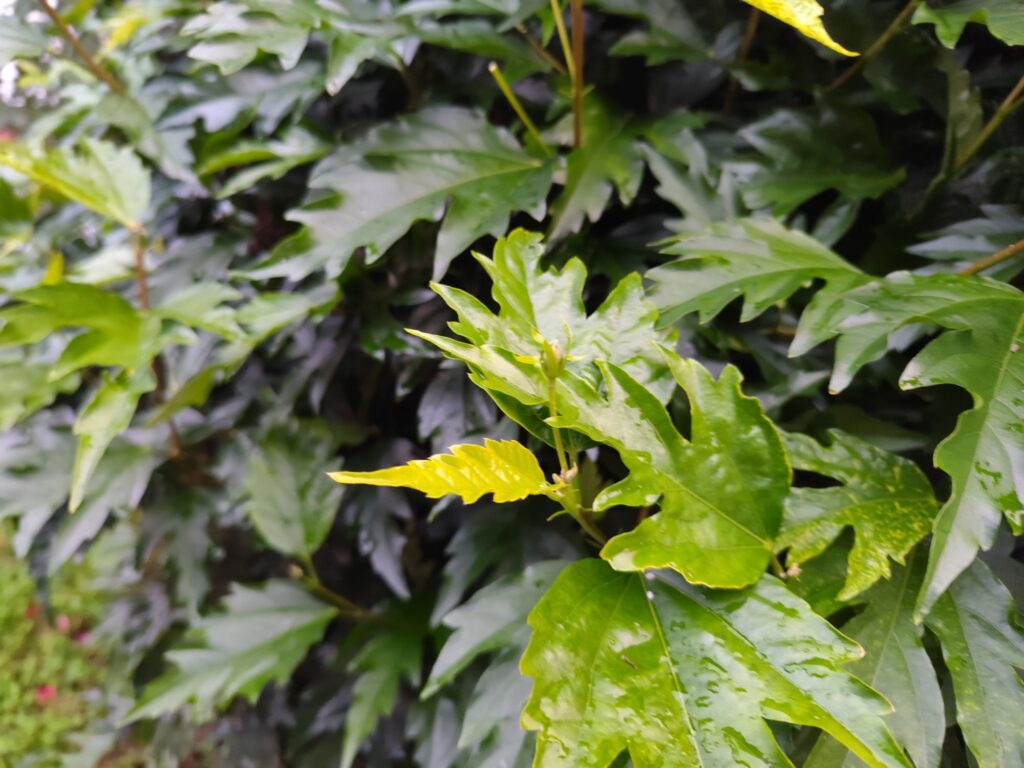
Acanthus mollis is generally low-maintenance. Old or damaged leaves can be removed to keep the plant tidy, and spent flower stalks may be cut back after flowering.
It does not usually require frequent fertilization. In nutrient-poor soils, a light application of organic matter can support healthy growth.
Uses in Landscaping
This plant is widely used in ornamental gardening for its strong architectural presence. It works well as a focal plant, in borders, or as a backdrop for lower-growing plants.
Acanthus mollis is particularly effective in Mediterranean-style gardens, classical designs, and shaded garden areas where bold foliage is desired.
Cultural and Visual Significance
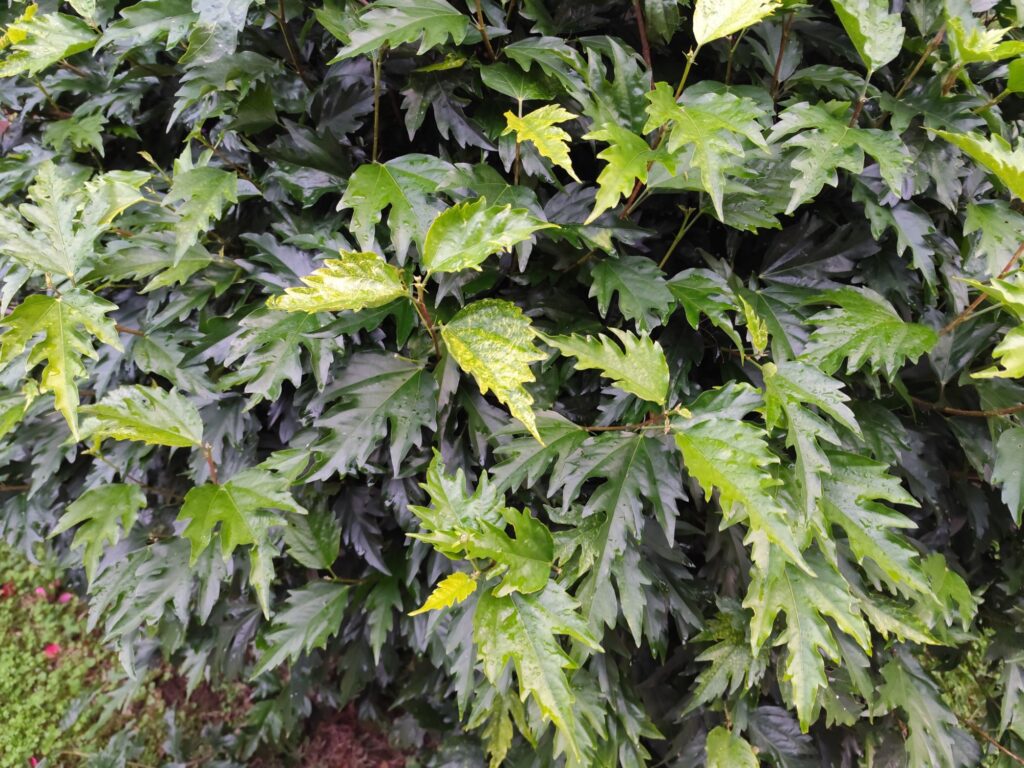
The leaves of Acanthus mollis have historical significance, having inspired classical architectural motifs seen in Corinthian columns and decorative art.
This connection to architectural history adds cultural value to its already striking visual appeal.
Suitability for Home Gardens
Acanthus mollis is well suited to home gardens with sufficient space and appropriate climate conditions. It performs best when allowed to grow without frequent disturbance.
With proper placement and minimal care, this plant can provide long-lasting structure, texture, and seasonal interest in a wide range of garden settings.